




Victorian Sea Painting
When you search for victorian sea painting, you enter a world of oil on canvas, watercolour, and dramatic coastal scenes from the nineteenth century.
Victorian Sea Painting
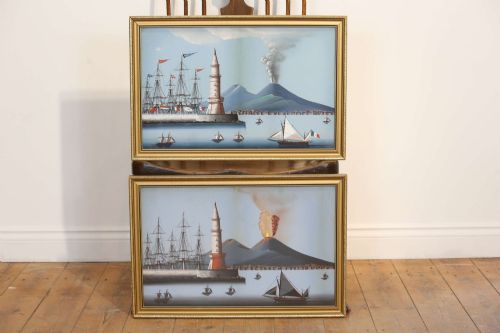
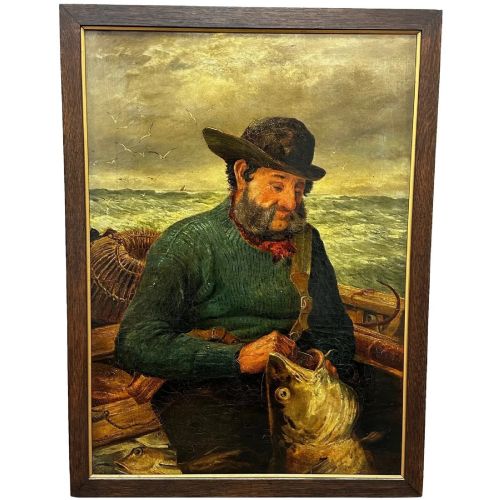
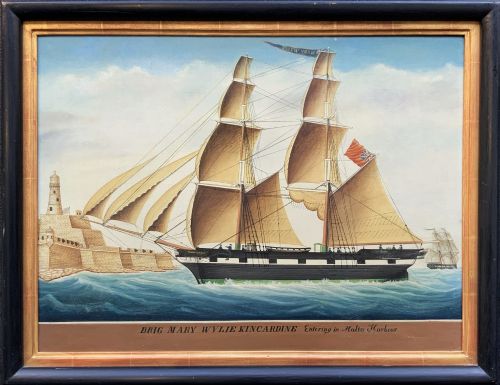
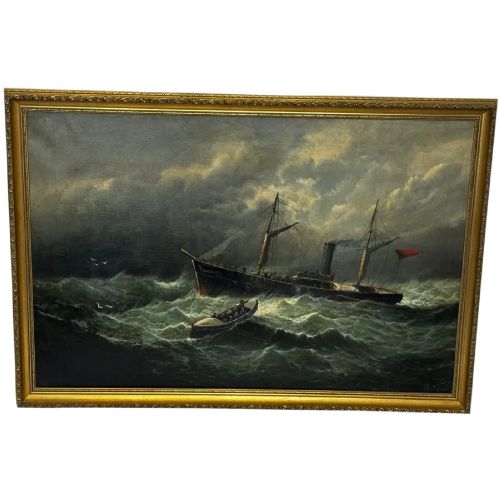
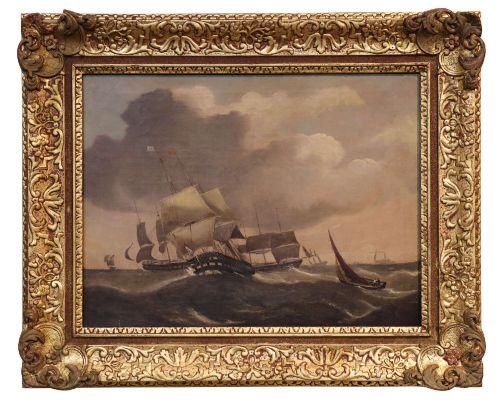
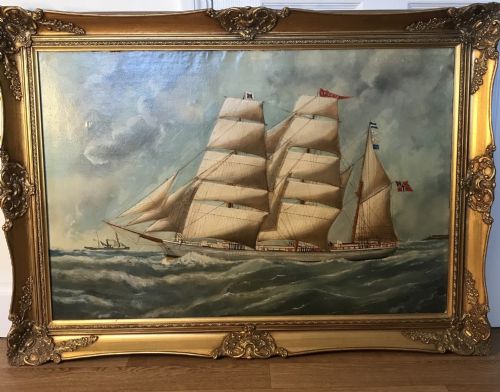
A victorian sea painting captures the maritime life, coastal views, and rough seas of the nineteenth century. These works range from detailed portraits of named ships to atmospheric views of fishing boats off British and international harbours.
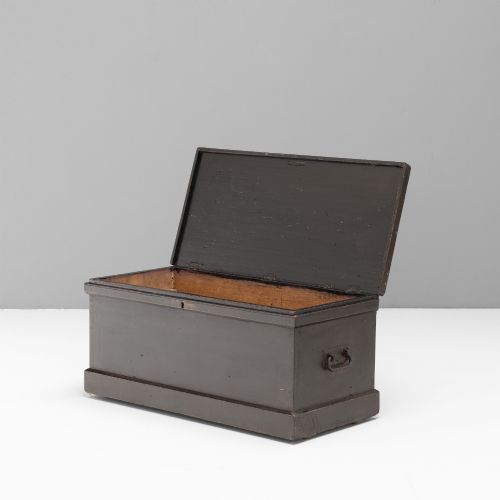
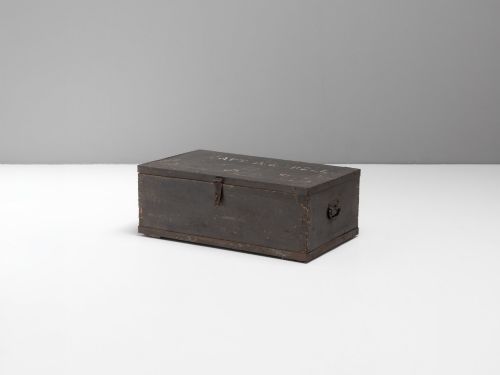
The most common formats on this page are oil paintings on canvas or board and delicate watercolour paintings. Alongside framed art, the selection includes maritime objects such as painted pine storage trunks and cased dioramas.
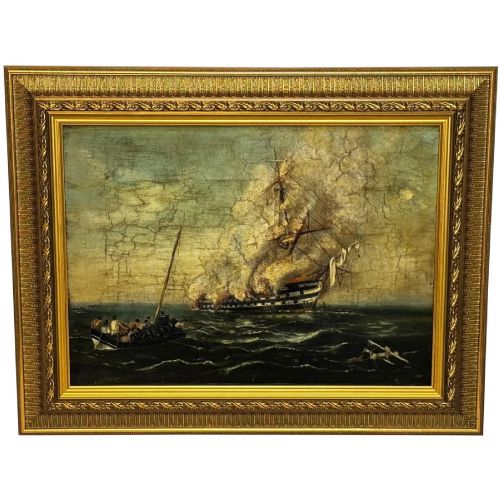
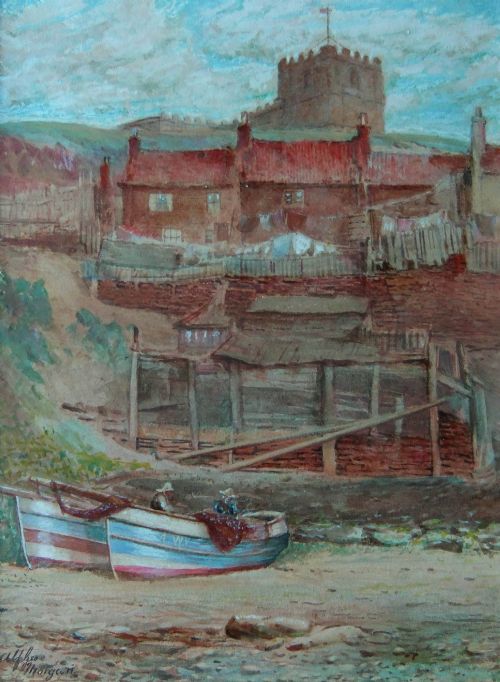
The subjects extend from local coastal scenes near St Ives, Whitby, and Brighton to historic events at sea, merchant vessels, and royal yachts. Many pieces carry signatures from period artists or attribute their scenes to specific coastal locations.
How they were made
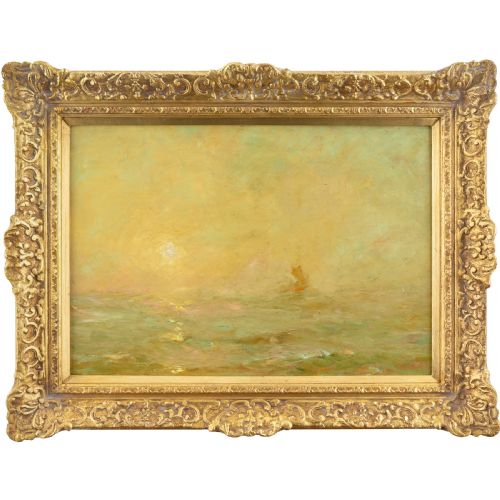
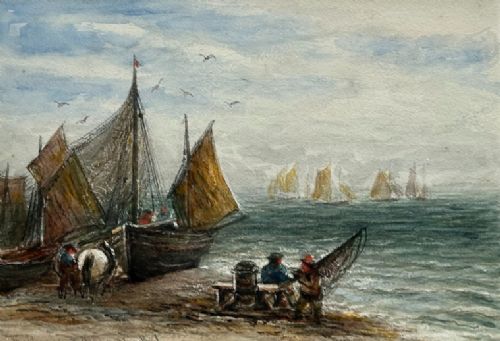
Painters of the period utilised oil paint on canvas or wooden board, building up rich textures for stormy seas and billowing sails. Watercolour paintings on paper required precise brushwork to capture the light on coastal waters and sandy beaches.
Physical framing and housing played a substantial part in the presentation of these maritime works. Wooden frames protect the paintings, while shadow boxes and glass encase detailed dioramas of sailing vessels racing at sea.
Victorian Sea Painting Retail Price Guide 2026
Typical asking prices for victorian sea painting among the pieces listed under this phrase on Sellingantiques today, from the lower quarter to the upper quarter. They describe what is for sale here now, not the wider market.
Several travel trunks retain their vibrant red interiors, offering a hidden splash of colour beneath their weathered exterior pine boards.
What varies in quality
The skill in rendering water, light, and atmospheric conditions distinguishes the finer works from simpler topographical records. Painters who understood the movement of waves and the rigging of vessels produced more compelling maritime scenes.
Condition and originality also set the pieces apart. Works that retain their original surfaces, unlined canvases, and period frames hold greater visual integrity than those with extensive modern restorations.
James Orrock·William Banks Fortescue·John Rose Miles·Bernard Benedict Hemy·George Stanfield Walters·Henry Barlow Carter·John McDougal·George Gregory
The Victorian Sea Painting Glossary
- Oil on Canvas
- A traditional painting technique using pigments suspended in drying oils applied to a stretched cloth surface. This medium allowed artists to achieve deep tones and durable finishes for stormy marine scenes.
- Watercolour Painting
- An artwork created with water-soluble pigments on paper. These pieces rely on the white of the paper to shine through translucent washes, capturing bright coastal light.
- Diorama
- A three-dimensional scene enclosed in a glass-fronted case, often featuring model sailing vessels. Nineteenth-century examples combined carved wooden ships with painted backgrounds.
- Barque
- A sailing vessel with three or more masts. This specific rigging configuration frequently appeared in nineteenth-century ship portraits.
Victorian Sea Painting: Frequently Asked Questions
What subjects appear in victorian sea painting?
The subjects include named merchant ships, royal yachts, fishing boats near harbour walls, and dramatic shipwrecks in heavy seas.
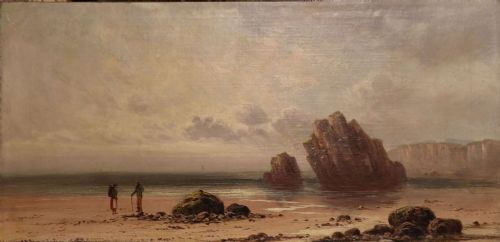
Artists also recorded quiet coastal beaches, rocky shores with sea stacks, and scenes of everyday life involving fishermen and boats.
How should I care for a nineteenth-century watercolour?
Watercolour paintings on paper require protection from direct sunlight to prevent the pigments from fading over time.
Keep them in stable environmental conditions away from damp walls to preserve the paper and the integrity of the framing.
Are these maritime paintings signed by the artists?
Many of the works feature artist signatures, inscriptions, or contemporary attribution notes on the front or reverse.
Others belong to the broader British school or represent the output of regional painters working along the coast.
What materials make up the non-painting items here?
The secondary items include painted pine storage trunks, metal-bound travelling chests, and wooden dioramas enclosed in glass.
These functional objects often feature original painted surfaces, iron fixtures, and red interiors characteristic of nineteenth-century craftsmanship.