
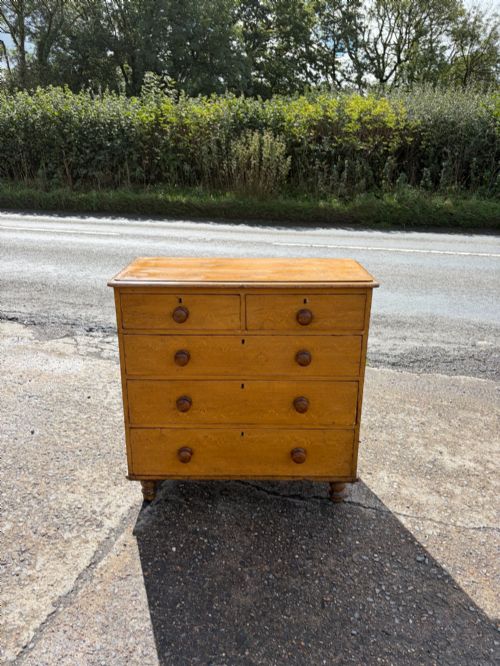
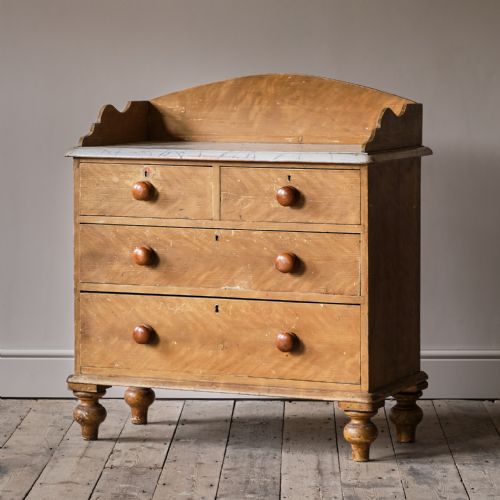
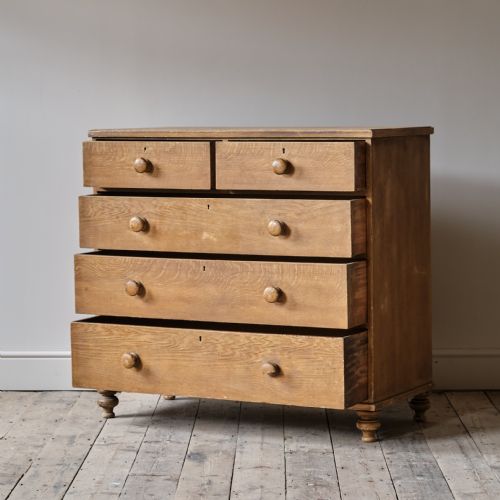
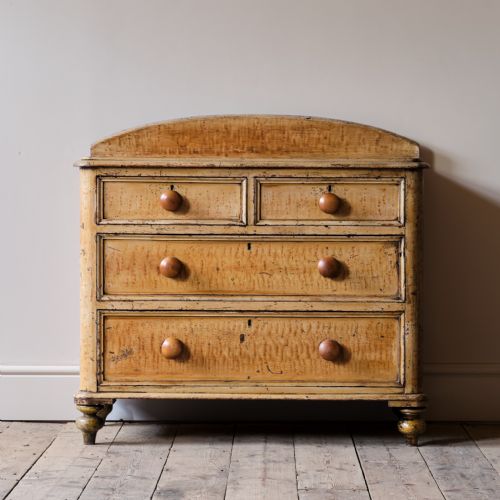
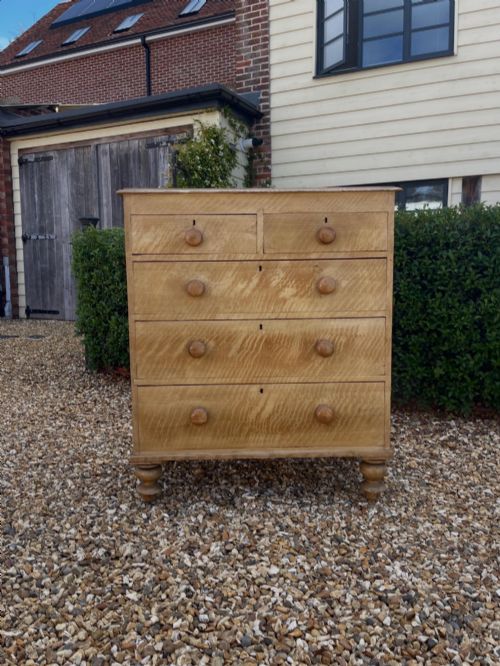
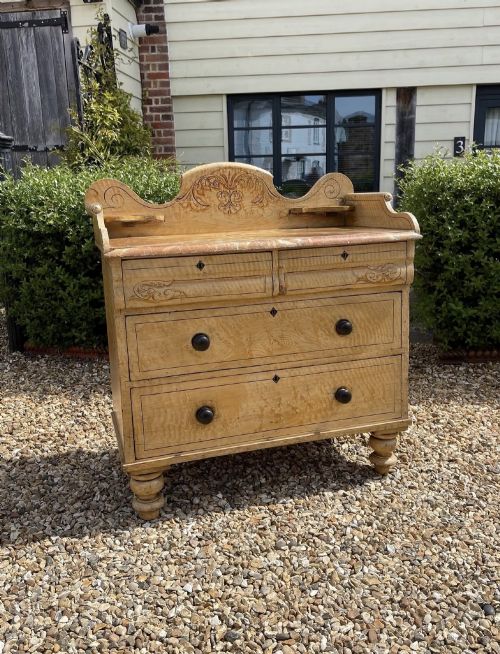
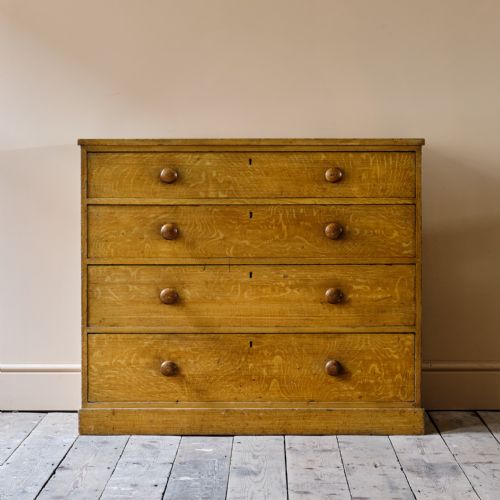


Victorian Scumble Painted Chest
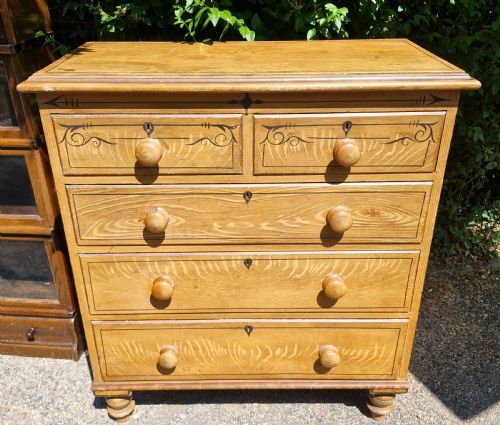
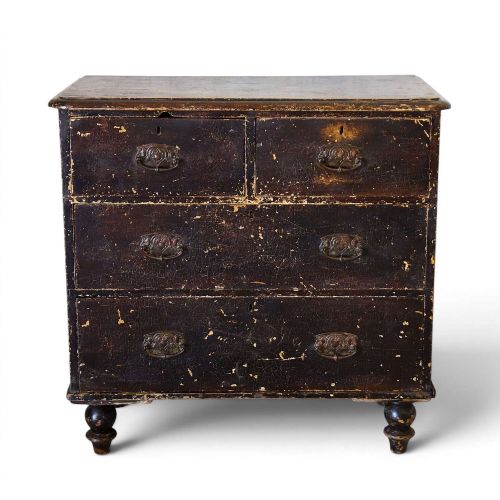
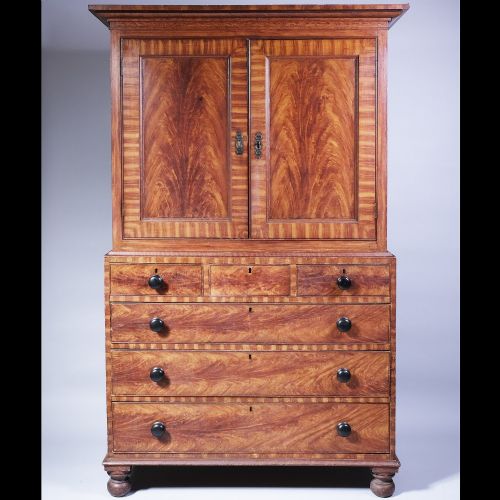
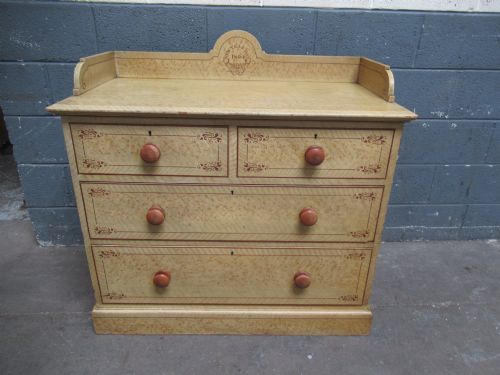
A victorian scumble painted chest brings rich patterned wood-effect graining into a room, offering robust storage with genuine period character.
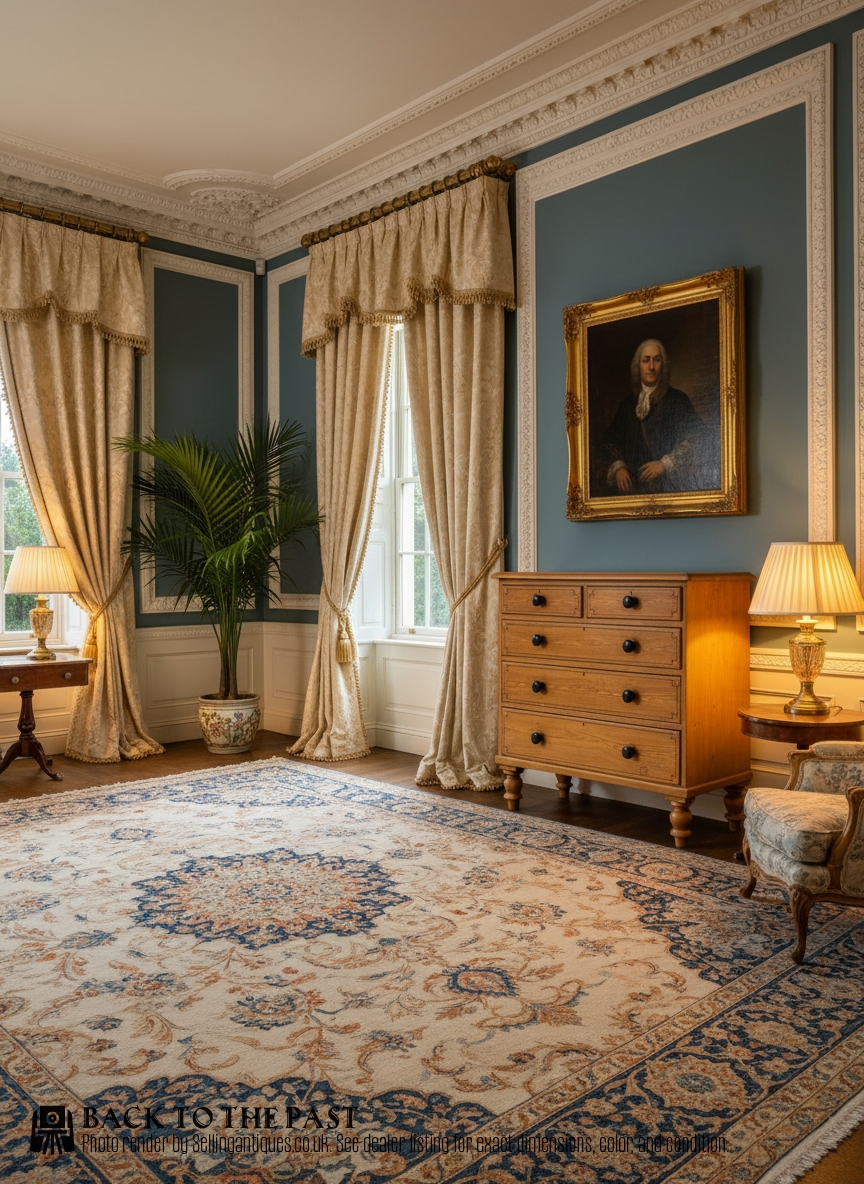
Victorian Scumble Painted Chest
When searching for a victorian scumble painted chest, buyers encounter functional storage pieces finished with decorative surface treatments that simulate finer timbers. These items span the nineteenth century, including specific years from the eighteen-seventies through to nineteen hundred.
The selection centres primarily on chests of drawers, alongside blanket boxes, trunks, mule chests, and dressing chests in rustic farmhouse and country house styles. Pine serves as the primary structural wood beneath the decorative paint layers.
How They Were Made
Carpenters constructed these pieces predominantly from solid pine, often incorporating iron, brass, ceramic, or glass hardware for handles and pulls. The defining characteristic is the scumbled paint technique, where craftsmen applied translucent topcoats over a lighter base and manipulated the wet glaze using combs, feathers, or brushes to create faux wood grain patterns.
Makers applied these finishes by hand to emulate expensive hardwoods like oak or mahogany on more accessible domestic furniture. Protective clear coats or glazes were then used to seal the distinctive brown, green, or traditional scumble paint surfaces.
Listings feature items from the nineteenth century, including specific dates across the eighteen-seventies, eighties, nineties, and nineteen hundred.
What Varies in Quality
The distinction between standard domestic items and superior examples lies in the dexterity of the graining and the preservation of the original surface. Skillfully executed scumbling exhibits depth, movement, and a convincing simulation of natural timber grain rather than flat, uniform brushwork.
Originality of surface finish dictates the desirability of each piece, distinguishing surviving period paintwork from later decoration. The integrity of the underlying pine construction and the presence of period-appropriate brass, iron, or ceramic fittings further differentiate the range.
The Victorian Scumble Painted Chest Glossary
- Scumble
- A translucent layer of dark oil paint brushed over a lighter base coat and manipulated while wet. This technique creates simulated wood grain, tortoise shell, or textured patterns on plain timber furniture.
- Pine
- A soft timber widely used for nineteenth-century domestic furniture construction. It provides an affordable and stable base for decorative paint finishes.
- Mule Chest
- A storage chest fitted with one or more drawers in the lower section beneath a hinged lid compartment. This form bridges the traditional blanket box and the chest of drawers.
- Wellington Chest
- A tall, narrow chest of drawers secured by a sturdy hinged locking flap on one vertical side. The design originated in the nineteenth century for efficient locking and storage.
Victorian Scumble Painted Chest: Frequently Asked Questions
How do I clean scumble paint?
Wipe surfaces gently with a dry or barely damp soft cloth to remove dust. Avoid harsh modern chemical cleaners that can strip or soften nineteenth-century oil glazes.
Test any cleaning method on a hidden underside area first. Preserving the original patina requires minimal moisture and gentle care.
Are these chests made of solid wood?
Makers constructed these pieces using solid pine timbers throughout the carcase, drawers, and panels. This durable softwood provided a reliable foundation for decorative graining.
Solid construction ensures the pieces remain sturdy after more than a century of domestic use.
What colours do scumble chests come in?
Original finishes commonly feature brown and green scumble paint over lighter pine base coats. Variations depend on the specific faux wood grain the decorator aimed to replicate.
Glazes aged over time, giving these nineteenth-century surfaces their characteristic deep tones and rich patinas.
Can I use a mule chest as a coffee table?
Mule chests offer substantial storage capacity and flat top surfaces suitable for daily living spaces. Their hinged lids provide easy access to interior compartments while functioning as low furniture.
Ensure floor clearance and proportions suit your room before placing items on the top surface.