




Victorian Scroll Bed
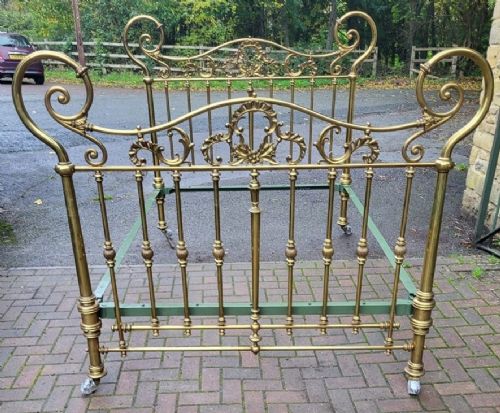
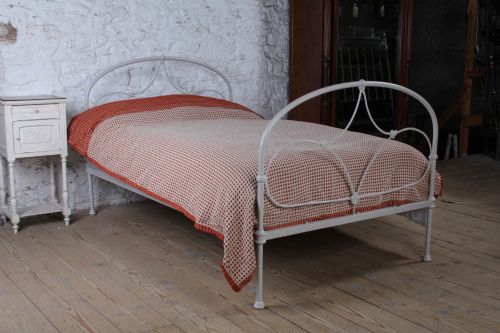
These victorian scroll bed pieces combine iron, brass and timber to create statement frames for the bedroom.
Victorian Scroll Bed
A victorian scroll bed brings nineteenth-century character to the bedroom through distinctive rolled headboards and footboards. These pieces span the broader Victorian era alongside related daybeds, iron bedsteads and chaise longues.
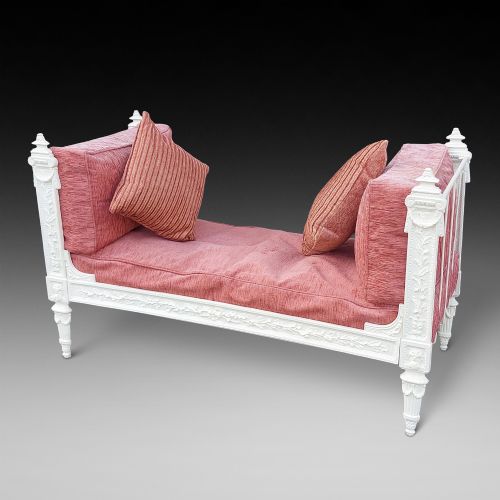
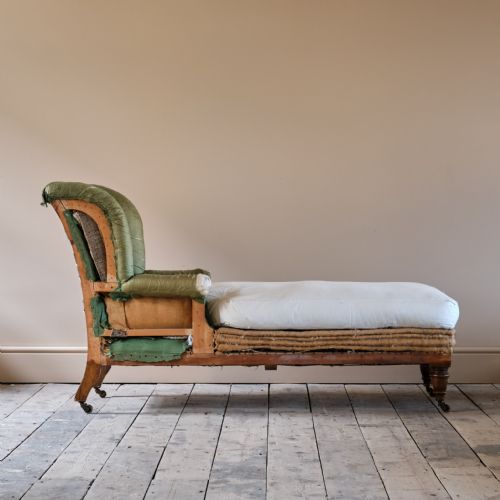
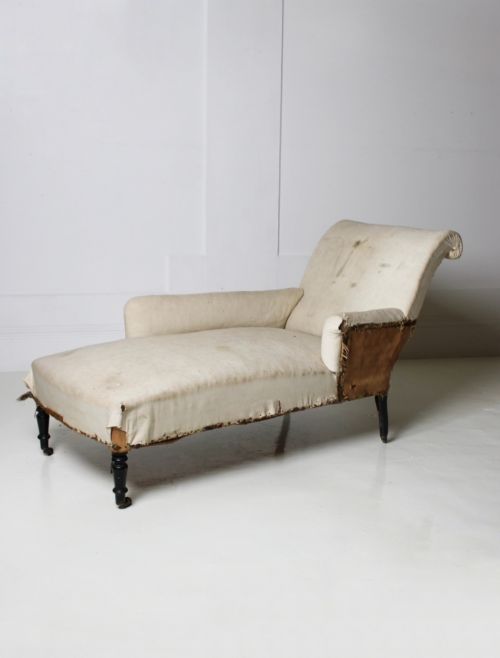
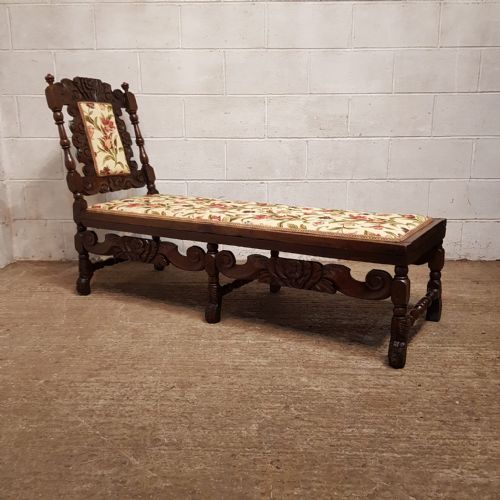
Buyers will encounter various forms here, ranging from robust single cast iron frames to carved oak daybeds and grand brass bedsteads. Styles stretch across the nineteenth century, taking in Regency influences, Celtic revival motifs and French country touches.
The selection includes both robust metal frames designed for daily sleeping and elegant wooden daybeds suited for lounging. Each piece reflects the diverse manufacturing output of the period, from simple country house furniture to elaborate urban workshop designs.
Materials and construction methods
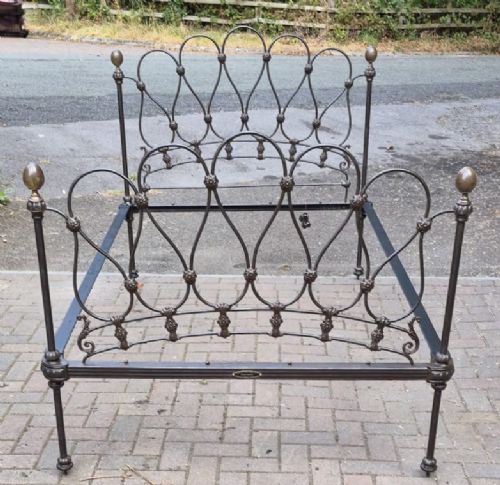
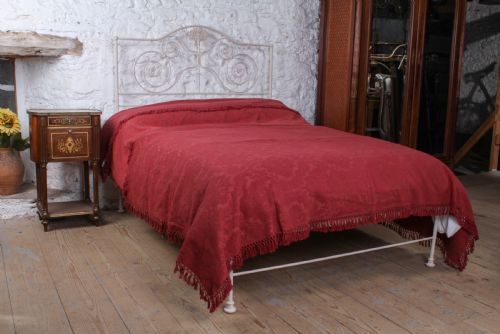
Construction relies heavily on metals such as cast iron, forged iron and polished brass, often paired with robust wooden frameworks in mahogany, rosewood or oak. Metal components utilise traditional foundry techniques to shape the characteristic scrollwork and structural supports.
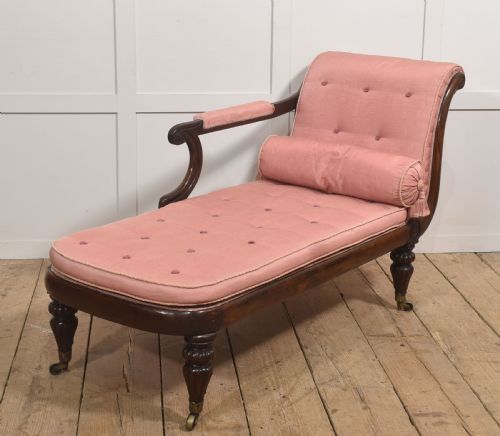
Upholstered elements feature traditional fabric coverings, whilst specific variants incorporate cane seating or hand-carved detailing. Turned wooden legs frequently terminate in original castors to allow smooth mobility across the floor.
Victorian Scroll Bed Retail Price Guide 2026
Typical asking prices for victorian scroll bed among the pieces listed under this phrase on Sellingantiques today, from the lower quarter to the upper quarter. They describe what is for sale here now, not the wider market.
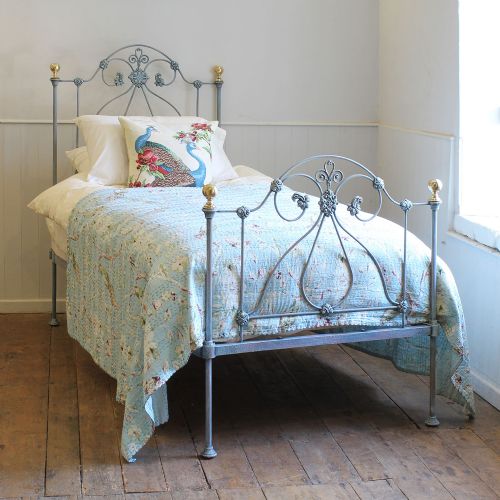
Some iron frames carry a blue verdigris finish, proving that even metal likes to wear a bit of colour.
Quality factors in nineteenth-century frames
Quality reveals itself in the crispness of iron casting, the weight of the brass components and the precision of the timber joinery. Superior examples display clean lines in their scroll ends without crude welding marks or distorted metalwork.
The integrity of the structural frame dictates longevity, with well-preserved joints and original hardware holding higher appeal. Surface finishes, whether original paint, verdigris patina or polished wood, should show honest ageing rather than unsympathetic modern intervention.
Miles & Edwards
The Victorian Scroll Bed Glossary
- Bedstead
- The structural framework of a bed, supporting the mattress and base. It typically comprises head and foot sections joined by side rails.
- Daybed
- A piece of furniture functioning as both a seat and a bed, featuring a raised end or backrest. These items suit sitting during daylight hours and lying down to rest.
- Chaise Longue
- An elongated upholstered chair designed for reclining, featuring a backrest at one end and sometimes a partial arm. Examples from this era often showcase stylistic influences such as Regency or French country design.
- Verdigris
- A green patina formed naturally on brass or copper through atmospheric exposure. On antique metal frames, this surface layer adds distinct visual character.
- Castor
- A small wheel mounted in a swivel housing attached to the base of a leg. Original castors assist in moving heavy iron and wooden daybeds across floor surfaces.
Victorian Scroll Bed: Frequently Asked Questions
Can I sleep on a victorian scroll bed every night?
Many iron and brass bedsteads from this period accept standard mattress sizes with modern slat bases fitted inside the original frame.
Buyers should check internal dimensions carefully, as nineteenth-century sizing standards differ from contemporary measurements.
How do I care for antique brass and iron frames?
Metal frames require gentle dusting with a dry cloth to prevent moisture accumulation and preserve any original surface finishes.
Avoid harsh chemical metal polishes that can strip aged patinas or damage delicate verdigris coatings.
Where should I place a daybed in the home?
These versatile pieces suit studies, large hallways, or sitting rooms where they serve as comfortable daytime seating.
Positioning them against a wall allows the scroll end and backrest to act as a visual focal point in the room.
How do I distinguish a daybed from a chaise longue?
A daybed typically accommodates a full-length mattress for resting, often featuring uniform ends or a partial back along the side.
A chaise longue is primarily an upholstered seat designed for reclining in a semi-supine position with a single raised headrest.