

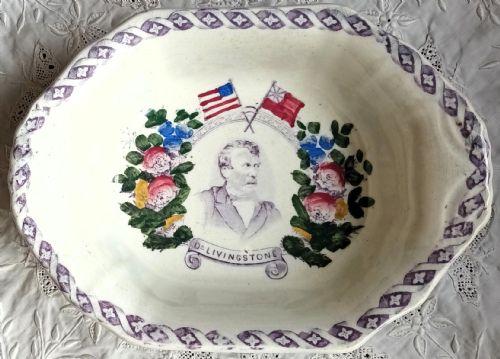


Victorian Scottish Pottery
Victorian scottish pottery brings rugged charm to the home through earthenware figures, slipware bowls and salt-glazed flagons.
Victorian Scottish Pottery
Victorian scottish pottery encompasses a diverse range of 19th-century ceramics, from utilitarian stoneware vessels to decorative earthenware figures. Collectors searching for these pieces encounter utilitarian storage jars alongside commemorative plaques and spirited mantel ornaments.
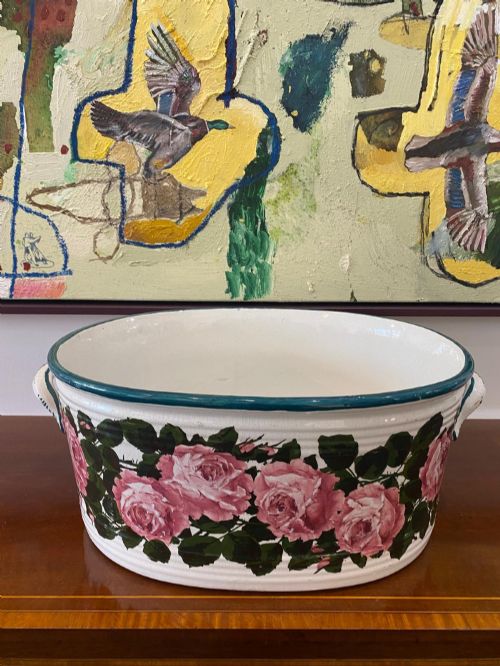
The objects span domestic items like dairy bowls, footbaths and carpet bowls, as well as figural works depicting highlanders, literary characters and historical figures. Many items reflect distinct regional potteries operating across Scotland during the Victorian era.
Figurines and flatbacks dominate the sculptural offerings, often capturing Scottish subjects with naive charm and bright enamel detailing. Functional forms such as whisky flasks and large planters also represent the period's output.
Materials and Methods
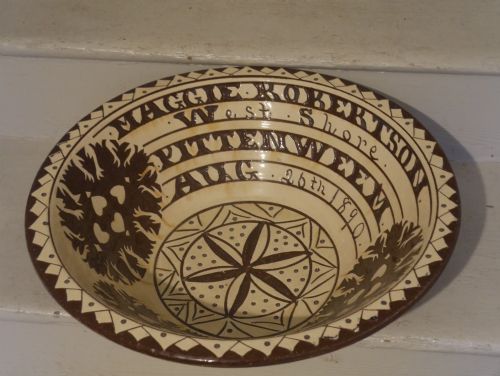
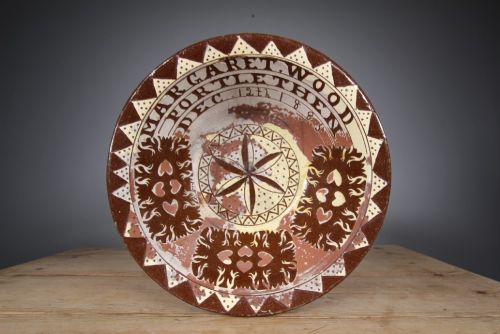
Potters relied on durable earthenware and dense stoneware bodies, shaping them by hand or moulding them into distinctive forms. Lead glazes provided protective coatings while slipware techniques added surface decoration to bowls and utilitarian vessels.
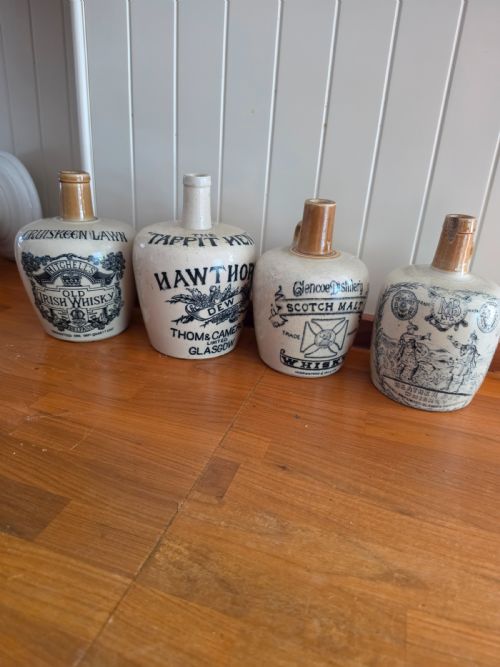
Makers applied hand-painted enamels and occasional gold leaf highlights to bring definition to sculptural figures and commemorative dishes. Stoneware bottles and whisky jugs received salt-glazed finishes designed to withstand heavy daily use.
Victorian Scottish Pottery Retail Price Guide 2026
Typical asking prices for victorian scottish pottery among the pieces listed under this phrase on Sellingantiques today, from the lower quarter to the upper quarter. They describe what is for sale here now, not the wider market.
Sturdy ceramic spaniels with watchful glass eyes stand guard across nineteenth-century Scottish mantelpieces.
Assessing Quality
Quality in these ceramics rests upon the crispness of the moulding and the expressive detail of the hand painting. Superior figural pieces display careful brushwork on faces and garments, whereas lesser examples show hurried or crude enamel application.
The preservation of the original glaze and the clarity of stamped or painted inscriptions also distinguish finer examples. Rarity of subject matter, such as specific literary pairings or named historical figures, elevates the desirability of individual items.
Wemyss·Seaton Pottery·Portobello·Port Dundass
The Victorian Scottish Pottery Glossary
- Slipware
- Pottery decorated with a thin mixture of clay and water applied before firing. This technique creates simple linear patterns or rich overall coatings on bowls and storage jars.
- Flatback
- A ceramic figure designed with a finished front and a flat, unadorned rear. These pieces were intended to sit neatly against a mantelpiece or wall.
- Carpet bowl
- A solid ceramic sphere used in a nineteenth-century indoor lawn bowling game. These colourful balls were rolled across carpets rather than grass.
- Spill vase
- A hollow ceramic vessel designed to hold taper candles used for lighting pipes or lamps. They often accompany figural groups on mantelpieces.
- Stoneware
- A heavy, vitreous ceramic fired at high temperatures until impervious to liquids. It served well for utilitarian whisky flasks and industrial storage vessels.
Victorian Scottish Pottery: Frequently Asked Questions
What were carpet bowls used for?
Carpet bowls were used to play an indoor variation of bowls on nineteenth-century carpets and floors.
Players rolled the dense ceramic spheres towards a smaller jack, much like traditional lawn bowling.
How do I identify a flatback figure?
Flatback figures feature detailed painting and moulding on the front while the back remains flat and unglazed.
This construction allowed the maker to save materials and ensured the piece sat flush against a wall.
Were stoneware flasks used for whisky?
Stoneware bottles and flasks frequently served as containers for commercial spirits and transport.
Their robust salt-glazed fabric prevented liquid seepage during trade across Britain.
Where were Scottish dairy bowls kept?
Dairy bowls were utilised in farm dairies for setting milk and separating cream.
Their heavy earthenware walls and slip glazes helped maintain cool temperatures for dairy products.