
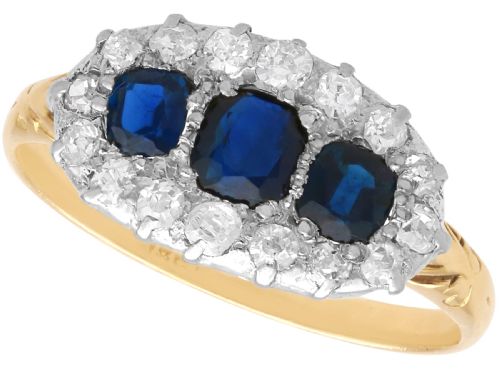


Victorian Sapphire Halo Ring
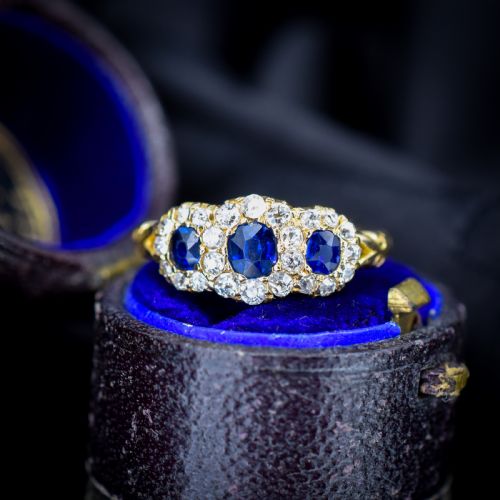
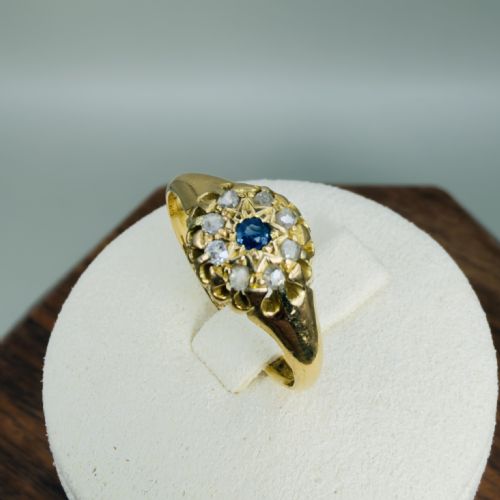
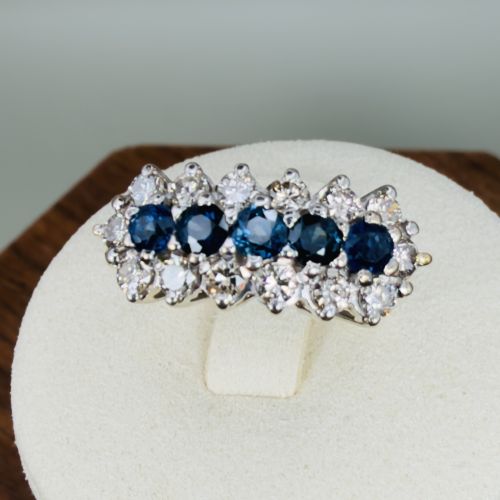
A victorian sapphire halo ring brings together deep blue corundum and shimmering diamonds set in rich 18ct gold.

Victorian Sapphire Halo Ring
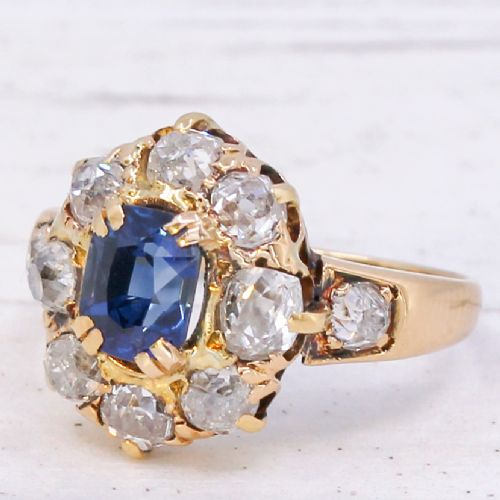
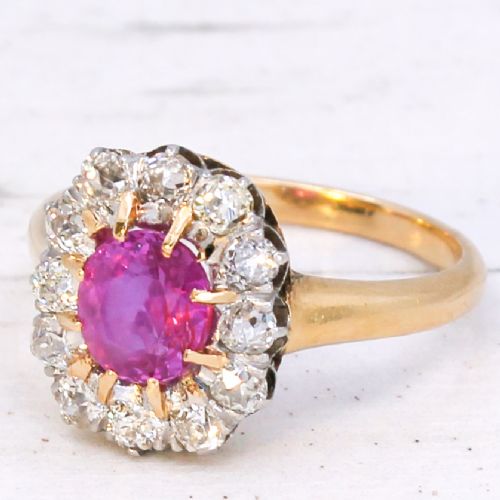
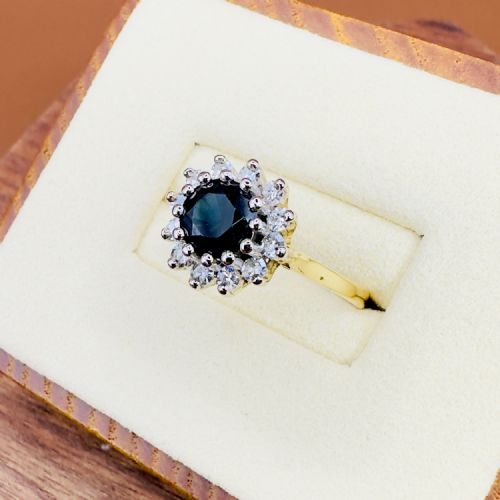
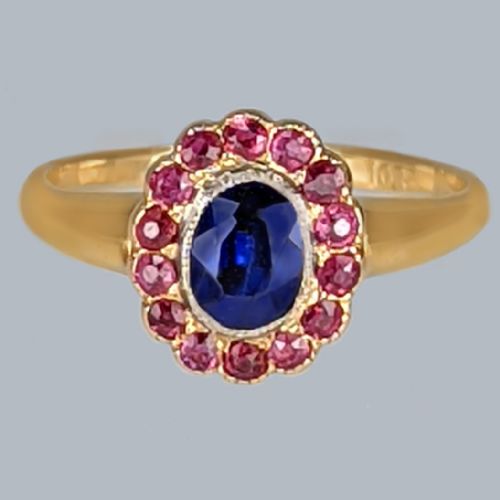
A victorian sapphire halo ring brings together a central sapphire encircled by sparkling diamonds, creating a classic cluster form that dates back to the nineteenth century. Buyers seek these pieces for their undeniable period charm and the striking visual contrast between the deep blue stones and the surrounding gems.
While genuine Victorian pieces sit alongside later revivals, Edwardian items and mid-century examples from the nineteen-fifties and nineteen-sixties, the cluster format remains remarkably consistent. Most examples utilise 18ct gold or 18ct yellow gold as the primary metal, though variations in the shade of the sapphire and the cut of the diamonds give each ring a distinct personality.
The central stone takes many forms, ranging from traditional blue sapphires to unheated Burmese pink sapphires and occasional synthetic replacements. Surrounding diamond work shifts from old mined cut stones to early modern facets, reflecting the hand of the jeweller across different decades.
Materials and construction
Craftsmen built these rings predominantly using 18ct yellow gold, shaping the metal by hand to form secure settings for the central sapphire and its diamond border. The softer purity of nineteenth-century gold allows for warm tones that complement the deep saturation of the corundum.
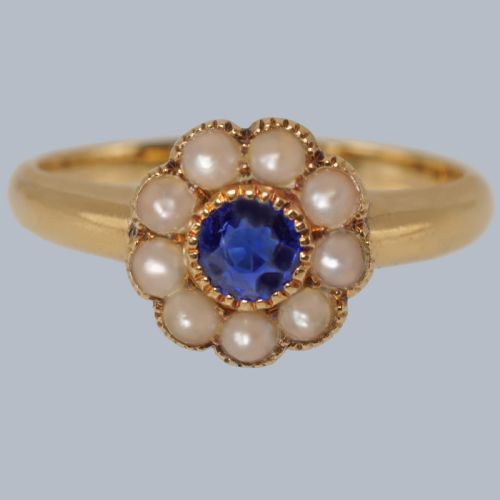
Gems were secured using claw settings or enclosed collets, with old mined cut diamonds individually positioned to catch the candle or gas light of the era. Split pearls also appear in select cluster formations, adding a softer texture alongside the faceted stones.
Some nineteenth-century makers hid tiny floral engravings beneath the stone cluster, offering a secret garden visible only to the wearer.
Assessing quality
Quality rests upon the natural origin and heat treatment status of the sapphire, with unheated stones commanding greater attention from collectors. The depth of the colour saturation and the clarity of the crystal directly influence the visual impact of the central cluster.
The precision of the diamond cutting and the symmetry of the surrounding halo define the overall refinement of the piece. Heavier gold weight in the shank and minimal past repair work indicate a well-preserved survivor from the period.
The Victorian Sapphire Halo Ring Glossary
- Cluster ring
- A ring featuring a central gemstone surrounded by a border of smaller stones, typically diamonds. This arrangement maximises sparkle and presence on the hand.
- Old mined cut
- A vintage diamond cutting style characterised by a cushion shape, high crown and small table facet. These stones were shaped by hand before modern machinery standardised proportions.
- Unheated sapphire
- A natural sapphire that has not undergone thermal enhancement to improve its colour or clarity. Such stones retain their natural geological characteristics.
- Split pearl
- A small pearl cut in half and mounted flush within the gold setting. They provide a delicate, luminous contrast to faceted gemstones in Victorian jewellery.
- Boat ring
- A jewellery design featuring a curved, elongated setting that tapers towards the ends. This shape sits smoothly across the finger.
Victorian Sapphire Halo Ring: Frequently Asked Questions
Are these rings suitable for daily wear?
Sapphire is a durable gemstone, rating high on the hardness scale, which makes it suitable for regular use when properly maintained. However, the age of these antique settings means that gentle handling and periodic checks by a jeweller are sensible precautions.
Owners should remove the jewellery during strenuous tasks or swimming to protect the gold claws and any delicate split pearls.
How do I identify a true Victorian piece?
Examining the construction methods, the style of the gold work and the specific cuts of the diamonds helps determine the age of the ring. Old mined cut diamonds and hand-carved yellow gold settings often point towards the nineteenth century.
Consulting a gemological report provides further clarity on whether the stones and materials align with the stated period.
What is the difference between a cluster and a halo?
In historical terms, the two words often describe the same arrangement of a central stone framed by smaller gems. A cluster traditionally emphasises a dense grouping of varied stones, while a halo specifically denotes a distinct ring of uniform diamonds encircling a larger centre.
Both styles achieve a brilliant focal point on the finger.
Do sapphires come in colours other than blue?
Sapphires occur naturally in a wide spectrum of colours, including pink, yellow, green and purple. Pink sapphires appear in select period pieces, sometimes accompanied by official gem reports detailing their origin.
Each colour variation offers a different aesthetic while maintaining the durability inherent to corundum.