

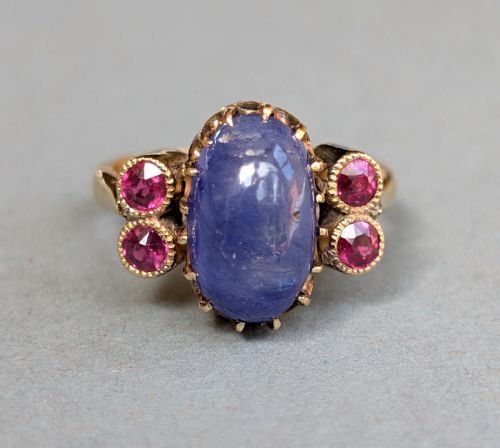

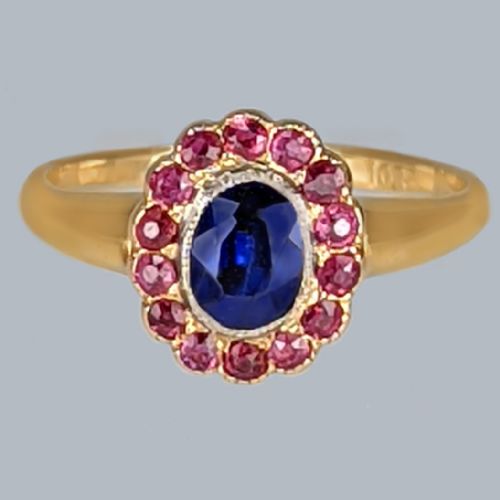
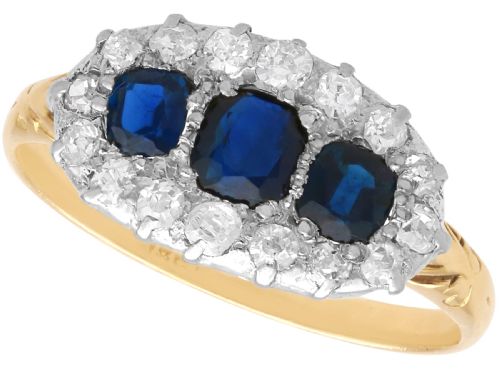


Victorian Sapphire Dress Ring
A victorian sapphire dress ring combines deep blue corundum with antique gold, offering a tangible piece of nineteenth-century craftsmanship.
Victorian Sapphire Dress Ring
When searching for a victorian sapphire dress ring, buyers encounter finger ornamentation typically formed during the nineteenth century or early twentieth century. The selection on this page relies heavily on Victorian and Edwardian periods, alongside later revival years.
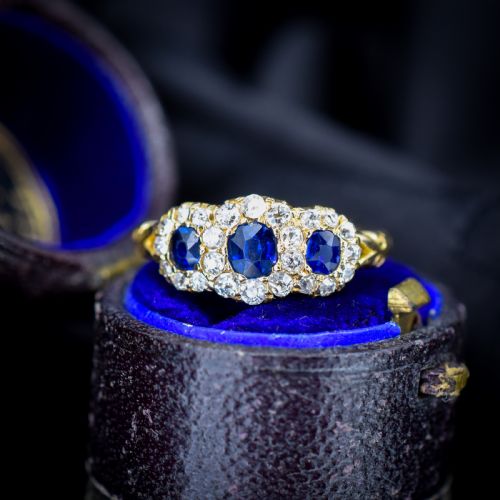
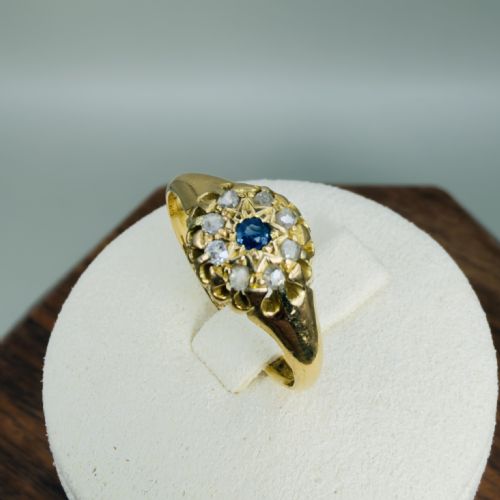
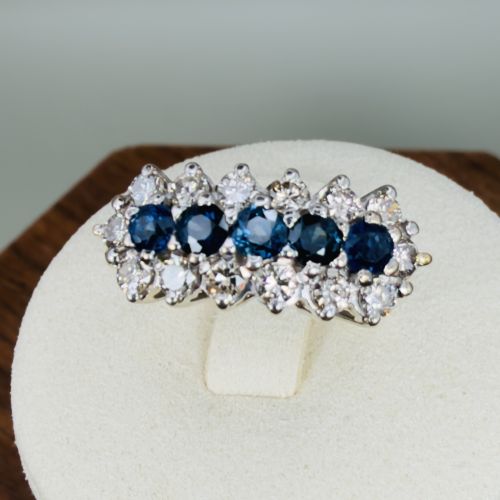
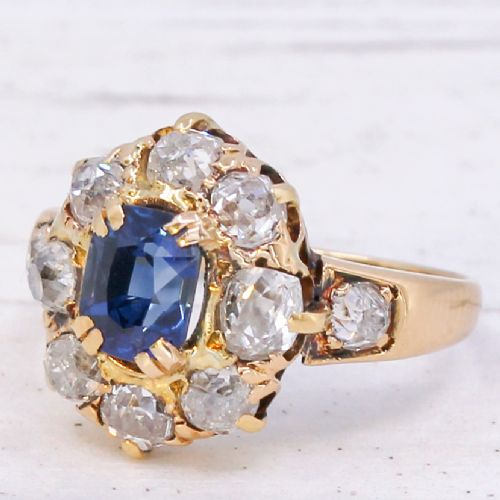
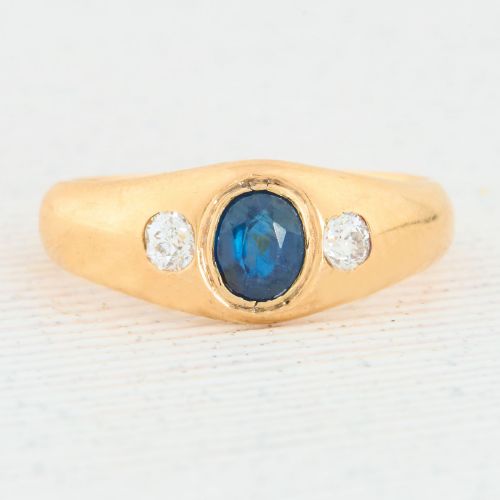
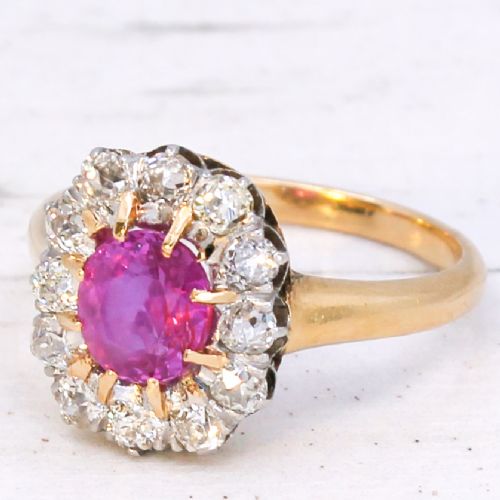
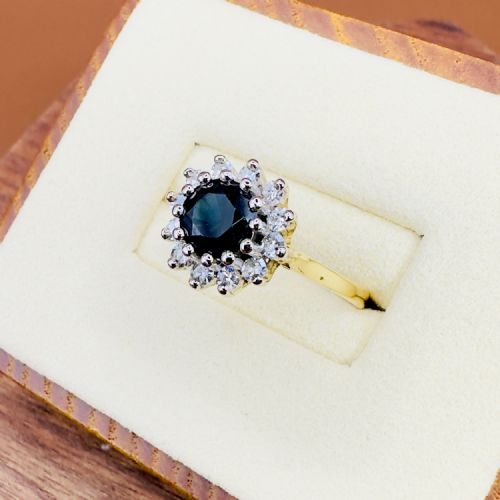
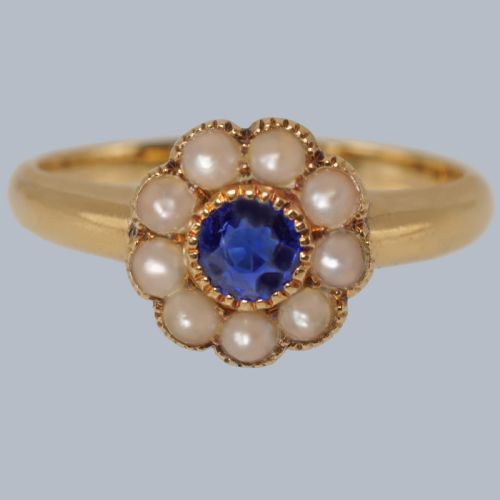
Cluster formations dominate the available pieces, pairing central sapphires with old mined cut diamonds in 18ct yellow gold settings. Alternative configurations such as boat shapes, gypsy mountings, and multi-stone half hoops also appear frequently in the listings.
How they were made
Goldsmiths predominantly utilised 18ct yellow gold and 9ct gold to construct the foundational bands and settings for these rings. Gemstones were hand-set into metal mounts designed to showcase blue sapphires alongside diamond accents.
Lapidaries shaped stones using historical techniques, resulting in old mined cuts and rose cuts that interact differently with light compared to modern machine-cut stones.
Several rings proudly bear regional British hallmarks, including Chester assay office stamps from the late nineteenth century.
What varies in quality
Gemstone origin and treatment status dictate the upper tier of the range, with unheated stones carrying distinct natural properties. The presence of certified natural Burmese or Ceylon origins elevates individual pieces above standard commercial examples.
The weight and proportion of accompanying diamonds relative to the central sapphire shape influence the overall harmony of the cluster or boat design. Metal integrity and the preservation of original claw or bezel settings also determine the standard of survival.
The Victorian Sapphire Dress Ring Glossary
- Cluster ring
- A design featuring a central gemstone surrounded by a border of smaller stones, typically diamonds framing a sapphire. This arrangement maximises visual impact on the hand.
- Boat ring
- A setting shaped like a navette or boat silhouette, stretching horizontally across the finger. It frequently incorporates multiple stones graduating in size.
- Gypsy ring
- A style where stones are flush-set directly into a thick, tapered gold band. The metal surrounds the girdle of the gem securely.
- Old mined cut
- A vintage diamond cutting style featuring a smaller table, higher crown, and open culet. These stones display softer light return than modern brilliant cuts.
- Corundum
- The mineral species encompassing both sapphires and rubies. Trace elements of iron and titanium give sapphires their characteristic blue colouration.
Victorian Sapphire Dress Ring: Frequently Asked Questions
How do I care for a vintage sapphire ring?
Clean your gold and sapphire jewellery using warm soapy water and a soft brush to remove everyday debris from the setting. Avoid harsh chemical cleaners or ultrasonic machines that might disturb historical mountings.
Store antique rings individually in fabric-lined boxes to prevent softer diamonds or gold claws from scratching adjacent pieces.
Can I wear an antique ring every day?
Sapphires score nine on the Mohs scale of mineral hardness, making them durable enough for regular daily wear. However, older settings require mindful treatment during manual tasks to protect delicate gold claws.
Consult a specialist jeweller periodically to check the security of old cut diamonds and sapphires in their original mountings.
What is the difference between Victorian and Edwardian rings?
Victorian rings often utilise heavier 18ct yellow gold and feature bold cluster or gypsy configurations with rich blue stones. Edwardian examples frequently introduce lighter platinum or intricate filigree work alongside diamond-heavy settings.
Both periods overlap in the use of unheated sapphires and traditional hand-cut diamonds, though aesthetic preferences shifted toward lighter lacy designs by the turn of the twentieth century.
How can I tell if a sapphire is unheated?
Natural unheated sapphires exhibit internal crystal growth structures and inclusions that remain unaltered by thermal enhancement. Gemmological laboratory reports provide definitive analysis regarding heat treatment.
Visual examination alone cannot confirm thermal status, making certified documentation essential for evaluating untreated stones.