



Victorian Salt Pots
These Victorian salt pots range from heavy sterling silver novelties to salt-glazed domestic troughs, offering functional charm for the dining table.
Victorian Salt Pots
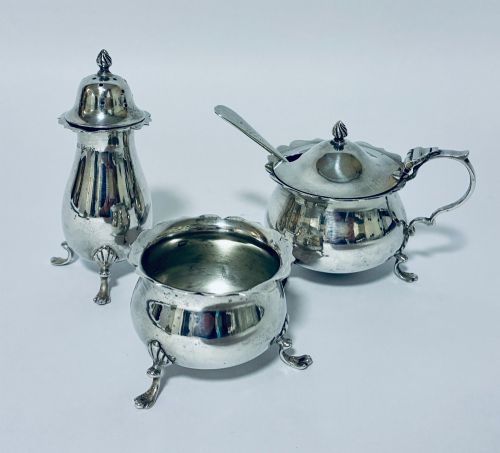
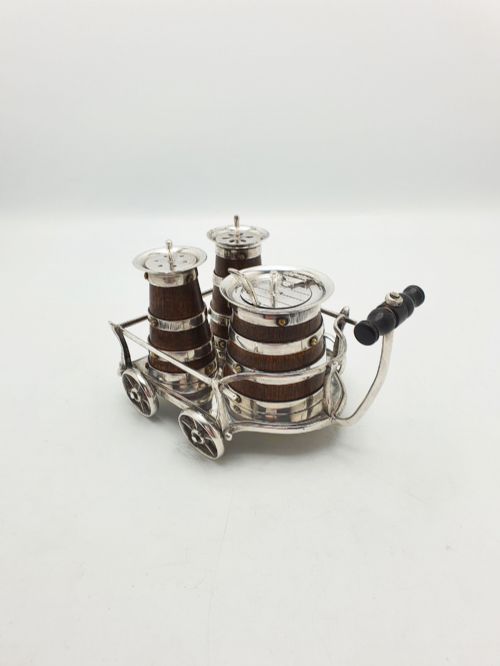
When you search for Victorian salt pots, you encounter a mix of domestic tabletop accessories, cruet sets, and utilitarian vessels spanning the nineteenth century. The selection includes sterling silver open salts with spoons, silver-plated stands, and salt-glazed ceramic crocks.
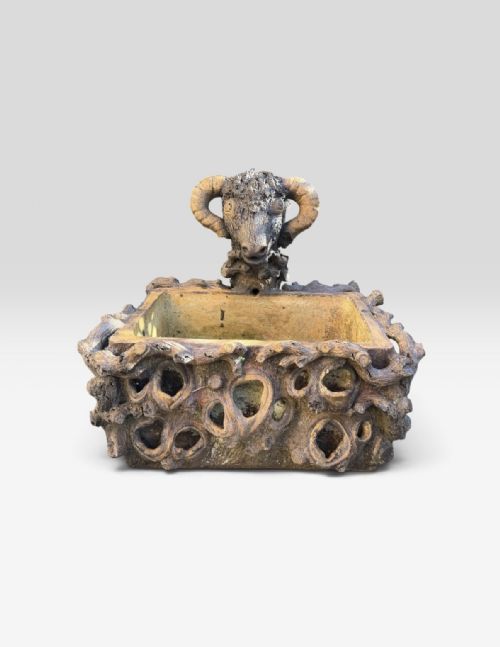
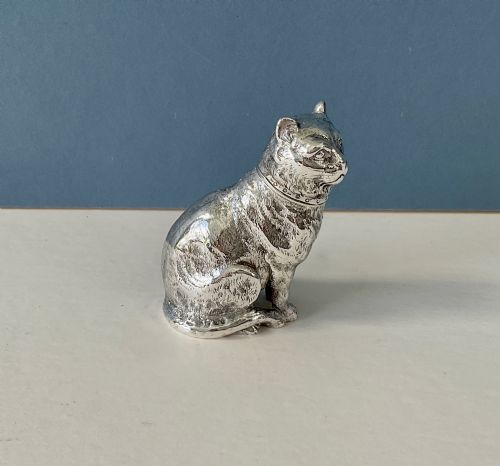
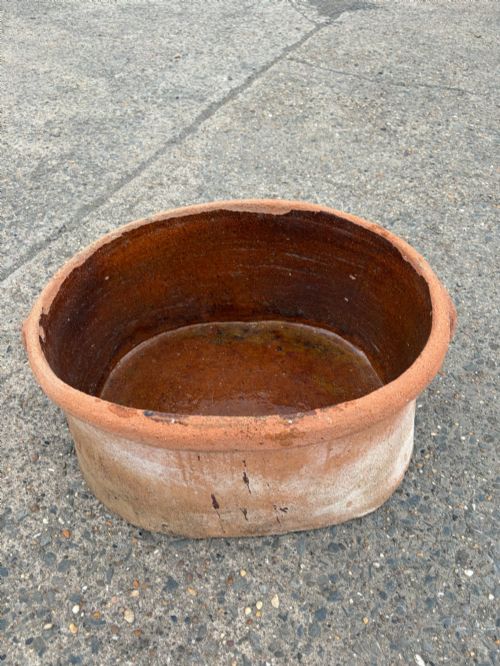
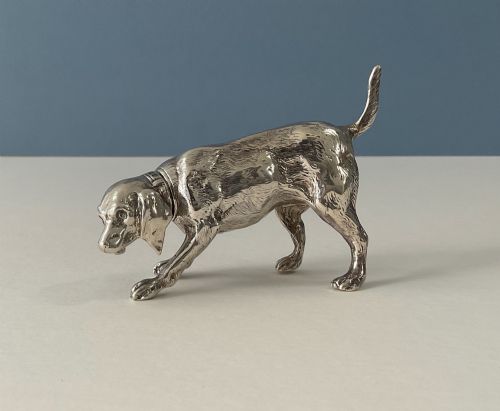
Silver versions from the Victorian and Edwardian periods often take figurative forms such as birds, chicks, owls, dogs, and characters like Mr Punch's dog Toby. Alongside these diminutive table items sit larger nineteenth-century salt-glazed troughs and garden urns used for food storage.
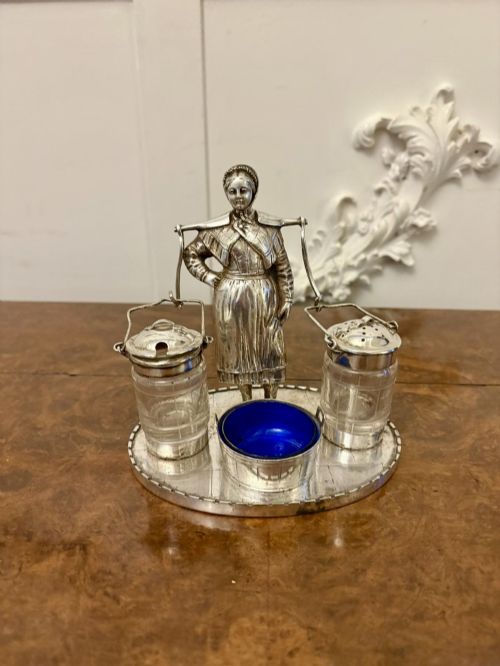
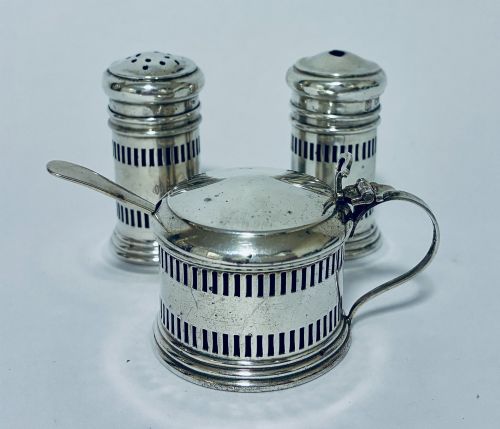
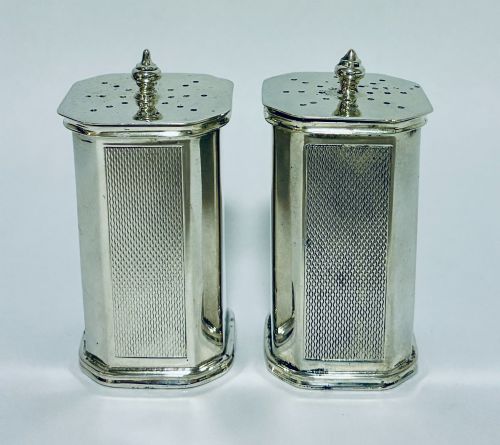
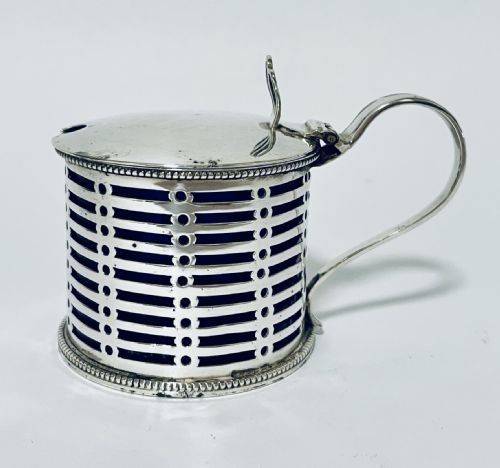
Most pieces date from the Victorian era through to the early twentieth century, incorporating materials like cobalt glass liners within pierced silver frames. Buyers find individual salt cellars, matched pairs, and complete boxed condiment sets including mustard pots and pepperettes.
Materials and construction
Silversmiths employed sterling silver and silver plate to shape intricate figural novelties and pierced condiment frames, often pairing metalwork with deep blue cobalt glass inserts. Ceramic pieces utilise salt glaze and terracotta, resulting in durable earthenware vessels suited for domestic use.
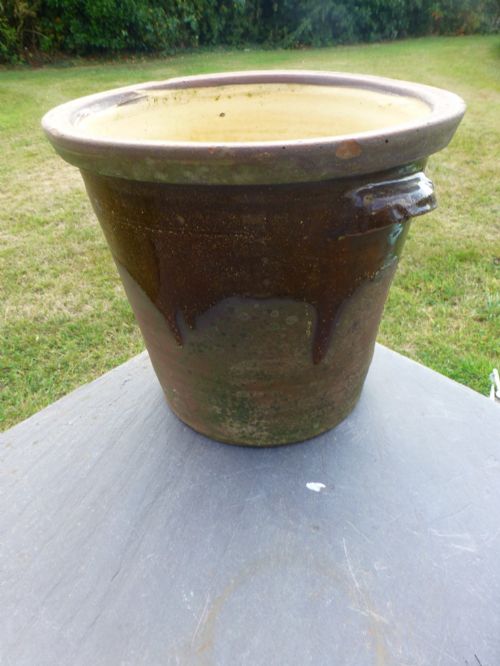
Figural salt and pepper pots relied on detailed casting and engraving techniques to render animal feathers, fur, and facial expressions accurately. Stoneware troughs and planters display traditional salt-glazing methods, where salt is introduced into the kiln during firing to produce a textured orange-peel surface.
Victorian Salt Pots Retail Price Guide 2026
Typical asking prices for victorian salt pots among the pieces listed under this phrase on Sellingantiques today, from the lower quarter to the upper quarter. They describe what is for sale here now, not the wider market.
Judging quality
Quality rests on the crispness of the casting in silver novelties, where finer items retain sharp feather or fur definition without softening. Maker marks and clear hallmarks also distinguish superior silver pieces from unmarked or heavily worn plated alternatives.
For ceramic and stoneware items, the preservation of the salt glaze and the integrity of the earthenware body determine desirability. Complete sets retaining their original fitted presentation boxes and matching liners command greater attention than assembled groups.
Sampson Mordan·C & A Painter·Doulton Lambeth
The Victorian Salt Pots Glossary
- Cruet set
- A matched collection of small bottles, jars, or pots designed to hold condiments like salt, pepper, mustard, vinegar, and oil on the dining table.
- Salt cellar
- An open vessel used to hold salt at the table before the widespread adoption of shaking salt pourers.
- Salt glaze
- A vitreous coating of silicate of soda formed on pottery by throwing salt into the kiln at the height of heat.
- Pepperette
- A small shaker or pot specifically designed for dispensing ground pepper.
- Novelty pepper
- A condiment container cast into an amusing or unusual shape, such as an animal or human figure, popular during the Victorian period.
Victorian Salt Pots: Frequently Asked Questions
How do I clean antique silver salt pots?
Silver pieces require gentle washing in warm soapy water with a soft cloth to remove residue without harming the metal. Avoid abrasive dips or harsh commercial pastes that strip away the natural patina accumulated over decades.
Lined items benefit from removing glass inserts before cleaning the silver frame. Thorough drying prevents moisture retention in crevices and hinges.
Did salt cellars always use spoons?
Open salt cellars traditionally required small salt spoons to transfer the salt to the plate. Diners did not pinch salt directly from formal table salts.
Matched sets frequently include miniature silver spoons designed specifically for this task. These spoons match the period and style of the main salt containers.
What is salt glaze pottery?
Salt glaze is a ceramic finish created by tossing common salt into a hot kiln during the firing process. The sodium vaporises and reacts with the clay to form a glossy, durable skin.
This technique produced robust storage crocks, troughs, and garden urns in the nineteenth century. The resulting surface resists moisture and acids effectively.