

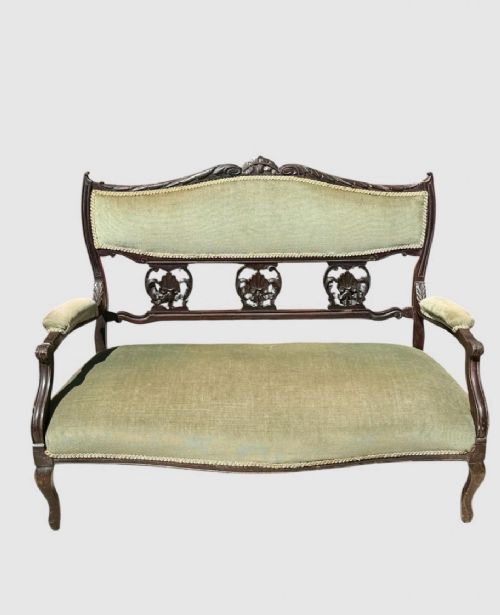


Victorian Salon Settee
A victorian salon settee brings formal nineteenth-century reception rooms into modern homes as a statement seat.
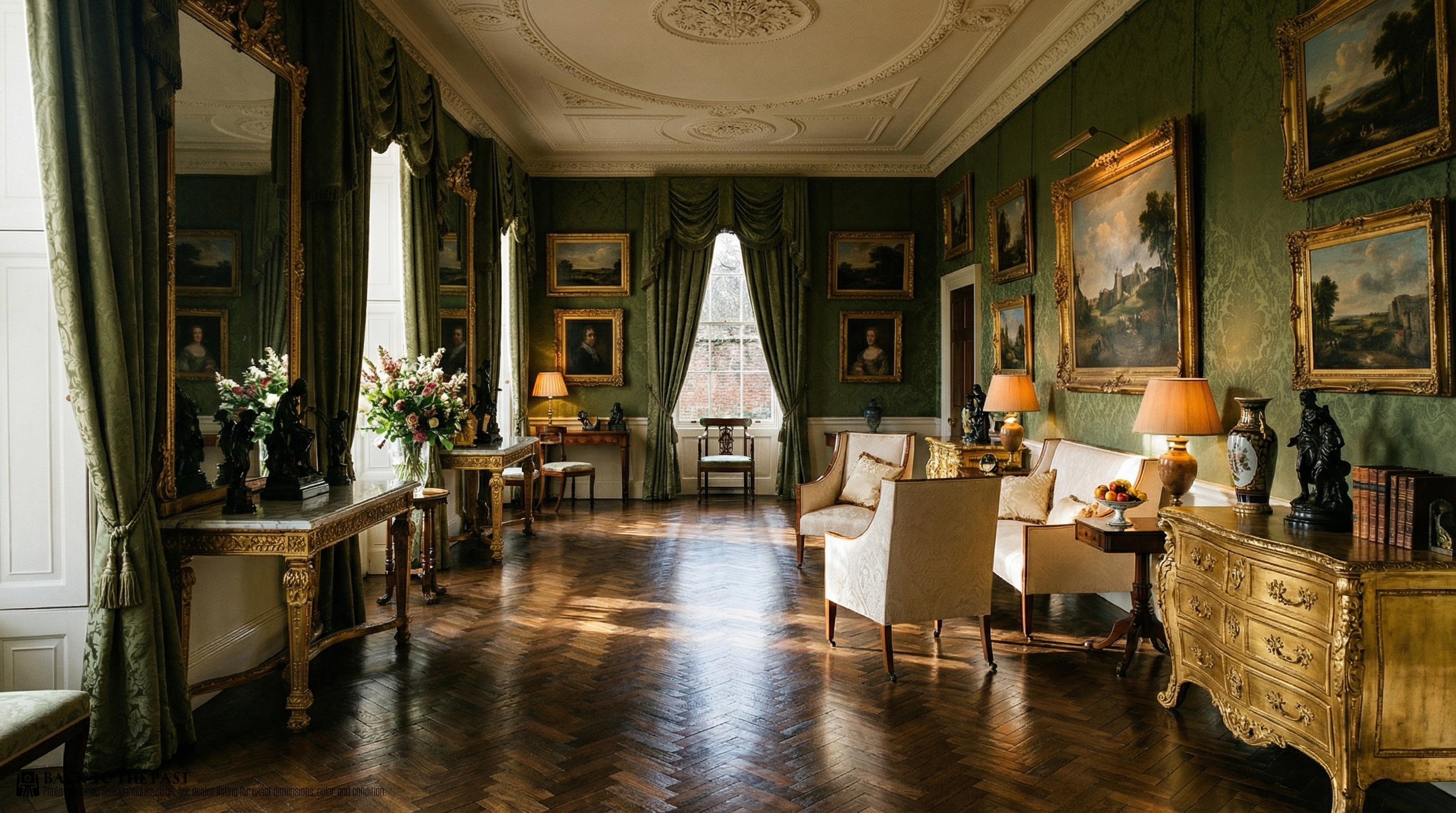
Victorian Salon Settee
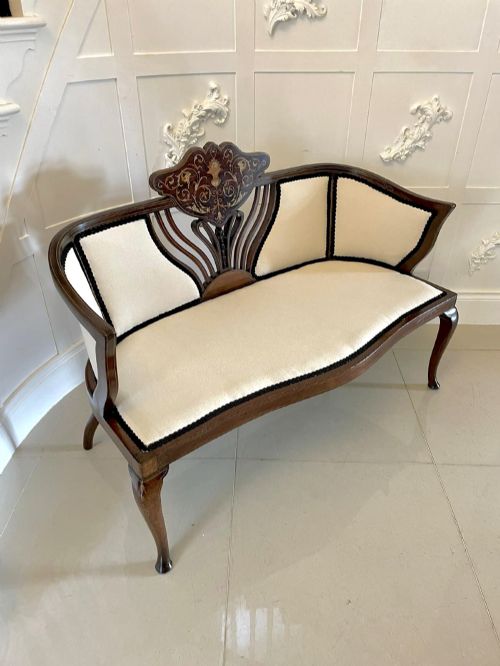
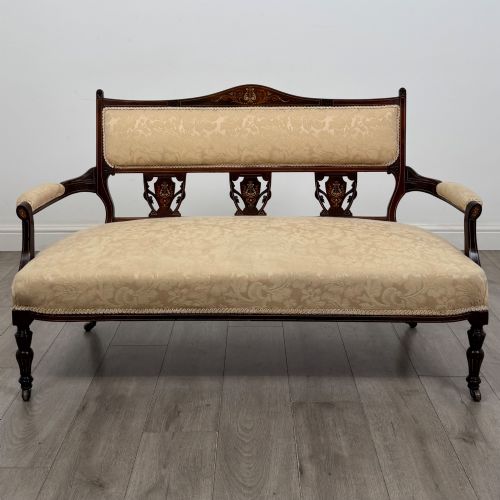
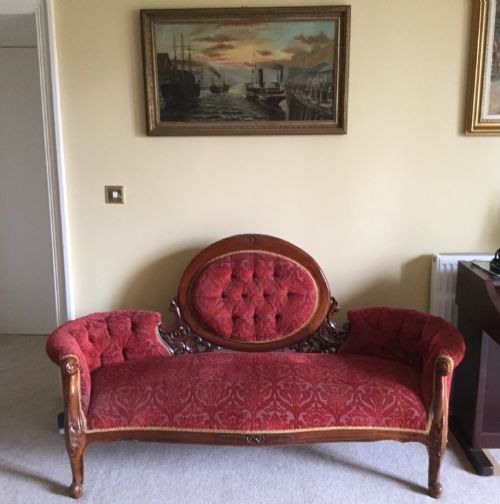
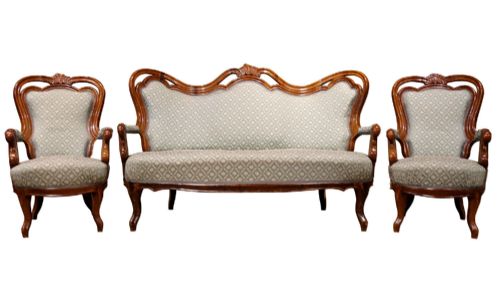
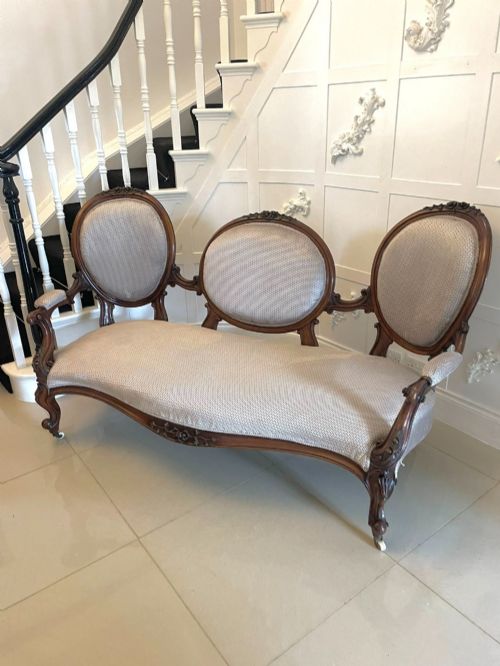
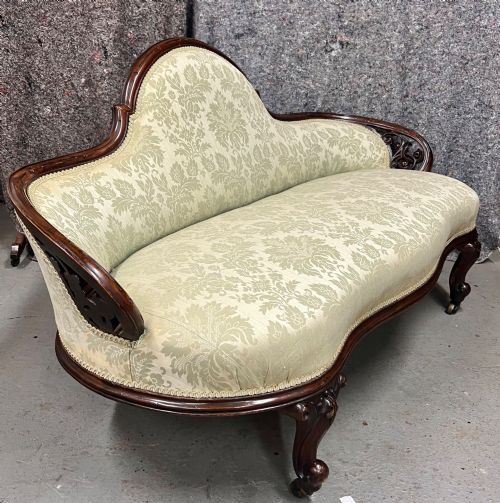
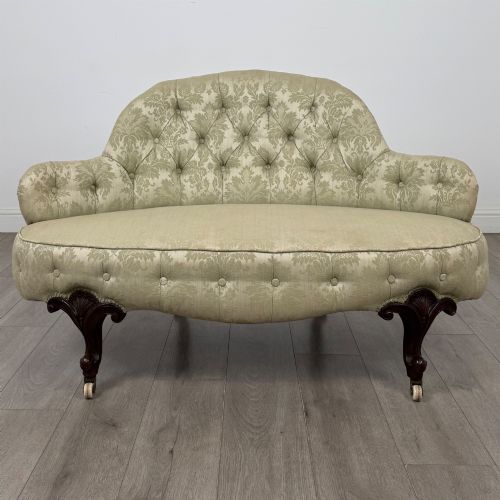
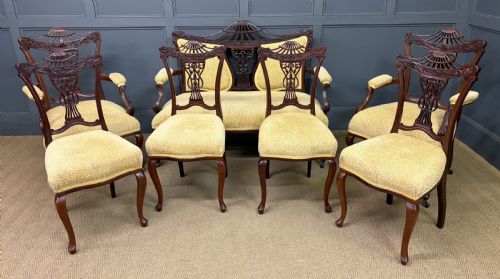
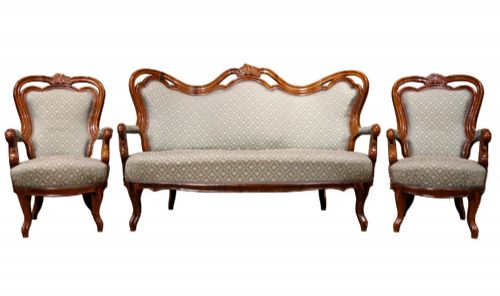
A victorian salon settee serves as a decorative focal point for drawing rooms and reception spaces, originating across the nineteenth century. These seats emerge in various forms, including double-ended sofas, cameo back designs, and parts of larger parlour suites.
Buyers encounter pieces spanning from the mid-nineteenth century through to the early twentieth century. Makers constructed these settees for formal entertaining, combining functional seating with ornate styling suited to period interiors.
How They Were Made
Cabinet makers utilised dense hardwoods such as mahogany and walnut for the visible frames, frequently adding marquetry inlay, giltwood, or ebonised finishes. Selected pieces also incorporate rosewood and satinwood to create contrasting surface details.
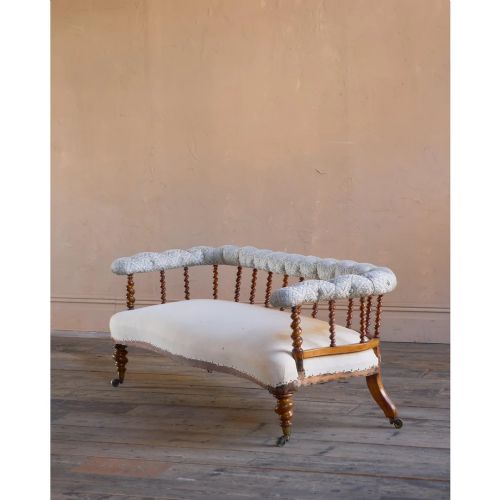
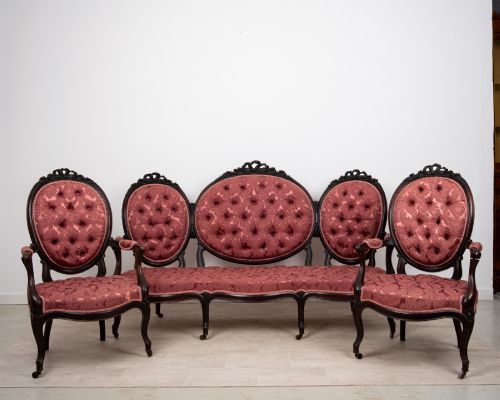
Upholstery techniques involved sprung bases paired with deep buttoning, fabric coverings, and textiles like velvet, damask, and brocade. Carved wooden elements display detailed scrolling, cameo backs, and spindle work executed by hand.
Several Victorian settees come paired with matching footstools, proving that nineteenth-century relaxation involved serious elevation.
What Varies in Quality
Carving depth and precision separate standard production from superior examples. Crisp execution in wooden frames and intricate inlay work indicate higher craftsmanship.
Frame solidity and timber selection define longevity. Robust construction using figured mahogany or walnut supports retained structural integrity over decades of use.
C. Hindley & Sons·Morison & Co Edinburgh·Jas James Shoolbred
The Victorian Salon Settee Glossary
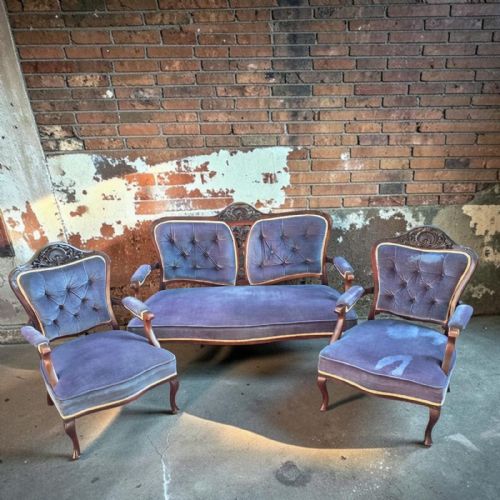
- Salon suite
- A matching set of seating furniture typically comprising a settee alongside armchairs and side chairs intended for a formal drawing room.
- Cameo back
- A chair or settee back shaped with a distinct oval or medallion outline resembling a carved gemstone portrait.
- Double end
- A sofa design featuring scrolled or raised ends of equal height, allowing a person to recline from either direction.
- Marquetry
- Decorative woodwork where thin pieces of contrasting timber or brass are fitted into a veneer to form geometric or floral patterns.
Victorian Salon Settee: Frequently Asked Questions
Where did people put a salon settee?
Nineteenth-century households placed these seats in formal reception rooms, drawing rooms, and parlours where guests gathered for conversation.
Today, owners position them in living rooms, hallways, and large bedrooms as functional decorative furniture.
How do I identify a Victorian sofa?
Look for characteristic timber frames in mahogany or walnut combined with Revival styles or Aesthetic Movement ebonisation.
Construction details often include sprung bases, deep buttoned upholstery, and hand-carved ornamentation typical of the period.
What is a salon suite?
A salon suite is a coordinated group of seating furniture designed in a matching style for a single room.
These collections usually pair a main settee with matching armchairs, side chairs, or footstools.
Can I use an antique settee daily?
These pieces function well in modern spaces when the internal frame remains solid and stable.
Many examples feature durable sprung bases and re-upholstered fabric suitable for everyday seating.