
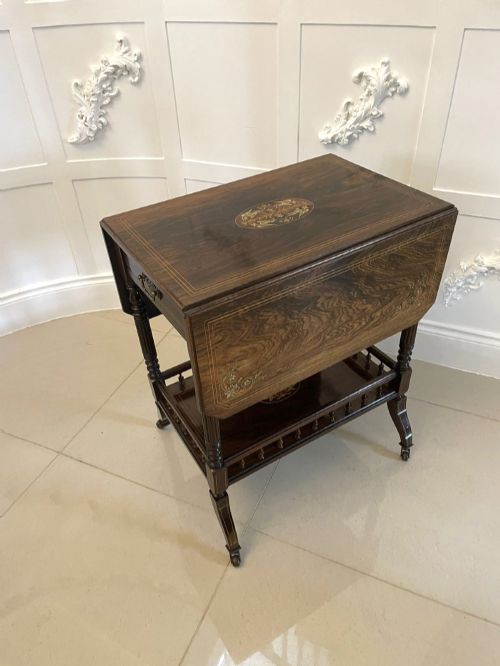
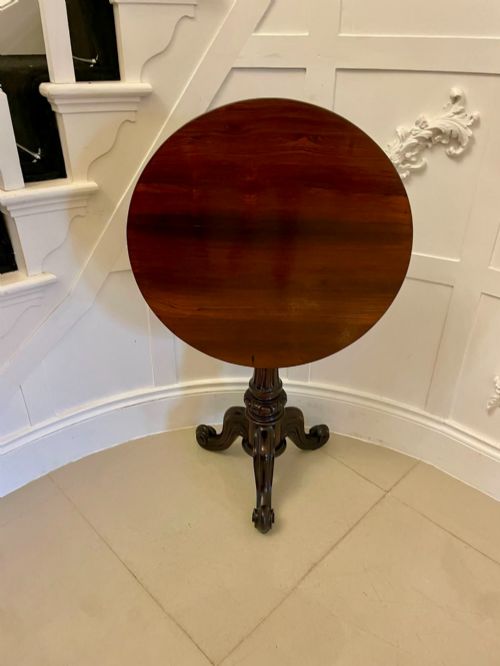
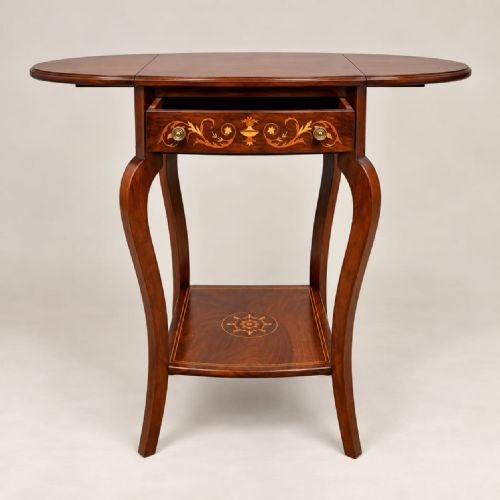
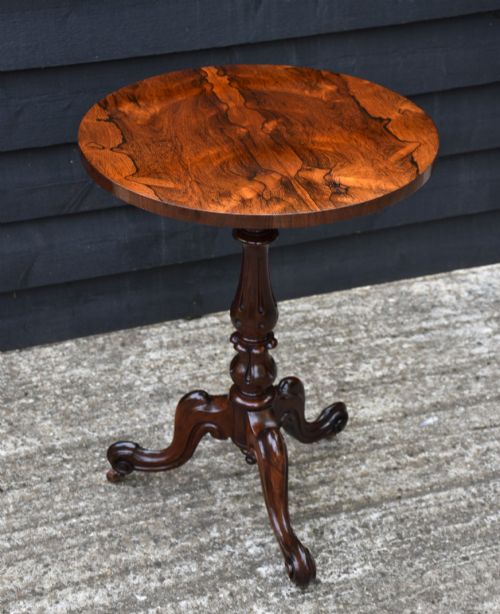
Victorian Rosewood Occasional Table
A victorian rosewood occasional table brings warmth and rich timber grain to a room, serving as a versatile stand for lamps, books or tea.
Victorian Rosewood Occasional Table
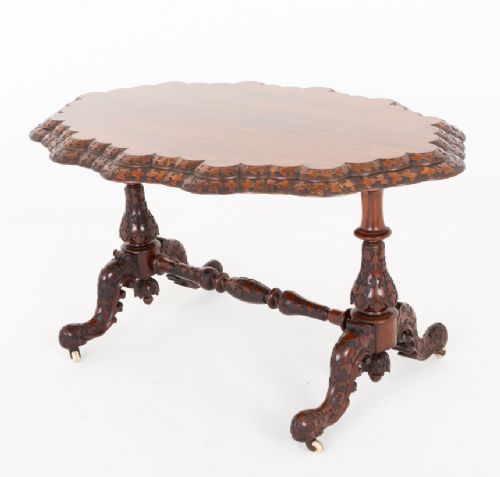
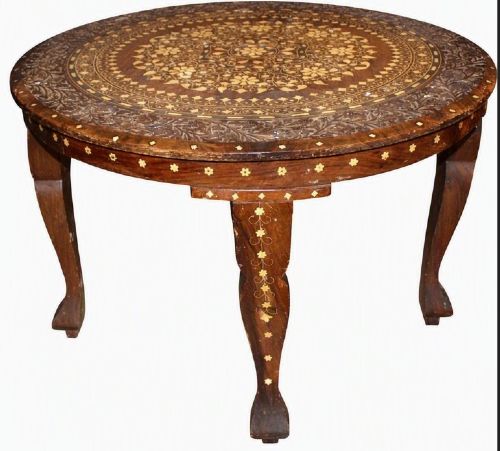
A victorian rosewood occasional table is a small, moveable piece of nineteenth-century furniture designed for specific domestic tasks or general placement around a reception room. The pieces seen on this page span several decades of the nineteenth century, including specific years from the eighteen-fifties through to eighteen-ninety, alongside pieces attributed broadly to the Victorian period.
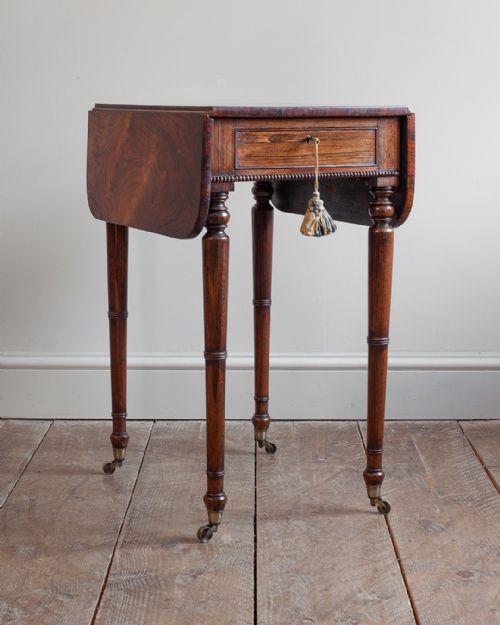
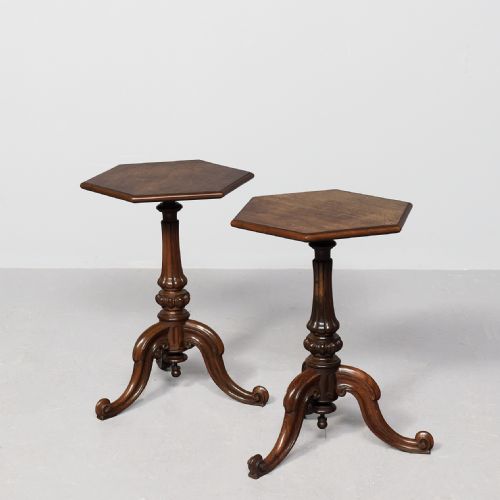
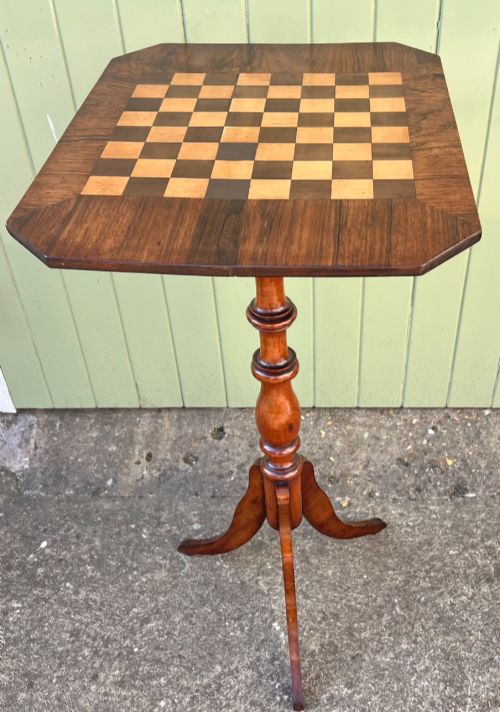
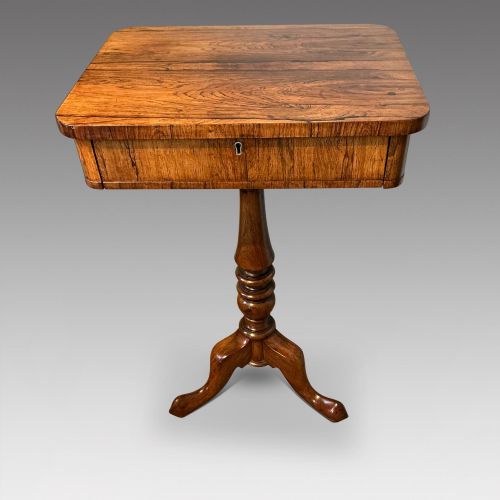
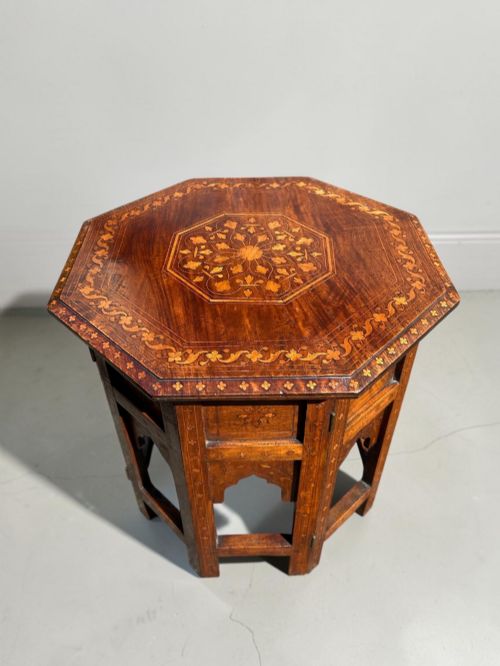
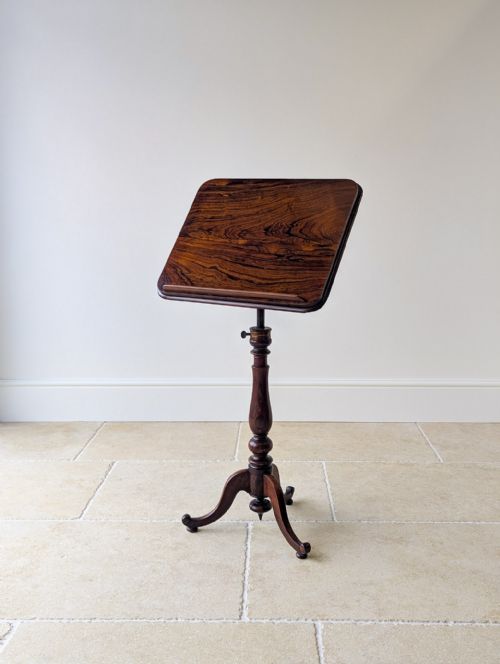
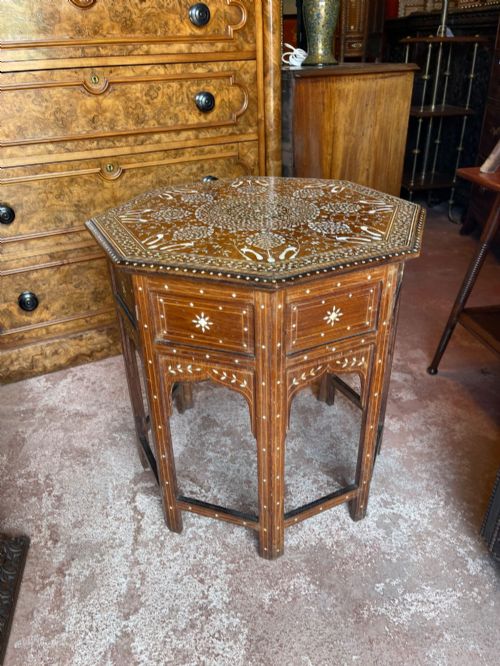
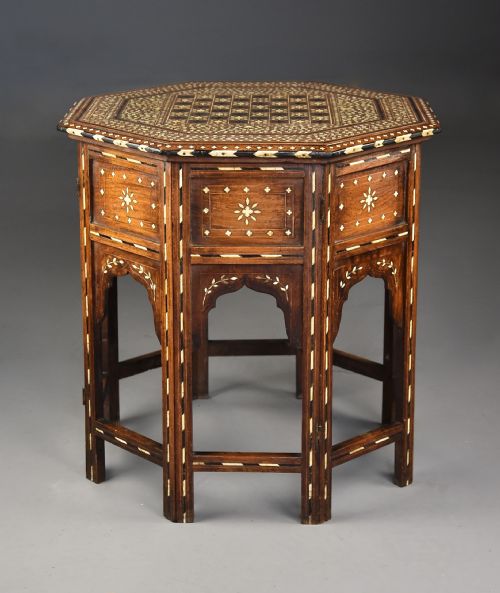
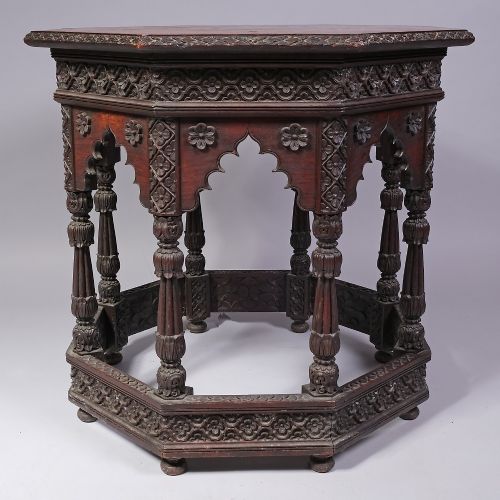
Beyond standard side and lamp tables, the forms recorded in the evidence encompass wine tables, games tables with chess tops, work and sewing tables with compartments, reading stands, and multi-tiered etageres. Makers also produced drop-leaf designs, tripod bases, and octagonal Anglo-Indian variations incorporating intricate regional carving and inlay.
The domestic role of these tables was adaptable, moving easily from beside a sofa to the centre of a parlour. Buyers searching this phrase most frequently encounter circular lamp tables and inlaid occasional tables resting on pillar and tripod supports or barley-twist legs.
Materials and construction
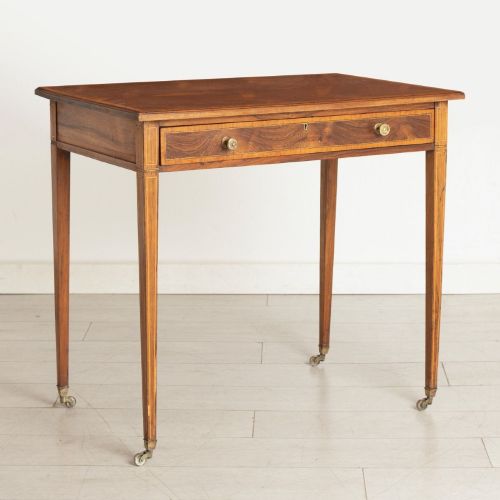
Cabinetmakers built these pieces primarily using dense, dark rosewood, frequently selected for its striking natural grain and deep colour. Workshops enhanced the surfaces of better pieces using contrasting stringing and geometric patterns formed from satinwood, boxwood, ebony, and lighter hardwoods.
Inlay techniques such as marquetry appear regularly across the listings, alongside bone and mother-of-pearl embellishments found on Anglo-Indian pieces imported from centres like Hoshiarpur. Structural supports ranged from turned barley-twist columns and pedestal pillars to delicate spindle galleries and folding tripod legs.
Some tables hid your darning inside folding bags beneath the top, proving the Victorians took their sock maintenance rather seriously.
Distinctions in quality
The standard of a victorian rosewood occasional table is largely determined by the ambition of its timber selection and the precision of its decorative embellishments. Pieces featuring elaborate marquetry, complex wood inlay, or carved bone elements demand greater artisan skill than plain polished surfaces.
Structural stability and the crispness of turned or carved details also separate standard examples from exhibition-grade furniture produced by notable nineteenth-century workshops. The integration of functional elements, such as fitted interior compartments in work tables or smooth drop-leaf actions, reflects the original tier of manufacture.
Edwards and Roberts·Collingson and Lock·Liberty and Co
The Victorian Rosewood Occasional Table Glossary
- Marquetry
- Decorative veneer applied to furniture in patterns and pictures using different woods, metals, or shell. This technique transforms a simple table top into a pictorial surface.
- Occasional table
- A small, moveable table intended for flexible use around a living space. These pieces are easily repositioned for drinks, reading, or display.
- Sutherland table
- A narrow drop-leaf table with hinged flaps that fold down vertically on either side. When opened, the top is supported by swinging gate legs.
- Tearoom table
- An alternative term often associated with low octagonal tables imported from India during the late nineteenth century. They typically feature dense surface carving and folding panel bases.
- Tripod base
- A pedestal support resting on three spreading feet. This configuration provides stable balance for small circular tables on uneven floorboards.
Victorian Rosewood Occasional Table: Frequently Asked Questions
What is an occasional table?
An occasional table is a small, light piece of furniture designed to be moved around a room as needed. In nineteenth-century homes, these tables served temporary duties such as holding a lamp, sewing equipment, or tea.
Unlike heavy dining or console furniture, their compact dimensions allowed servants or family members to reposition them wherever a surface was temporarily required.
How do I spot rosewood?
Rosewood is characterised by a heavy, dense weight and a deep dark brown or purplish colour marked by contrasting black grain lines. It takes a high polish and often displays a naturally oily texture.
Over decades of exposure to light, the timber develops a rich patina that differentiates it from lighter fruitwoods or stained mahogany.
Where were they used?
These tables found places primarily in drawing rooms, parlours, and boudoirs of Victorian homes. They stood beside armchairs, against walls as side pieces, or in the middle of rooms as display surfaces.
Specialised forms like chess tables and work tables provided dedicated spaces for evening recreation and needlework.
What is Anglo-Indian furniture?
Anglo-Indian furniture refers to pieces made in India by local craftsmen during the British colonial period, often following European furniture forms. They frequently utilise dense tropical hardwoods like padauk or teak.
These items are easily distinguished by dense overall surface carving, geometric bone inlay, and collapsible octagonal bases.