

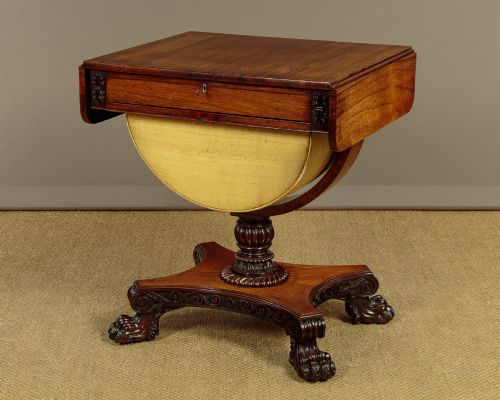
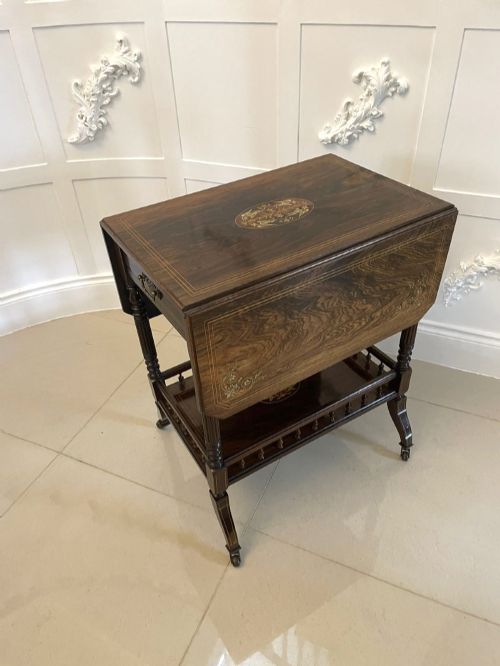
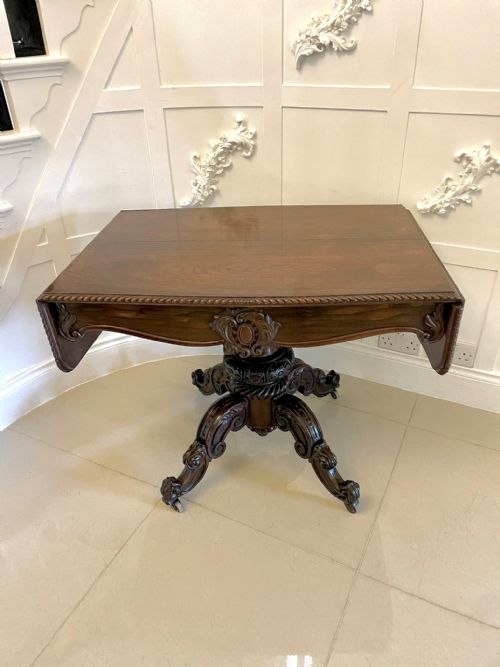


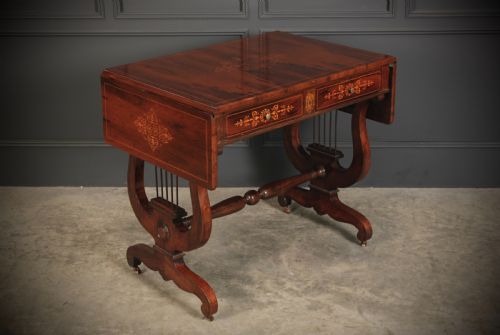


Victorian Rosewood Drop Leaf
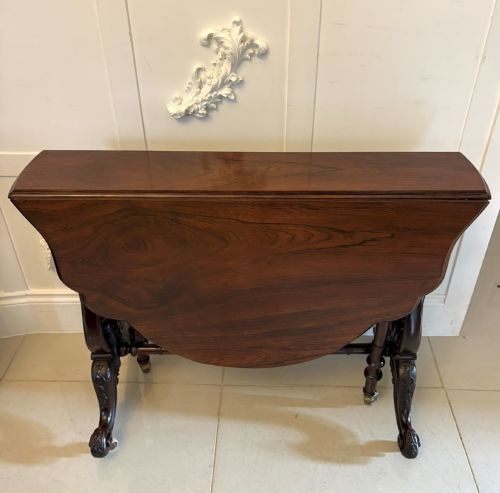
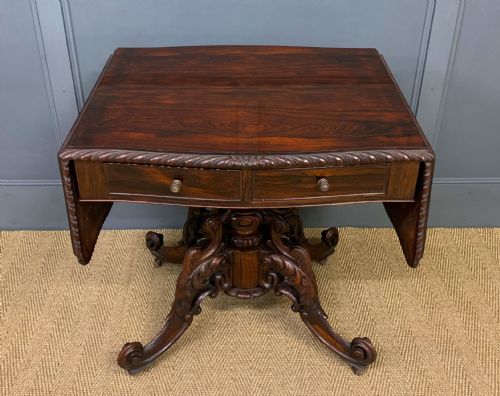
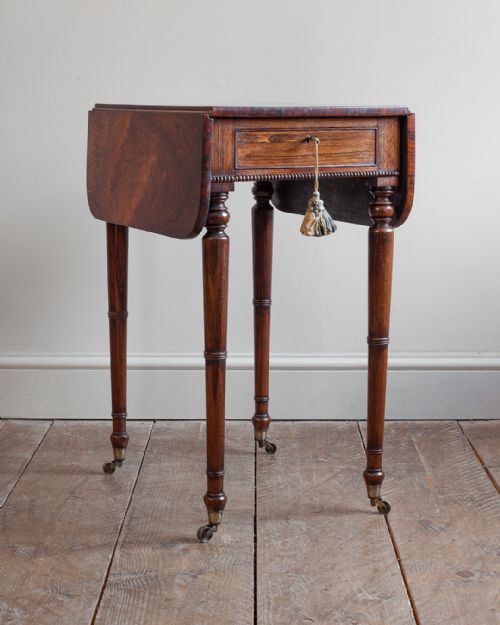
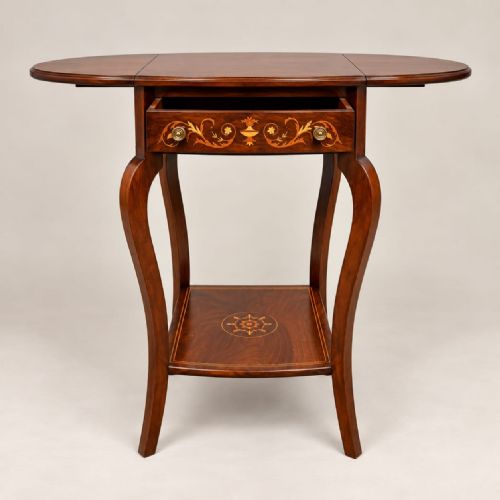
These Victorian rosewood drop leaf tables are practical surfaces and folding furniture designed to save space while adding rich timber grain to a room.
Victorian Rosewood Drop Leaf
A victorian rosewood drop leaf table is a versatile piece of furniture designed with hinged flaps that fold down to save floor space or lift up to extend the surface. These items appear in various forms across this selection, including occasional tables, side tables, sofa tables, games tables, and work tables.
The pieces span several periods and styles, with strong representation from the nineteenth century, Victorian era, and Regency period, alongside William IV and Edwardian examples. Forms range from tripod tables and triangular designs to Sutherland tables and pembroke tables.
Makers and workshops of the era produced these tables for multiple domestic uses, including sewing, writing, and tea service. Buyers will find variations from simple side tables to intricately inlaid marquetry and satinwood pieces.
Materials and Construction
Cabinet makers utilised dense rosewood timber for the primary structures, often selected for its dark grain and polished finish. Secondary woods and framing elements sometimes incorporated mahogany alongside the main rosewood sections.
Surface decoration frequently involved satinwood inlay, boxwood stringing, and marquetry techniques to create contrasting patterns on the tops and flaps. Brass fittings, castors, and silk or fabric components appear on specific functional forms such as work tables and games tables.
Victorian Rosewood Drop Leaf Retail Price Guide 2026
Typical asking prices for victorian rosewood drop leaf among the pieces listed under this phrase on Sellingantiques today, from the lower quarter to the upper quarter. They describe what is for sale here now, not the wider market.
Materials recorded across the inventory include rosewood, satinwood, mahogany, boxwood, brass, silk, and fabric.
Markers of Quality
The fineness of the timber grain and the precision of the satinwood inlay or marquetry set better examples apart from simpler items. Crisp carving on the bases and the integration of functional elements like drop flaps indicate higher workshop standards.
Structural stability in the drop leaf mechanism and the condition of the polished rosewood surface determine the grade of the piece. Tables bearing attribution to known makers like Gillow command particular attention for their construction standards.
Gillow
The Victorian Rosewood Drop Leaf Glossary
- Drop leaf
- A table featuring hinged flaps on the sides that can be folded down to reduce the footprint or raised to expand the surface area. This design allowed furniture to be tucked away against a wall when not in use.
- Sutherland table
- A narrow style of drop leaf table where the leaves are exceptionally wide and the underframe folds flat when the flaps are dropped. It became popular during the Victorian period for tea and occasional use.
- Pembroke table
- A small rectangular table with two hinged flaps and typically a single drawer beneath the top. It originated in the eighteenth century and remained popular through the Regency and Victorian eras.
- Marquetry
- The art of applying pieces of veneer to a structure to form decorative patterns and pictures. Makers used contrasting woods like satinwood and boxwood to create floral or geometric motifs on table tops.
- Work table
- A specialised piece of furniture designed for sewing and needlework, often fitted with internal compartments, drawers, or an attached fabric bag. These items combined utility with decorative cabinet work.
Victorian Rosewood Drop Leaf: Frequently Asked Questions
How do I use a drop leaf table in a small room?
Keep the leaves dropped against the sides to use the piece as a narrow console or side table against the wall. Raise one or both flaps when you need an extended surface for dining, writing, or displaying objects.
The folding mechanism allows the furniture to adapt quickly to the space available in the room. This flexibility made them popular in nineteenth century parlours and drawing rooms.
How do I care for antique rosewood furniture?
Dust the timber regularly with a soft, dry cloth and avoid placing the table in direct sunlight or near heat sources. Excessive temperature changes can cause the rosewood and any inlaid veneers to dry out or split.
Apply a microcrystalline wax polish occasionally to maintain the sheen of the polished wood. Keep fabric components on work tables protected from moisture and direct sunlight.
How can I tell a Victorian table from a Regency one?
Regency tables often display neoclassical influences with clean lines and subtle brass mounts. Victorian pieces tend to feature heavier proportions, richer carving, and more elaborate marquetry or satinwood inlay.
Examination of the secondary timbers and construction methods can also help confirm the period of manufacture. Stylistic shifts between the early nineteenth century and the later Victorian era are visible in the turning and leg designs.