




Victorian Rosewood Bench
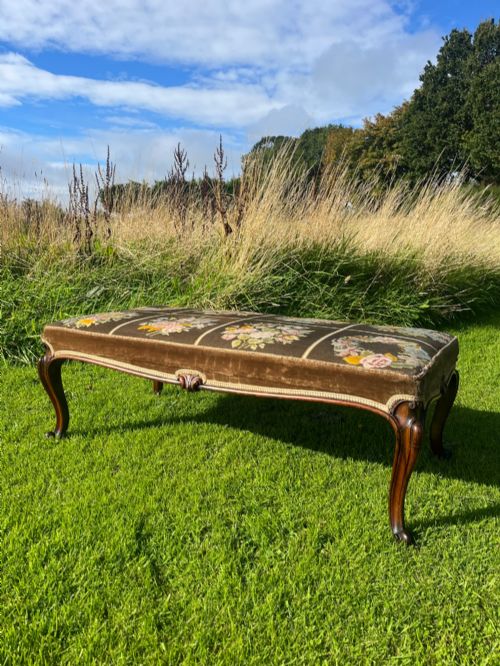
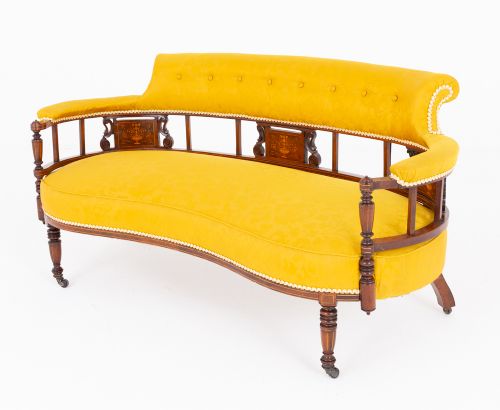
These Victorian rosewood bench options bring solid timber frames and period upholstery into your room, offering genuine nineteenth-century character for daily sitting.
Victorian Rosewood Bench
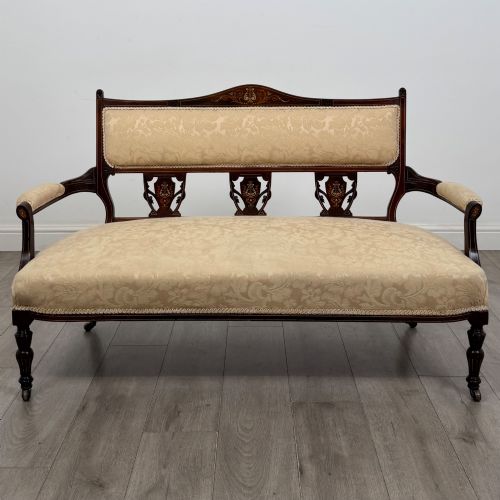
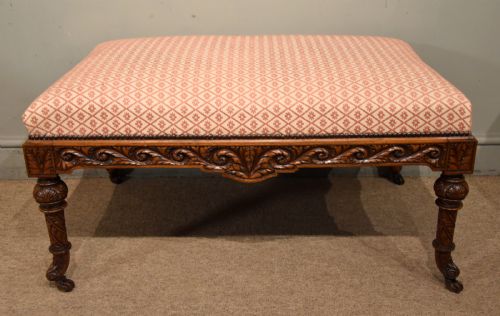
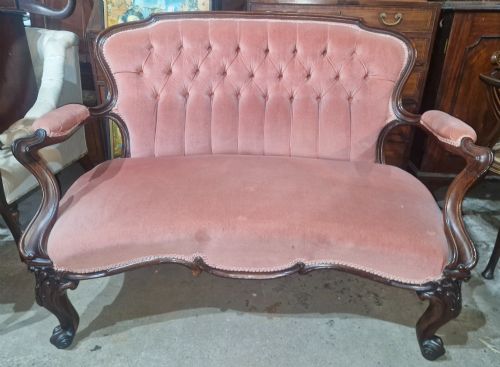
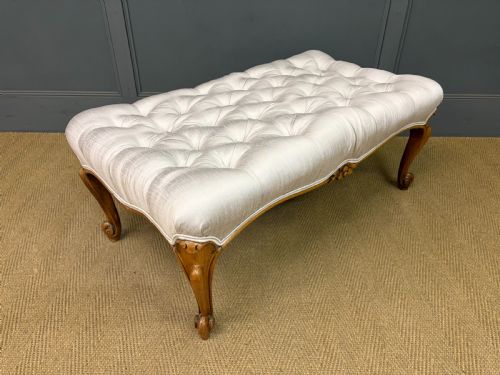
A victorian rosewood bench encompasses a diverse group of nineteenth-century seating forms, including window seats, footstools, ottomans, settees, and chaise longues. You are most likely to encounter oblong centre stools, window seats, and compact benches carrying Victorian, Early Victorian, or Mid-Victorian attribution.
Makers produced these seating pieces in various regional styles, ranging from standard Victorian designs to Anglo-Indian interpretations and Neoclassical Revival forms. The physical formats span from liftout upholstered seat stools to scroll back benches and conversation seats originating between 1850 and 1880.
How they were made
Workshops built these frames using dense rosewood timber, frequently incorporating carved details, brass fittings, and structural elements like cabriole legs or X-frames. Artisans shaped the dense wood manually before finishing the surfaces to highlight the natural grain.
Upholstery techniques involved traditional stuffing methods covered in various textiles, including velvet, damask upholstery, and standard upholstery fabric. Many surviving examples retain or require replacement fabric to match the original padding specifications.
Victorian Rosewood Bench Retail Price Guide 2026
Typical asking prices for victorian rosewood bench among the pieces listed under this phrase on Sellingantiques today, from the lower quarter to the upper quarter. They describe what is for sale here now, not the wider market.
Listings feature 19th-century periods including 1850, 1860, 1870, 1880, and George IV eras.
What varies in quality
The degree of hand-carved ornamentation and the crispness of detail on the rosewood frame separate standard production pieces from finer workshop outputs. Superior examples display precise joinery, substantial proportions, and sophisticated framing like X-frames or scroll backs.
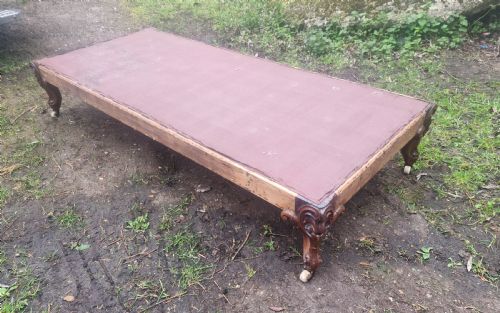
The integrity of the underlying timber and the retention of original structural components dictate the overall merit of an item. Pieces requiring extensive timber restoration or complete reupholstering sit differently in the market compared to preserved examples.
Charles Nosotti·Angerstein
The Victorian Rosewood Bench Glossary
- Rosewood
- A dense, dark timber prized for its rich grain and heavy weight, utilised extensively for high-end nineteenth-century furniture frames. It takes a fine polish and shows deep reddish-brown colour variations.
- Cabriole leg
- A furniture leg that curves outward and then tapers inward, finishing in a pad or scroll foot. This shape appeared frequently on mid-nineteenth-century seating frames.
- Window seat
- A long, narrow bench designed specifically to fit into the recess of a window bay. These pieces often feature upholstered tops and low arms or scroll backs.
- Ottoman
- A low, upholstered seat without arms or a back, frequently built in large proportions. Nineteenth-century versions served as central room seating or foot rests.
- Centre stool
- A freestanding stool finished on all sides for placement in the middle of a room rather than against a wall. They often feature generous padding and robust timber underframes.
Victorian Rosewood Bench: Frequently Asked Questions
How do I use a Victorian bench today?
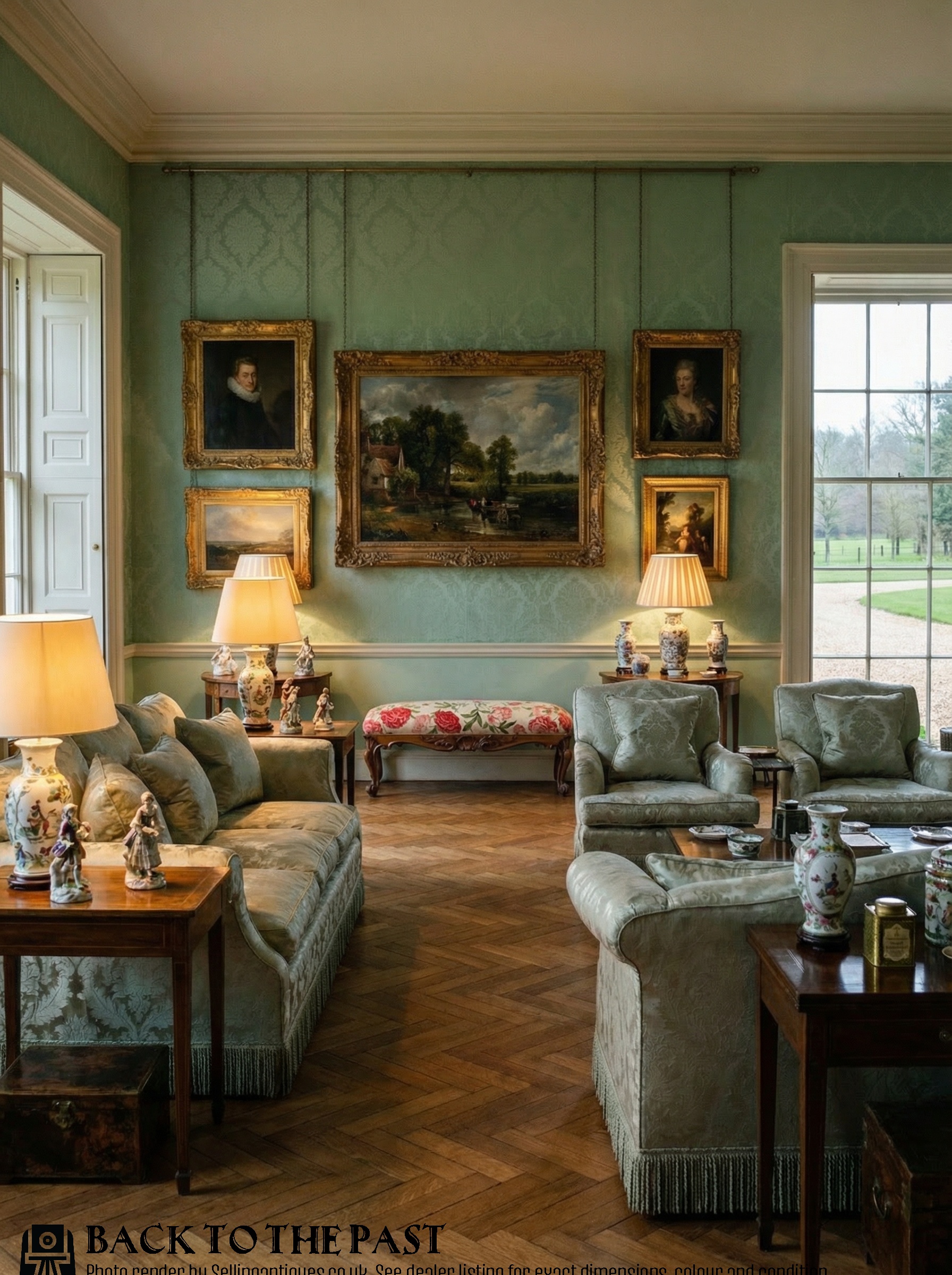
These pieces fit well at the foot of a bed, beneath a window, or as a central seating element in a living space. Their sturdy timber frames support regular daily use.
Many examples function effectively as coffee table alternatives when topped with a rigid tray, or provide extra seating in a hallway or reception room.
What is an Anglo-Indian rosewood bench?
Anglo-Indian pieces reflect nineteenth-century furniture production created in India for British markets or expatriates. They typically feature distinct, deep hand-carving and regional design motifs.
These items utilise local rosewood stock combined with traditional British seating forms, resulting in heavier ornamentation than standard domestic production.
Are these benches comfortable for sitting?
Comfort depends entirely on the condition of the internal padding and the firmness of the traditional upholstery layers. Many period examples provide firm support through coiled springs or horsehair stuffing.
Some pieces are sold specifically for reupholstering, meaning the buyer will need to renew the interior webbing and padding to achieve modern comfort levels.
How do I date a rosewood bench?
Dating relies on stylistic clues such as cabriole legs, X-frames, scroll backs, and specific Victorian or George IV design markers. Catalogued dates span from 1840 through the 1880s based on construction traits.
Cabinetmaker signatures or stamps, where present on the timber frame, offer definitive attribution to specific makers working during the nineteenth century.