
Victorian Rose Gold
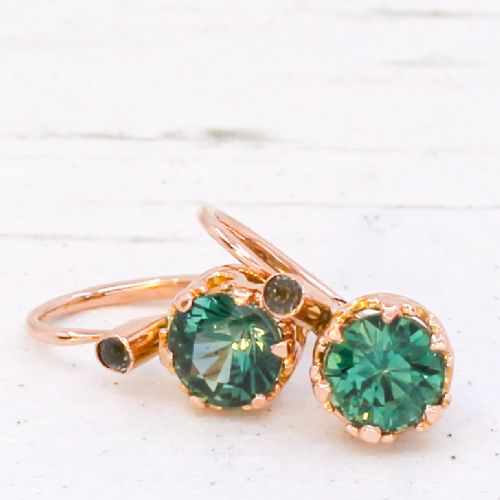
Victorian rose gold encompasses distinct jewellery pieces shaped by nineteenth- and early-twentieth-century traditions, offering buyers a warm, coppery metallic hue prized for personal adornment.
Victorian Rose Gold
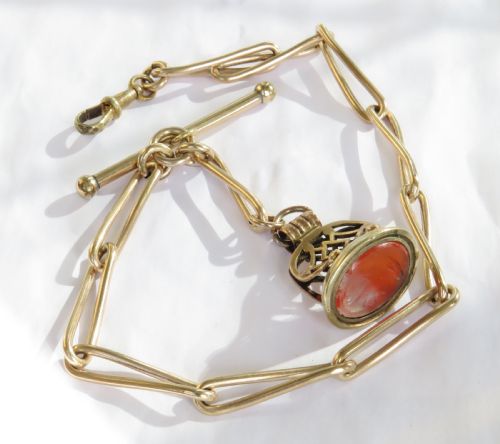
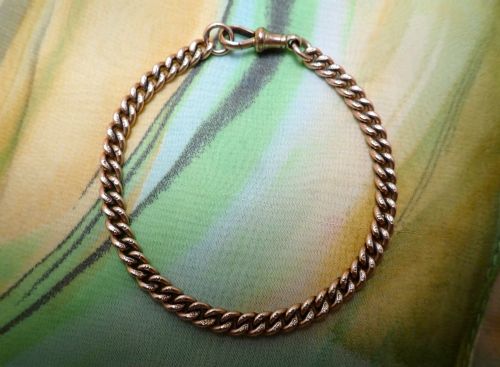
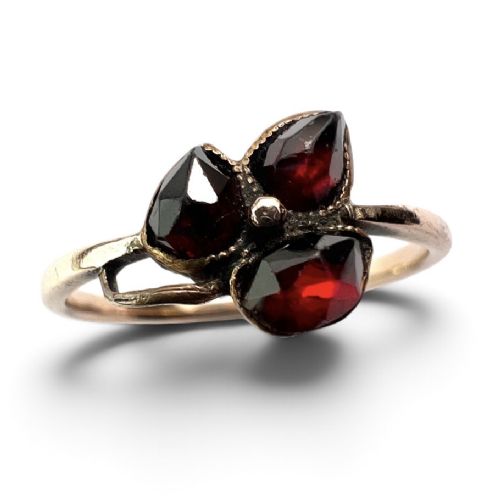
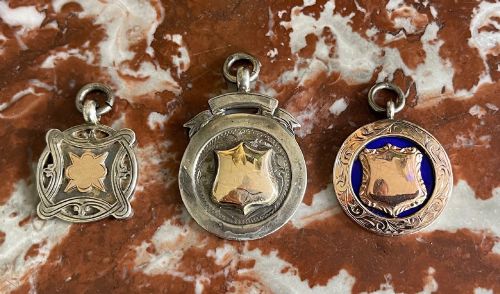
Victorian rose gold primarily comprises wearable personal adornment spanning bracelets, rings, necklaces, and lockets originating from the nineteenth century into the Edwardian era. Buyers encounter substantial curb link bracelets secured with heart padlocks, alongside long watch chains, guard chains, and spinning fobs.
Beyond standard jewellery, items span novelty pins, propelling pencils, and various linked watch chains adapted for contemporary wear. These items reflect domestic British metalworking output from Birmingham and regional assay offices.
How they were made
Makers utilised nine-carat and fifteen-carat gold alloys, blending yellow gold with copper content to achieve the distinct rosy hue characteristic of the period. Metals were beaten, drawn into wire, and hand-engraved with foliate patterns or geometric motifs.
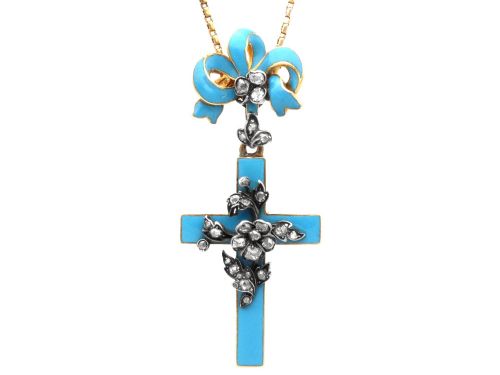
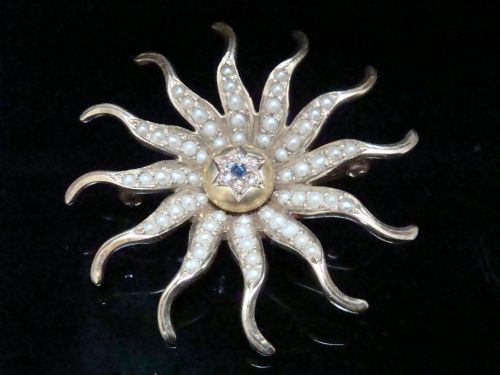
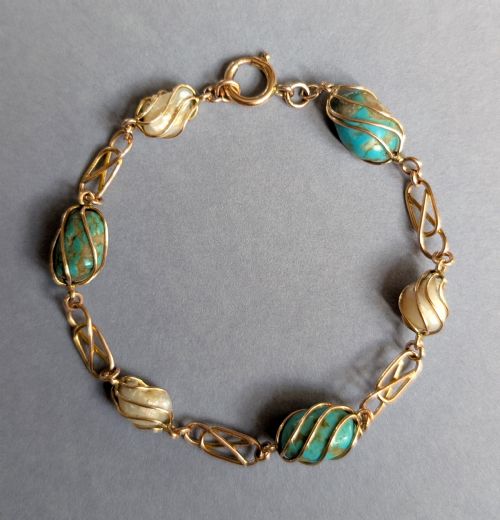
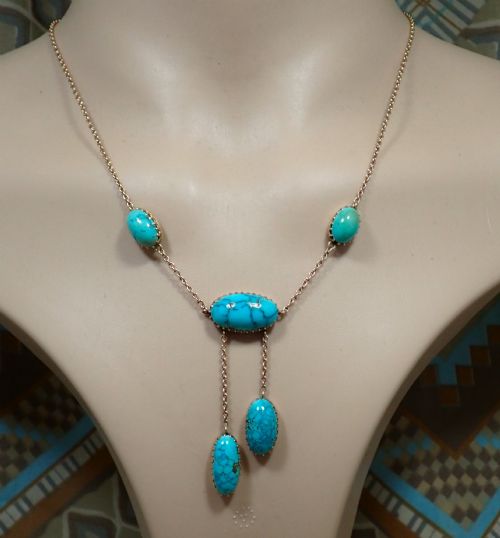
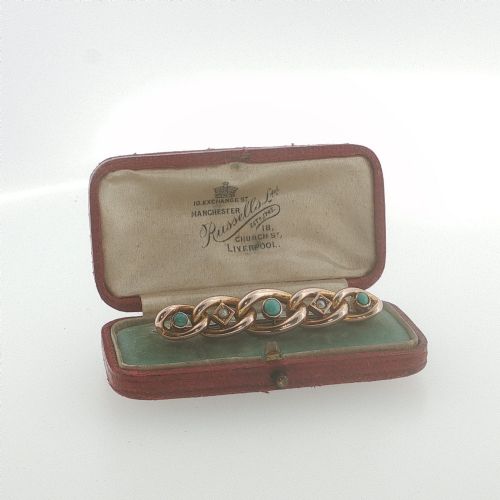
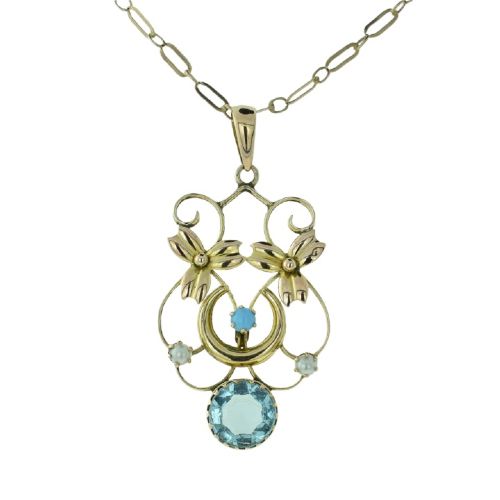
Links were manually joined, stamped, or hollow-formed, often combining solid components with back-and-front construction methods. Gemstones including turquoise, seed pearls, and rose-cut diamonds were flush-set, claw-set, or secured with tiny bezels by hand.
Several pieces incorporate secret masonic symbols and tiny sliding pencils, proving Victorians loved hiding functional tools inside their finery.
What varies in quality
Quality separates pieces through the weight of the metal and the precision of hand-engraving across links and lockets. Substantial weight in curb chains and gate bracelets indicates superior durability and material density.
Refinement appears in the matching of natural gemstones, the crispness of stamped hallmarks, and the structural integrity of clasps, dog clips, and heart padlocks. Finer examples maintain crisp chased patterns without thinning of the hollow links.
The Victorian Rose Gold Glossary
- Albert chain
- A pocket watch chain designed to attach to a waistcoat, frequently worn today as a bracelet or necklace. These chains feature heavy curb links or fancy links paired with a T-bar.
- Heart padlock
- A heart-shaped clasp commonly utilised on Victorian curb link bracelets. This functional mechanism often bears hallmarks and hand-engraved surface decoration.
- Guard chain
- An exceptionally long neck chain historically used to secure lorgnettes or pocket watches. They permit multiple wrappings when worn around the neck.
- Rose-cut diamond
- An antique diamond cut featuring a flat base and a faceted dome rising to a point. This style predates modern brilliant cutting and produces a soft, translucent lustre.
- Dog clip
- A spring-loaded swivel hook employed to secure watch chains and charms. It allows the attached item to rotate freely without twisting the link.
Victorian Rose Gold: Frequently Asked Questions
How do I wear a watch chain?
Historic watch chains, including albert and guard chains, are frequently adapted for modern wear as multi-strand bracelets or long necklaces. The integrated T-bar and dog clips serve as functional fasteners.
Heavier chains sit comfortably around the wrist when doubled, while longer guard chains slip easily over the head. Their original mechanical purpose lends them an industrial yet decorative character.
How do I care for antique jewellery?
Antique jewellery requires gentle handling due to the delicate nature of hollow gold components and closed-back gemstone settings. Avoid submerging pearls or soft stones in liquids and clean only with a dry cloth.
Store pieces individually to prevent scratching between links and engraved surfaces. Regular checking of clasps and safety chains ensures secure everyday wear.
How can I date these pieces?
Dating relies upon official assay office hallmarks stamped directly onto the metal, indicating specific towns and years of production. Stylistic markers such as engraved motifs and gemstone choices also point to specific eras.
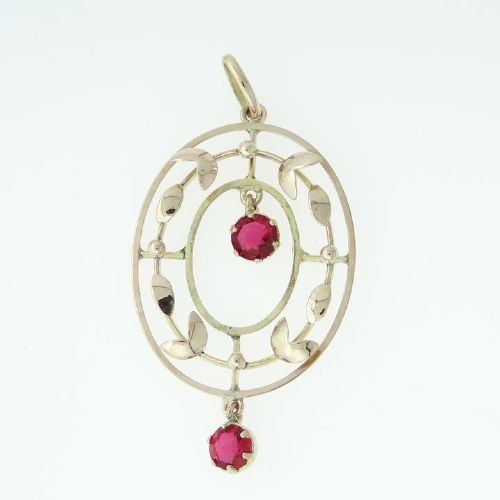
Late-nineteenth-century items often display robust curb links and aesthetic movement influences, while Edwardian examples favour lighter filigree work and negligee necklaces. Comparing construction methods against documented hallmarking standards confirms the age of each item.