
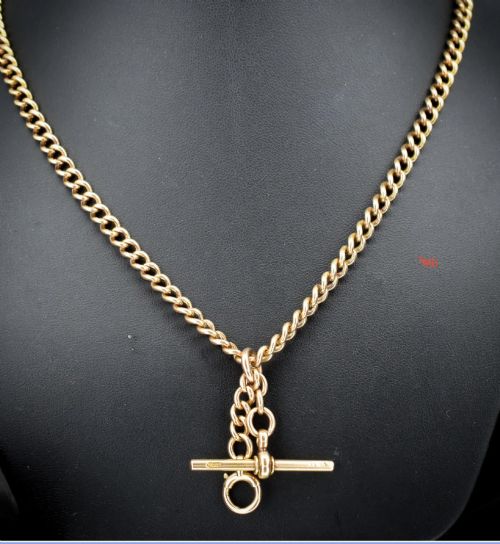
Victorian Ring
A victorian ring carries the intimate craftsmanship of the nineteenth century, offering tactile history through enduring precious metals and hand-set gemstones.
Victorian Ring
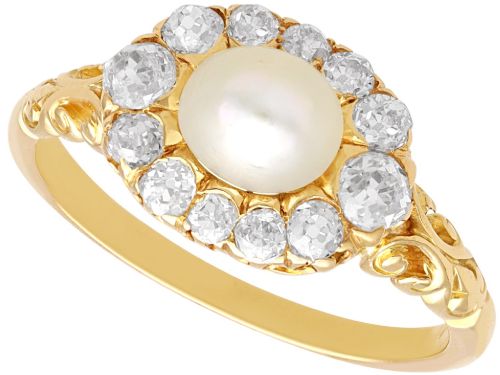
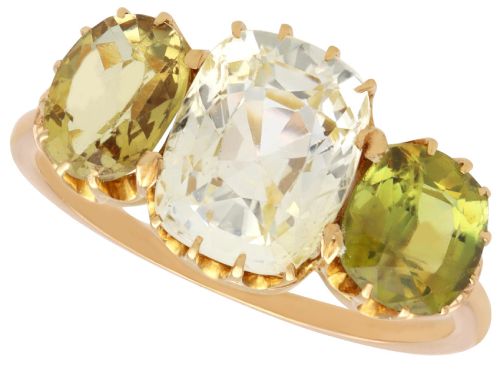
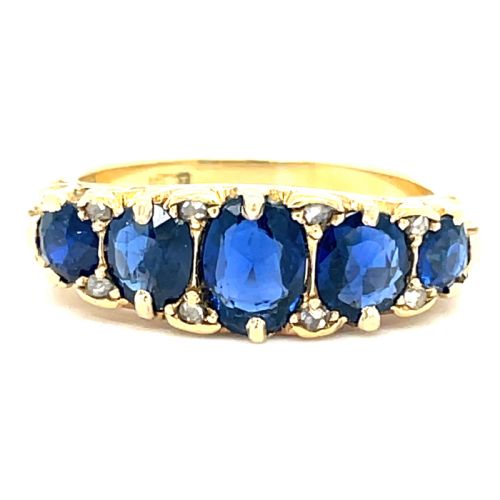
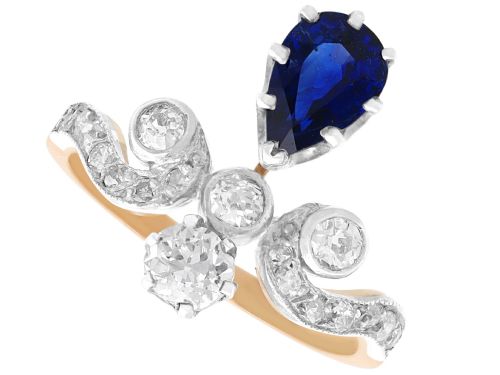
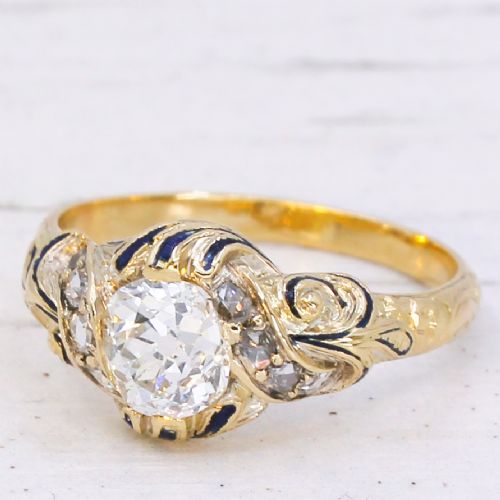
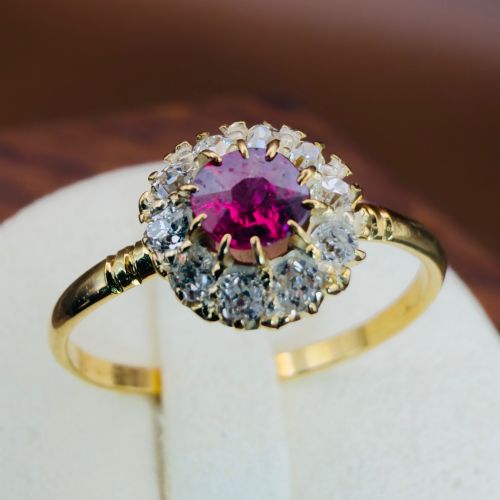
When someone searches for a victorian ring, they encounter finger ornaments spanning the nineteenth century and adjacent Edwardian periods, cast in yellow and rose gold alongside platinum.
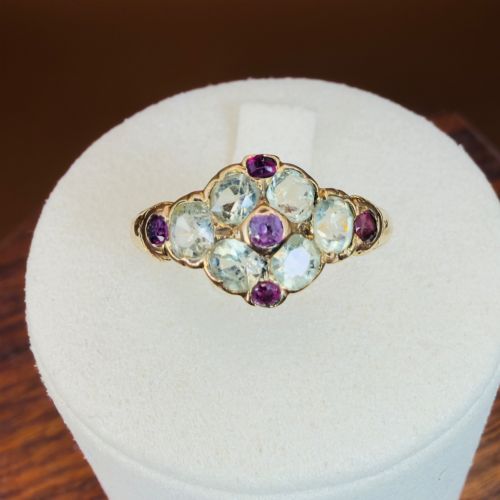
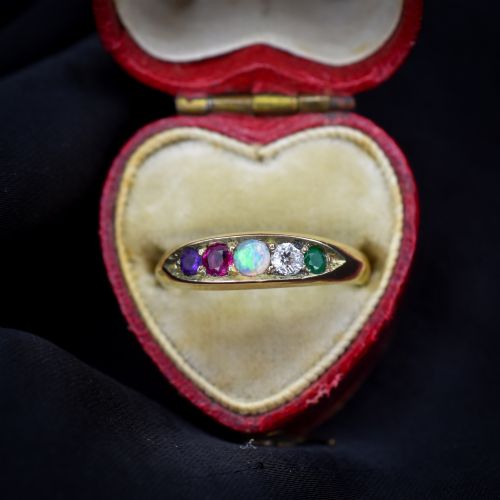
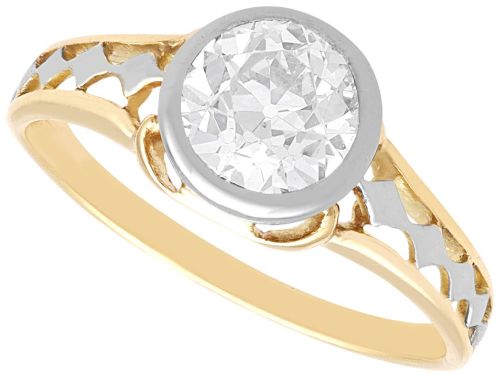
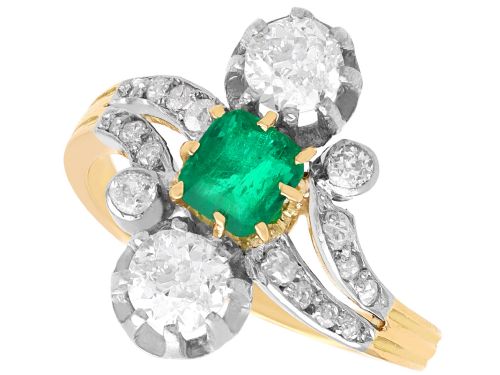
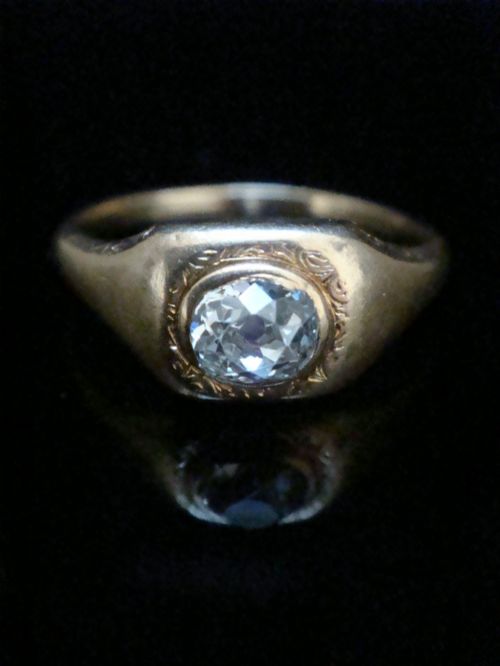
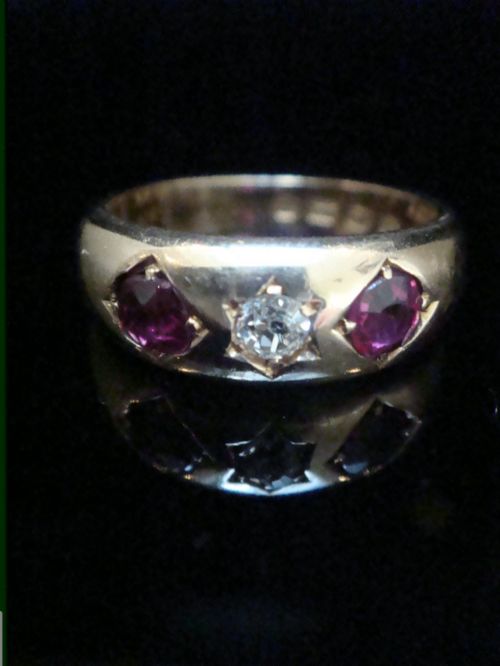
The selections on this page predominantly present as multi-stone gemstone clusters, diamond solitaires, gypsy settings, and symbolic motifs such as snakes, buckles, and hearts.
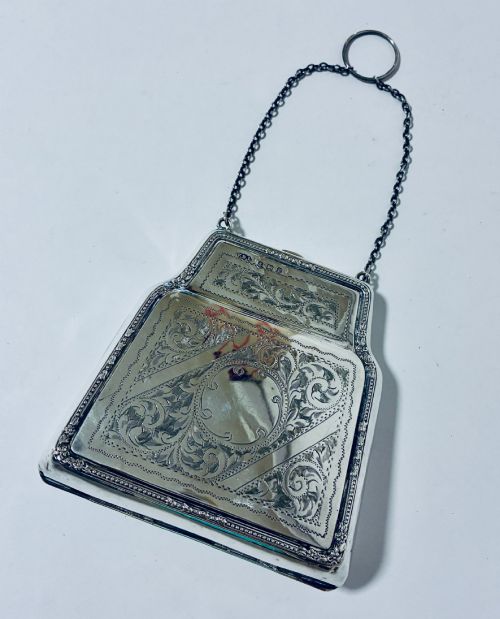
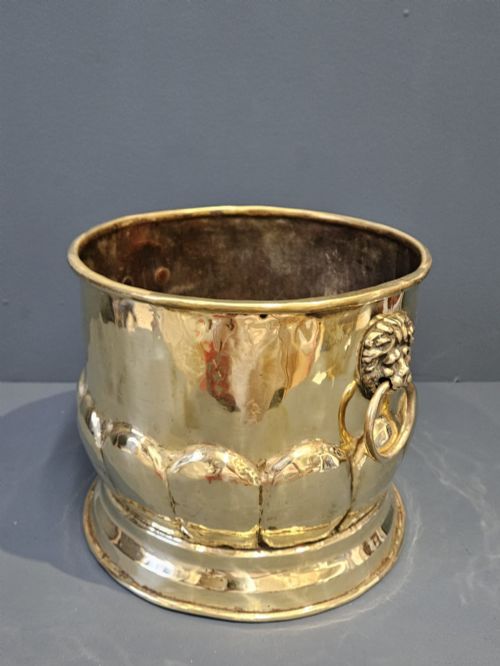
While rings dominate the offerings, the broader inventory also records unrelated domestic items sharing the name, including napkin rings, trinket boxes, and decanters.
Materials and Construction
The pieces rely heavily on 15ct and 18ct yellow gold, sometimes paired with platinum, incorporating high-carat wedding bands in 22ct gold.
Goldsmiths set old cut diamonds, sapphires, rubies, garnets, pearls, opals, and amethysts using rubover, starburst, bezel, and multi-stone claw configurations.
Listings feature 18ct yellow gold, 15ct gold, and 9ct gold alongside platinum and silver.
Assessing Quality and Execution
Superior examples demonstrate meticulous stone selection, particularly with old cut diamonds and natural coloured gems matched for hue and clarity.
The refinement of hand-engraving on gypsy bands and the structural integrity of complex clusters separate exceptional specimens from standard workshop output.
The Victorian Ring Glossary
- Gypsy ring
- A style where stones are flush-set directly into a thick, tapered gold band, popular for daily wear in the late nineteenth century.
- Old cut diamond
- A hand-faceted diamond shape featuring a smaller table and larger culet, characteristic of stones cut before modern machinery.
- Mourning ring
- A piece commemorating a deceased individual, often featuring black enamel, hair work, or dark gems like garnets and purple glass.
- Navette
- A boat-shaped ring setting that extends lengthwise along the finger, typically clustered with diamonds and precious stones.
Victorian Ring: Frequently Asked Questions
What periods do these rings come from?
The listings span the Victorian era, extending into adjacent periods like the Edwardian era and the early twentieth century.
Dates inscribed on the pieces or documented in hallmarks often pinpoint the exact year of production.
What gold purities appear in these rings?
Gold standards include 9ct, 15ct, 18ct, and high-purity 22ct gold used primarily for plain wedding bands.
The specific alloy proportion reflects the period of manufacture and British hallmarking standards.
Are these rings suitable for daily wear?
Many solid gold and flush-set gemstone rings tolerate everyday use well, provided the prongs and bezels remain secure.
Delicate pearl, opal, or antique cluster rings require extra care to protect softer stones and intricate settings.