

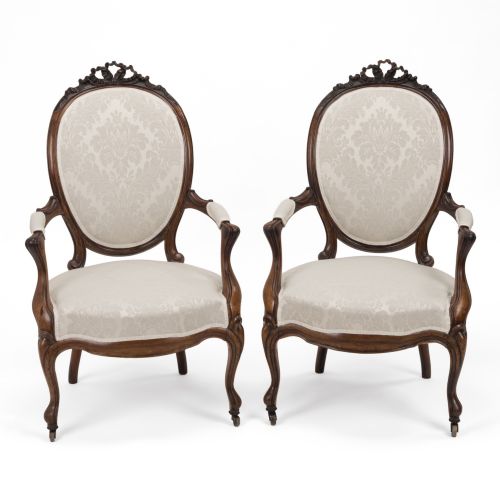
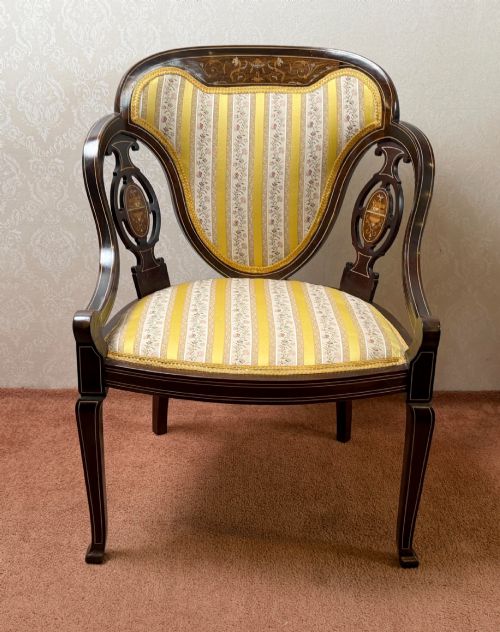
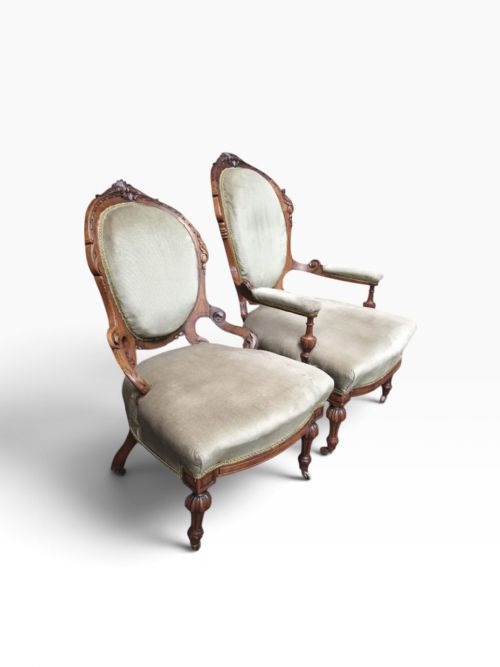
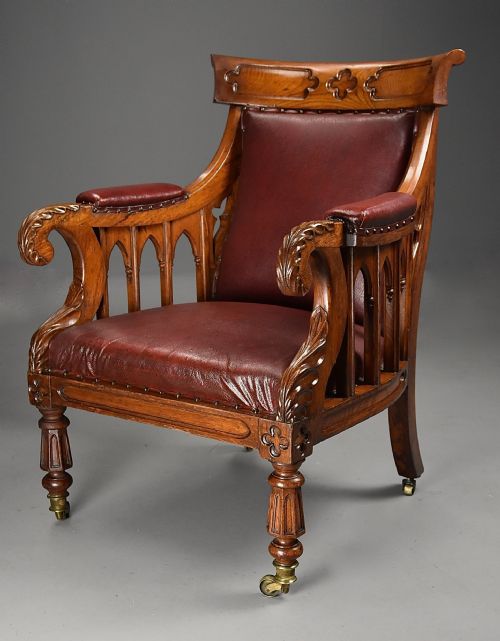
Victorian Revival Armchair
A victorian revival armchair brings nineteenth-century historical style and heavy timber frames straight into a modern sitting room.
Victorian Revival Armchair
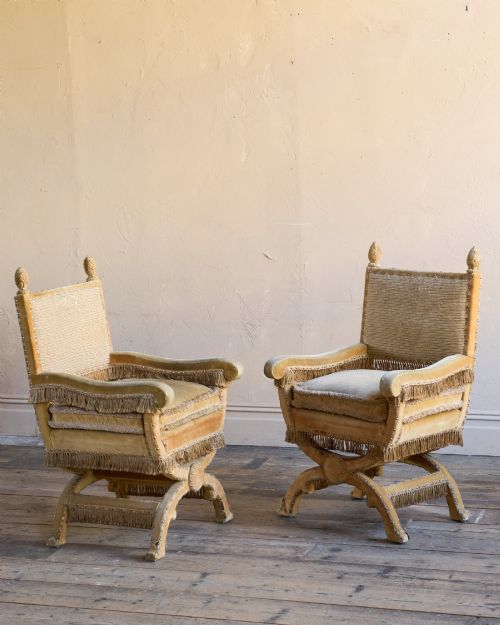
A victorian revival armchair is a seating piece created during the nineteenth century or around 1900 that looks back to earlier historical periods like Gothic, Chippendale, Sheraton, or Rococo. Buyers searching for a victorian revival armchair encounter timber frames paired with upholstery, leather, or tapestry.
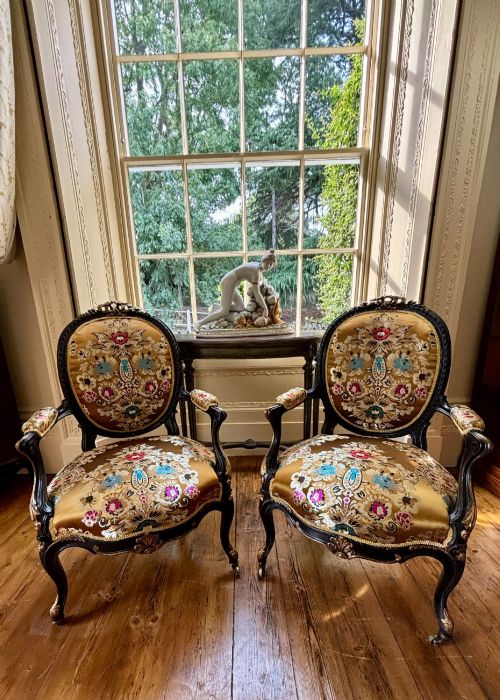
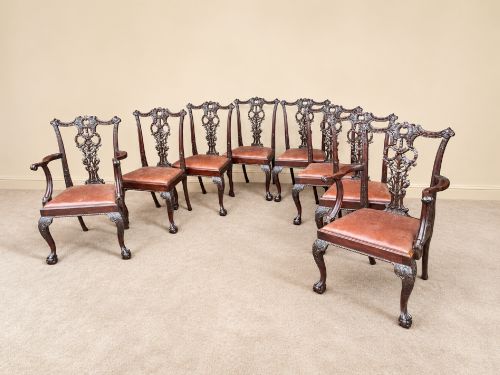
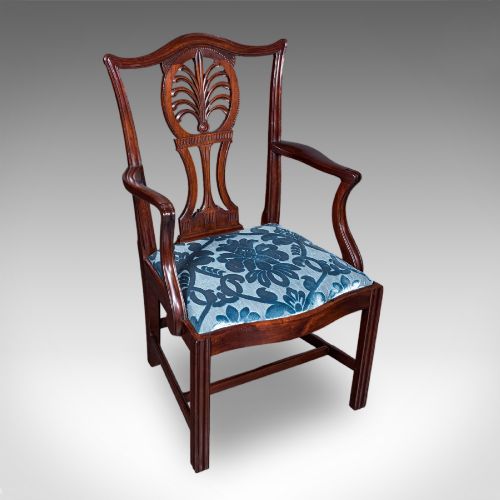
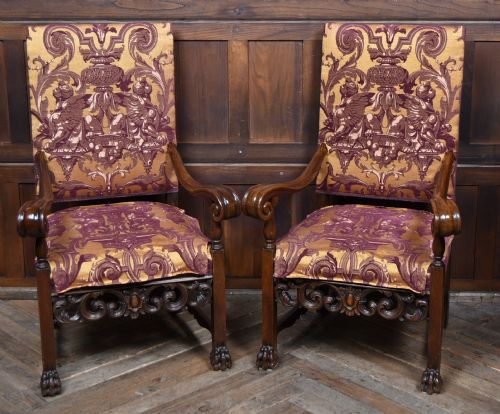
The selections available here span solid oak, walnut, and mahogany, taking forms such as desk chairs, library chairs, and salon seating. Many pieces date from the 1860s through to 1900, showing varied stylistic revivals rooted in earlier centuries.
Makers and workshops of the period reinterpreted past designs for contemporary Victorian homes, producing sturdy carvers, revolving desk chairs, and open armchairs. These seats offer a combination of period woodwork and substantial forms that suit daily use.
Materials and Construction
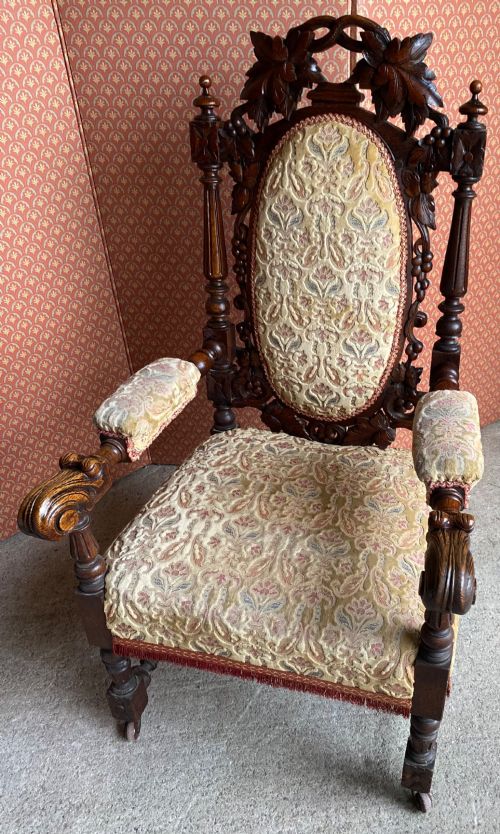
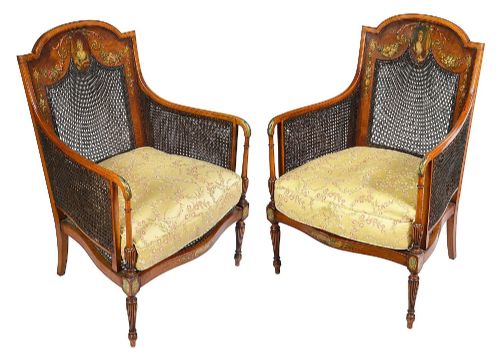
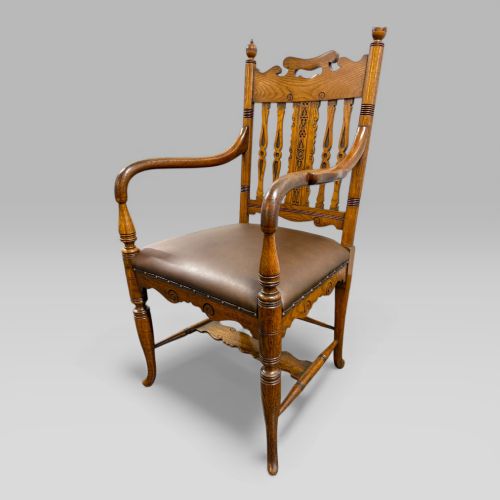
Makers built these frames using dense hardwoods like oak, walnut, mahogany, and satinwood, often shaping the timber with deep carving, turned supports, or polished finishes. Oak appears frequently in Gothic revival designs, while mahogany and satinwood support Chippendale and Sheraton interpretations.
Upholstery techniques combined sprung seats with horsehair stuffing, covered in leather, tapestry, fabric, or embossed hide fixed with brass tacks. Joinery relied on traditional tenons and pegs for structural strength, particularly in heavy desk and library chairs.
Victorian Revival Armchair Retail Price Guide 2026
Typical asking prices for victorian revival armchair among the pieces listed under this phrase on Sellingantiques today, from the lower quarter to the upper quarter. They describe what is for sale here now, not the wider market.
Listings feature oak, walnut, mahogany, and pitch pine, reflecting the dominance of native and imported hardwoods in nineteenth-century British cabinetmaking.
Assessing Quality and Execution
The standard of carving and the selection of timber grain define the upper tier of these armchairs. Burr walnut, figured mahogany, and crisply executed Gothic tracery separate finer pieces from simpler workshop productions.
Proportion and structural integrity dictate the long-term success of the chair, with heavier timber frames and intact original upholstery systems commanding greater regard. The integration of mechanical elements, such as swivel mechanisms on desk chairs, reveals the care taken in production.
Howard and Sons·Warings·James Shoolbred
The Victorian Revival Armchair Glossary
- Carver
- An armchair, often designed as part of a dining set to sit at the head of the table. These pieces usually feature open arms and matching side chair styling.
- Gothic Revival
- An architectural and decorative style drawing on medieval forms, featuring pointed arches, tracery, and heavy carved oak. This aesthetic dominated many nineteenth-century ecclesiastical and domestic interiors.
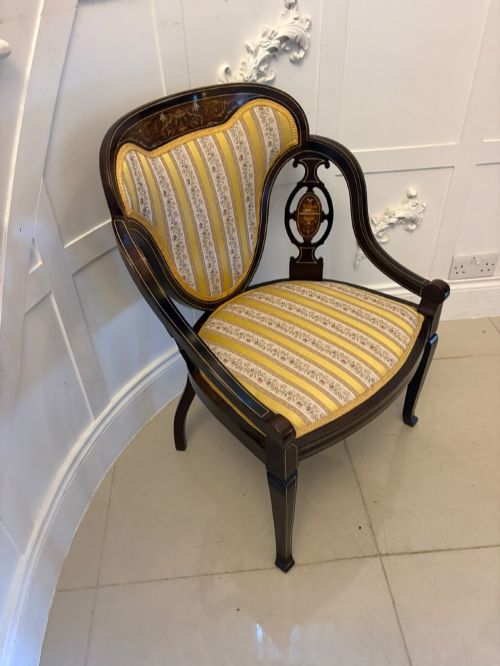
- Sheraton Revival
- A late nineteenth-century movement emulating the lighter, neoclassical furniture designs of the eighteenth century. Pieces often employ satinwood, painted details, and lyre-back motifs.
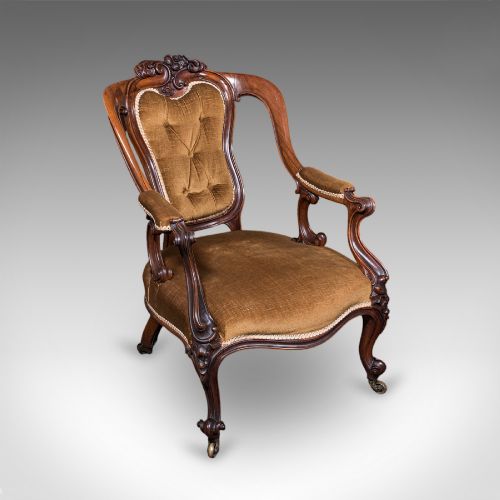
- Salon Suite
- A matched set of seating furniture, typically comprising a settee and open armchairs. These were intended for formal reception rooms during the latter half of the nineteenth century.
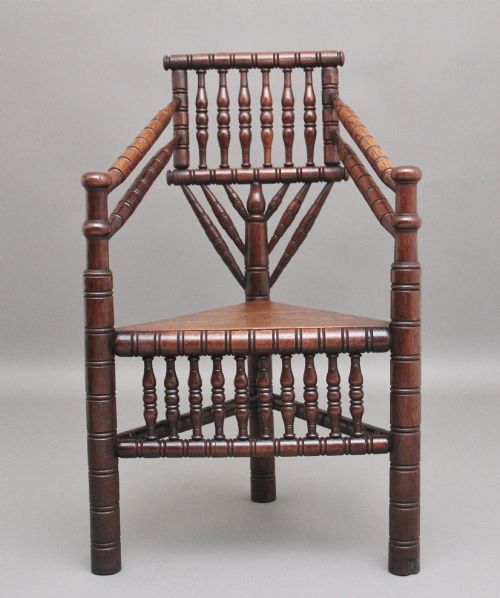
- Turners Chair
- A traditional form of seating constructed entirely from turned wooden spindles and members. Examples seen in nineteenth-century contexts often reference medieval or Tudor precedents.
Victorian Revival Armchair: Frequently Asked Questions
What defines a revival armchair?
A revival armchair is a nineteenth-century seat that consciously copies or adapts historical styles from earlier eras, such as Gothic, Elizabethan, or Georgian periods.
These pieces use nineteenth-century manufacturing methods and materials while recreating historical ornament and silhouettes.
How do I identify a Gothic revival piece?
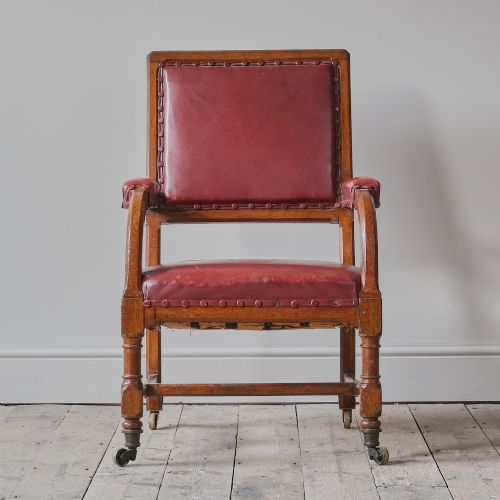
Gothic revival pieces typically feature heavy oak construction, pointed arches, linenfold panels, and architectural tracery carved into the timber.
Such chairs often appear as solid desk chairs, hall chairs, or library carvers dating from the mid to late nineteenth century.
Are these chairs suitable for daily use?
Most of these armchairs were built from dense hardwoods like oak and walnut, making them robust enough for regular seating when structurally sound.
Desk and reading chairs offer practical ergonomics, though upholstered sections may require modern maintenance for comfort.
What is the difference between an armchair and a carver?
A carver is a specific type of armchair traditionally manufactured as part of a dining room set, featuring arms that allow it to sit at a table end.
General armchairs might include fireside chairs, library seats, and salon pieces not tied to a dining configuration.