


Victorian Relief Panels
These Victorian relief panels bring depth and architectural character to walls through finely sculpted wood, bronze and marble.
Victorian Relief Panels
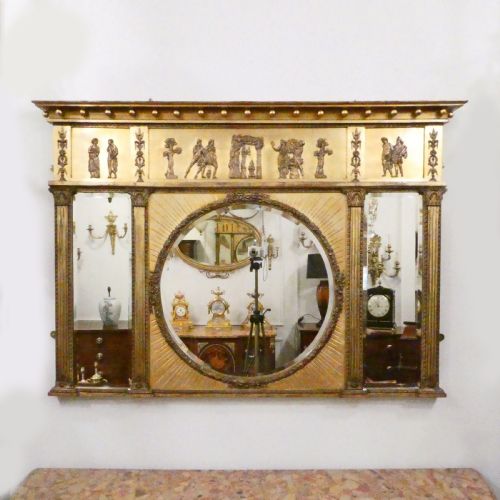
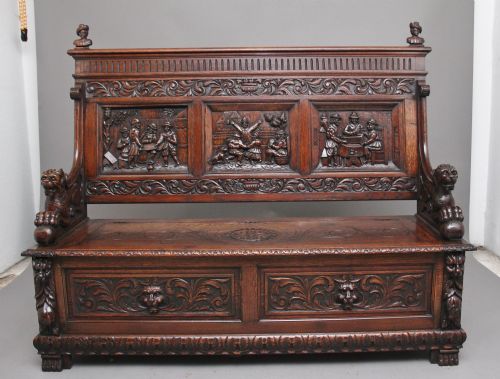
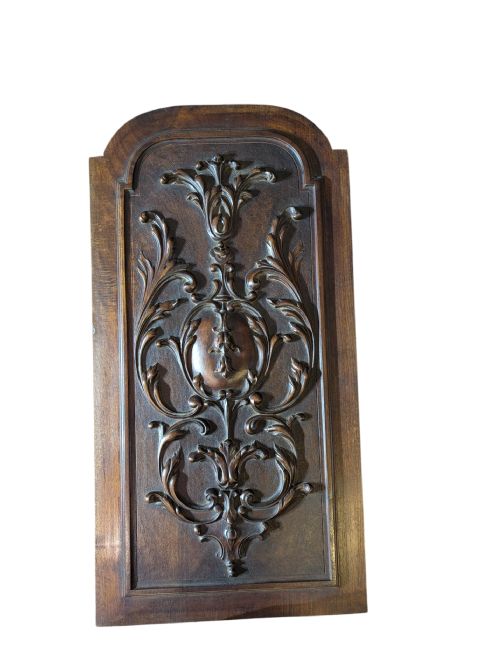
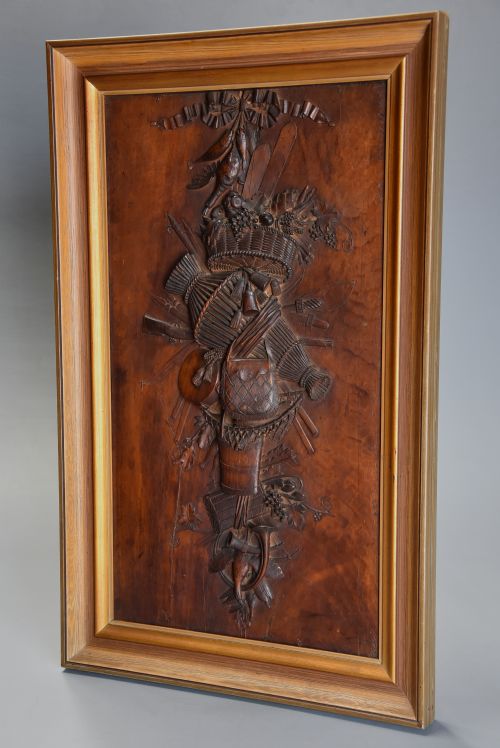
When searching for victorian relief panels, buyers encounter sculptural wall plaques, architectural salvage and fitted wall panels produced across the nineteenth century. These objects display carved scenes, heraldry, portraits and botanical subjects intended for interior display.
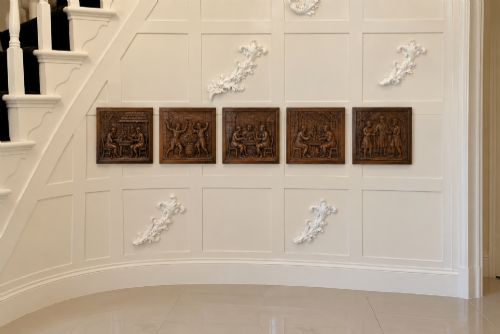
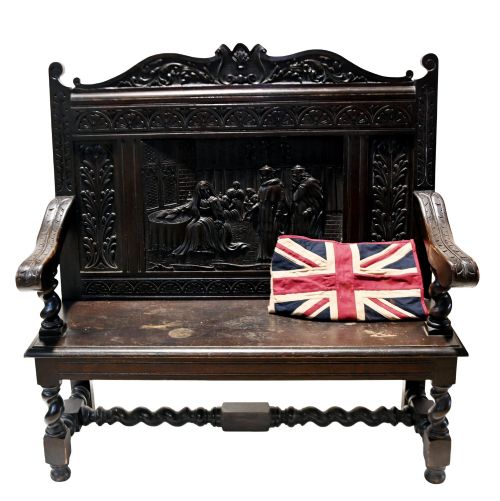
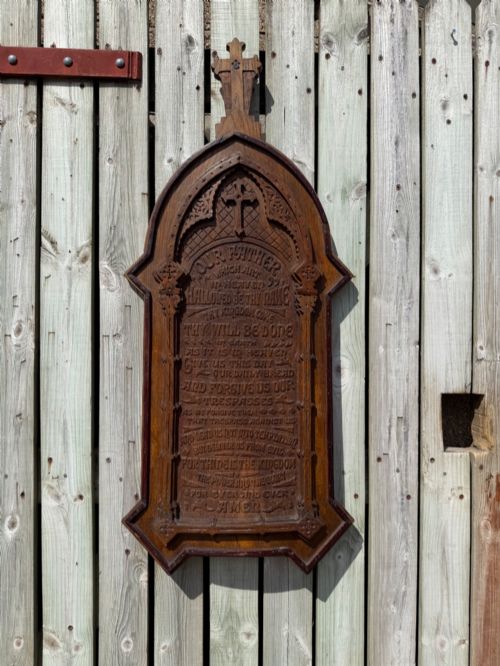
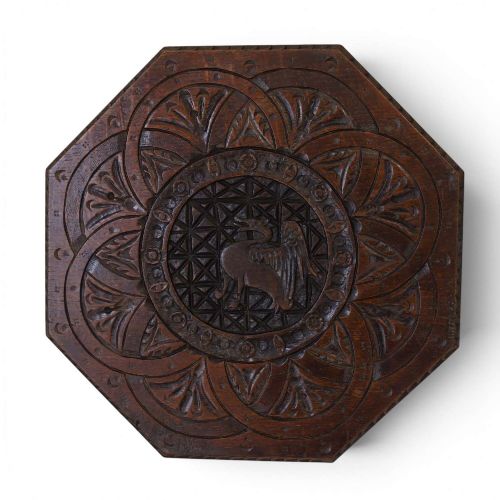
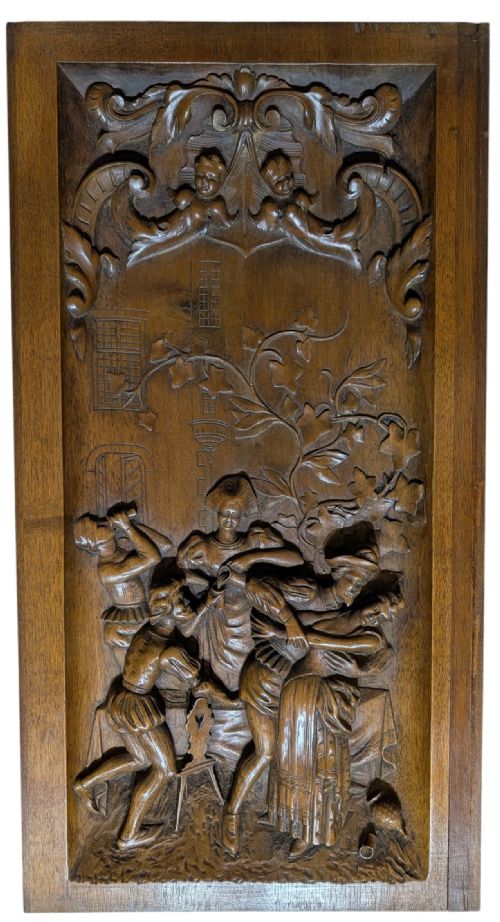
Oak and walnut predominate among the wooden examples, often appearing in sets depicting tavern scenes, hunting motifs or linenfold patterns. Continental and British workshops produced these pieces to enrich domestic halls and libraries.
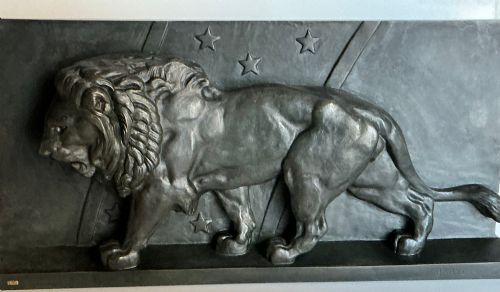
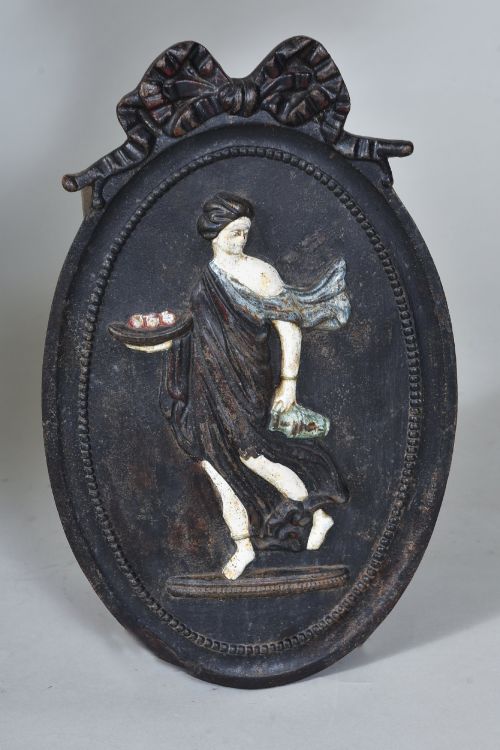
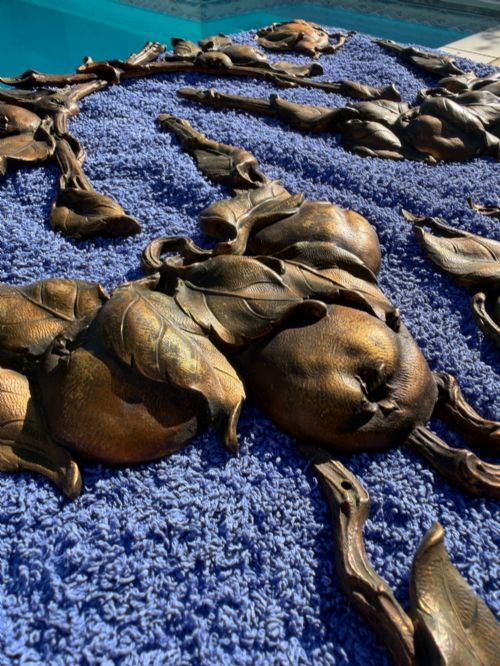
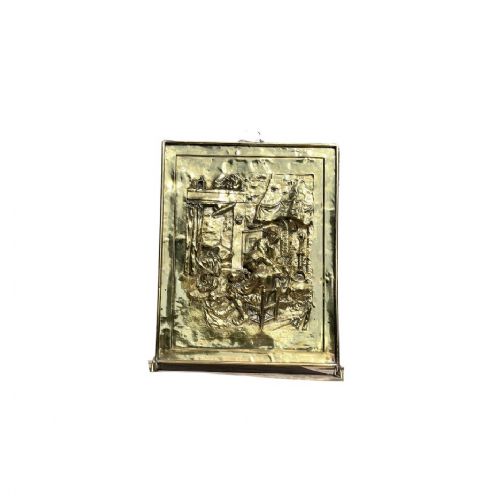
Metals such as bronze, copper and brass also form part of the selection, yielding cast plaques and appliques with classical or narrative subjects. Marble and fruitwood variations offer alternative textures for wall mounting.
Materials and methods of construction
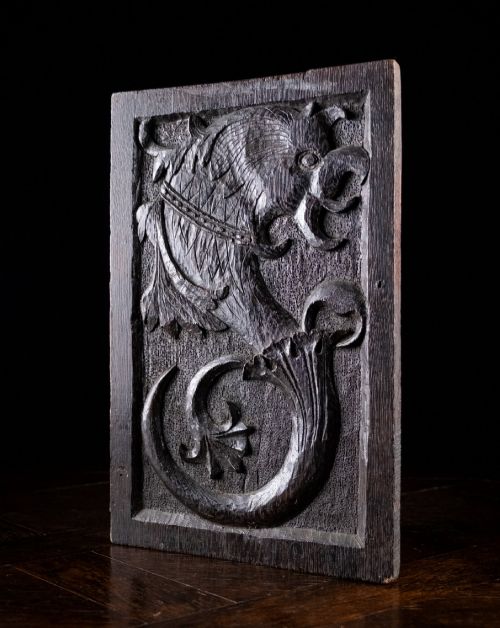
Carvers shaped dense hardwoods like oak, walnut and fruitwood using chisels and gouges to achieve deep undercut reliefs. Grain direction dictated the subtlety of detail possible in foliage, figures and animal carvings.
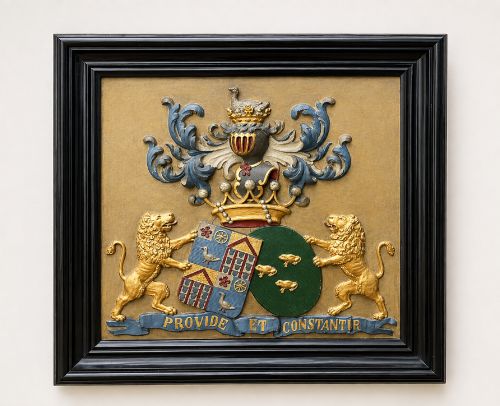
Metal relief elements relied on casting techniques in bronze, brass and white metal, sometimes supplemented by silver-plating or gilding. These cast pieces captured precise facial expressions and heraldic lines difficult to carve in timber.
Victorian Relief Panels Retail Price Guide 2026
Typical asking prices for victorian relief panels among the pieces listed under this phrase on Sellingantiques today, from the lower quarter to the upper quarter. They describe what is for sale here now, not the wider market.
Gothic Revival, Renaissance Revival and Black Forest styles shape the decorative vocabulary of these carved reliefs.
Assessing quality in relief work
Depth of carving and the crispness of undercut details separate standard decorative panels from exceptional exhibition pieces. Superior examples exhibit anatomical accuracy in figures and clean articulation in botanical or architectural elements.
The choice of timber and the preservation of original surface finishes influence the character of wooden panels. Metal plaques demonstrate quality through the sharpness of the cast and the integrity of patination.
Poix Blin·Van Rijckevorsel and Verheijen·Carlhian and Corbiere London·Coalbrookdale
The Victorian Relief Panels Glossary
- Relief
- Sculptural work where figures or designs project from a flat background. High relief elements emerge significantly from the plane, while low relief remains closer to the surface.
- Linenfold
- A style of wood panel carving resembling folded linen cloth. It appears frequently on rectangular oak panels from the period.
- Applique
- An ornamental fitting applied to a larger surface. These metal or wooden components accent furniture and architectural woodwork.
- Heraldic
- Relating to coats of arms and armorial bearings. Plaques featuring these designs often record marriages or lineage.
- Patina
- The surface sheen and colour developed through age and handling. A stable patina indicates natural ageing on wood and metal.
Victorian Relief Panels: Frequently Asked Questions
How were relief panels displayed originally?
Homeowners mounted these panels directly onto drawing room walls, library panelling or overmantels to add architectural interest. Some served as architectural salvage from dismantled buildings or former tabletops.
Today, collectors hang them as standalone wall art or incorporate them into period interiors much like paintings.
What woods are most common?
Oak and walnut dominate the wooden items, offering the structural stability needed for deep carving. Fruitwood and ebonised wood also appear in specific decorative pieces.
These timbers accepted detailed chisel work well and suited the Gothic and Renaissance revival styles popular at the time.
Are metal plaques heavy?
Bronze, copper and brass plaques possess substantial weight due to their metal composition. Secure wall fixings are essential for mounting heavier cast pieces safely.
Backings and mounting frames often provide the necessary support for hanging these items.
How do I care for carved wood panels?
Maintain stable humidity levels to prevent timber from splitting or warping over time. Dust gently with a dry or slightly damp cloth without applying modern chemical polishes.
Keep wooden panels away from direct heat sources and strong sunlight to preserve the finish.