



Victorian Regency Style Mirror
These Victorian regency style mirror pieces bring classical nineteenth-century design to interiors through large gilded frames and architectural forms.
Victorian Regency Style Mirror
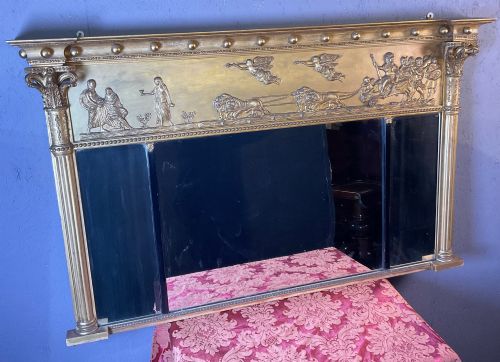
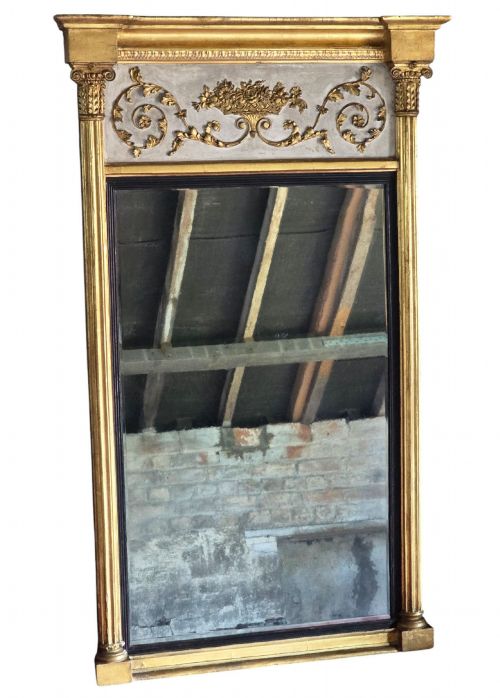
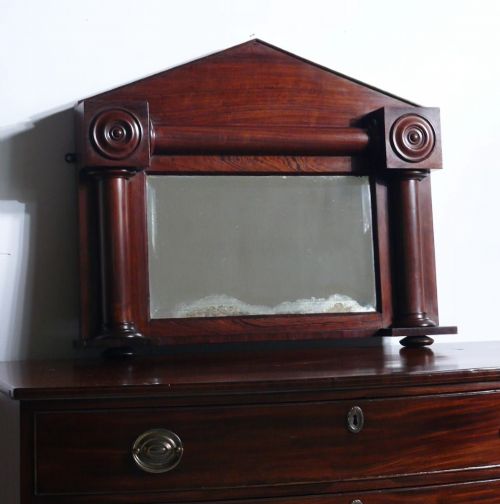
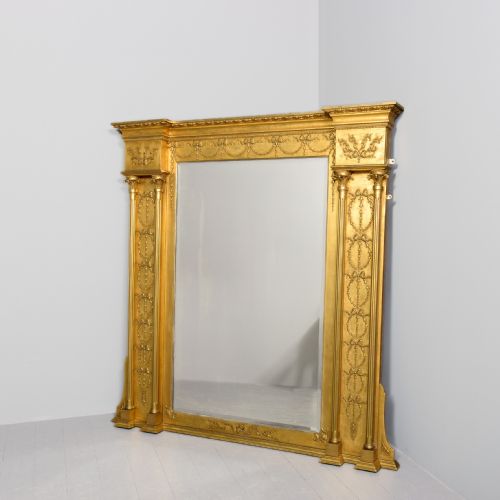
When searching for a victorian regency style mirror, you encounter nineteenth-century glass framed in giltwood, gesso, and mahogany designed for placement above fireplaces or upon dressing floors. These items borrow heavily from earlier neoclassical and Regency vocabularies while originating firmly within the Victorian era.
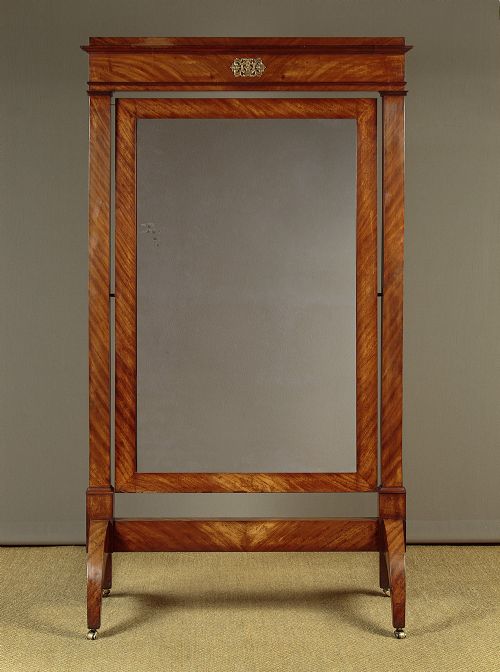
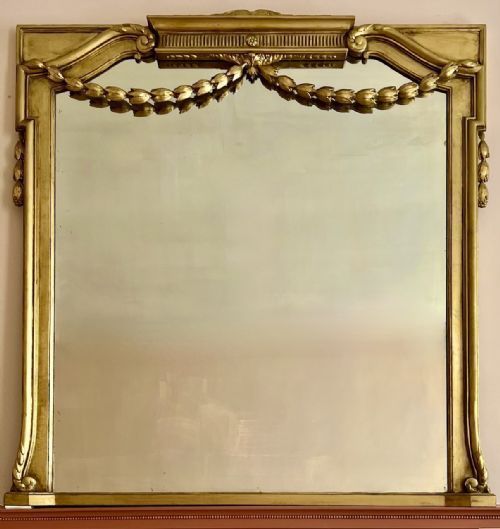
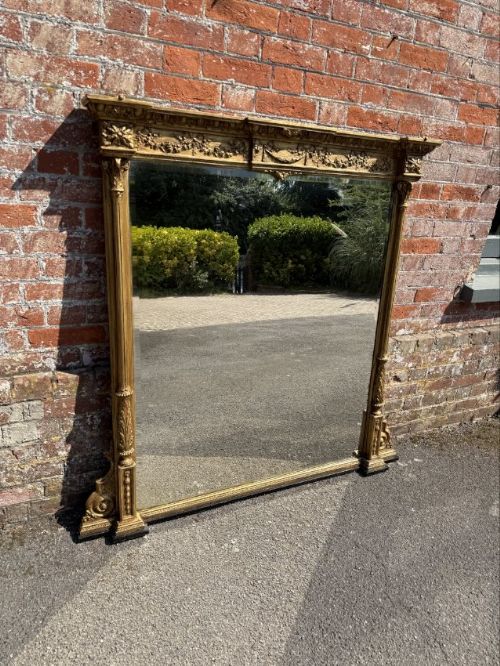
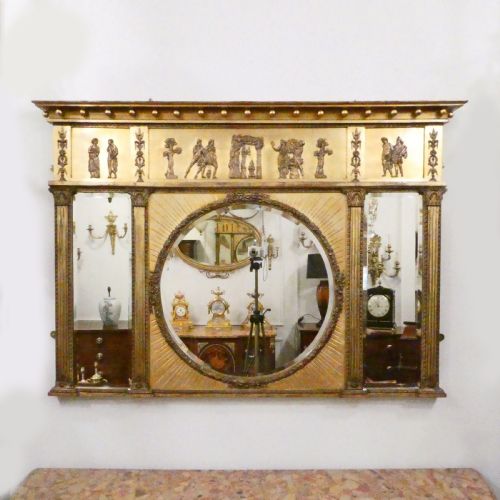
The most common forms on this page are large overmantel mirrors and cheval mirrors dating from the 1850s to the 1890s. They range from triple-plate landscape formats to tall swing glasses mounted on sabre legs with brass castors.
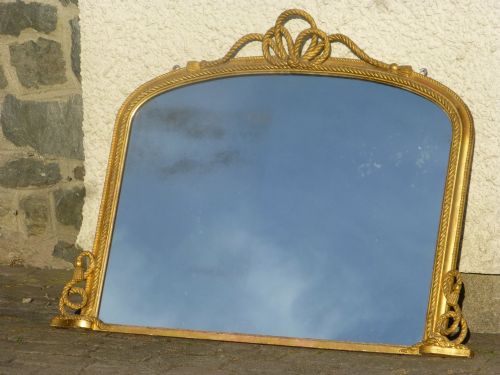
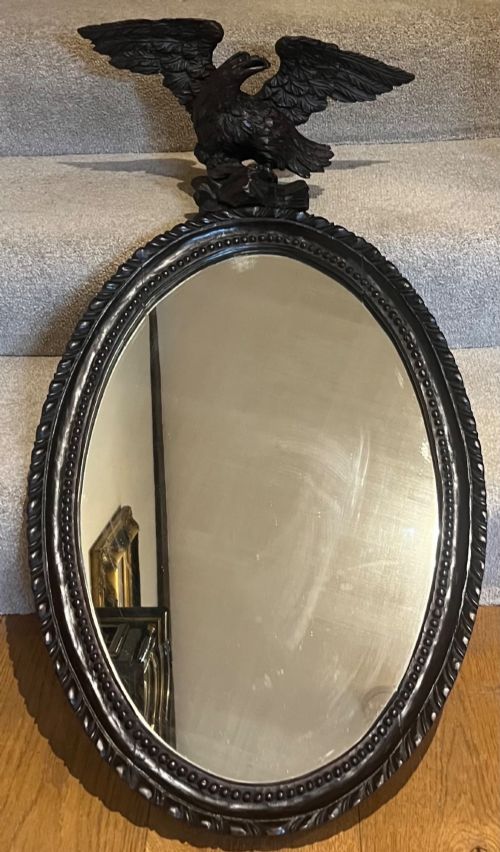
Makers and craftsmen of the period utilised styles spanning strict Regency revival to French chateau influences, often incorporating rope twists, columns, and carved eagles into the timber frames.
How they were made
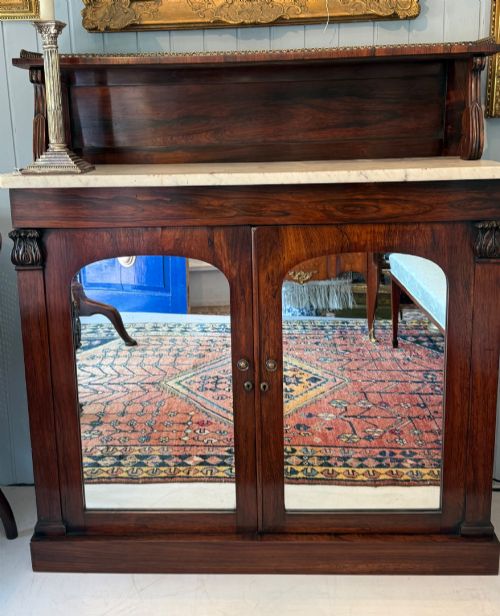
Carved wood and gesso form the foundation of the gilt pieces, where intricate details such as ribbed columns and rope twists were moulded onto timber substrates before receiving layers of gold leaf or paint. Mahogany and rosewood serve as the primary solid timbers for cheval mirrors and chiffonier-associated frames, occasionally complemented by ebonised finishes.
Glass plates were silvered and fitted into heavy frames, with multiple plates often joined side by side to create expansive triple-plate overmantel configurations. Brass sabots and castors complete the lower supports on floor-standing models.
Materials recorded on this page include mahogany, rosewood, brass, gesso, and gold leaf.
What varies in quality
The depth and crispness of the gesso carving separate standard production frames from exceptional examples, as sharper mouldings hold gilding with greater definition. The choice of underlying timber - such as dense mahogany or rosewood compared to softer woods - dictates the structural longevity of freestanding mirrors.
The clarity and preservation of the original mirror plates, alongside the proportion of the frame to the glass surface, determine the visual balance and historical integrity of each piece.
The Victorian Regency Style Mirror Glossary
- Gesso
- A plaster-like material applied to wooden frames and carved or moulded into decorative reliefs before gilding. It allows for sharp architectural details on Victorian mirrors.
- Overmantel mirror
- A large horizontal mirror specifically designed to sit on the mantelpiece above a fireplace. They frequently feature triple plates and ornate giltwood frames.
- Cheval mirror
- A freestanding full-length swing mirror mounted in a frame with upright pillars and four supporting feet. These often stand on sabre legs with brass castors.
- Giltwood
- Timber coated with gold leaf or gold paint to create a metallic sheen. It defines the surface finish of the majority of neoclassical and Regency revival frames.
- Convex mirror
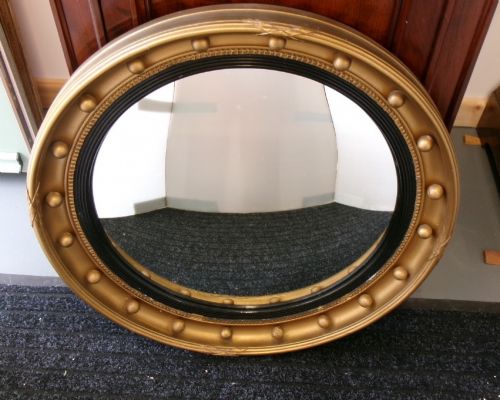
- A round mirror featuring a curved glass surface that provides a wide-angle reflection of the room. These frequently incorporate ebonised reeded bezels and ball-detailed frames.
Victorian Regency Style Mirror: Frequently Asked Questions
Where should an overmantel mirror be hung?
These large mirrors traditionally rest directly on a mantelpiece shelf, anchored securely to the wall to support their substantial weight.
They also function effectively as leaner mirrors against principal walls in reception rooms to reflect natural light.
How do I distinguish Regency from Victorian Regency style?
Original Regency pieces date from the early nineteenth century and display strict classical restraint. Victorian Regency style pieces incorporate later nineteenth-century manufacturing techniques while emulating those earlier classic proportions.
Examination of the backboards, fixings, and gesso composition usually reveals the later Victorian production date.
What is a cheval mirror used for?
A cheval mirror provides a full-length reflection for dressing and was traditionally placed in bedrooms or dressing rooms.
The pivoting frame allows the glass angle to be adjusted as needed.