

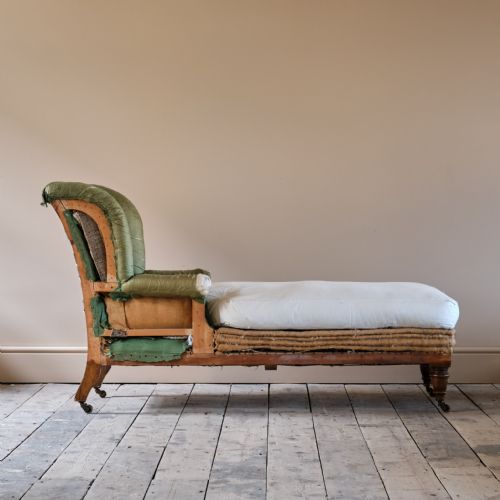
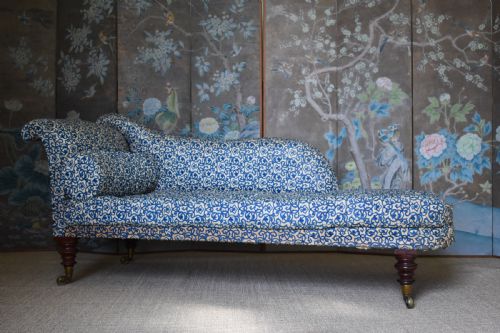


Victorian Recamier
A victorian recamier offers refined reclining, merging deep comfort with sculptural nineteenth-century elegance.
Victorian Recamier
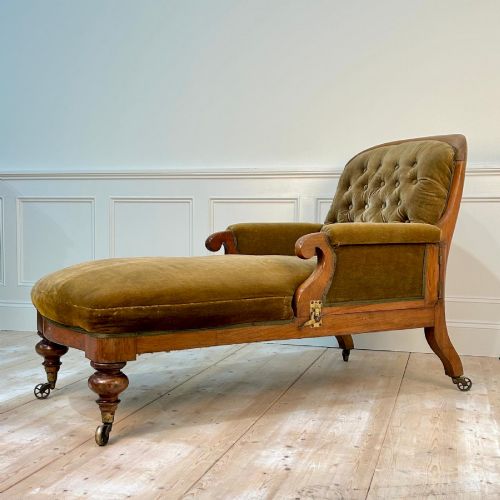
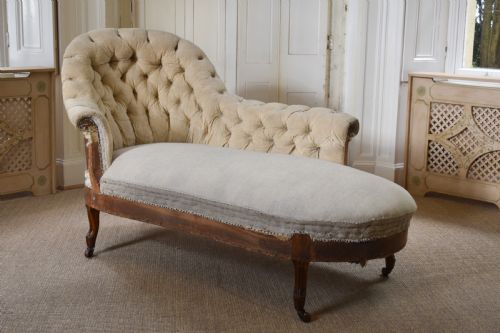
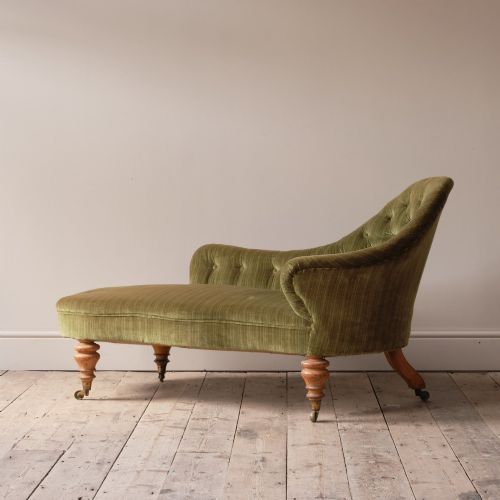
When searching for a victorian recamier, buyers examine nineteenth-century daybeds, chaise longues, and sofa couches designed for semi-recumbent repose. The forms encountered most frequently on this page span the Victorian period alongside Early Victorian, William IV, and Napoleon III examples.
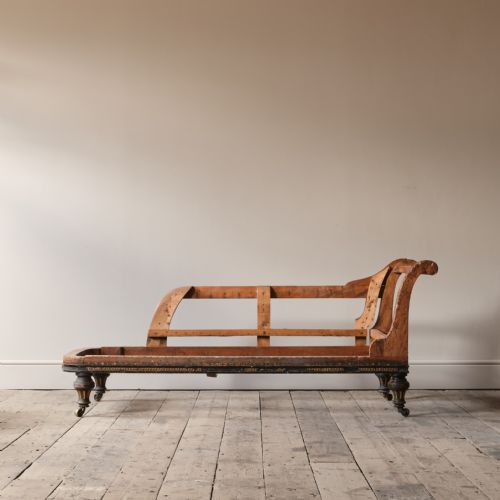
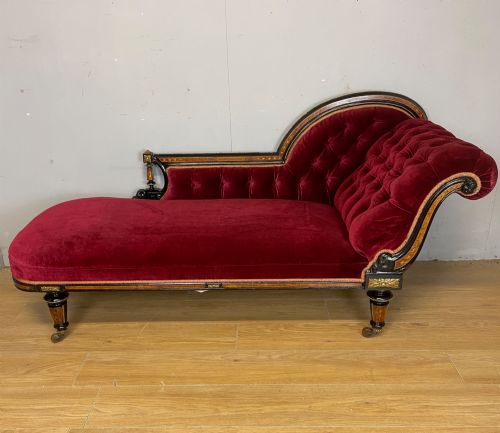
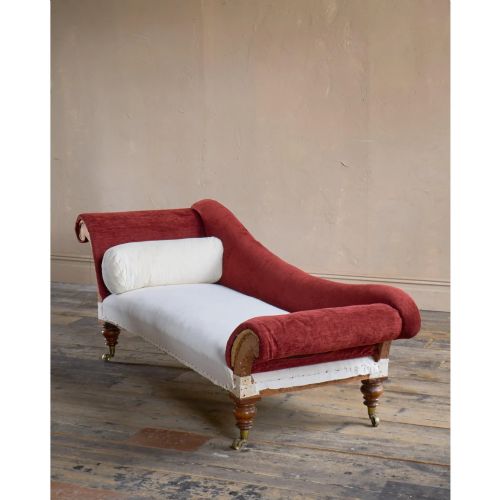
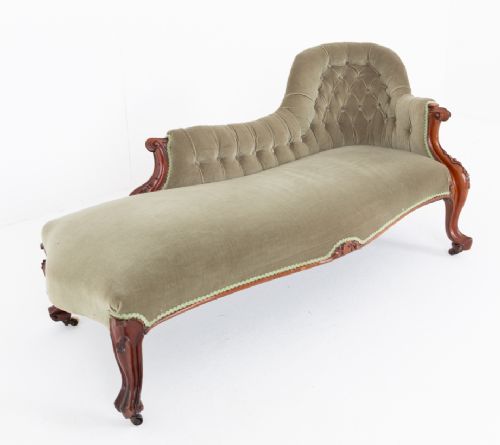
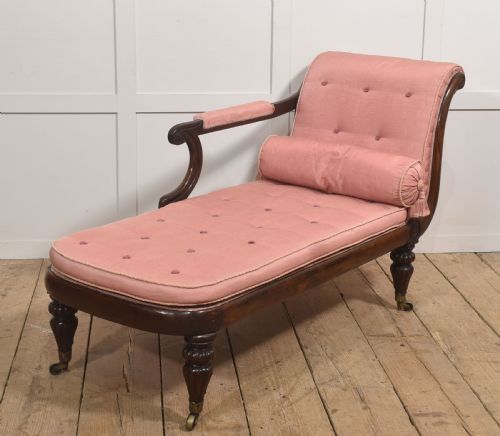
These pieces function as sculptural seating for parlours and drawing rooms, typically featuring a raised headrest and a single sloping back. The construction ranges from grand country house models to simpler wooden frames awaiting upholstery.
Originating in stylistic revivals of earlier centuries, these daybeds draw upon Regency and Grand Regency influences while maintaining distinct mid-nineteenth-century proportions. They serve both decorative and practical roles within period interiors.
Materials and construction
Makers utilised dense hardwoods for the structural frames, relying heavily on mahogany, walnut, rosewood, and ebonised wood. Brass mounts, ormolu decoration, and inlaid panels frequently enhance the timber surfaces.
Upholstery defines the character of these daybeds, employing traditional materials such as velvet, fabric, calico, blue damask, cane seating, and whisky brown leather. Frames are often shaped with carved details like piecrust edges and exposed wooden scrollwork.
Victorian Recamier Retail Price Guide 2026
Typical asking prices for victorian recamier among the pieces listed under this phrase on Sellingantiques today, from the lower quarter to the upper quarter. They describe what is for sale here now, not the wider market.
Listings feature nineteenth-century daybeds utilising rosewood, mahogany, walnut, and ebonised wood alongside cane and leather seating.
Distinctions in quality
The standard of a piece depends on the choice of timber and the ambition of its joinery. Solid rio rosewood and figured mahogany represent the finer tier, while secondary woods appear in simpler frames.
Carved ornament and decorative additions dictate the distinction between standard workshop output and notable cabinet work. Crispness in the carved scrollwork and the presence of documented maker attribution elevate the standing of an individual piece.
Holland & Sons·Miles & Edwards
The Victorian Recamier Glossary
- Chaise longue
- A long chair for reclining, combining the characteristics of a chair and a daybed. These pieces typically feature a single raised end for resting the head.
- Ormolu
- Gilded bronze ornamentation applied to furniture mounts. This decorative technique adds metallic contrast to dark timber frames.
- Ebonised wood
- Timber treated to imitate ebony. This dark finish provides a stark background for inlaid panels and metal mounts.
- Damask
- A reversible figured fabric traditionally woven on a jacquard loom. It provides a patterned textile surface suitable for formal upholstery.
- Caning
- Woven rattan material utilised for seating panels. This technique offers a light, resilient surface alternative to padded upholstery.
Victorian Recamier: Frequently Asked Questions
How do I use a chaise longue?
These pieces suit placement in living spaces or large bedrooms as statement lounging furniture. They invite semi-reclining while reading or resting during the day.
Position the daybed away from direct sunlight to protect sensitive fabrics and polished timber surfaces from fading.
What distinguishes William IV daybeds?
William IV examples display heavier proportions and robust classical revival details. They often feature substantial scroll ends and dark, dense hardwoods.
These pieces lean towards architectural weight compared to lighter later Victorian designs.
How are different periods identified?
Dating relies on timber selection, structural silhouette, and ornamental vocabulary. Early pieces show Regency influences, whereas later examples embrace ornate walnut framing.
Consulting construction methods underneath helps confirm the nineteenth-century timeframe.
Are these daybeds comfortable?
Comfort depends on the internal springing and padding beneath the final textile layer. Many historical pieces receive updated internal support during restoration.
The angled headrest provides natural ergonomic support for daytime reading.