



Victorian Punch Bowl
A victorian punch bowl brings generous hospitality to the table, fashioned from sterling silver, heavy pottery, and brilliant glass for grand gatherings.
Victorian Punch Bowl
A victorian punch bowl encompasses substantial ceramic vessels, gleaming silver plate, sterling silver presentation pieces, and elaborate glass sets from the nineteenth century. Buyers searching this category encounter footed bowls, large decorative centrepieces, and wine coolers intended for communal serving.
The aesthetic range stretches from traditional British pottery patterns and Sunderland lustre to imported Chinese export porcelain, Cantonese famille rose, and European revival styles. These pieces dominate nineteenth century dining arrangements, appearing in heavy earthenware, porcelain, and silver with generous capacities.
Materials and construction
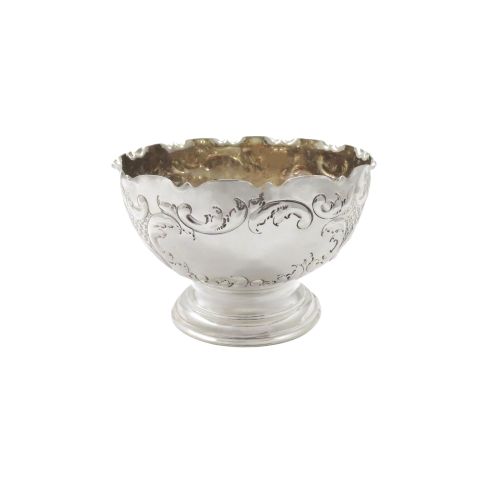
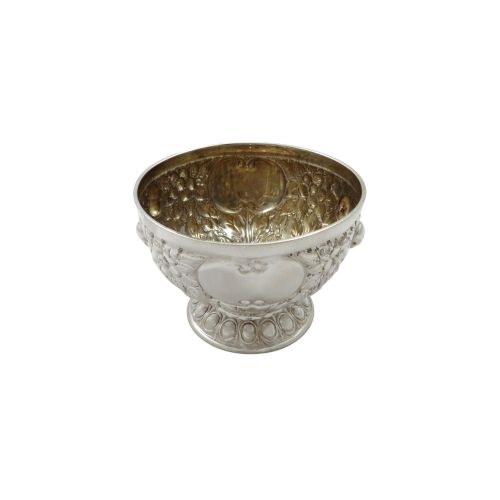
Makers utilised sterling silver and silver plate on copper, shaping metal through repoussé work with floral and bird decoration, and mounting bowls on cast feet or with matching ladles. Glass versions involve Bohemian moulding and cutting, whilst ceramic examples employ earthenware and porcelain bodies decorated with cobalt glaze, enamel, and gold leaf.
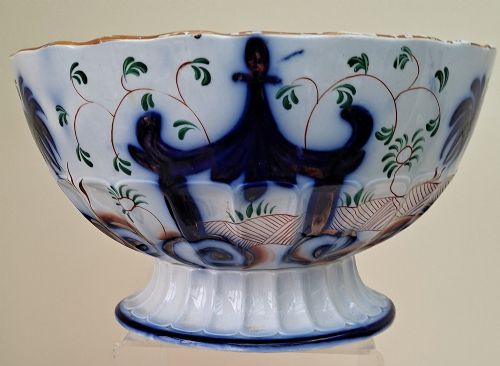
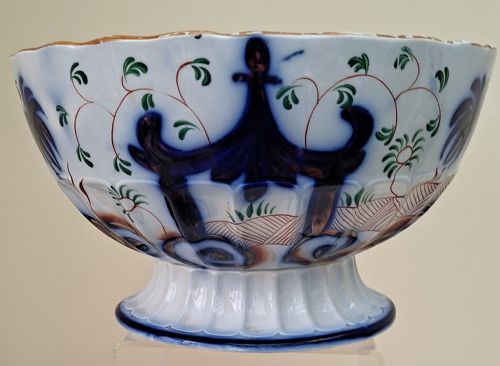
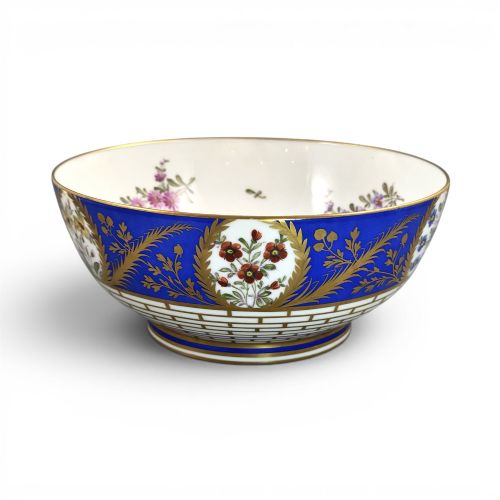
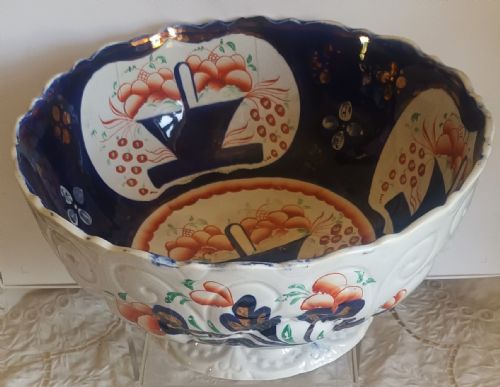
Pottery bowls incorporate transfer printing and hand-painted enamel highlights, seen in Gaudy Welsh pagoda patterns and Sunderland sailors designs. Porcelain production draws upon traditional Chinese methods alongside European factory traditions such as Doulton Burslem and French ormolu mounting.
Victorian Punch Bowl Retail Price Guide 2026
Typical asking prices for victorian punch bowl among the pieces listed under this phrase on Sellingantiques today, from the lower quarter to the upper quarter. They describe what is for sale here now, not the wider market.
Sailors on leave commissioned robust earthenware bowls featuring masonic arches and verses to toast safe returns from stormy seas.
What separates the best pieces
Quality rests upon the crispness of execution in the metal repoussé work, the depth and registration of enamel colours on ceramics, and the brilliance of glass cutting. Superior examples display substantial weight in silver and glass, alongside careful hand-painting that remains crisp and vibrant.
The distinction between standard utility items and finest production shows in the presence of maker marks, integrated ormolu mounts, and complete sets including serving ladles. Pieces attributed to notable factories or named designers exhibit finer finishing and more ambitious decorative programmes.
Doulton Burslem·Daniel and Arter·François-Eugène Rousseau·Baccarat
The Victorian Punch Bowl Glossary
- Repoussé
- Metalworking technique where the design is hammered into relief from the reverse side. This gives silver bowls a tactile, dimensional surface of flowers and birds.
- Famille rose
- A palette of Chinese ceramic glazes dominated by opaque pink enamel, introduced in the eighteenth century and widely collected during the nineteenth century.
- Gaudy Welsh
- A type of colourful pottery featuring hand-painted enamel over transfer print, frequently utilising cobalt blue, iron red, and copper lustre.
- Ormolu
- Gilt bronze mounts applied to porcelain or glass vessels to enhance their decorative presence and provide structural feet or handles.
- Sunderland lustre
- Earthenware characterised by a distinctive pink or purple mottled metallic glaze, often featuring printed naval or patriotic scenes.
Victorian Punch Bowl: Frequently Asked Questions
How were these punch bowls used?
These vessels served communal drinks at formal dinners, club meetings, and celebratory gatherings throughout the nineteenth century. Guests ladled punch directly from the centre of the table.
Larger footed bowls and tureens doubled as decorative centrepieces when not in active service, holding fruit or floral arrangements.
How do I clean a silver punch bowl?
Silver and silver-plated bowls require regular dusting and occasional treatment with a gentle, non-abrasive polish specifically formulated for silver. Avoid harsh chemical dips that strip the natural patina accumulated over the decades.
Soft cotton cloths protect the repoussé decoration during cleaning, ensuring the underlying metal remains bright without wearing down high relief details.
Can I use an antique ceramic bowl for serving food?
Glazed earthenware and porcelain bowls are generally suitable for dry foods or liquids, provided the glaze has no hairline cracks. Historic ceramics with extensive craquelure or old repairs should be reserved for display.
Hand washing in warm soapy water preserves the enamel colours and gold leaf highlights, as modern dishwashers subject fragile nineteenth-century glazes to excessive thermal shock.
How do I date a nineteenth-century punch bowl?
Dating relies on maker marks, hallmarks on silver components, and stylistic clues within the decorative motifs. Sterling silver pieces often carry date letters and assay office symbols that pinpoint the exact year of manufacture.
Ceramic bodies and glass styles provide broader chronological windows, reflecting the shift from early Victorian earthenware to later Aesthetic Movement and continental revival designs.