




Victorian Profile Portrait Art
Victorian profile portrait art captures faces through cut paper, oil paint, and cast metal from the nineteenth century.
Victorian Profile Portrait Art
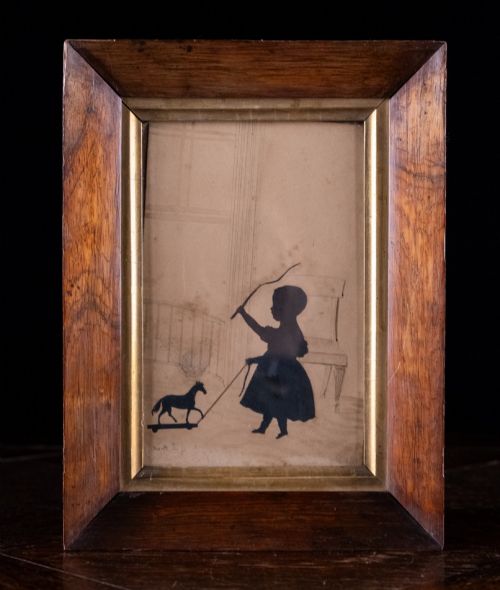
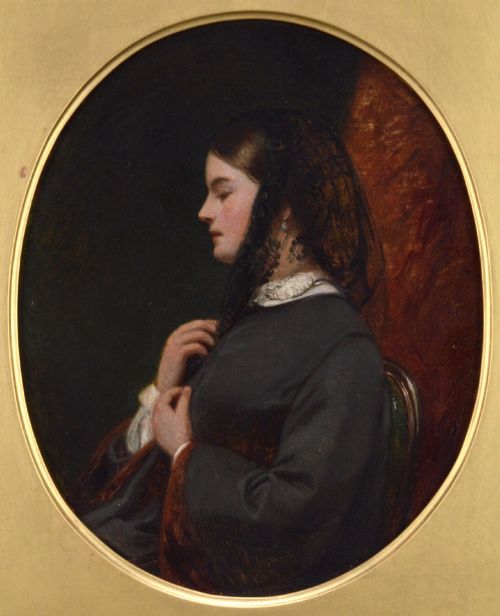
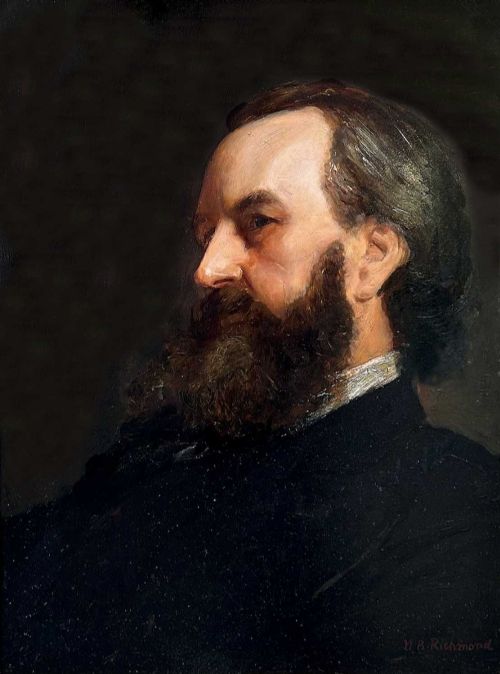
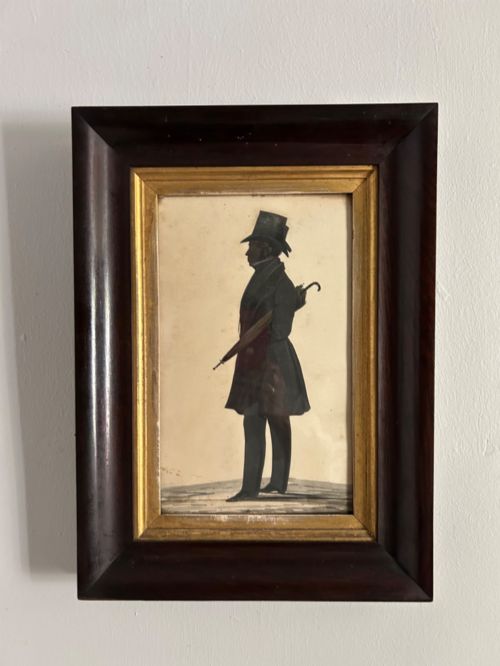
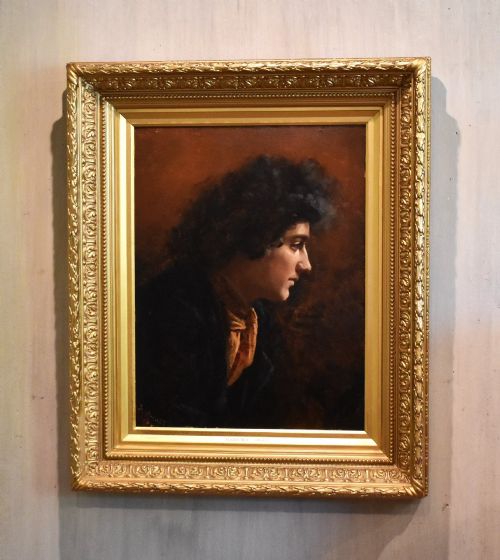
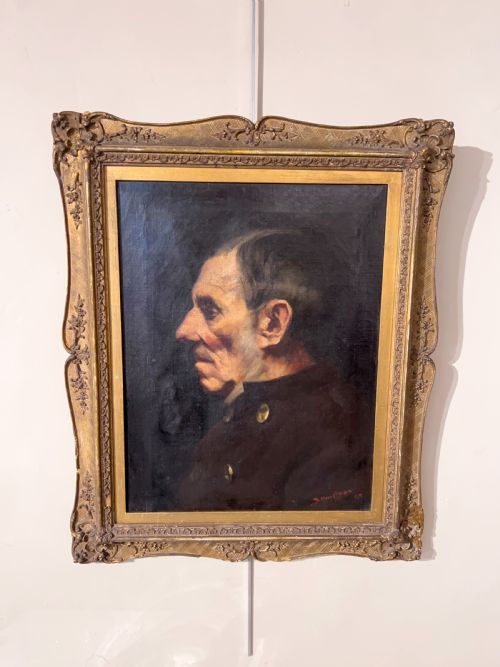
Victorian profile portrait art encompasses framed silhouettes, oil paintings, and wall plaques created during the nineteenth century. These pieces record individuals and groups in profile, ranging from intimate cut-paper silhouettes to academic oil paintings on canvas.
The versions most commonly met on this page include framed silhouettes of gentlemen, ladies, and children, alongside watercolour portraits and carved wooden wall plaques. Works span the Regency period through to the late nineteenth century, reflecting diverse schools of portraiture.
Materials and Techniques
Makers utilised paper, ink, and watercolour for hand-cut silhouettes, frequently mounting them behind glass within wood or brass frames. Portrait paintings employ oil on canvas or card, capturing details through brushwork and pencil.
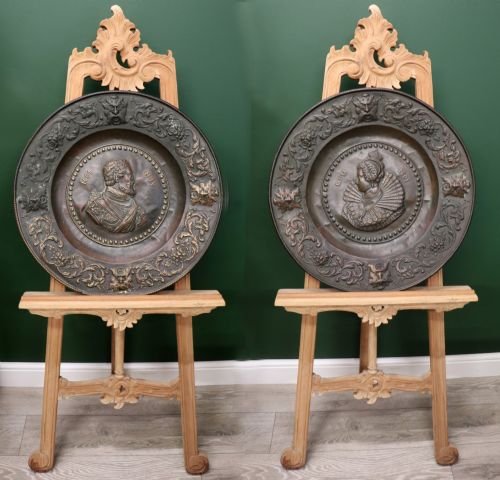
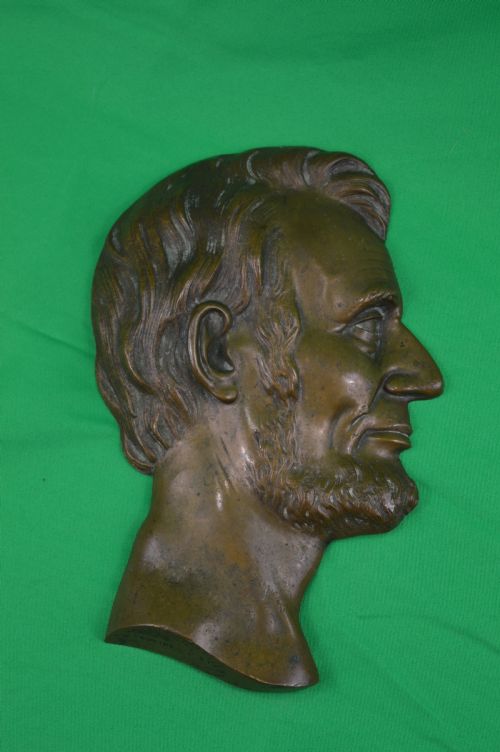
Three-dimensional pieces utilise bronze, cast iron, copper, and carved mahogany to form wall plaques and reliefs. These varied media demonstrate the distinct craftsmanship applied to profile portraiture across the nineteenth century.
Victorian Profile Portrait Art Retail Price Guide 2026
Typical asking prices for victorian profile portrait art among the pieces listed under this phrase on Sellingantiques today, from the lower quarter to the upper quarter. They describe what is for sale here now, not the wider market.
Periods represented span from the Regency era through the Victorian age to 1910.
Standards of Execution
Quality rests upon the precision of the hand-cut silhouette or the finesse of the painted line, where accomplished artists achieve striking likenesses with minimal strokes. Greater dexterity in cutting paper or applying oil paint distinguishes superior works from standard studio output.
The integrity of the framing materials and the preservation of the paper or canvas surface also influence the standing of a piece. Original mounts, legible signatures, and documented attributions elevate specific examples within nineteenth-century portraiture.
Augustin Edouart·Hubard Gallery·Frederick Frith·Florence Small·Bertram Priestman
The Victorian Profile Portrait Art Glossary
- Silhouette
- A portrait represented as a solid shape of a single colour, usually black, showing the profile of the subject. This form gained popularity in the eighteenth and nineteenth centuries through cutting paper or painting on card.
- Regency
- A period in British history spanning from 1811 to 1820, often extended to describe the artistic style of the broader early nineteenth century. Pieces from this era display specific classical influences and refined craftsmanship.
- Gothic Revival
- An architectural and decorative style that revived medieval forms during the nineteenth century. Items from this movement often incorporate ornate tracery and ecclesiastical motifs.
- Wall Plaque
- A decorative panel designed for hanging on a vertical surface, executed in carved wood, cast iron, or bronze. These objects frequently depict historical figures or profiles in relief.
Victorian Profile Portrait Art: Frequently Asked Questions
How were silhouette portraits made?
Artists cut profile likenesses directly from black paper using scissors or small knives, frequently mounting the finished paper on a contrasting light background. Some practitioners added subtle watercolour highlights to detail clothing and hair.
Professionals worked in dedicated galleries or travelled to fairs and private residences to create quick likenesses for clients. These cut pieces were then placed behind glass in simple wooden frames.
What subjects appear in these portraits?
Portraits depict gentlemen, ladies, children, and occasionally family groups accompanied by pets or personal items. Historical figures and literary subjects also appear on cast metal and carved wooden wall plaques.
Most works record ordinary citizens of the nineteenth century whose identities are sometimes preserved in contemporary handwriting on the reverse. Royal figures and notable personalities are also represented among the painted and cast works.
How do I date a silhouette?
Dating relies upon the style of dress, hair, and framing materials visible in the piece. Early nineteenth-century examples often feature elaborate garments and convex glass, while later Victorian works adopt different mounting standards.
Signatures, tax stamps on backing paper, or handwritten inscriptions by known practitioners provide more precise dates. Comparison with documented studio output helps narrow the period of creation.
Where should I hang wall plaques?
Wall plaques cast in iron, bronze, or carved from mahogany require secure fixings into solid walls or studs to support their weight. They suit studies, hallways, or living spaces where their heavy relief work can be appreciated at eye level.
Placement should avoid direct sunlight to protect wooden surfaces and patinated metals from fading or environmental damage. Grouping smaller plaques together creates a balanced display reminiscent of nineteenth-century domestic interiors.