




Victorian Pottery Platter
A victorian pottery platter brings heavy nineteenth-century service onto the table, offering durable ceramic presence for modern use or display.
Victorian Pottery Platter
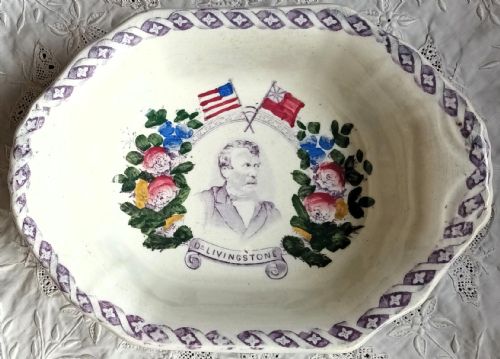
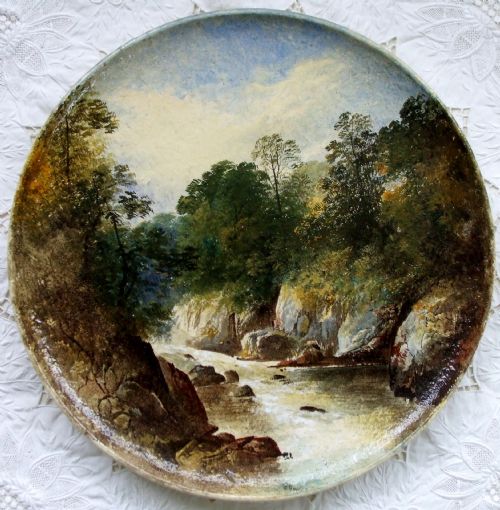
A victorian pottery platter encompasses large serving pieces, meat plates, and decorative chargers originating from nineteenth-century British production. These items emerge from periods spanning Georgian through Edwardian eras, with Victorian styles dominating the selection.
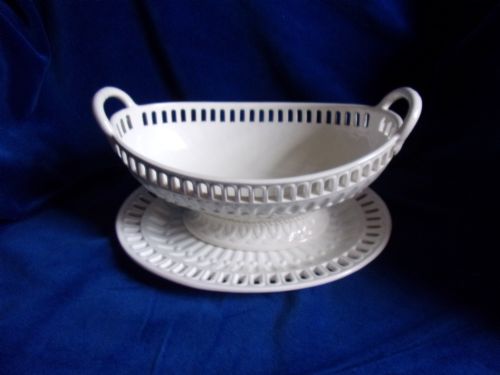
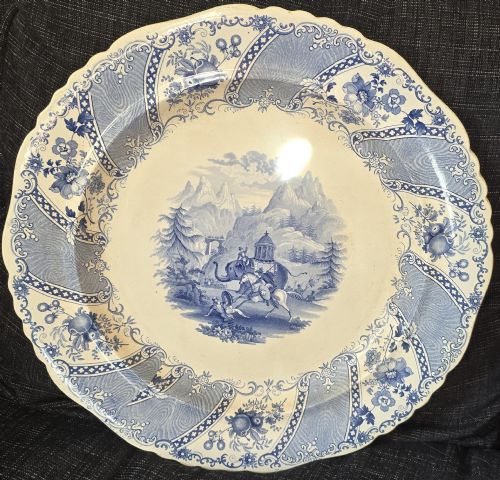
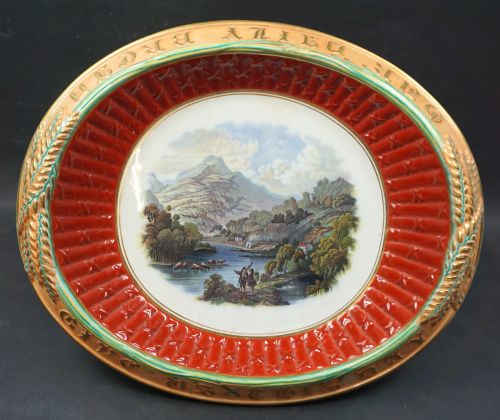
Makers shaped these utilitarian and decorative objects in earthenware, ironstone, and creamware to serve grand dining functions. The standard versions encountered on this page include blue and white transferware meat dishes and richly coloured majolica designs.
Materials and Technique
Potters utilised durable earthenware and dense ironstone bodies, applying lead glazes to seal the porous ceramic surfaces. Transfer printing techniques allowed workshops to transfer intricate blue and white patterns onto large platters with consistent precision.
Enamel decorations and flow blue applications added layered colour depth before final kiln firings. Artisans also modelled relief elements directly into the clay body for majolica and bread platters.
Victorian Pottery Platter Retail Price Guide 2026
Typical asking prices for victorian pottery platter among the pieces listed under this phrase on Sellingantiques today, from the lower quarter to the upper quarter. They describe what is for sale here now, not the wider market.
Listings feature earthenware, ironstone, and creamware spanning the nineteenth century, with Victorian and Georgian styles dominating the ceramic forms.
Judging Quality
Quality rests upon the crispness of the transfer print and the registration of multi-coloured enamel pigments. Finer pieces demonstrate careful kiln placement and minimal warping across wide ceramic expanses.
Artistic execution sets premier chargers and platters apart from standard utility wares, particularly in hand-painted details and sculptural relief modeling. The depth of the glaze and the clarity of the maker mark further distinguish superior examples.
William Smith & Co·Pratt Ware·Copeland and Garrett·John Ridgway·Mintons·Mason's Ironstone·Elkin Knight and Bridgwood
The Victorian Pottery Platter Glossary
- Transferware
- Ceramic decorated by pulling a printed design from an engraved copper plate onto tissue paper, then transferring it onto the unglazed or bisque-fired clay. This method enabled mass production of detailed pictorial scenes.
- Ironstone
- A dense, heavy ceramic perfected in the nineteenth century as a durable alternative to porcelain. It resists chipping and staining while providing a strong base for heavy serving platters.
- Majolica
- Low-fired earthenware coated with an opaque tin glaze and painted with brightly coloured metallic oxide pigments. Victorian potteries utilised this technique for sculptural tureens and heavily moulded serving dishes.
- Creamware
- A refined, pale yellow earthenware developed during the eighteenth century and continued into later periods. Its warm hue provided an ideal canvas for delicate painted borders and transfer prints.
- Flow blue
- A nineteenth-century transfer printing style where lime or ammonia chloride vapours were introduced into the kiln to deliberately blur the blue cobalt pigment. This created a soft, hazy aesthetic popular on large meat plates.
Victorian Pottery Platter: Frequently Asked Questions
How were these platters used originally?
Nineteenth-century households utilised large ceramic platters to serve roasted joints of meat and heavy courses at the dining table. They caught meat juices in central wells and provided a sturdy presentation surface for large gatherings.
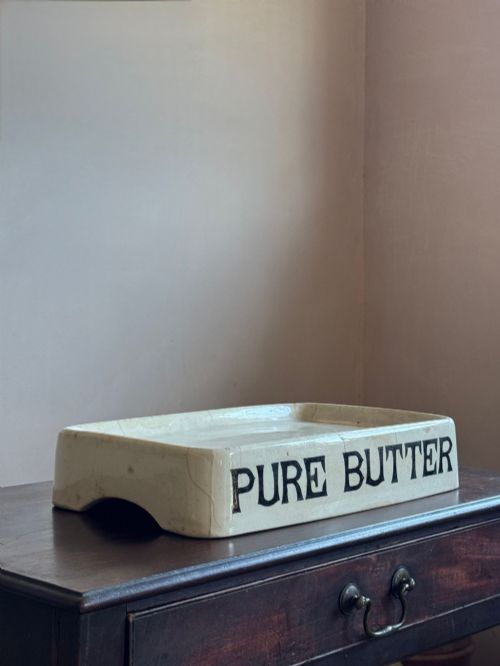
Beyond formal dining, specialised variations served bread, cheese, or butter in domestic pantries and grocers' shops. Their robust ceramic construction ensured they withstood daily household service.
Can I use antique platters for food today?
Most nineteenth-century earthenware and ironstone platters remain structurally sound for serving dry foods or bread at the table. Historic lead glazes suggest caution with high-acid foods or everyday microwave use.
Displaying them vertically on plate hangers or using them as decorative table centerpieces preserves the glaze surface from modern dishwasher wear.
What is the difference between ironstone and earthenware?
Ironstone is a heavily vitrified, dense ceramic formula designed to imitate Chinese porcelain while offering superior impact resistance. It fires at higher temperatures than standard earthenware, resulting in a heavier and less porous body.
Standard earthenware remains softer and more porous underneath its glaze layer. Both materials supported nineteenth-century transfer printing but served different durability requirements.
How do I date a nineteenth-century ceramic piece?
Dating relies on identifying impressed maker marks, registry diamond symbols, and specific transfer patterns recorded in factory archives. Stylistic cues like Victorian aesthetic motifs or Georgian border designs help narrow down the manufacturing decade.
Glaze characteristics and body weight also offer clues, as early creamware differs noticeably from late Victorian ironstone.