







Victorian Pottery Pedestal
These victorian pottery pedestal pieces are grand plant stands and jardinières designed to elevate indoor flora, bringing rich nineteenth-century colour and presence into a room.
Victorian Pottery Pedestal
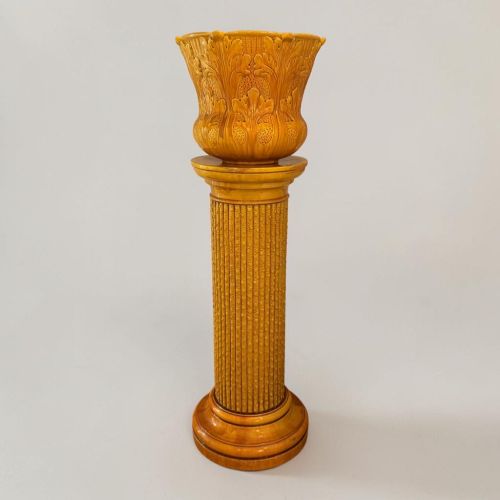
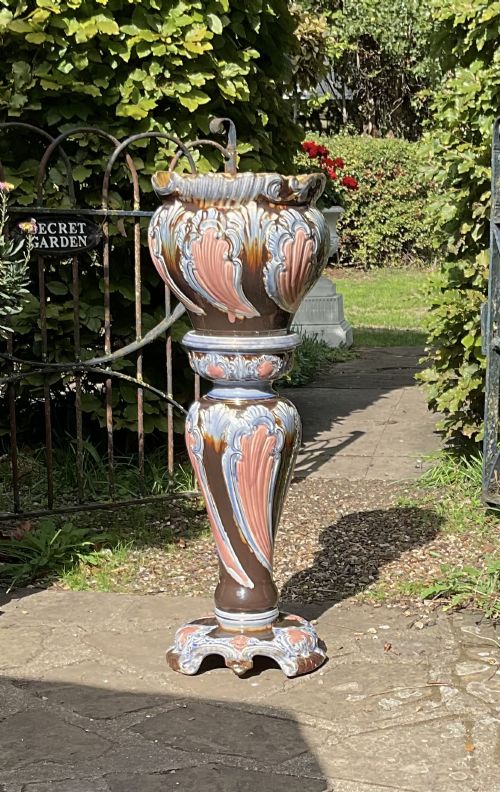
A victorian pottery pedestal usually combines a heavy supportive column with a matching bowl or jardinière, designed specifically to display large indoor ferns and palms. These substantial ceramic forms originate primarily from the nineteenth century, spanning various decades from the early eighteen-fifties through to Edwardian times.
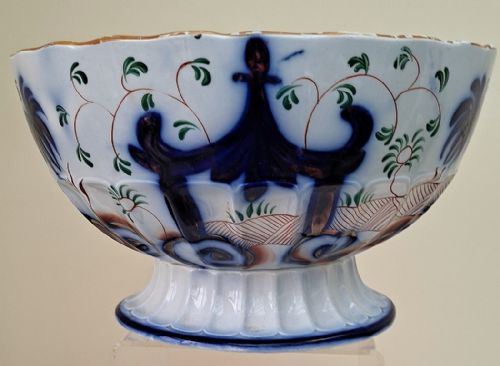
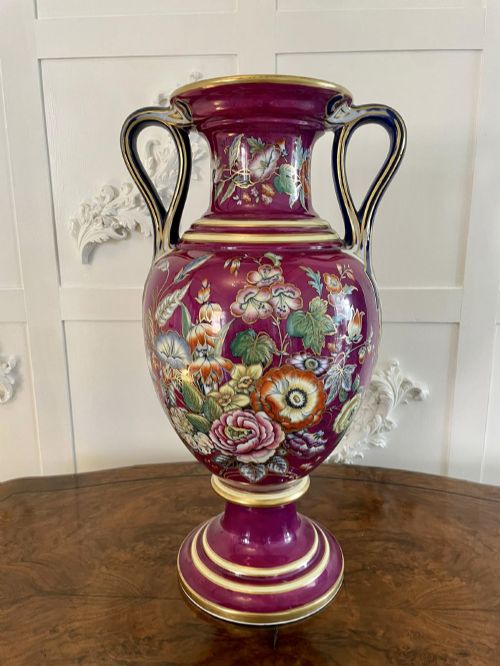
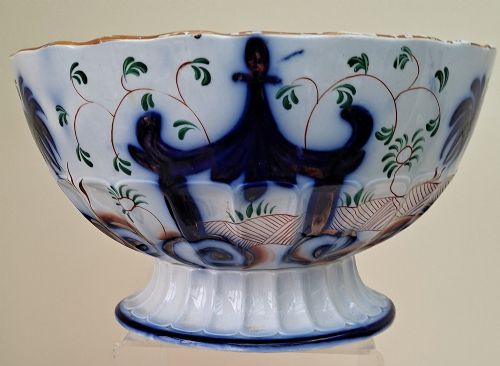
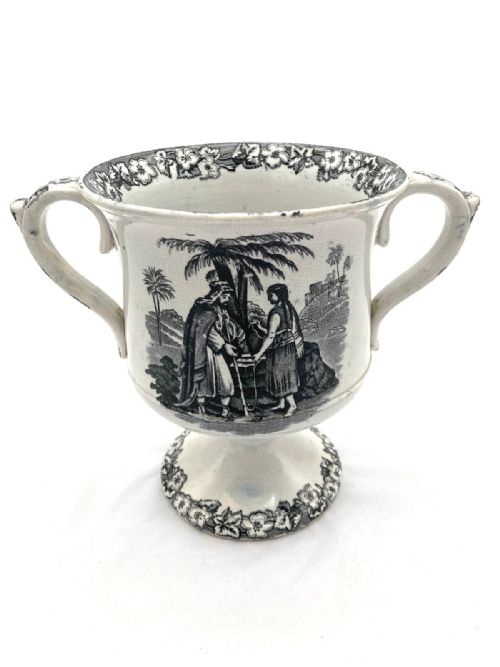
The objects take several distinct configurations, appearing as tall matching plant stands, monumental majolica display vessels, footed bowls, and twin-handled vases. Many survive as complete matching pairs or integrated sets where the jardinière rests securely atop its columnar base.
Makers and potteries explored numerous decorative movements across the period, resulting in styles that range from classical majolica and ornate Chinoiserie to flowing Art Nouveau and rustic earthenware. These diverse visual idioms allow the pieces to serve as both functional garden furniture for the parlour and striking sculptural centrepieces.
How They Were Made
Potters utilised robust earthenware, ironstone, and heavy stoneware to bear the substantial weight of these large architectural columns and bowls. The bodies were often moulded in sections, allowing makers to achieve complex naturalistic textures, fluted columns, and figural supports.
Surfaces received rich decorative treatment through the application of colourful glazes, transfer printing, and enamel painting. Majolica glazes were frequently layered over moulded relief work to create deep translucent pools of colour, while specialised lustre finishes added metallic iridescence.
Victorian Pottery Pedestal Retail Price Guide 2026
Typical asking prices for victorian pottery pedestal among the pieces listed under this phrase on Sellingantiques today, from the lower quarter to the upper quarter. They describe what is for sale here now, not the wider market.
Certain nineteenth-century transfer-printed mugs secretly hid ceramic frogs inside, ready to surprise anyone finishing their drink.
What Varies in Quality
Quality rests heavily on the crispness of the original moulding and the depth of the glaze application. Superior examples display sharply defined relief details, such as naturalistic foliage or human figures, without blurring from worn moulds.
The complexity and ambition of the design separate standard production wares from the masterworks of prominent potteries. Pieces featuring intricate multi-fired lustre effects, hand-painted transfer details, or sculptural figures by recognised modellers command greater artistic interest.
Royal Doulton·Burmantofts Art Pottery·Clement Massier·Minton·Julius Dressler·Woodlesford Art Pottery·Masons
The Victorian Pottery Pedestal Glossary
- Jardiniere
- An ornamental ceramic pot or bowl designed to hold a plant or flower arrangement. They often sit directly upon matching pedestals or floor stands.
- Majolica
- A type of pottery glazed with an opaque tin-lead enamel and painted with colourful metal oxides. It became exceptionally popular during the Victorian era for its vibrant hues and heavy relief moulding.
- Ironstone
- A dense, durable type of earthenware patented in the nineteenth century to imitate Chinese porcelain. It provides a strong body suitable for large decorative vessels.
- Slaterware
- A Victorian ceramic technique involving textured clay bodies that mimic the rough surface of slate. Potteries often highlighted these areas with bronze or gilt accents.
- Comport
- A decorative footed bowl or dish used for serving fruit or displaying items on a table. These pieces often feature prominent pedestal bases.
Victorian Pottery Pedestal: Frequently Asked Questions
What is a victorian pottery pedestal used for?
These tall ceramic columns and matching bowls were created to display large indoor palms and ferns in nineteenth-century drawing rooms. Raising the plants allowed foliage to cascade downward while protecting parlour floors.
Today, they function as substantial decorative accents in entryways or living spaces, holding heavy planters or standing alone as sculptural forms.
How do I care for a majolica jardiniere?
Majolica glazes require gentle treatment to preserve their vibrant surface colours and glossy finishes. Dust the piece regularly with a soft cloth and avoid abrasive cleaning materials.
If used for live plants, place a waterproof liner inside the bowl to prevent moisture from seeping into the historic porous ceramic body.
Are pedestal stands and bowls usually sold together?
Many surviving examples remain as paired sets where the jardinière and the supporting column were manufactured together as a single harmonious unit. The designs often incorporate interlocking rims or matched glazes to secure the top vessel.
Individual bowls and columns do occasionally separate over time, making complete matching assemblies particularly notable for collectors.
How can I tell Art Nouveau from earlier Victorian styles?
Art Nouveau examples from the late nineteenth and early twentieth centuries embrace fluid, organic lines and stylised floral motifs. They frequently feature iridescent lustre glazes rather than the heavier, saturated polychrome colours typical of mid-century majolica.
Earlier Victorian pieces tend to rely on classical revival themes, geometric patterns, or naturalistic bark and branch textures.