


Victorian Portrait Vessel
These pieces sold as a victorian portrait vessel encompass hand-painted ceramics and commemorative pottery depicting notable figures and ships from the nineteenth century.
Victorian Portrait Vessel
Makers utilised earthenware and porcelain bodies to capture detailed likenesses, often incorporating gilt accents or hand-painted botanical borders. These items serve as tangible records of maritime history and royal jubilees from the Victorian era.
Materials and Manufacturing Techniques
Potters shaped local clays into sturdy jugs and vases before applying slip and lead-based glazes to create a smooth surface for hand-painting or transfer printing. Kiln firing fixed the cobalt blues, enamels, and gilded highlights onto the ceramic body.
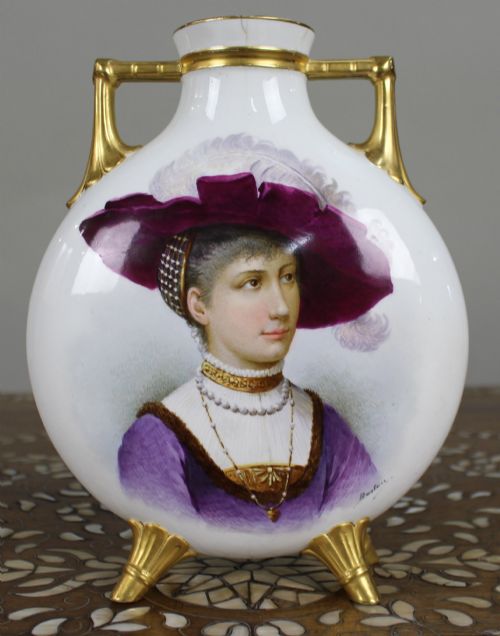
Continental porcelain factories employed fine-paste formulations to achieve translucent walls suitable for delicate portrait miniatures. Artisans then applied gold leaf by hand around the rims and handles to finish each piece.
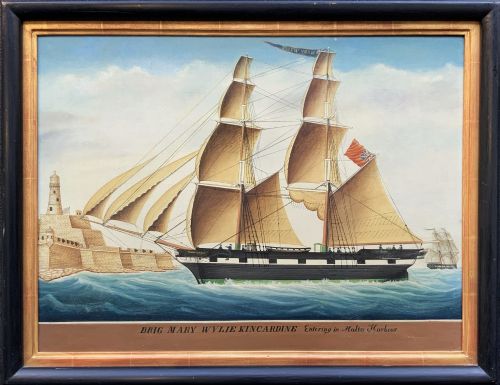
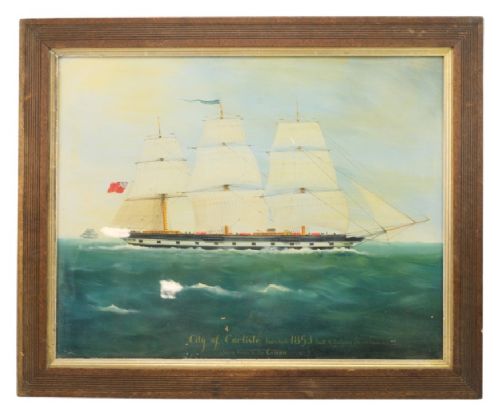
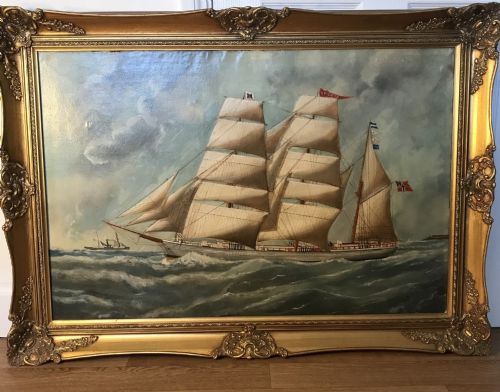
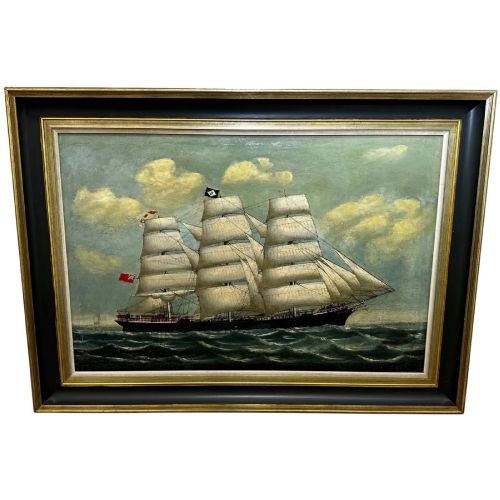
Current listings demonstrate a distinct crossover between ceramic portrait vessels and nineteenth-century marine art, utilising canvas, oil paint, and porcelain.
Assessing Craftsmanship and Detail
The weight of the ceramic body and the crispness of the moulded relief work indicate the skill of the original workshop. Rich application of gilding and well-preserved enamel colours separate standard production items from superior studio pieces.
Doulton Lambeth·Royal Vienna
The Victorian Portrait Vessel Glossary
- Giltwood
- Wood carved and treated with a thin layer of gold leaf. This finish often appears on frames associated with maritime paintings and works on paper.
- Moon Flask
- A flattened circular vase with a short neck and two small handles. This distinct shape provided a wide surface area for painted portraits and decorative scenes.
- Transfer Printing
- A method of applying engraved designs to ceramics using paper or tissue. Manufacturers utilised this technique to duplicate historical portraits efficiently across multiple jugs.
- Porcelain
- A ceramic material made by heating raw materials in a kiln to high temperatures. It yields a white, non-porous body that accepts fine enamel painting.
Victorian Portrait Vessel: Frequently Asked Questions
What is a victorian portrait vessel?
A victorian portrait vessel is a ceramic jug, vase, or pitcher decorated with the likeness of a historical figure, monarch, or ship. These items were produced by British and continental potteries during the nineteenth century.
Many pieces celebrated royal events such as jubilees or recorded famous maritime vessels. They combine functional ceramic forms with commemorative portraiture.
How were these vessels used originally?
These ceramic pieces served both decorative and commemorative purposes in nineteenth-century homes. Large jugs held liquids during gatherings while displaying patriotic imagery on sideboards.
Smaller vases functioned purely as mantelpiece ornaments. Owners displayed them to demonstrate loyalty to the monarch or interest in maritime commerce.
How do I date a portrait vessel?
Dating relies on the ceramic body, glaze characteristics, and the historical subject depicted. Commemorative pieces often bear inscriptions relating to specific royal jubilees or historical events.
Maker marks stamped into the ceramic base provide further chronological clues. Stylistic details in the clothing of the portrait subject also indicate the decade of manufacture.
How do I clean and care for them?
Careful dusting with a soft dry cloth maintains the painted surface without harming the glaze. Moisture can damage old enamels and vulnerable gold leaf.
Keep these ceramics away from direct sunlight to prevent fading of the hand-painted colours. Avoid using chemical cleaners or immersing antique earthenware in water.