


Portrait Painted Vase
A portrait painted vase brings together figurative art and ceramic form, offering a distinct focal point for a room.
Portrait Painted Vase
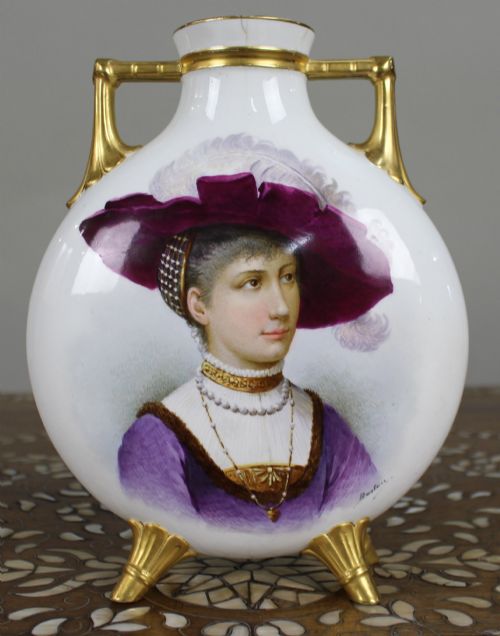
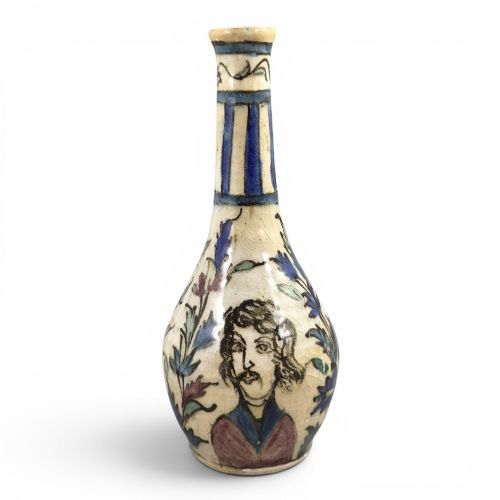
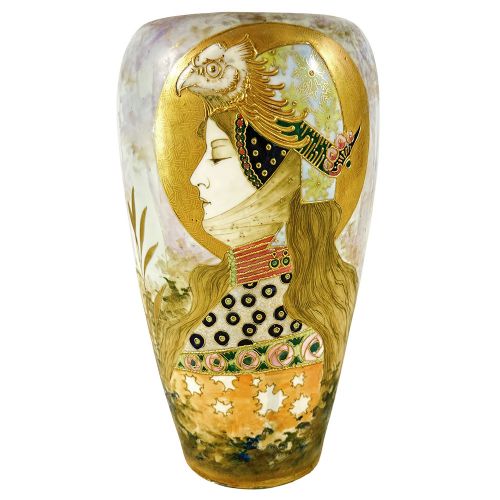
A portrait painted vase combines ceramic vessels with detailed human likenesses, spanning periods from the seventeenth century to the twentieth century. These pieces take various forms, including moon flasks, bottle vases, lidded vessels, and mantle lustres.
The styles associated with these items range from Victorian and Late Victorian to Art Nouveau, Rococo Revival, Baroque, Neoclassical, and the Qajar Dynasty. Continental European workshops and Persian kilns both contributed distinct examples to this tradition.
Buyers will encounter porcelain, pottery, and Bohemian glass versions on this page, often augmented with hand painting, gilding, enamel, and gold leaf. The portraits themselves vary from specific historical or societal figures to stylized regional depictions.
Materials and construction methods
Potters shaped these vessels using traditional ceramic and glassblowing techniques, producing forms such as heavy Bohemian glass trios and delicate porcelain moon flasks. The structural body provided a stable canvas for subsequent surface decoration.
Artisans applied enamel, gold leaf, and gilding by hand to accentuate the contours and borders of the ceramic or glass bodies. Portrait panels were carefully painted onto the fired surface and refired to fuse the pigments permanently.
At least one nineteenth-century glass trio insists on wearing overlaid portraits like tiny, silent dinner guests.
Assessing quality in portrait painted ceramics
The refinement of the facial rendering sets finer pieces apart, distinguishing careful brushwork from mechanical or hasty application. Artists who captured subtle expressions and realistic skin tones achieved a higher standard of execution.
The integration of the portrait into the overall design of the vase determines visual balance. Superior examples align the gilding, enamel work, and surrounding motifs harmoniously with the central painted subject.
Reissner, Stellmacher and Kessel·Royal Vienna
The Portrait Painted Vase Glossary
- Moon flask
- A flattened circular vase with a short neck and two small handles, often decorated with a central painted panel on both sides. This form gained popularity during the nineteenth century in European and Asian production.
- Mantle lustre
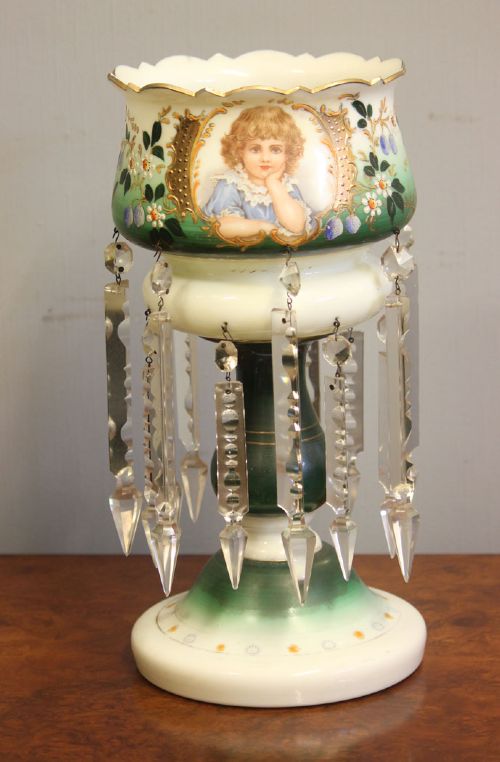
- An ornamental vase hung with cut glass prisms designed to reflect candlelight from a fireplace mantel. These pieces frequently feature hand painted scenes or gilt detailing.
- Bleu céleste
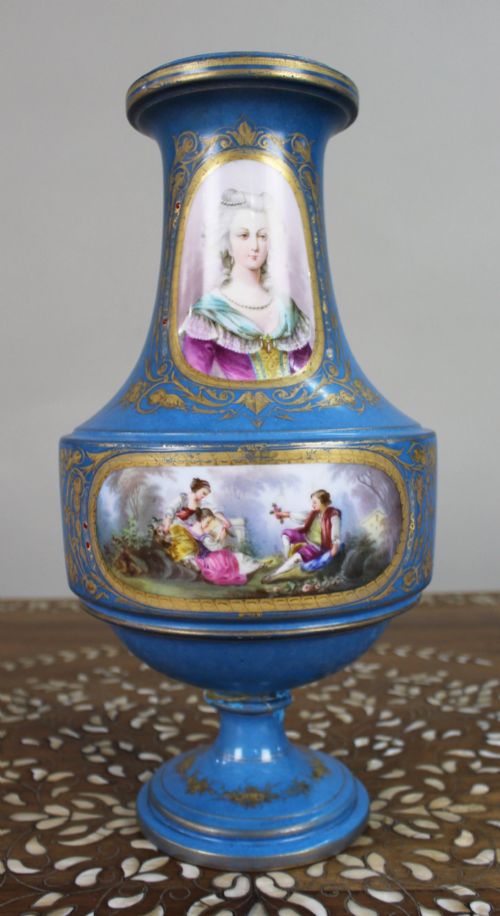
- A bright sky-blue enamel ground colour developed at the Sèvres porcelain factory in France during the eighteenth century. It served as a rich backdrop for reserved painted panels.
- Gilding
- The application of gold leaf or gold powder to the surface of ceramic or glass objects. It highlights rims, handles, and framing borders around painted portraits.
- Enamel
- Opaque or translucent glass fused to a ceramic or metal base through firing. It provides vibrant, durable colour for detailed miniature painting.
Portrait Painted Vase: Frequently Asked Questions
How do I care for a painted vase?
Dust these pieces gently with a soft, dry cloth to protect delicate surface gilding and enamel work. Avoid using water or chemical cleaners, which can damage historic hand-painted details.
Keep the vase out of direct sunlight to prevent the pigments and gold leaf from fading over time. Handle the vessel by its body rather than delicate handles or rims.
Are these vases functional or decorative?
Most portrait painted vases serve primarily as decorative mantel or cabinet pieces rather than functional vessels for water. Their historic glazes and applied gold leaf are sensitive to moisture and frequent handling.
Displaying them securely on a stable surface ensures the painted portraits remain visible without risking accidental knocks. Garniture sets and mantle lustres are traditionally arranged as balanced ornamental groupings.
What periods do these pieces come from?
The selection includes items spanning several centuries, with a strong representation from the nineteenth century. Pieces range from seventeenth-century pottery to twentieth-century porcelain and glass.
Specific design traits, such as Victorian gilding or Art Nouveau styling, help anchor individual pieces within their respective eras. Regional traditions, including Qajar Persian pottery, add further historical diversity.
How are portraits applied to glass and porcelain?
Artists painted fine details by hand using specialised ceramic or glass enamels before firing the piece in a kiln to set the pigments. Gilding and gold leaf were often added in a secondary firing stage to ensure proper adhesion.
Some examples utilise transferred outlines finished with hand-painted touches, while others feature entirely freehand miniature portraits. The precision of the brushwork typically reflects the skill level of the originating workshop.