



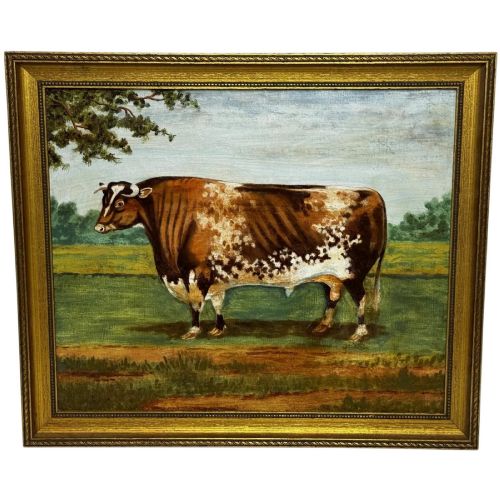
Victorian Portrait in Gilt Frame
When you search for a victorian portrait in gilt frame, you discover mid to late nineteenth-century character studies and likenesses bound in gilded wood.
Victorian Portrait in Gilt Frame
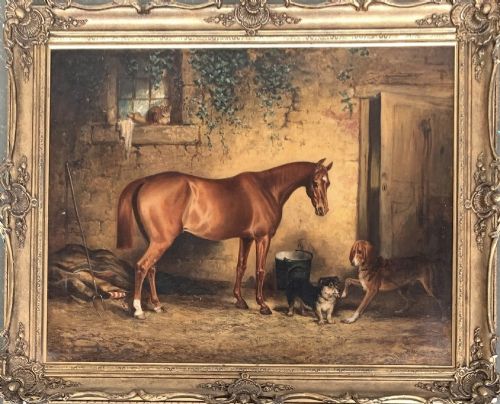
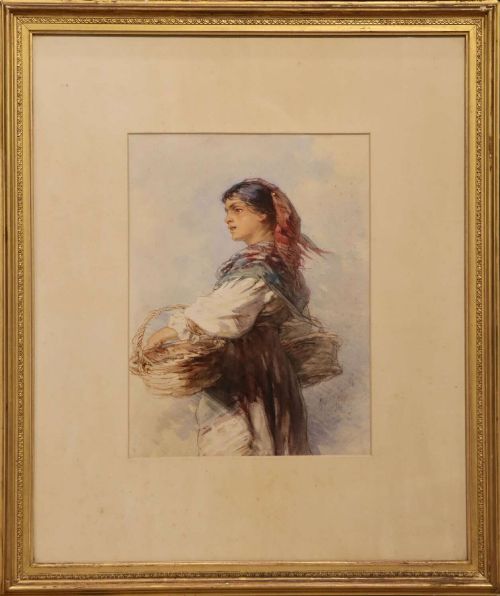
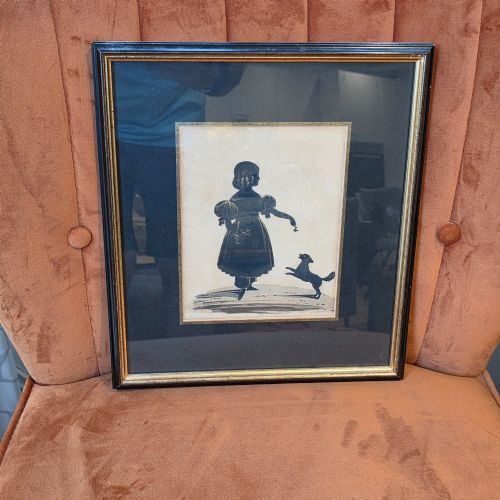
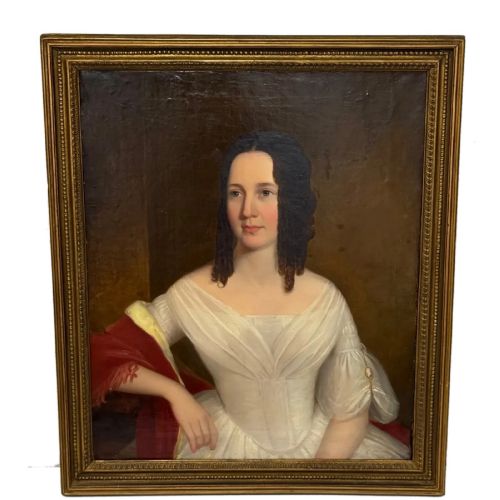
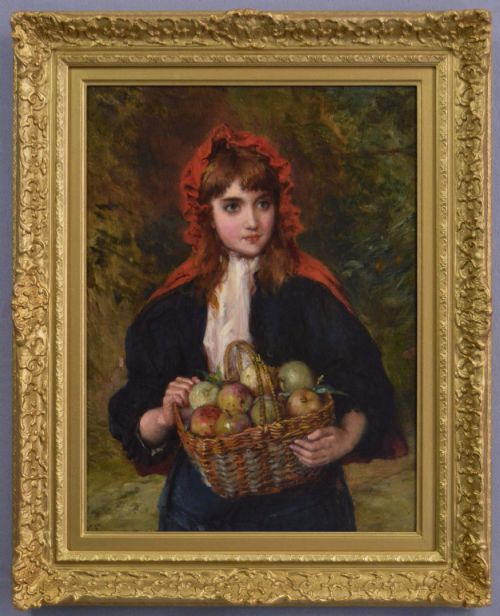
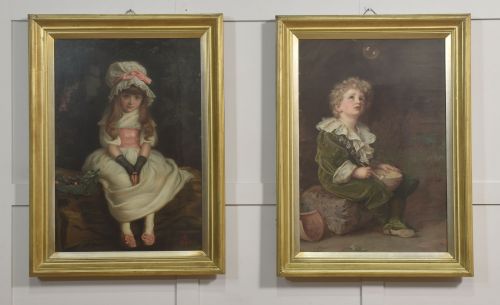
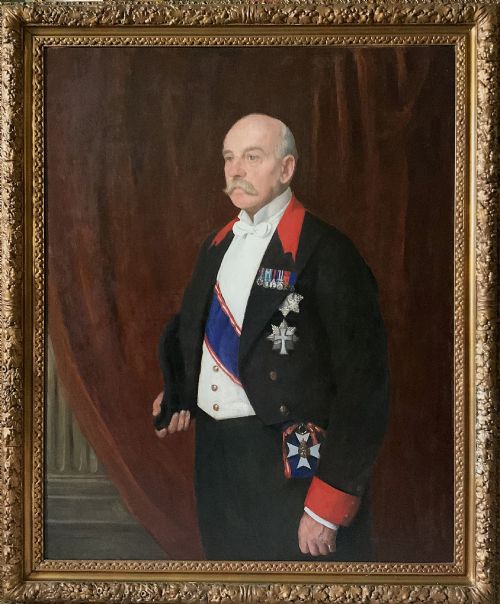
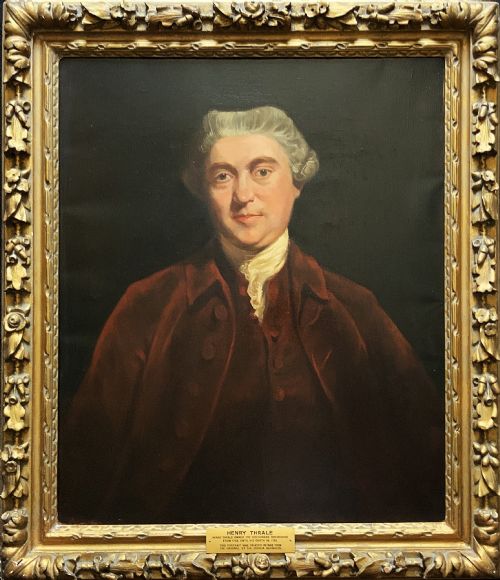
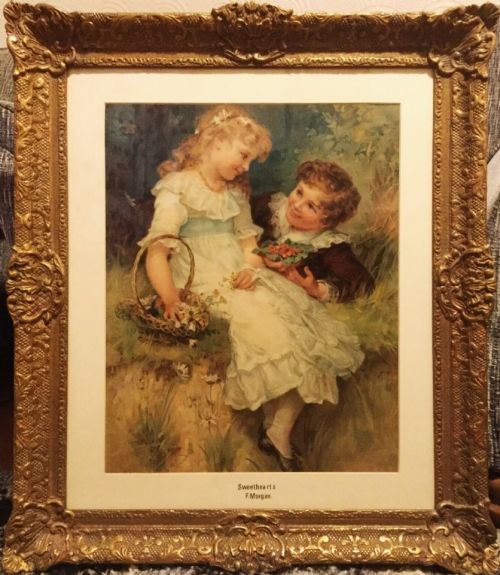
A victorian portrait in gilt frame brings together historical oil paintings on canvas or panel and works on paper housed within gilded surrounds. These pieces capture sitters ranging from prominent figures and children to animals and domestic subjects.
The selections span nineteenth-century academic and realist schools alongside regional British and European works. Surviving examples often retain their original swept or moulded surrounds, preserving the complete object as it hung centuries ago.
How they were made
Artists painted primarily with oil on canvas or wood panels, occasionally employing watercolour, pastel, or needlework on fabric. Canvases were stretched over wooden frames and secured before application of the pigments.
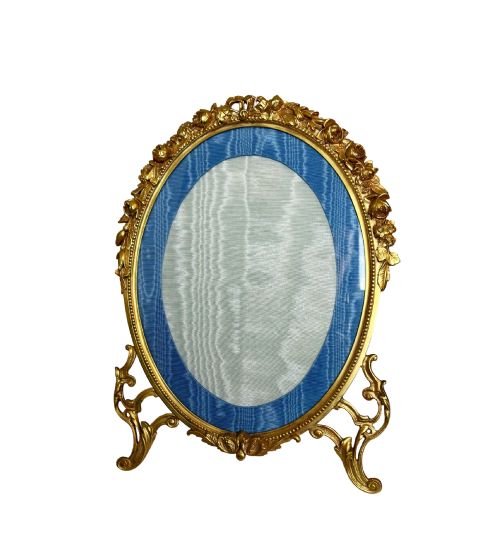
The accompanying surrounds utilise carved wood, gesso, and giltwood to create ornate decorative profiles. Craftsmen applied thin layers of gold leaf or gilt finish over moulded plaster or carved timber foundations.
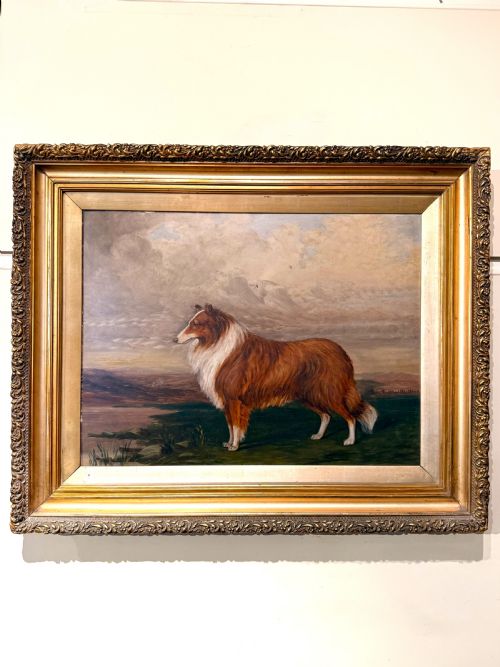
Several portraits star beloved family pets, proving that Victorians loved immortalising their spaniels in gold just as much as their children.
What varies in quality
The precision of the brushwork and the anatomical accuracy of the sitter dictate the standard of the painting. Master hands achieve depth in fabrics and lifelike expressions in the eyes and skin tones.
The integrity of the surrounding gilded border influences the overall character of the piece. Crisp, deep moulding relief and intact original gilding represent superior craftsmanship compared to worn or heavily restored surrounds.
William James Hubard·John Maler Collier·Vittorio Reggianini·Albert Clark·Howard Helmick
The Victorian Portrait in Gilt Frame Glossary
- Giltwood
- Timber that has been decorated with gold leaf or a gold-coloured metallic finish. This material forms the primary structure of many decorative nineteenth-century picture frames.
- Gesso
- A plaster-like mixture applied to wood frames to create a smooth surface for moulding and gilding. Artisans carved intricate relief patterns directly into this hardened preparation.
- Oil on Canvas
- Pigments mixed with drying oils applied to a woven fabric support. This combination provides durability and allows for subtle blending of tones.
- Swept Frame
- A picture frame style featuring curved, flowing ornamental moulding corners and edges. These surrounds became popular during the nineteenth century for exhibiting formal portraits.
Victorian Portrait in Gilt Frame: Frequently Asked Questions
How do I date a painted portrait?
Examination of the sitter's costume, hairstyle, and painting technique offers the most reliable chronological indicators. Portrait styles shifted noticeably across the nineteenth century from formal Regency attire to later Victorian dress.
Stretcher construction, canvas stamps, and framing methods provide additional physical clues. Makers marks or inscriptions on the reverse of the canvas or panel often record exact dates or studio locations.
Are original frames important?
The surround contributes significantly to the historical integrity and visual balance of the artwork. Many nineteenth-century paintings were specifically paired with ornate gilt borders designed to complement the subject.
Matched frames that share the same period wear as the canvas hold higher regard among collectors. Replacing a lost surround requires finding a period-appropriate piece that matches the dimensions and style.
How should I clean a gilded frame?
Dusting gently with a dry, soft brush is the safest method for maintaining gilded wood surfaces. Moisture and chemical cleaners can dissolve historical gold leaf and damage the underlying gesso.
Professional conservators should handle any structural repairs or deep cleaning of fragile plaster mouldings. Preventing exposure to direct sunlight and high humidity preserves both the canvas and the gilt finish.
What subjects appear most frequently?
Human likenesses dominate the category, ranging from commissioned portraits of gentlemen and ladies to children and actors in character. Domestic animals, particularly dogs and horses, also feature prominently in nineteenth-century works.
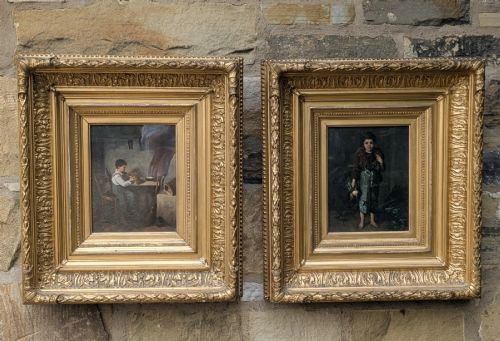
Genre scenes and devotional miniatures provide alternative subjects within gilded enclosures. Each genre reflects the prevailing tastes and domestic interests of Victorian society.