
Victorian Porcelain Painting
Victorian porcelain painting brings together delicate ceramic forms and meticulous hand-rendered artwork from the nineteenth century.
Victorian Porcelain Painting
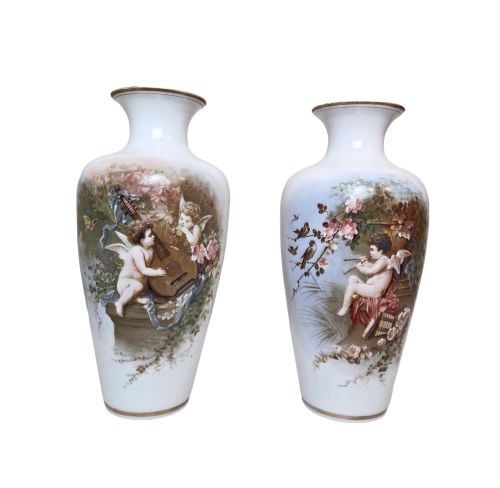
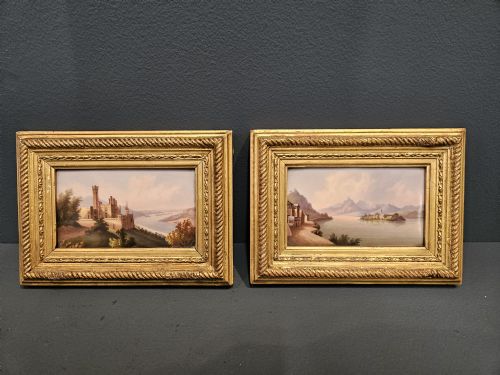
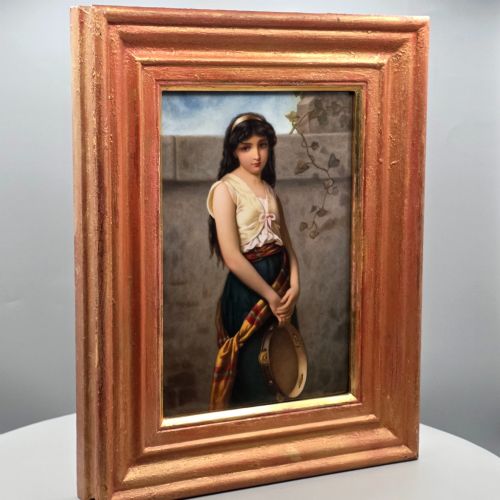
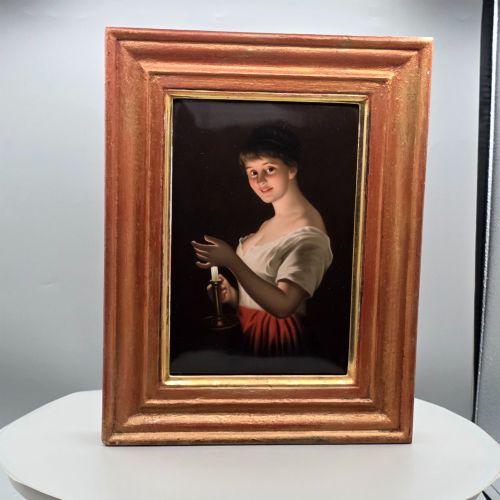
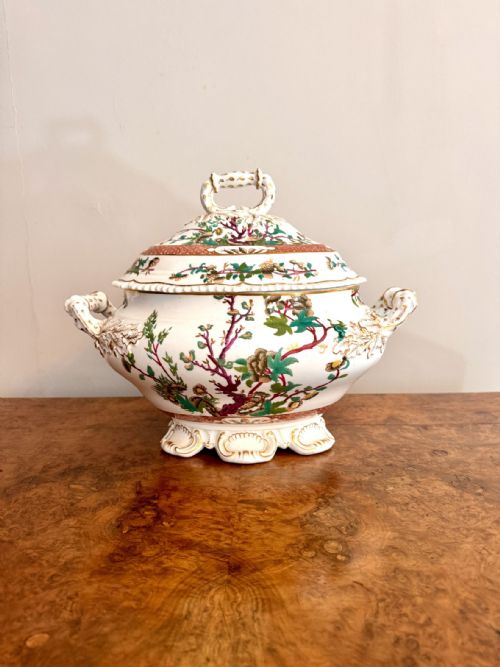
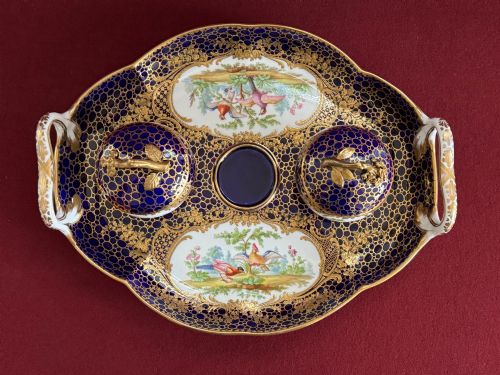
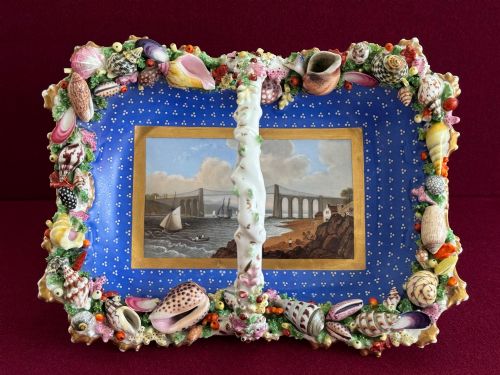
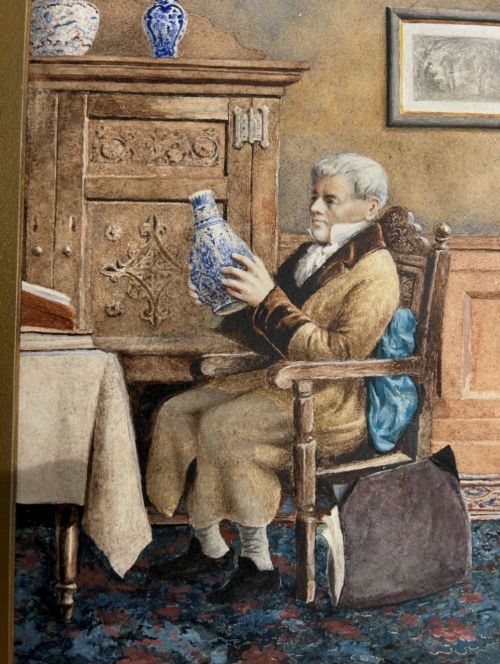
Victorian porcelain painting encompasses hand-decorated ceramic pieces produced across Europe and Asia during the nineteenth century, including vases, chargers, plaques, and mantel clocks. Buyers searching this phrase typically encounter items adorned with botanical studies, ornithological scenes, portraits, and classical figures executed by skilled ceramic artists.
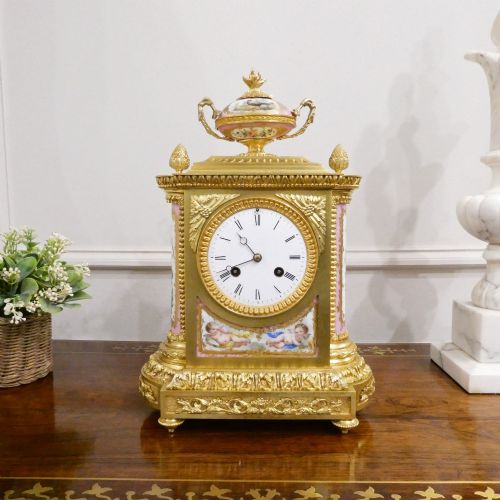
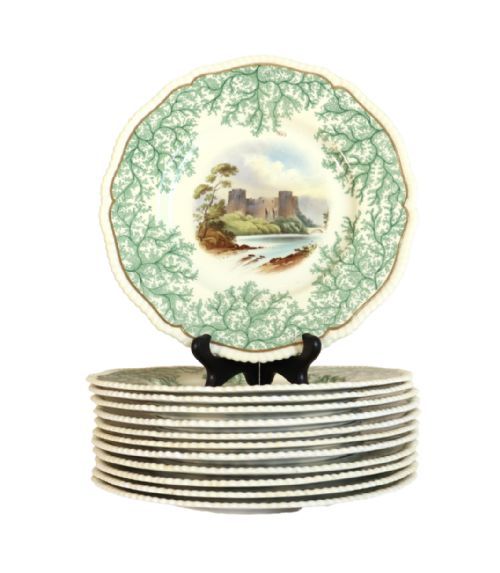
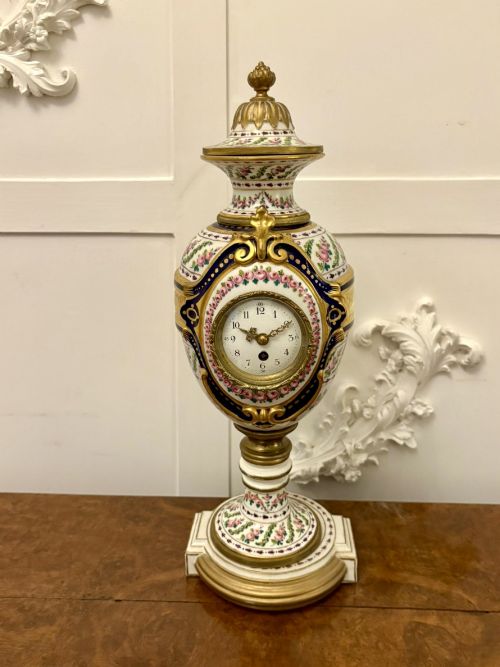
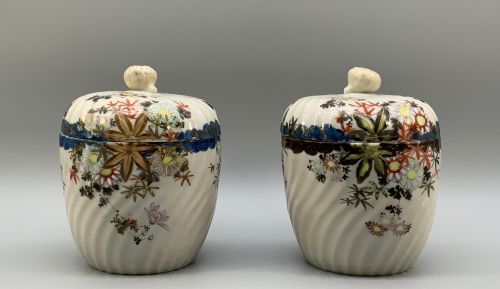
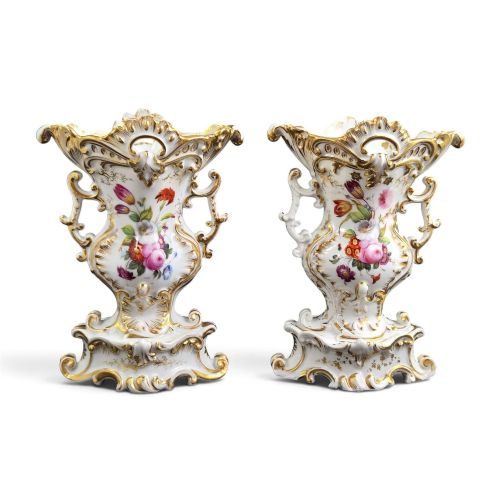
The objects appearing on this page span English manufactories like Royal Worcester, Minton, and Coalport alongside continental establishments such as Sevres, Meissen, and Jacob Petit. Forms range from cabinet plates and lidded potpourri jars to monumental urns and miniature devotional panels.
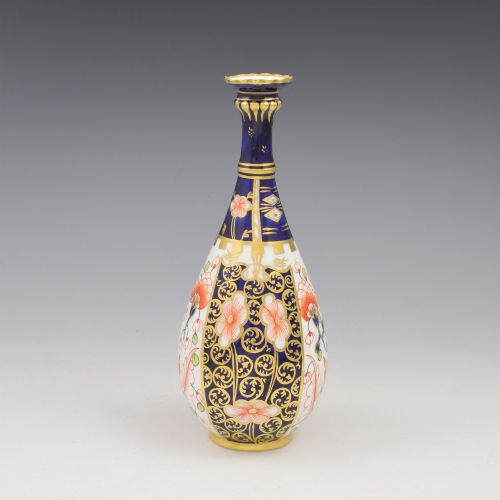
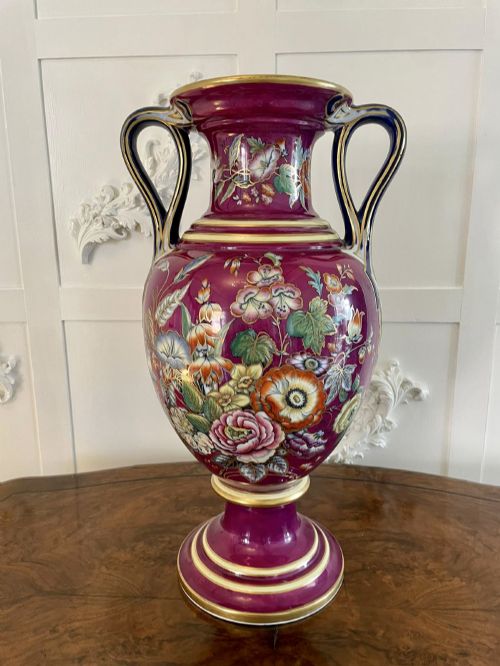
Stylistic influences vary widely across the selection, moving from exuberant Rococo Revival curves to precise Aesthetic Movement compositions and Japanese-inspired motifs. The painted surfaces serve as a primary focus, transforming functional vessels and decorative items into canvases.
Materials and methods of decoration
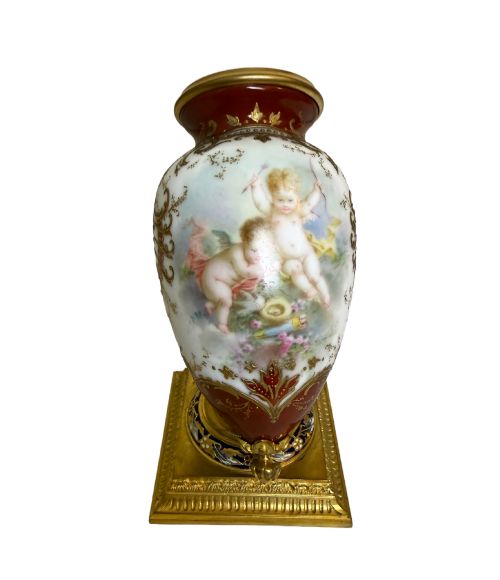
Artisans applied metallic oxides and enamel pigments directly onto raw or previously fired ceramic bodies, utilising porcelain, earthenware, and porcelaneous pastes. Subsequent kiln firings fused the colours into the glaze, often supplemented by hand-applied gold leaf, gilding, and gilt bronze mounts.
Many items combine traditional potting techniques with elaborate metalwork framing, such as ormolu mountings on French clocks and vases. The physical construction frequently involves multiple components, uniting turned clay bodies with meticulously brushed miniature compositions.
Several pieces combine fine art with practicality, including a walking stick featuring a concealed porcelain painting and sword.
Assessing quality in painted ceramics
The standard of execution in the brushwork dictates the overall quality of any piece, separating mass production from fine studio output. Skilled artists achieved remarkable fine detail in facial expressions, plumage, and botanical accuracy, whereas lesser examples rely on mechanical transfer printing or hasty brushstrokes.
The integrity of the gilding and the preservation of the enamel colours over time also differentiate tiers of craftsmanship. Superior items display crisp relief work, balanced composition across complex curved surfaces, and well-integrated mounting hardware.
Spode·Sevres·Jacob Petit·Royal Worcester·Meissen·Sitzendorf·Minton
The Victorian Porcelain Painting Glossary
- Porcelain
- A hard, white, translucent ceramic substance composed of kaolin and petuntse fired at high temperatures. It forms the primary smooth ground required for detailed nineteenth-century miniature painting.
- Gilding
- The application of gold leaf or powdered gold onto the surface of ceramic bodies or metal mounts. This technique provided ornamental borders and highlights around painted panels.
- Enamel
- Opaque or translucent glass-like substance fused to ceramic surfaces through firing to create permanent coloured designs. It allowed artists to achieve rich, glossy palettes.
- Ormolu
- Gilt bronze ornamentation cast and chased to mount porcelain vessels, clocks, and candelabra. This French technique elevated the status of decorative objects.
- Charger
- A large decorative plate designed to be displayed on a wall or dresser rather than used for dining. These wide surfaces frequently showcased elaborate historical or botanical paintings.
Victorian Porcelain Painting: Frequently Asked Questions
Were these items meant for display or use?
Most decorated porcelain from this era served ornamental roles in Victorian drawing rooms, displayed on mantelpieces, brackets, or within cabinets.
Larger items like chargers and painted plaques were strictly decorative, whilst tea sets and tableware saw occasional service during formal dining.
How can I identify the factory?
Look closely at the underside or base for maker's marks, impressed ciphers, or hand-written pattern numbers applied during manufacture.
Stylistic cues such as paste colour, glazing texture, and typical subject matter also help attribute unmarked pieces to specific European workshops.
What is the difference between transfer printing and hand painting?
Hand-painted items exhibit varied brushwork, subtle colour gradations, and slightly raised pigment textures under magnification.
Transfer-printed designs rely on dotted matrix patterns or continuous uniform lines applied mechanically before firing.