


Victorian Porcelain Display
When you search for victorian porcelain display, you are looking at cabinets and cabinet plates that bring together fine ceramics and rich timber framing.
Victorian Porcelain Display
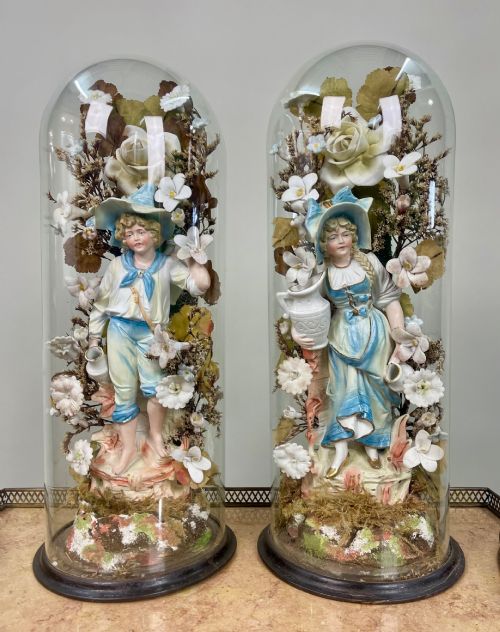
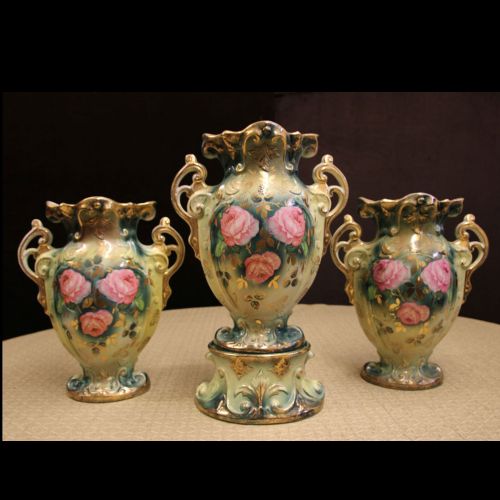
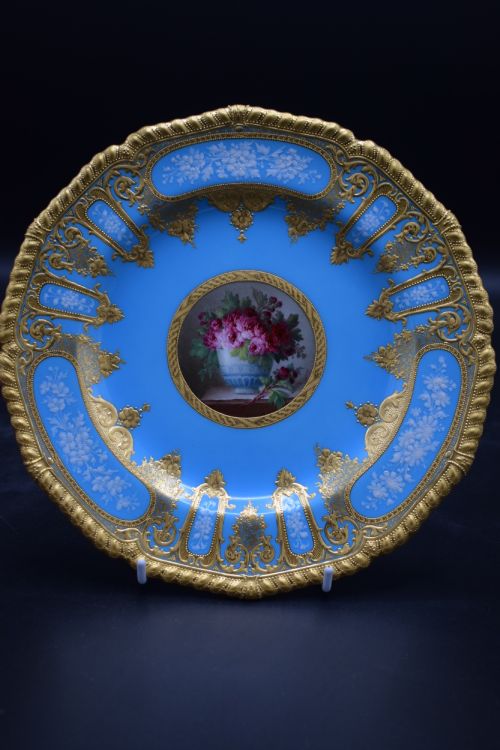
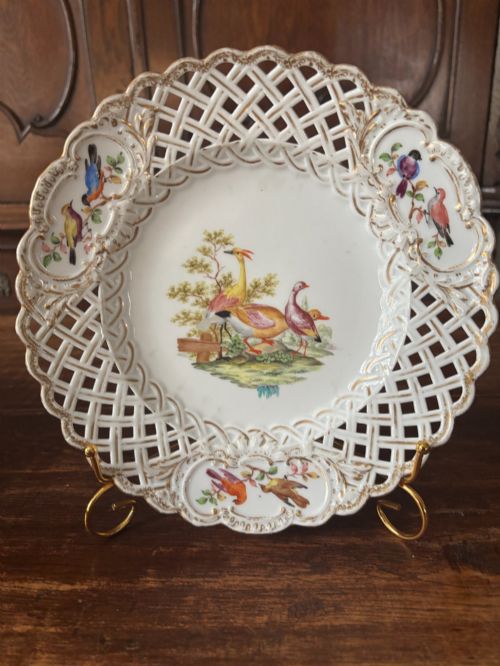
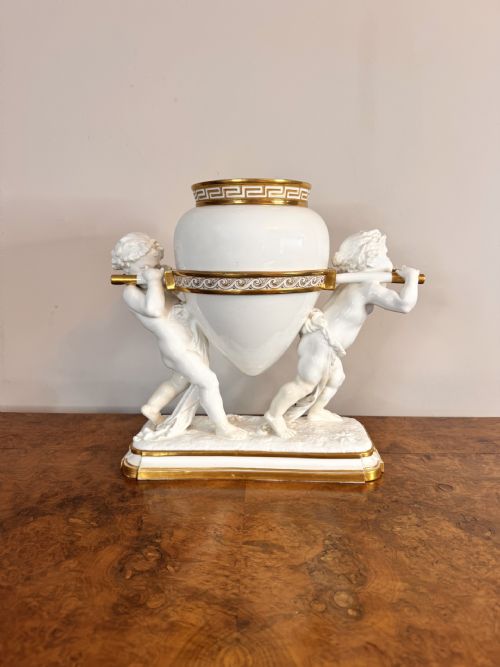
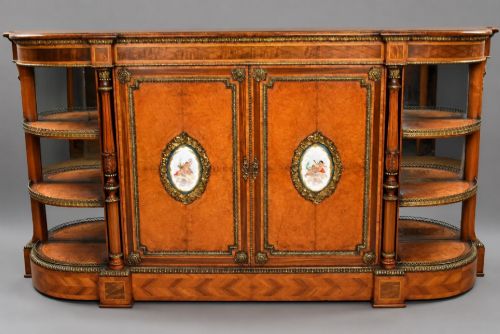
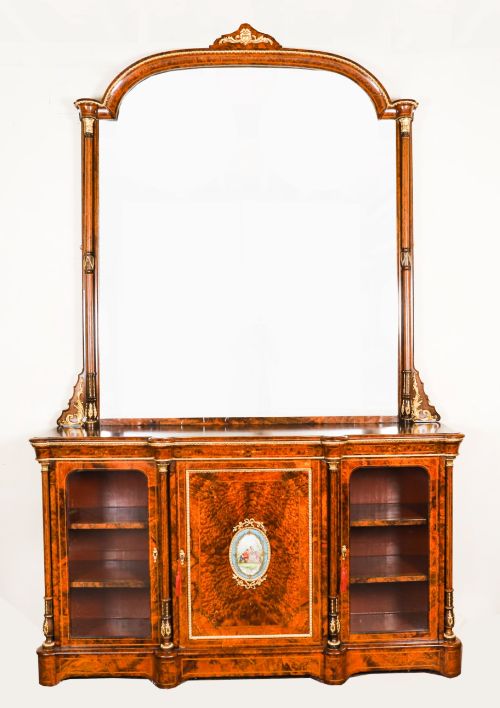
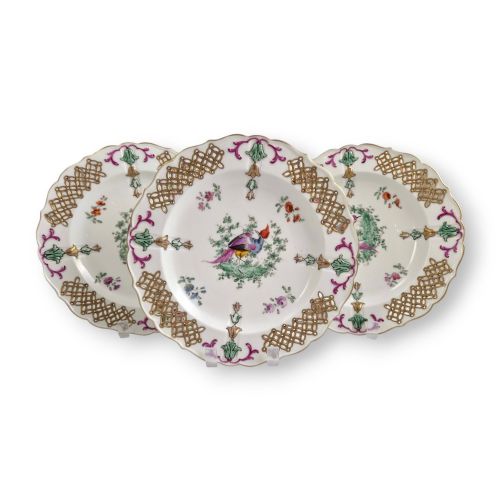
Victorian porcelain display pieces span both the ceramics designed to be shown off and the furniture built specifically to house them. Cabinet plates, dessert services and large centrepieces sit alongside burr walnut credenzas, pier cabinets and sideboards.
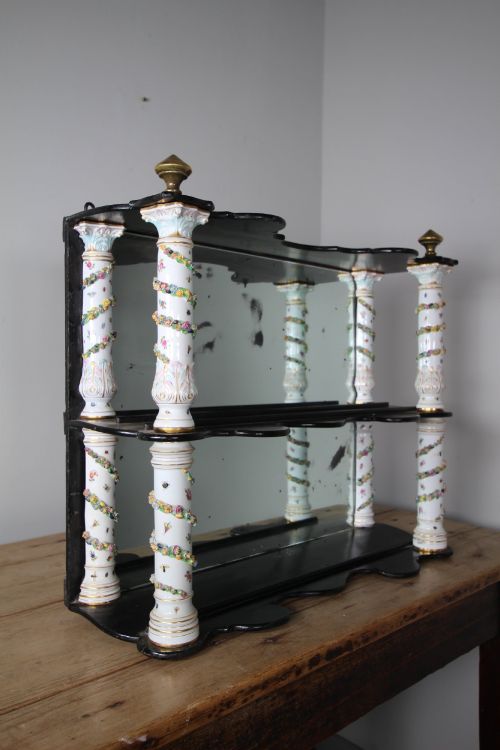
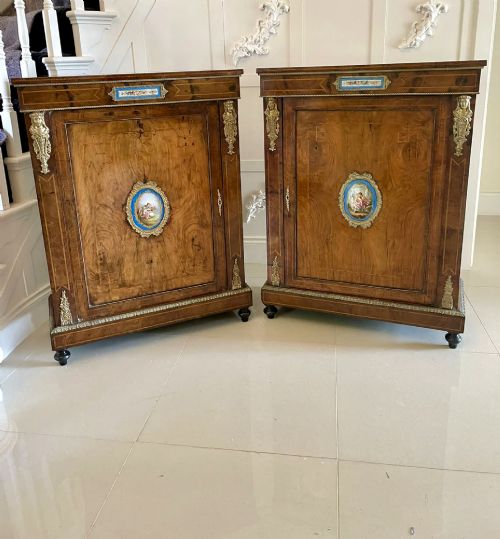
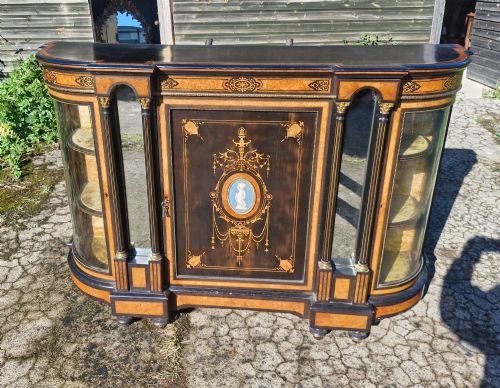
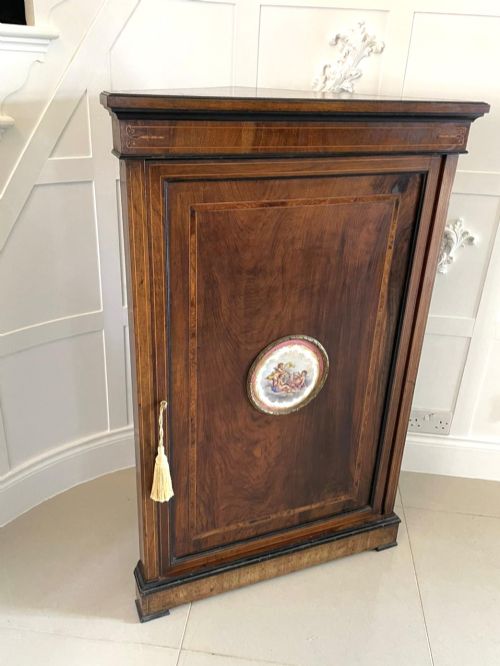
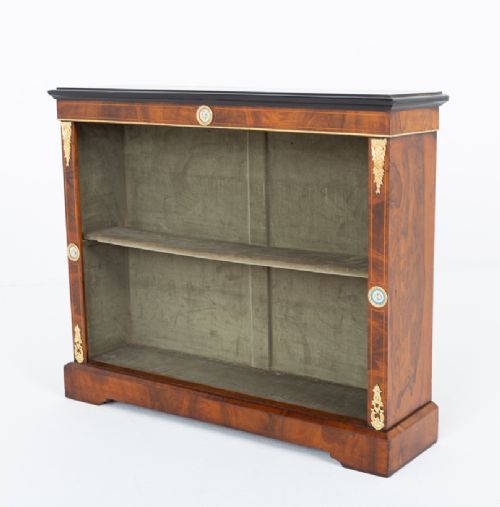
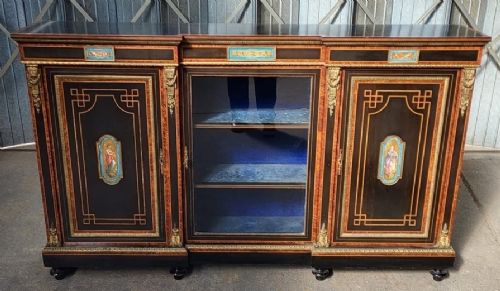
The version you are most likely to meet on this page is a piece of cabinetry featuring inlaid wood, glass doors or porcelain plaques set directly into the timber frame. These cabinets merge furniture making with the exhibition of fine ceramics.
Materials and Technique
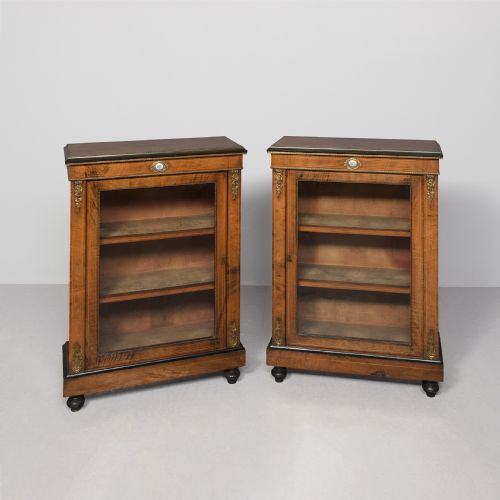
Makers utilised dense timbers such as burr walnut, ebonised wood and satinwood, often applying marquetry patterns and polished finishes. Ormolu mounts in cast brass provided structural accents and decorative borders around the woodwork and ceramic inserts.
Porcelain components included hand-painted plates, plaques and inset panels created in European and English potteries. Gilding with gold leaf highlighted the painted scenes, motifs and borders of both the ceramics and the furniture.
Victorian Porcelain Display Retail Price Guide 2026
Typical asking prices for victorian porcelain display among the pieces listed under this phrase on Sellingantiques today, from the lower quarter to the upper quarter. They describe what is for sale here now, not the wider market.
Listings feature 19th-century ceramics and furniture utilising burr walnut, ebonised wood, ormolu and porcelain.
Judging Quality
Quality rests on the integration between the cabinetmaker and the ceramic artist. Pieces featuring hand-painted plaques by named artists or specialised factories command attention through the precision of the brushwork and the depth of the timber figuring.
The complexity of the joinery and the deployment of gilt bronze or ormolu mounts dictate the upper tier of the range. Finer examples show careful alignment between the wood veneers, the metalwork and the mounted porcelain panels.
Minton·Meissen·Royal Crown Derby·Coalport·Copeland
The Victorian Porcelain Display Glossary
- Credenza
- A grand cabinet or sideboard designed for display, frequently mounted with porcelain plaques and ormolu. These low-standing pieces sat against drawing room walls.
- Ormolu
- Gilt bronze mounts applied to furniture edges, feet and panels. This technique added metallic contrast to dark woods and porcelain surfaces.
- Marquetry
- Inlaid wood veneers arranged to form pictorial or geometric patterns on cabinet doors and tops. Artisans used contrasting timbers to achieve tonal variation.
- Pier Cabinet
- A narrow display cabinet built to fit the wall space between windows. They typically feature glass doors to protect fragile ceramics.
- Reticulated
- Pierced or openwork porcelain decoration formed by cutting patterns into the clay before firing. This technique created delicate lattice borders on plates and dishes.
Victorian Porcelain Display: Frequently Asked Questions
What is a credenza?
A credenza is a low cabinet featuring doors, shelving and frequently glass panels designed for showing decorative items. In Victorian interiors, they served as both storage furniture and display surfaces.
Many examples incorporate inset porcelain plaques and ormolu mounts to match the decorative porcelain plates displayed on top or nearby.
How were cabinet plates used?
Cabinet plates were created purely for visual display rather than dining use. They featured hand-painted scenes, botanical studies or armorial crests intended to be mounted on walls or placed in specialised cabinets.
Owners exhibited them to demonstrate taste, wealth and an appreciation for fine porcelain manufacturing.
What is burr walnut?
Burr walnut is a timber taken from the growth excrescences on walnut trees, yielding complex swirling grain patterns. Cabinetmakers sliced this wood into thin veneers for decorative furniture.
Its rich texture made it the preferred material for high-end Victorian credenzas and pier cabinets designed to frame porcelain.
How do I identify Victorian style?
Victorian design encompasses revivals of earlier aesthetics alongside new movements like the Aesthetic style. Pieces often combine heavy timber construction with intricate marquetry and applied metal mounts.
Look for the characteristic marriage of dark woods, gilt highlights and hand-painted ceramic plaques typical of the period.