

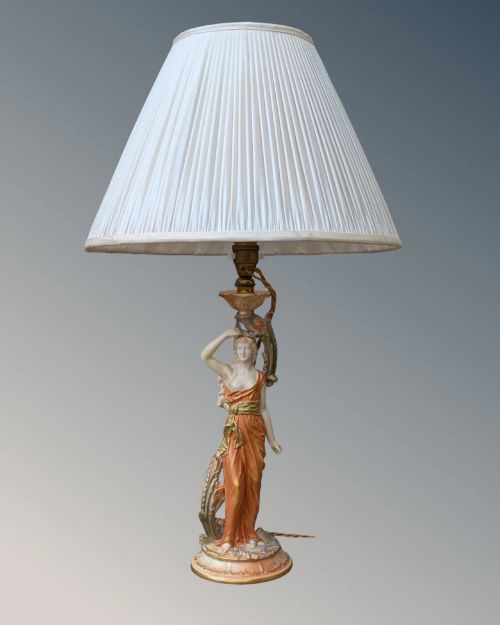


Victorian Porcelain Bedside Lamp
These Victorian porcelain bedside lamps combine delicate ceramic bodies with ornate metal mounts, offering both warm bedside lighting and period charm.
Victorian Porcelain Bedside Lamp
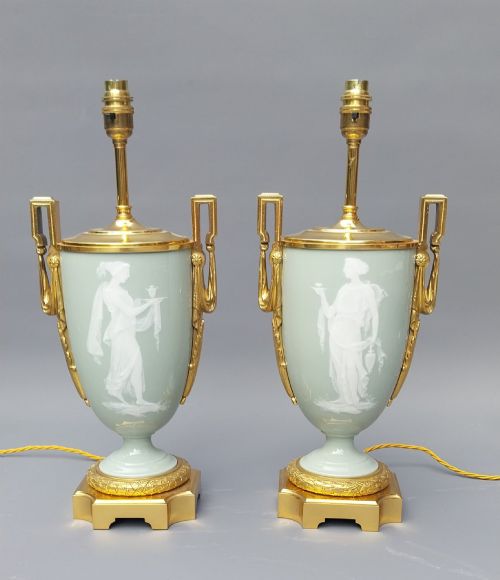
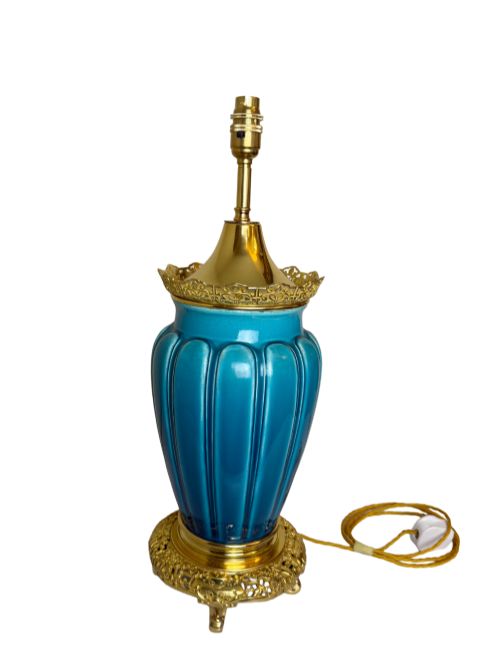
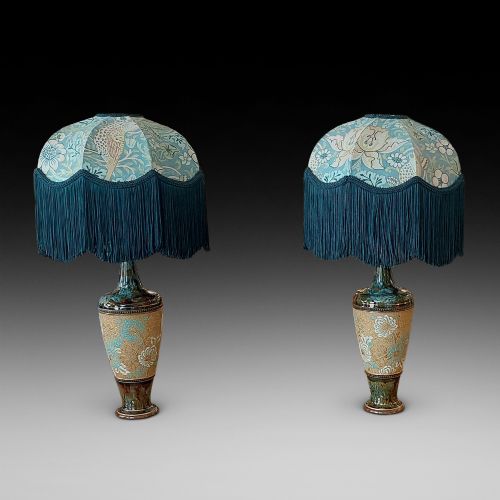
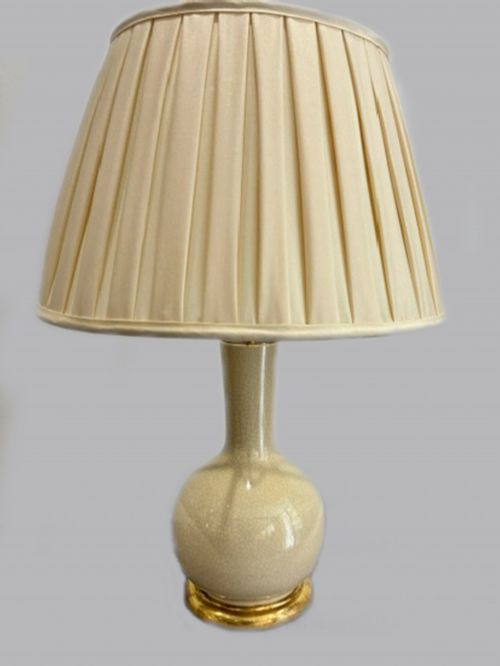
When searching for a victorian porcelain bedside lamp, you encounter pieces originating from the nineteenth century through the early twentieth century. These objects typically take the form of table lamps adapted from earlier vases or oil lamps, featuring porcelain bodies paired with metal mounts.
The selections available here showcase distinct stylistic influences, ranging from French chateau aesthetics to Chinoiserie and Rococo Revival designs. Many pieces utilise traditional ceramic bodies like celadon, crackle ware, or blue and white porcelain.
Most examples date from the late nineteenth century around eighteen ninety, incorporating glazed finishes and decorative motifs such as floral patterns or prunus blossoms. These items serve primarily as functional lighting while retaining their character as antique decorative objects.
Materials and construction methods
The construction of these lamps relies heavily on the combination of fired ceramic and cast metal elements. Porcelain bodies form the main column or base, often finished with coloured glazes or hand-painted details.
Metal components such as brass, gilt bronze, or ormolu provide structural support and decorative mounts around the base and collar. Fabric elements appear primarily in the accompanying shades or wiring rather than the antique structure itself.
Victorian Porcelain Bedside Lamp Retail Price Guide 2026
Typical asking prices for victorian porcelain bedside lamp among the pieces listed under this phrase on Sellingantiques today, from the lower quarter to the upper quarter. They describe what is for sale here now, not the wider market.
Listings feature porcelain table lamps spanning the nineteenth and early twentieth centuries, incorporating materials like brass, gilt bronze, and ormolu.
Evaluating craftsmanship and detail
Quality in these lamps rests on the finesse of the porcelain body and the weight of the metal mounts. Finer pieces demonstrate precise casting in the ormolu or gilt bronze trim, with crisp detailing rather than soft or blurred edges.
The harmony between the ceramic vessel and the metal hardware dictates the overall success of the piece. Superior examples maintain proportion and balance, where mounts fit snugly against the glazed porcelain without awkward gaps.
Royal Worcester·Sitzendorf·Sevres
The Victorian Porcelain Bedside Lamp Glossary
- Ormolu
- A method of applying finely ground high-carat gold to an object of bronze, creating a rich golden finish. This technique is frequently seen on the decorative mounts of nineteenth-century pieces.
- Celadon
- A term for pottery denoting both wares glazed in jade green and the green glaze itself. It appears on several French lamps from the late nineteenth century.
- Rococo Revival
- A nineteenth-century design style characterised by ornate asymmetry, scrollwork, and natural motifs. This aesthetic influences the curves and mounts of many period lamps.
- Chinoiserie
- European artistic interpretations of Chinese and East Asian artistic traditions. Pieces in this style often feature prunus blossoms or blue and white vase designs adapted into lighting.
Victorian Porcelain Bedside Lamp: Frequently Asked Questions
How do I date a porcelain lamp?
Dating relies on stylistic clues, mounting techniques, and the type of ceramic body used. Nineteenth-century pieces often display hand-finished ormolu mounts and specific glaze characteristics associated with periods like eighteen eighty or eighteen ninety.
Examining the base and interior fittings also helps determine age. Later conversions from oil lamps or vases into electric lamps usually retain the original nineteenth-century ceramic and metal components.
What styles are most common?
French nineteenth-century designs dominate the selection, including Rococo Revival and Neoclassical styles. These often feature gilt bronze or ormolu trim paired with coloured porcelain bodies.
Asian-inspired designs also appear frequently, utilising blue and white porcelain or crackle ware vases decorated with traditional motifs such as prunus blossoms.
How should I clean the metal mounts?
Metal mounts made of brass, gilt bronze, or ormolu require gentle dusting with a soft cloth. Avoid using harsh chemical polishes that can strip away the historical gilt surface.
Keeping the porcelain and metal clean preserves the finish without damaging the antique materials or altering the patina accumulated over the decades.