



Victorian Planter Pots
Victorian planter pots combine utility and ornament, bringing nineteenth-century metalwork, earthenware, and cast iron into gardens and interiors.
Victorian Planter Pots
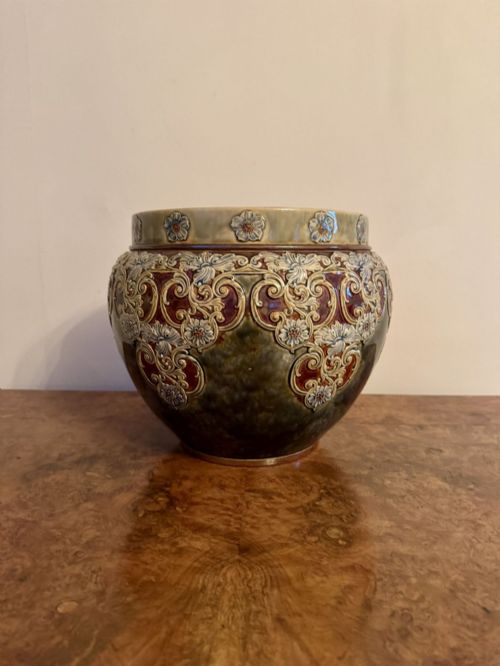
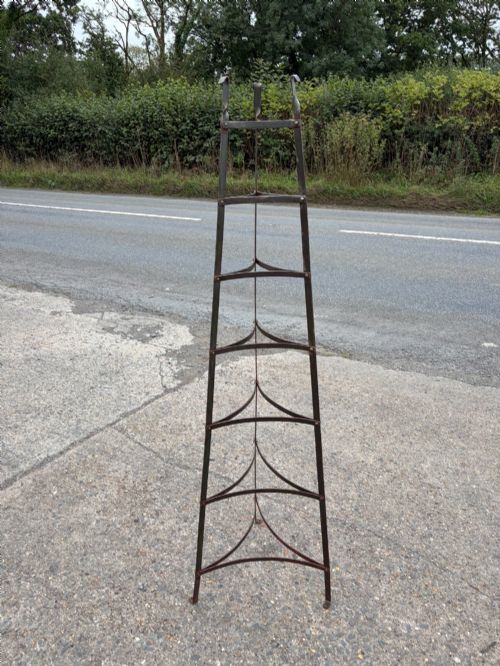
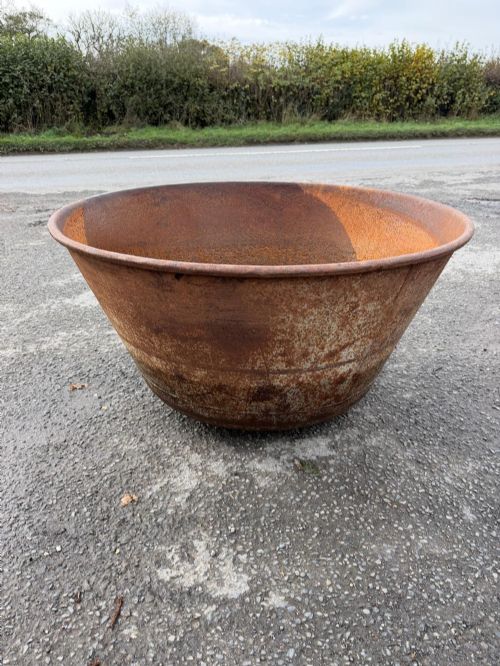
When buyers search for victorian planter pots, they encounter a diverse selection of nineteenth-century vessels designed for holding greenery and flowers, spanning indoor jardinieres and outdoor garden urns. These pieces range from refined ceramic art pottery to robust copper cauldrons and heavy cast iron urns.
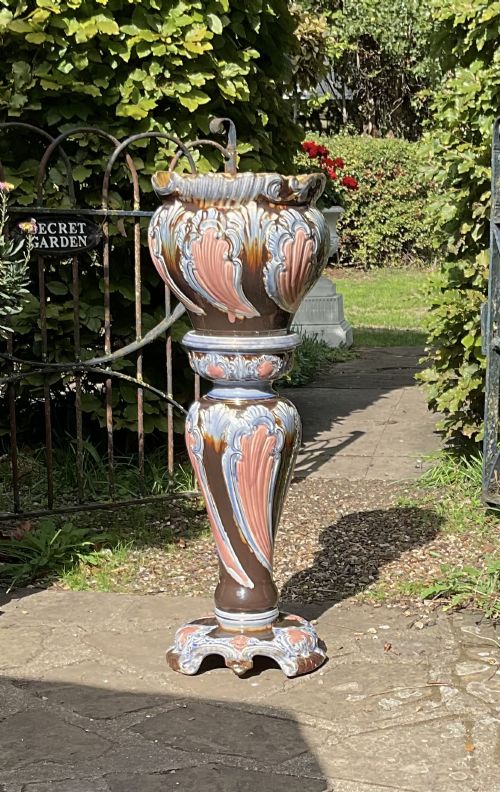
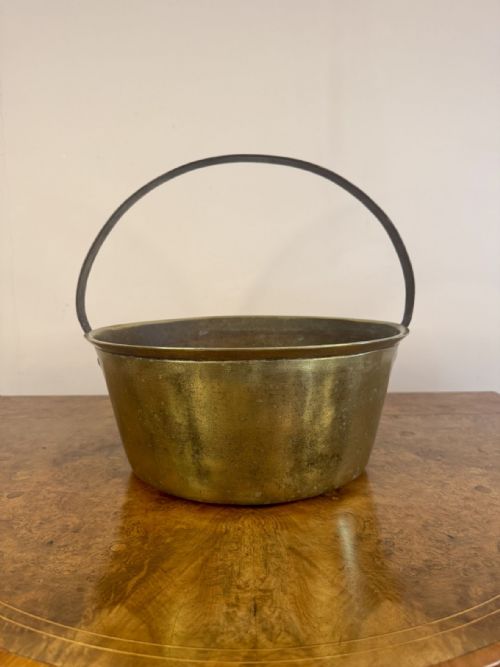
The most common forms on this page include brass and copper vessels alongside ceramic jardinieres, often accompanied by matching pedestals or stands. Materials encompass earthenware, terracotta, stoneware, and glazed ceramics alongside hand-riveted metals.
Origins vary from English potteries to continental workshops, capturing periods from the mid-nineteenth century through the early twentieth century. Buyers select these items for conservatories, hearthsides, and garden spaces where practical vessels double as decorative focal points.
Materials and construction
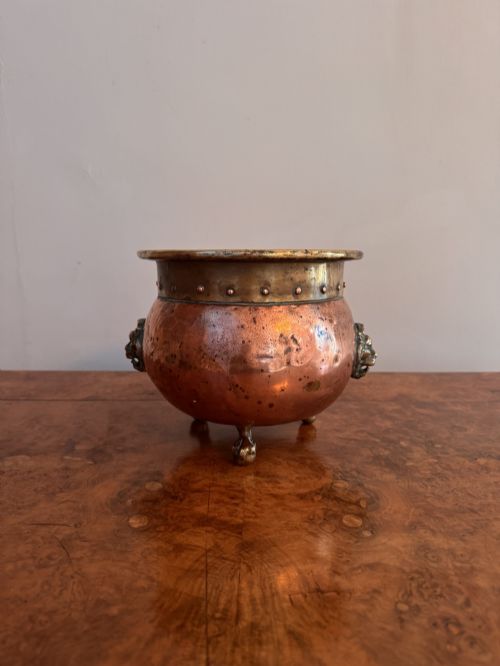
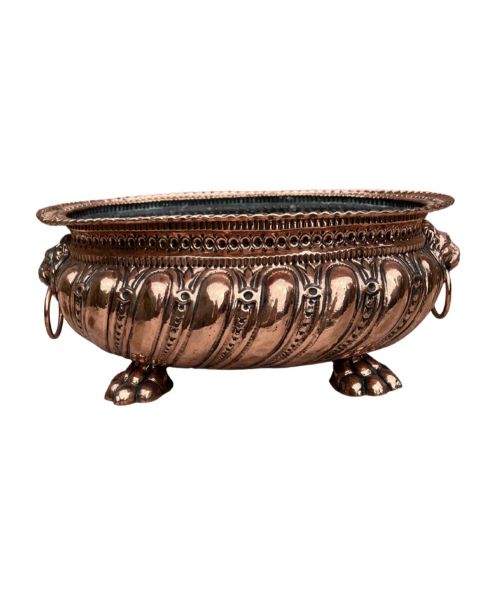
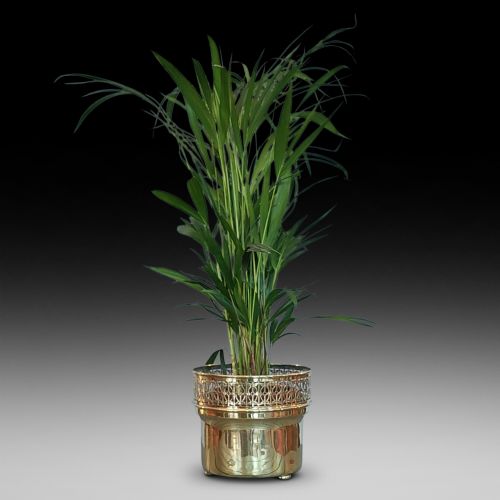
Metal vessels rely on hand-hammered and hand-riveted sheet copper and brass, often joined with wrought iron handles or decorative shields. Artisans worked these sheets into cauldrons, buckets, and jardiniere bodies, building surfaces that develop deep natural patinas over decades.
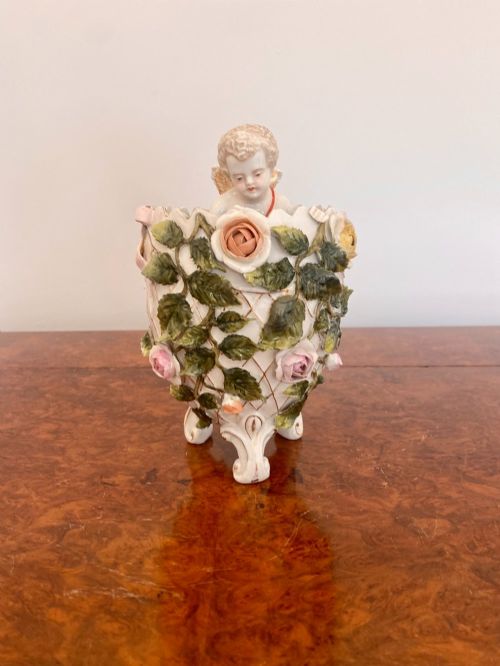
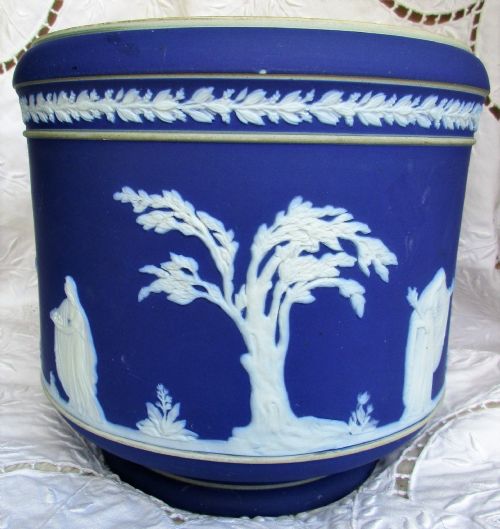
Ceramic pieces utilise earthenware, stoneware, and terracotta, shaped by moulding or throwing before receiving lead, salt, or majolica glazes. Potteries applied techniques like relief moulding, faux bois textures, and blue jasper ware to create ornate botanical containers.
Cast iron and soft stone garden urns emerge from moulds designed for durability and classical proportion. These heavier pieces often retain traces of original painted finishes or weathered surfaces suited to exterior display.
Victorian Planter Pots Retail Price Guide 2026
Typical asking prices for victorian planter pots among the pieces listed under this phrase on Sellingantiques today, from the lower quarter to the upper quarter. They describe what is for sale here now, not the wider market.
Several nineteenth-century pots spent their previous working lives as dairy salting crocks or coal bins before finding new homes as planters.
Assessing quality in period planters
Quality rests upon the crispness of modelling in ceramics and the integrity of construction in metalwork. Superior metal pots demonstrate careful hand-riveting and substantial gauge brass or copper that maintains its structural rigidity.
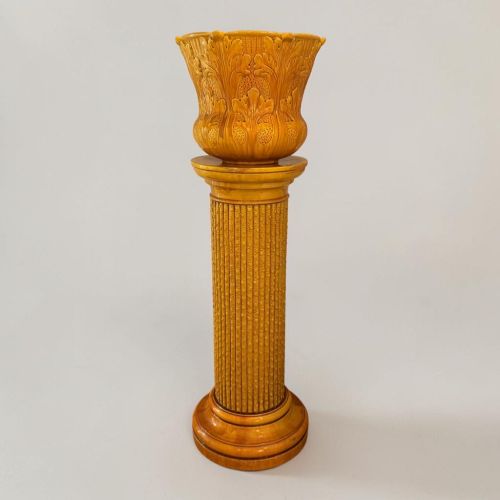
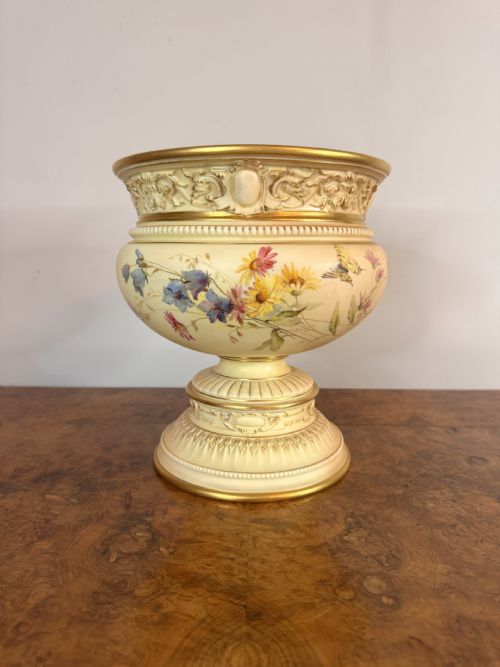
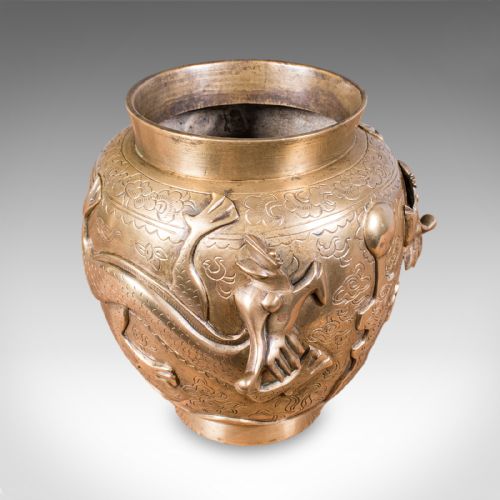
Art pottery versions achieve distinction through precise glaze application, clear factory date marks, and complex sculptural details such as bamboo or dragon motifs. The presence of matching stands and pedestals elevates the stature of a jardiniere within the room.
Royal Worcester·Royal Doulton·Minton·Doulton Lambeth·William Adams And Sons·W A Adderley
The Victorian Planter Pots Glossary
- Jardiniere
- An ornamental ceramic or metal pot designed to hold a plant or flower arrangement, frequently displayed on a matching pedestal.
- Majolica
- A type of earthenware covered with an opaque tin-glaze, decorated with metallic oxide colours that produce vibrant green, brown, and ochre surfaces.
- Faux bois
- A decorative technique mimicking the natural texture and grain of wood, often moulded in terracotta or concrete for garden planters.
- Jasper ware
- A fine stoneware developed by English potteries, characterised by a matte coloured body with contrasting white neoclassical relief figures.
- Verdigris
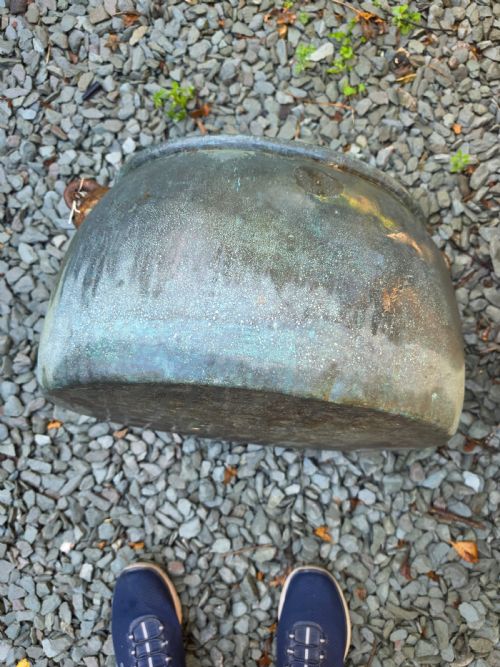
- A green patina formed naturally on copper, brass, or bronze through atmospheric oxidation and long exposure to moisture.
Victorian Planter Pots: Frequently Asked Questions
How do I clean old copper pots?
Wipe metal surfaces with a soft, damp cloth to remove surface dust. Avoid harsh chemical cleaners that strip the historic patina accumulated over the nineteenth century.
Preserve the natural aged finish by applying a light coat of microcrystalline wax if the vessel sits indoors away from damp environments.
Can these jardinieres go outside?
Terracotta, cast iron, and stoneware urns withstand exterior conditions well when protected from severe frost. Metal cauldrons and fine majolica ceramics fare best inside or in sheltered conservatories.
Check whether the vessel has a drainage hole before placing soil and plants directly into period earthenware.
What is a jardiniere stand?
A jardiniere stand is a matching pedestal or column designed to elevate a ceramic or metal flower pot. This arrangement lifts foliage to eye level in a hallway or drawing room.
Many nineteenth-century potteries produced the pot and stand as a single coordinated set with identical glazes and motifs.
How do I date a ceramic planter?
Examine the base for impressed factory marks, registration numbers, or date ciphers used by English and continental potteries. Stylistic clues like Art Nouveau curves or Gothic revival shields also narrow down the decade of manufacture.
Compare the glaze type and body material against known production periods for firms like Doulton or Minton.