





Victorian Planter on Pedestal
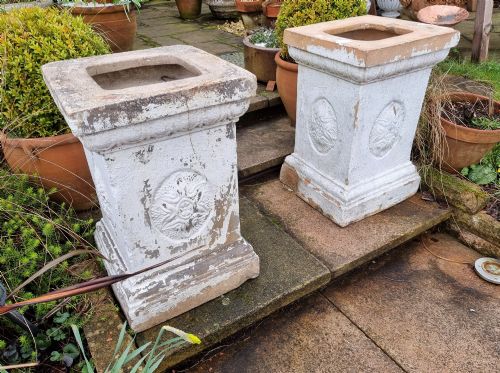
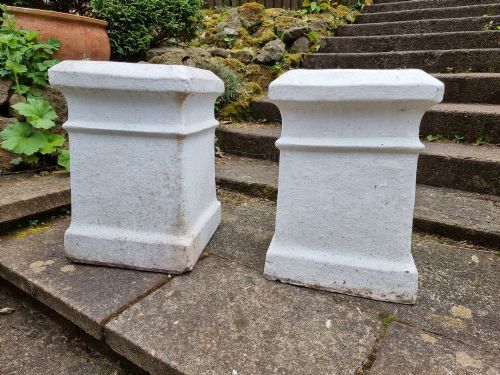
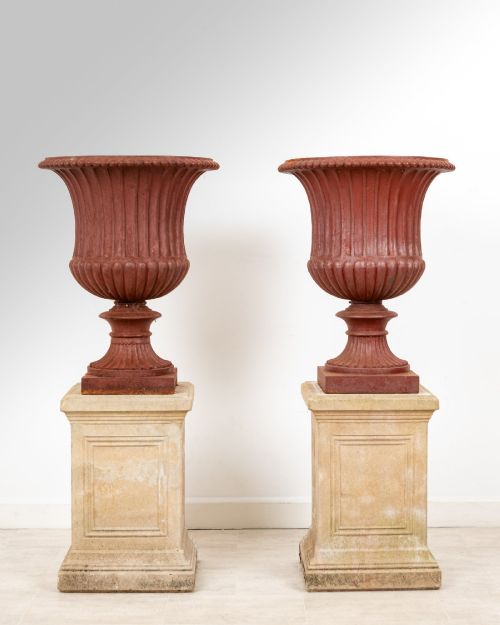
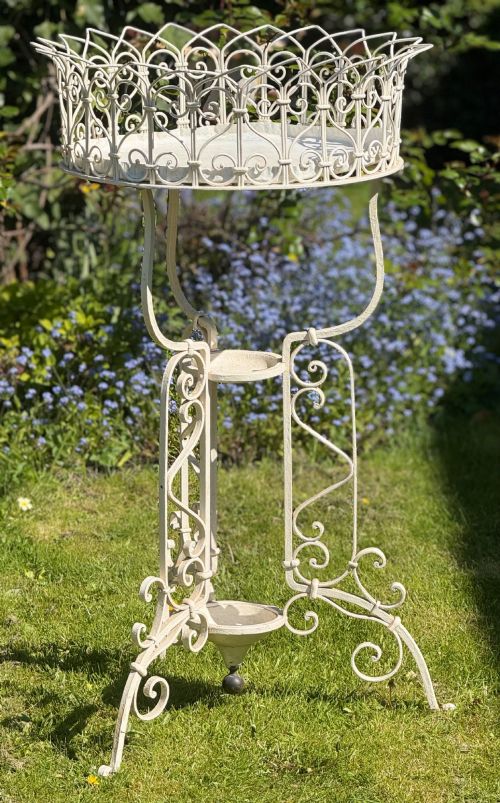
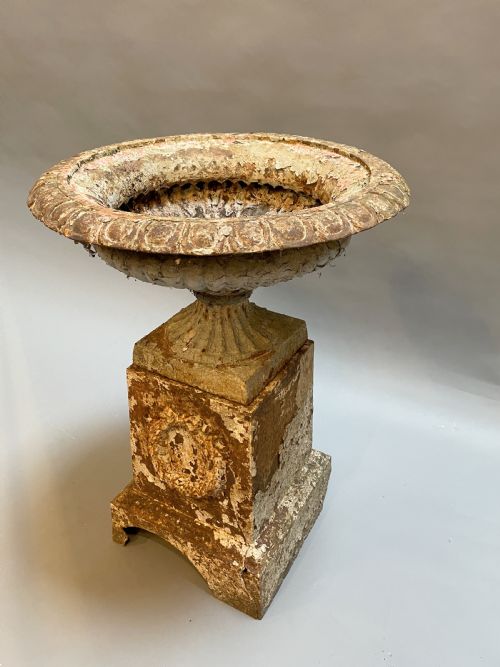
A victorian planter on pedestal combines heavy casting or fired clay with raised stands, creating formal focal points for garden vistas and interior plant displays.
Victorian Planter on Pedestal
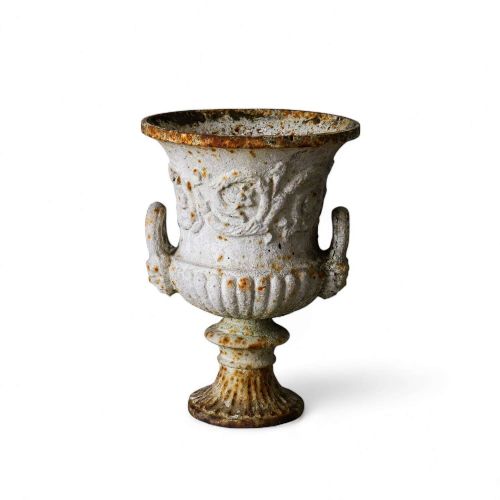
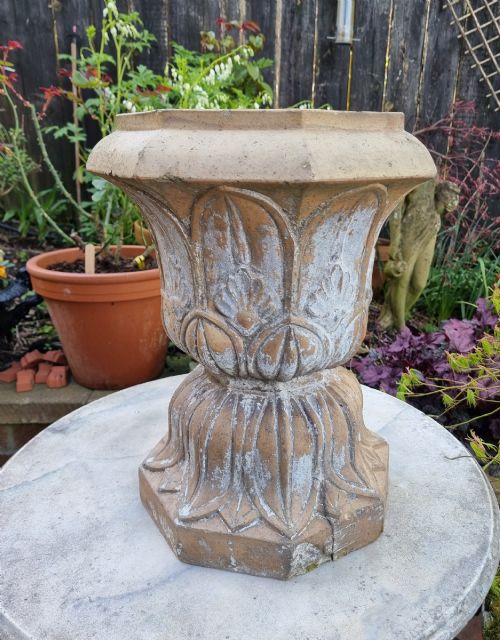
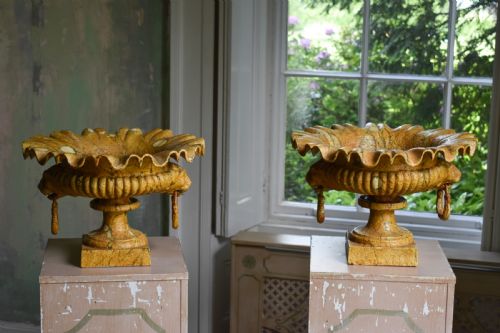
When you search for a victorian planter on pedestal, you encounter elevated vessel forms designed to lift greenery and flowering plants off the ground for better display. These pieces combine a top receptacle such as a campana urn, jardiniere, or pot with a supporting base, plinth, or column.
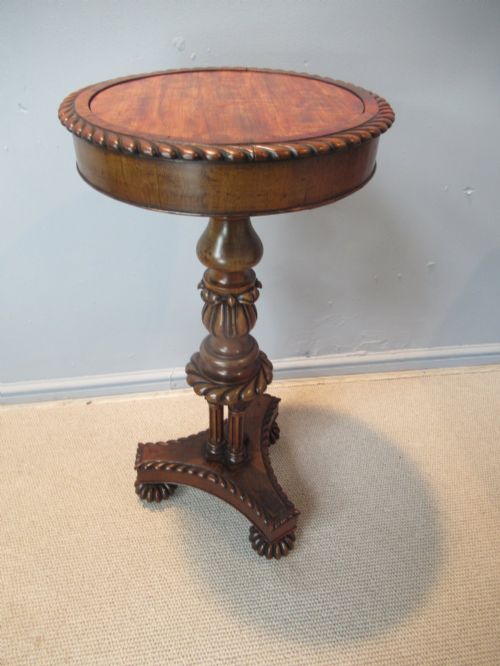
The evidence shows these jardinieres and pedestals originating across the nineteenth century and into the early twentieth century, spanning periods from the Victorian era through to the nineteen-thirties. Forms range from classical campana urns on stone plinths to majolica jardinieres on matching ceramic stands and carved hardwood or mahogany plant tables.
Makers and foundries produced both indoor plant stands in brass, copper, and exotic woods like ebony alongside outdoor garden ornaments cast in iron or modelled in terracotta and stoneware. Buyers find matched pairs intended for symmetry beside doorways as well as singular monumental urns for lawn focal points.
Distinctions in Execution and Material
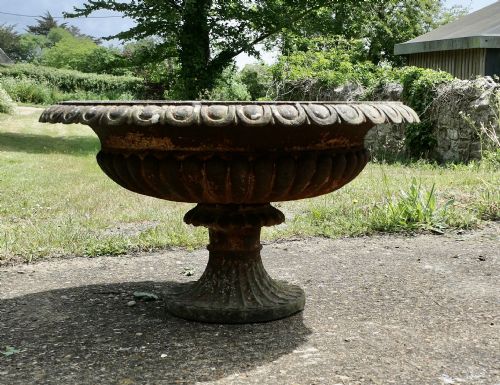
The distinction between standard utility vessels and superior examples rests on the crispness of the casting and the depth of the modelled ornament. Heavy cast iron pieces with well-defined acanthus leaves and classical relief show greater sculptural ambition than plain utilitarian pots.
Ceramic quality appears in the richness of the majolica or lustre glazes and the complexity of the accompanying griffin or column stands. Maker attribution also separates standard production items from marked works by notable foundries and potteries.
Listings feature nineteen-century cast iron garden urns alongside Edwardian majolica jardinieres and Victorian mahogany plant stands.
Dunfermline Clay Company·Coalbrookdale·Andrew Handyside·Burmantofts·Royal Doulton·Clement Massier·Minton·Julius Dressler
The Victorian Planter on Pedestal Glossary
- Campana urn
- A bell-shaped garden vessel with an everted rim, commonly mounted on a square foot or pedestal base.
- Jardiniere
- A decorative ornamental pot or container designed to hold growing plants or flowers, frequently paired with a matching column.
- Majolica
- A type of earthenware decorated with opaque coloured glazes over an absorbent buff body, popular for indoor plant displays.
- Plinth
- A heavy architectural base or block supporting an urn, column, or planter to elevate it above ground level.
- Slaterware
- A ceramic technique developed by Royal Doulton involving textured clay bodies finished with metallic glazes and slip decoration.
Victorian Planter on Pedestal: Frequently Asked Questions
Can cast iron planters stay outdoors all year?
Heavy cast iron vessels withstand outdoor conditions successfully, developing natural patinas over decades of exposure to weather.
Gardeners position these iron urns on stone plinths to prevent moisture transfer from damp soil and ground frost.
How do I style a majolica jardiniere indoors?
Indoor ceramic planters and stands work well in entrance halls or reception rooms, acting as sculptural furniture pieces.
Placing potted ferns or palms inside protects the glazed earthenware interior from direct water damage.
What is the difference between an urn and a jardiniere?
Urns typically feature classical bell profiles with stem bases intended for pedestals, while jardinieres are broader bowls designed for floor or table placement.
Many nineteenth-century examples blur these definitions by combining deep planting bowls with architectural column stands.
How do I identify a nineteenth-century pedestal base?
Nineteenth-century pedestals appear in cast iron, terracotta, and stone, often decorated with neoclassical acanthus leaves or moulded fluting.
Matching pairs frequently show factory stamps or foundry registration marks near the base rim.