



Victorian Pine Wooden Knobs
Victorian pine wooden knobs finish the drawer fronts of nineteenth-century chests and dressers, bringing honest utility and warm grain to country interiors.
Victorian Pine Wooden Knobs
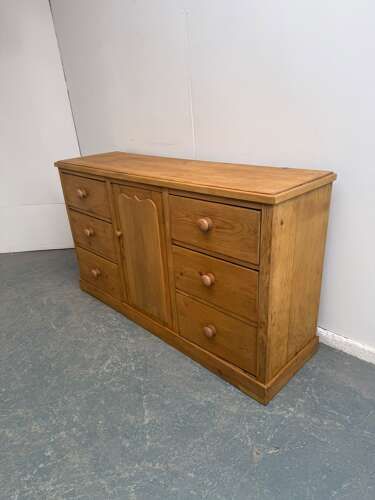
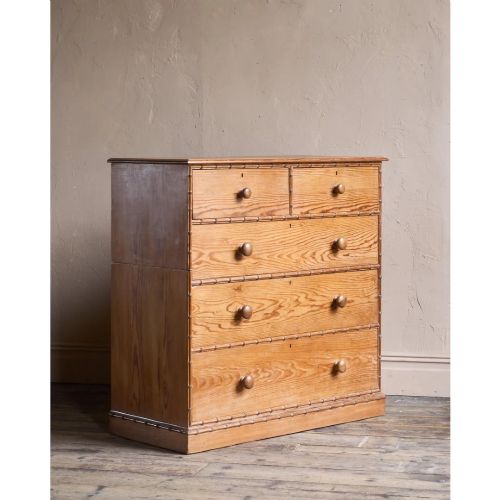
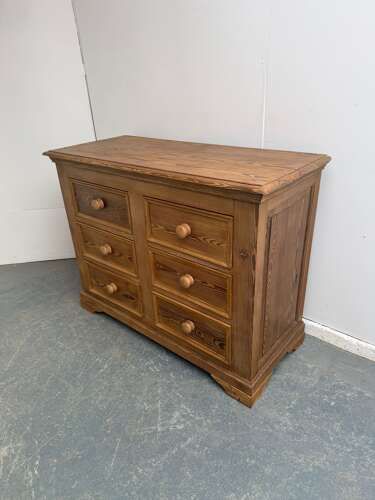
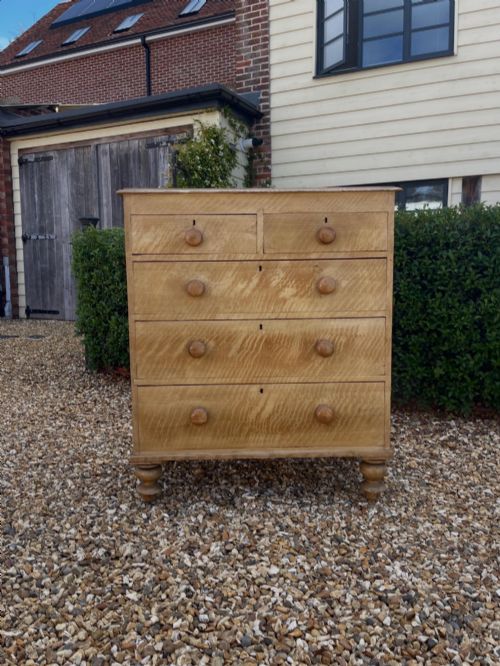
When searching for victorian pine wooden knobs, buyers examine drawer handles and turned grips attached to nineteenth-century case furniture such as chests of drawers, kitchen dresser bases, and sideboards. These fixtures belong to pieces originating across the British Isles, including Irish, Scottish, and English workshops from periods spanning the mid to late nineteenth century and into the early twentieth century.
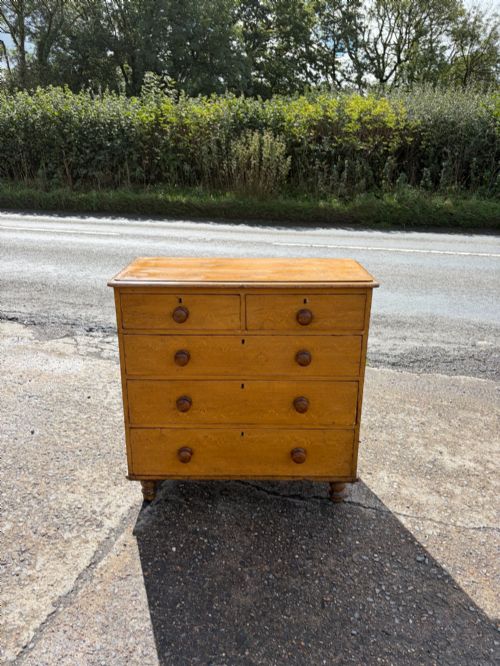
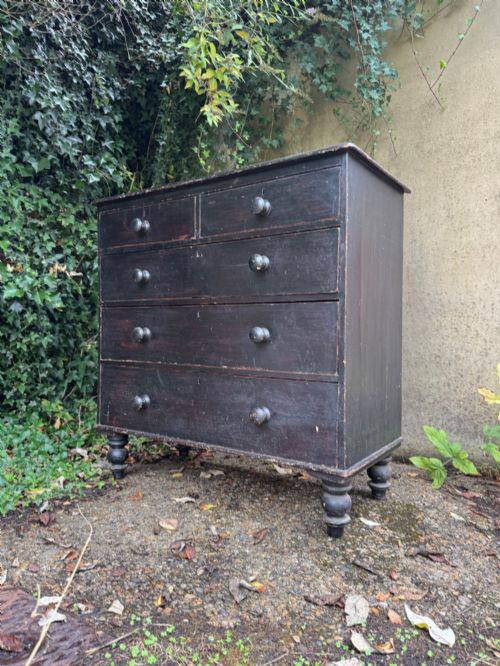
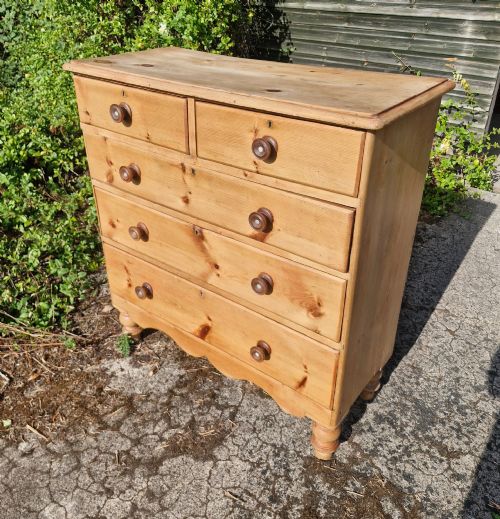
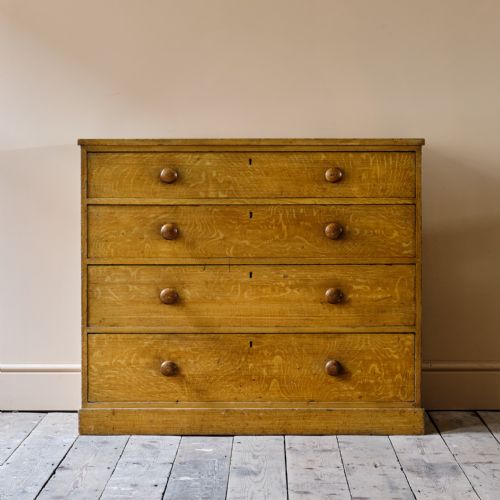
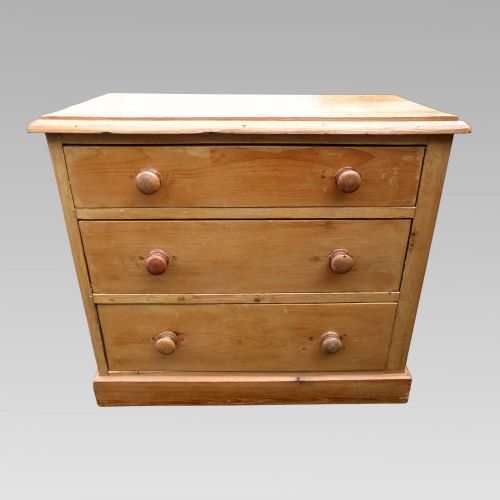
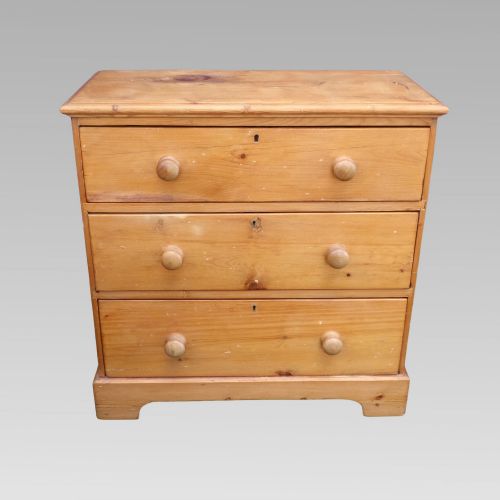
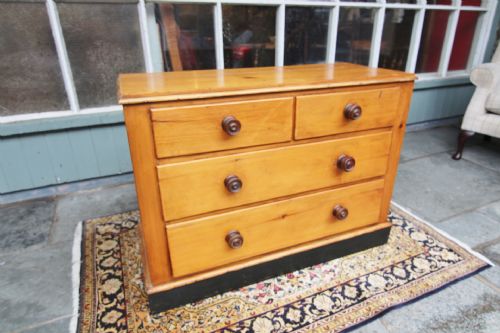
The most common form encountered on this page is the chest of drawers, ranging from low formats and narrow panelled designs to large six-drawer examples. These pieces frequently display either a waxed finish highlighting the natural timber or remnants of original paint.
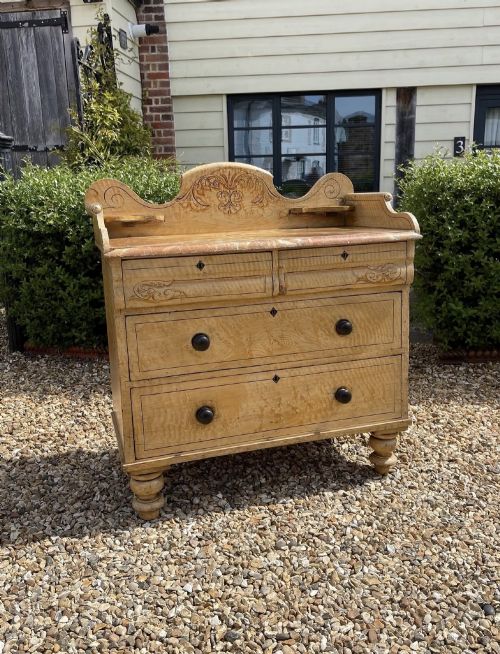
Alongside standard functional storage, variations include pieces featuring galleries and stylistic influences from Arts and Crafts or Victorian folk traditions. The wooden knobs themselves serve as integral tactile elements on these storage items, completing the vernacular aesthetic of the period.
How they were made
Makers constructed these storage pieces primarily from solid pine, utilising local timber shaped by hand and simple workshop machinery. Turned wooden elements, including feet and drawer knobs, were produced on lathes to create uniform, rounded grips.
Surface treatments recorded in the listings divide between traditional waxing to preserve the natural grain and applications of original paint. Hardware details occasionally incorporate brass and iron alongside bone components, while construction methods rely on pegged joints and solid timber panels typical of nineteenth-century cabinet making.
Listings feature solid pine construction alongside surfaces finished in wax, original paint, and occasional iron, brass, or bone details across nineteenth-century dates.
What varies in quality
Quality in these pieces rests upon the integrity of the timber selection and the retention of original surfaces, such as untouched paint or deep historical wax patination. Superior examples maintain their original turned knobs and feet rather than relying on modern replacements.
Proportion and regional carpentry distinguish the range, with narrow panelled configurations and Scottish or Irish vernacular pieces showing distinct regional character. The crispness of the lathe work on the wooden knobs and the soundness of the pine carcass determine the overall standard of the furniture.
The Victorian Pine Wooden Knobs Glossary
- Pine
- A softwood timber widely utilised in the nineteenth century for domestic furniture, appreciated for its receptive surface to wax and paint. It forms the primary structural material for the chests and dressers listed here.
- Waxed
- A surface finish applied to timber to nourish the wood and create a mellow sheen over time. This treatment accentuates the natural grain of nineteenth-century pine furniture.
- Original paint
- Pigment applied during the period of manufacture that has survived intact on the surface of the furniture. Finding a piece in this state is valued by collectors of vernacular items.
- Gallery
- A small raised upstand or rail fitted to the top surface of a chest of drawers or sideboard. This feature prevents items placed on top from rolling off.
- Turned
- Shaped on a lathe by rotating the wood against a cutting tool to produce symmetrical profiles. Drawer knobs and feet are formed using this traditional technique.
Victorian Pine Wooden Knobs: Frequently Asked Questions
What periods do these pieces date from?
The listings span the nineteenth century, with specific dates recorded from the eighteen-fifties through to nineteen-ten. Most items belong to the Victorian era and reflect the domestic utility of that period.
Examples incorporate regional English, Irish, and Scottish designs, showing how vernacular cabinet making evolved across the latter half of the nineteenth century.
Are the painted finishes original?
Several pieces preserve their original nineteenth-century paint surfaces, whilst others feature traditional waxed finishes that highlight the underlying pine grain. Documentation across the listings identifies these distinct surface treatments.
Buyers encounter both painted and waxed chests of drawers, each representing different traditions of domestic care and workshop practice from the period.
How do Arts and Crafts pieces differ?
Pieces attributed to the Arts and Crafts period, dating around nineteen-ten, exhibit simpler lines and a focus on honest materials. They share the solid pine construction of earlier Victorian items but reflect a shift in design philosophy.
These later examples maintain the traditional use of wooden knobs and waxed surfaces while showing the pared-down aesthetic characteristic of the movement.