
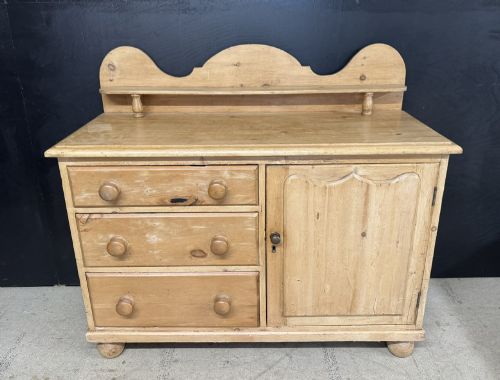
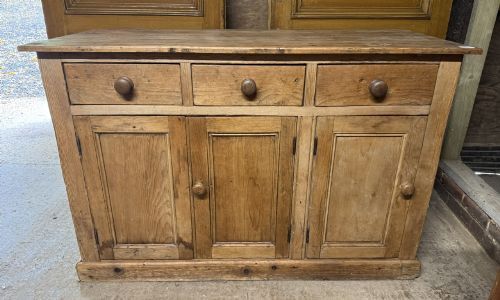
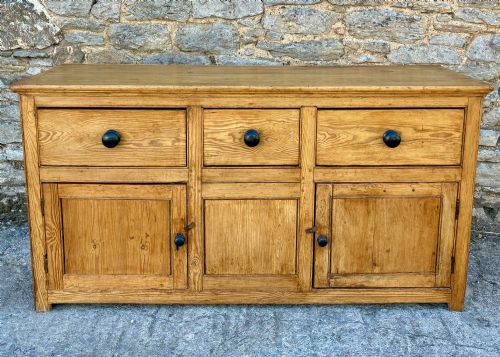
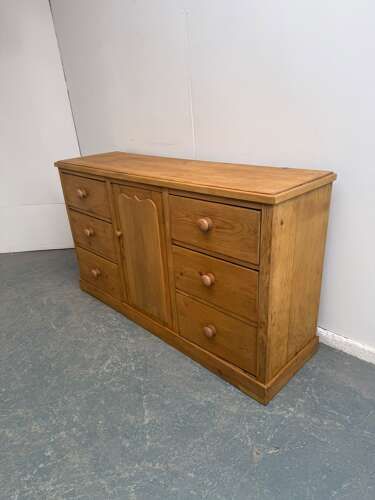
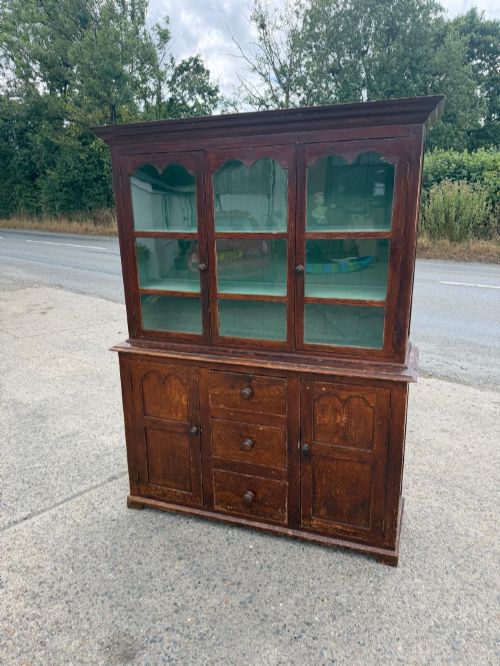
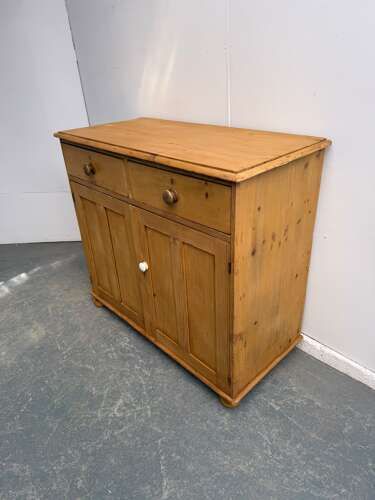
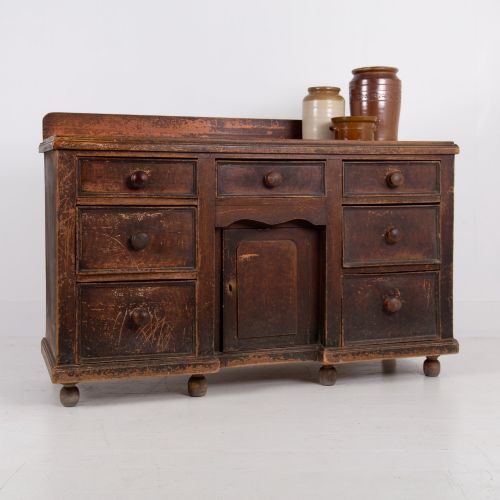

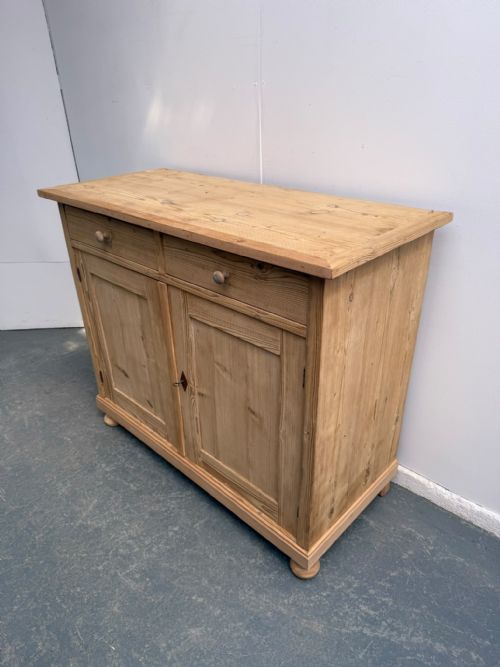
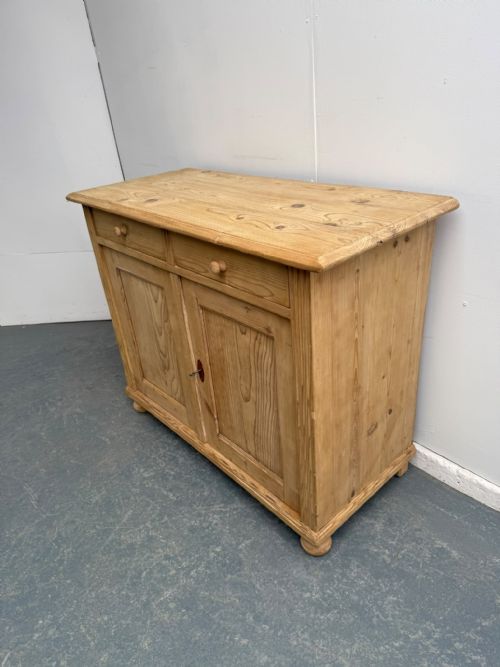
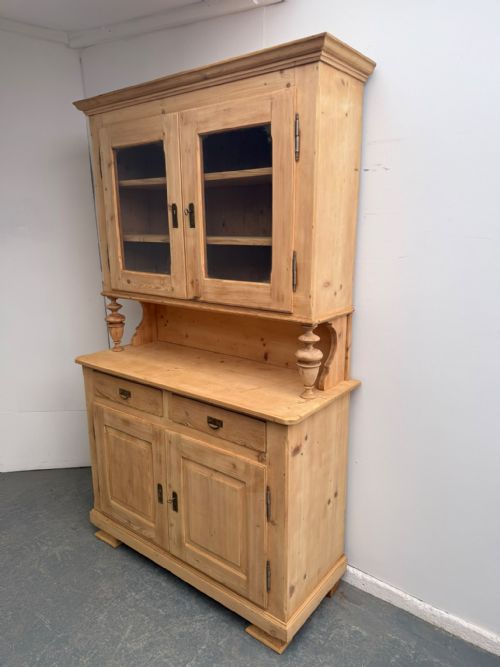
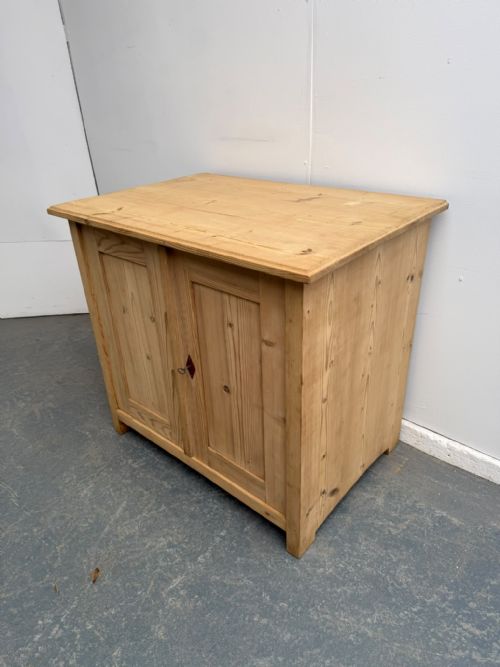
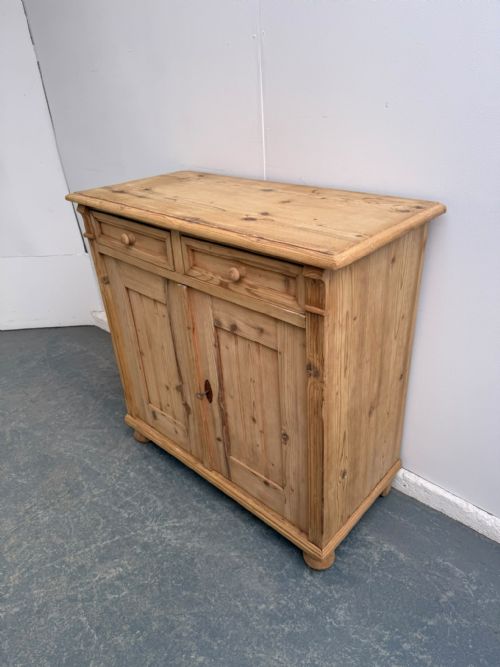
Victorian Pine Buffet Cabinet
A victorian pine buffet cabinet brings domestic utility and sturdy timber grain together for practical storage in modern spaces.
Victorian Pine Buffet Cabinet
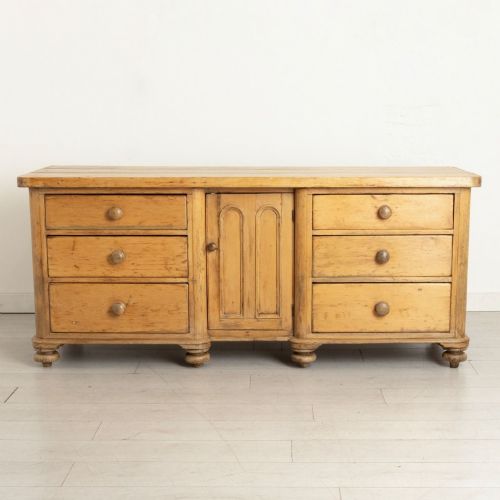
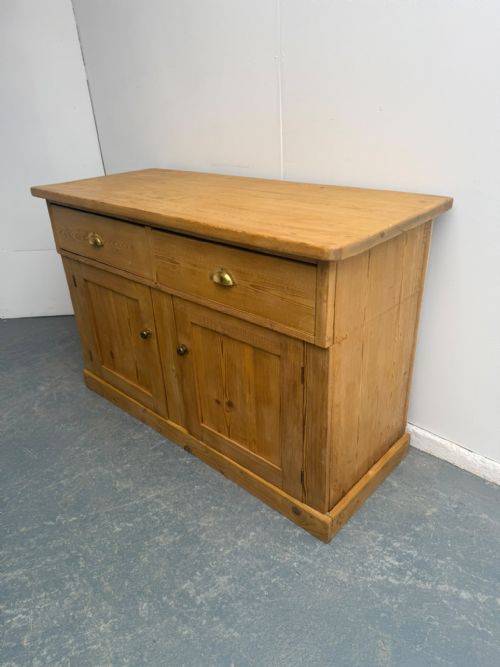
A victorian pine buffet cabinet covers a range of kitchen dressers, dresser bases, sideboards, and storage cupboards produced during the nineteenth century. These items served functional roles in domestic service and rural kitchens across English, Welsh, Scottish, and continental regions.
Buyers are most likely to encounter two-door and two-drawer dresser bases alongside low storage cupboards and tall kitchen dressers. These pieces carry regional traits such as bread slides, shallow depths, and breakfront arrangements.
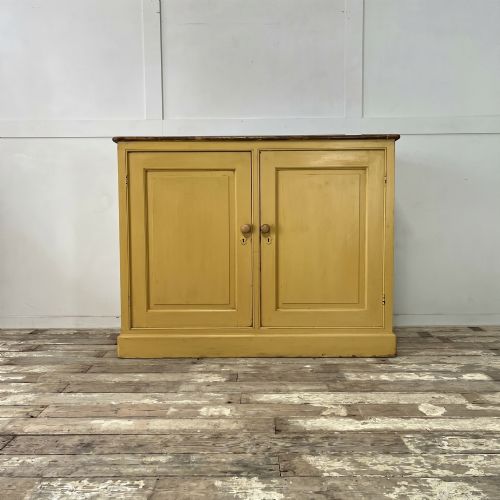
The aesthetic leans towards rustic farmhouse, country, and folk art styles, reflecting the utilitarian needs of Victorian homes. Pieces appear either stripped to reveal waxed timber or finished in original paint.
Materials and Construction
Makers built these cabinets primarily from solid pine, occasionally incorporating oak, ceramic, and glass elements alongside iron or brass hardware. Construction methods relied on traditional joinery to endure heavy daily use in busy kitchens.
Surfaces received either a protective coat of wax to highlight the natural wood grain or layers of paint that often survive in original form. Certain examples feature carved details or glazed upper sections to display household wares.
The listings span the Victorian era alongside Regency and early twentieth-century examples, constructed primarily from pine with iron, brass, glass, and ceramic details.
Craftsmanship and Survival
Quality rests in the integrity of the original construction, the thickness of the timber, and the balance of proportions. Superior examples retain their original backing boards, drawer configurations, and untouched hardware without excessive modern timber replacement.
The survival of original painted surfaces or well-maintained waxed patination distinguishes better specimens from those subjected to harsh stripping. Regional quirks, such as bread slides or carved floral motifs, add distinct character to individual pieces.
The Victorian Pine Buffet Cabinet Glossary
- Dresser base
- A lower storage unit featuring a combination of drawers and cupboards, often topped with a sturdy wooden surface. These pieces served as primary workstations and storage units in Victorian kitchens.
- Bread slide
- A pull-out wooden board integrated into the cabinetry, historically used for cooling or preparing baked goods. This feature is prized by collectors for its practical utility and period authenticity.
- Chiffonier
- A low sideboard cabinet equipped with enclosed storage below, emerging during the Regency and Victorian periods for dining room use. It provides a compact footprint compared to a full kitchen dresser.
- Patina
- The surface sheen and colour acquired by timber through age, handling, and wax polishing over many decades. A rich patina indicates genuine age and careful maintenance by past owners.
- Breakfront
- A piece of furniture where the central section projects forward from the flanking outer sections. This architectural arrangement adds visual depth to larger sideboards and dressers.
Victorian Pine Buffet Cabinet: Frequently Asked Questions
How do I care for a waxed pine cabinet?
Maintain the wood by applying a natural beeswax polish occasionally and buffing it with a soft cloth to preserve the sheen. Avoid placing the cabinet near direct heat sources or damp areas to prevent the timber from warping.
Keep cleaning simple with a dry or barely damp cloth, steering clear of harsh chemical sprays that strip the protective wax finish.
Were these cabinets originally painted or waxed?
Victorian pine furniture was finished in various ways depending on its destination, with working kitchens often utilising robust lead-based paints for easy cleaning. Finer or more domestic pieces received plain wax applications to showcase the natural grain of the timber.
Many surviving items retain traces of their original paint layers, while others were stripped down to the bare wood during later decades.
How can I tell if a piece is nineteenth century?
Examine the construction methods, such as hand-cut dovetails in the drawers and the use of solid timber boards throughout the back and interior linings. Machine-sawn marks, modern plywood, and Phillips screws generally indicate later reproduction work.
Wear patterns around handles and drawer runners also offer clues to the age and active history of the piece.