
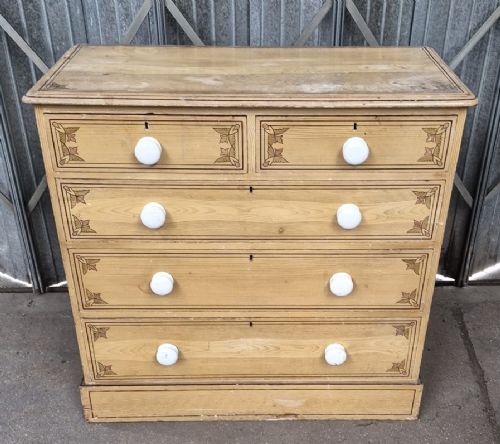
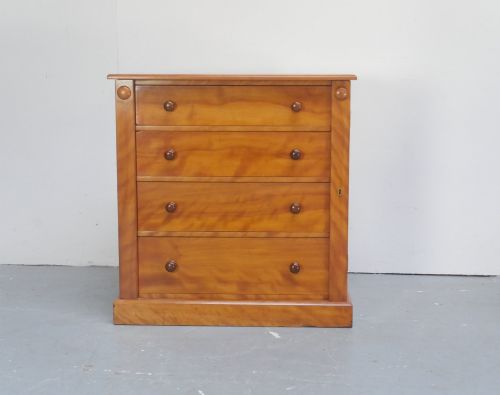
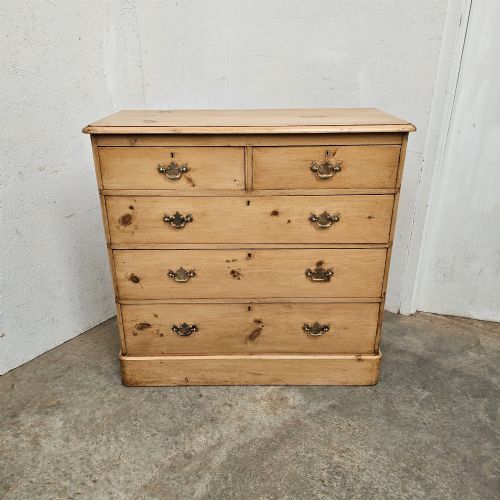
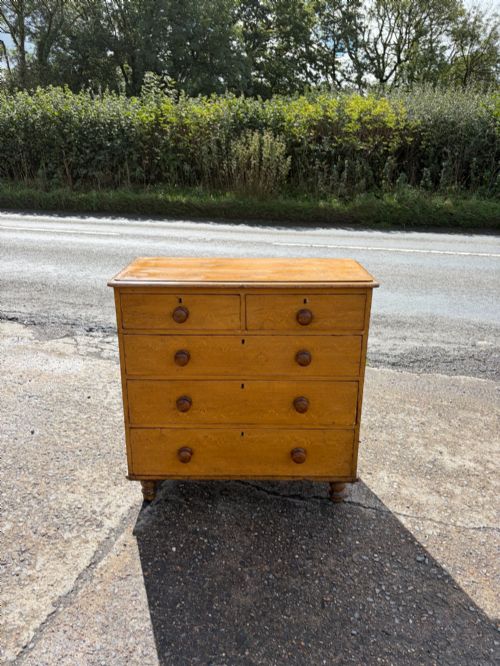

Victorian Pine Bedroom Chest
These functional pieces bring honest utility to domestic spaces, offering sturdy storage fashioned from solid timber during the nineteenth century.
Victorian Pine Bedroom Chest
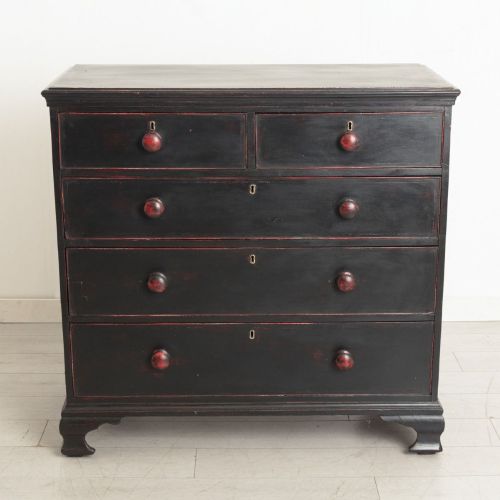
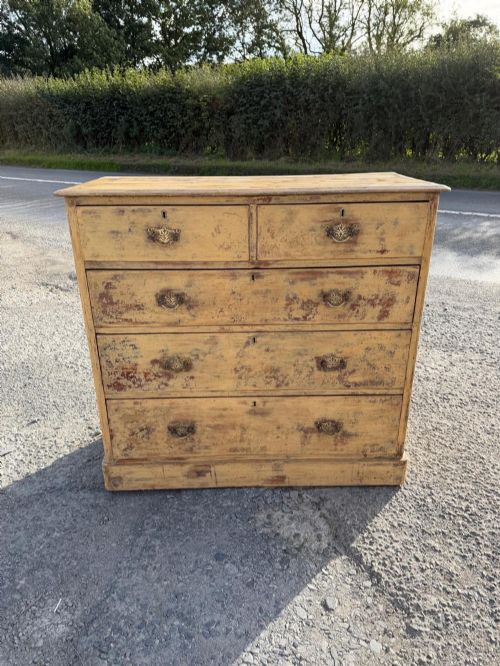
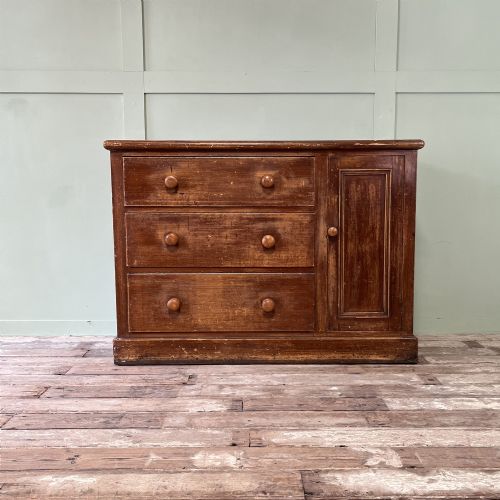
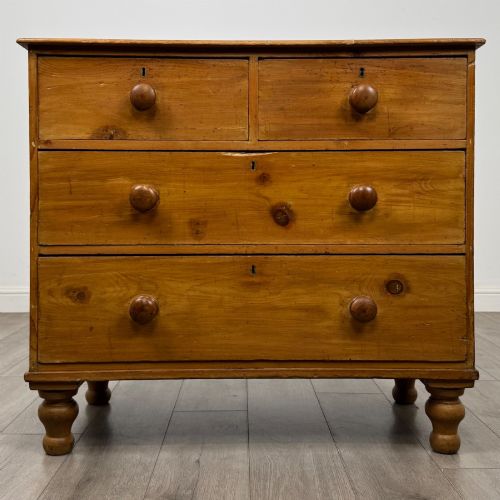
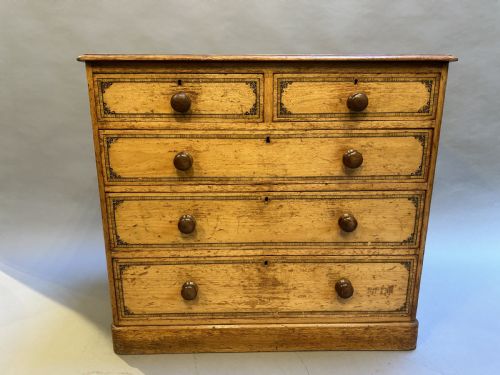
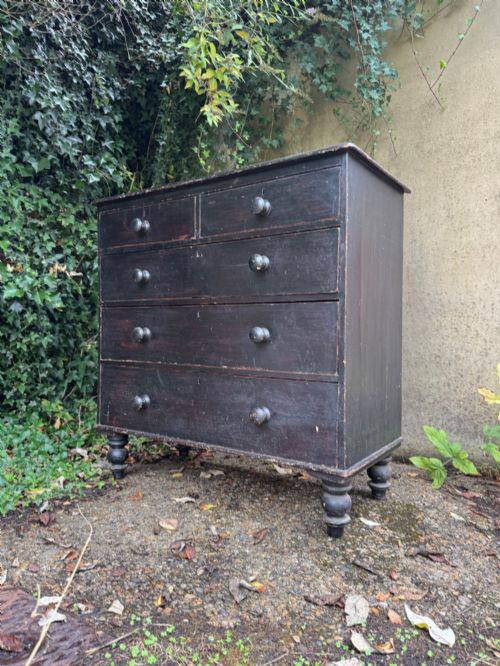
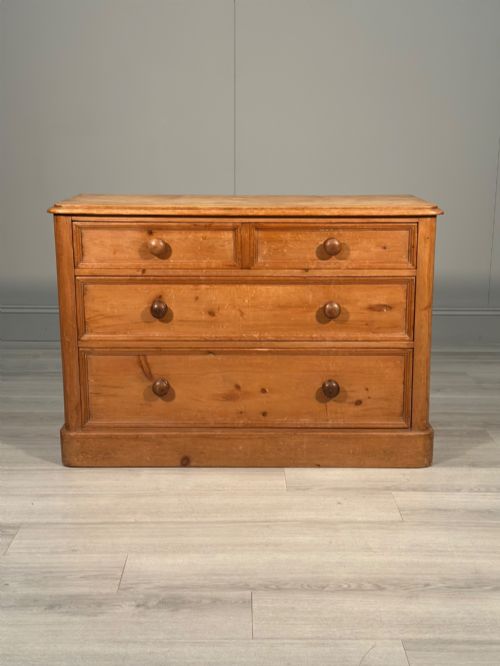
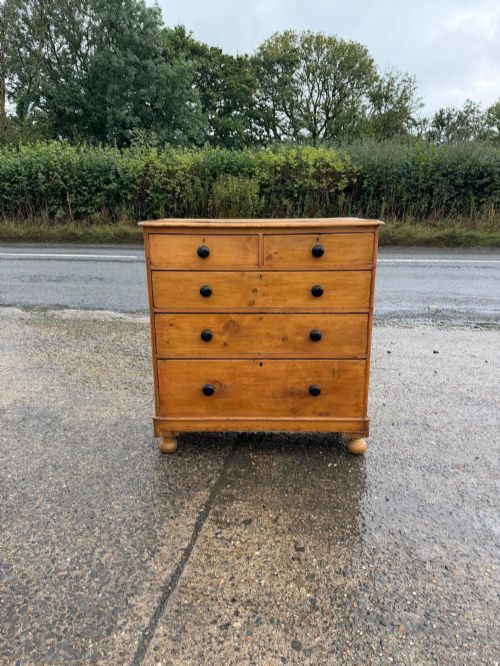
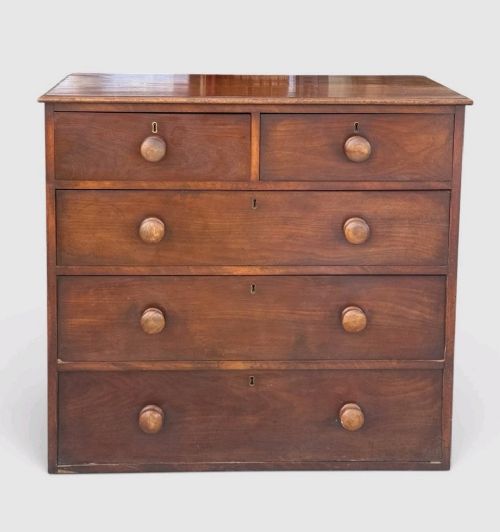
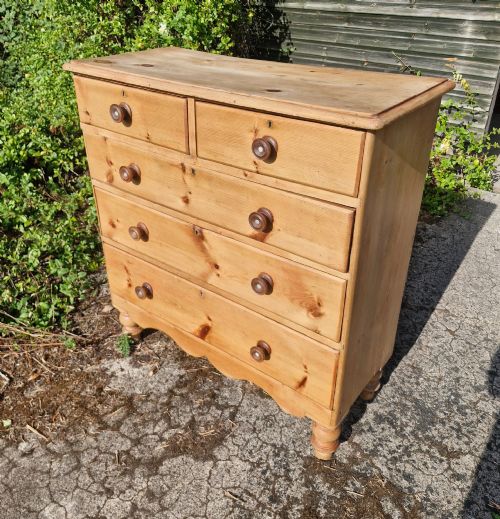
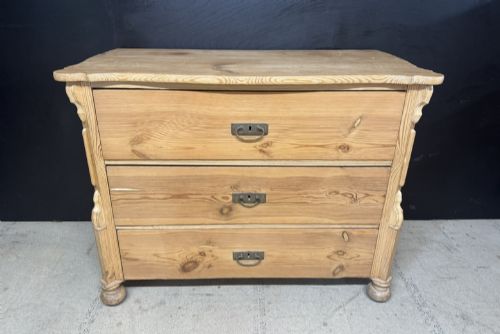
A victorian pine bedroom chest provides practical storage through horizontal drawer arrangements, most frequently encountered in two-over-three or simpler three-drawer formats. These domestic items originate primarily from the nineteenth century, spanning early examples from eighteen fifty through to later Edwardian pieces.
Makers produced these storage items in various regional styles, including country, rustic, and aesthetic movement interpretations. Buyers frequently encounter scrubbed timber, waxed surfaces, or painted finishes ranging from simple stencilling to scumble glaze.
Construction and materials
Carpenters utilised solid pine and pitch pine for carcases and drawer construction, often incorporating brass or iron hardware for handles and drawer pulls. Joinery relied on traditional techniques to ensure durability under daily household use.
Surfaces received differing treatments according to fashion and utility, with workshops applying protective wax, decorative paint layers, or faux bamboo details using glass and metal elements.
Some chests retain handwritten tally marks inside drawer sides, left by makers counting their daily output.
Assessing build and finish
Quality rests upon the integrity of the timber selection and the preservation of original finishes, such as early paint or scumble layers, rather than plain industrial uniformity. Superior examples retain original drawer bottoms, tight joints, and uncompromised structural proportions.
The sophistication of decorative touches, from delicate stencilling to faux bamboo turnings, separates standard utilitarian storage from more ambitious cabinet work produced during the period.
Howard and Sons
The Victorian Pine Bedroom Chest Glossary
- Scumble paint
- A translucent top coat dragged or combed over a base colour to simulate grain or texture. This decorative technique appears frequently on nineteenth-century surfaces.
- Pitch pine
- A dense, resinous variety of pine timber known for its prominent grain patterns and durability. Cabinet makers utilised this wood for hard-wearing domestic furniture.
- Chifferobe
- A hybrid piece combining wardrobe hanging space with bedroom chest drawers. This dual-purpose form provides versatile storage.
- Bun handle
- A rounded, protruding wooden knob fixed to drawer fronts for opening. These turned elements are typical of nineteenth-century vernacular furniture.
Victorian Pine Bedroom Chest: Frequently Asked Questions
How do I clean a waxed pine chest?
Dust surfaces regularly with a soft, dry cloth to prevent dirt accumulation. Apply a quality beeswax periodically to nourish the timber and maintain the soft sheen.
Avoid using water or modern household chemical sprays, as moisture damages traditional wax finishes and softens historic pine.
Are these chests suitable for modern bedrooms?
These practical items offer deep drawer capacities that accommodate contemporary clothing and linen storage easily. Their warm timber tones integrate well into both traditional and modern interior schemes.
Measure available floor space carefully, as nineteenth-century proportions often include generous depths and overhanging top boards.
What does scrubbed pine mean?
Scrubbed pine describes timber surfaces washed repeatedly with soap and water to create a pale, clean, matt finish. This treatment removes dark old varnishes and highlights the natural grain.
Workshop practices of this nature leave the wood with a tactile, unsealed texture favoured in country house interiors.
How can I date a pine chest?
Examine construction methods, drawer dovetails, and backboards to estimate the period of manufacture. Hand-cut joints and original paint finishes typically indicate nineteenth-century origins.
Hardware styles and secondary woods also provide reliable clues for distinguishing early Victorian pieces from later Edwardian examples.