
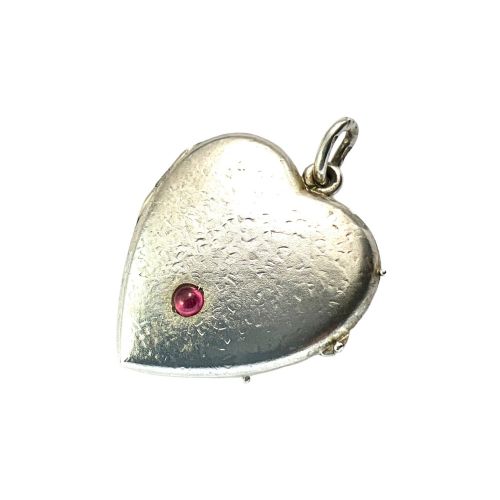
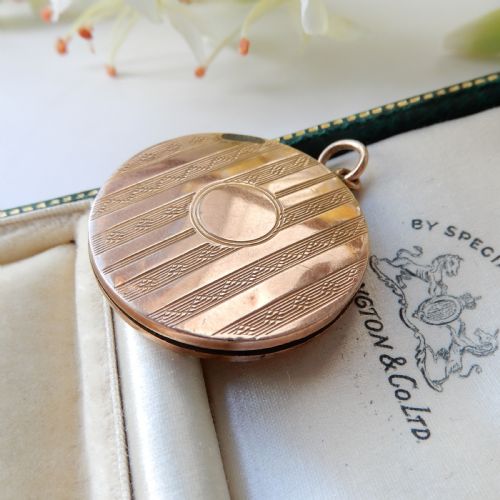


Victorian Picture Locket
A victorian picture locket is a hinged pendant designed to hold portraits close to the heart, combining personal sentiment with miniature craft.
Victorian Picture Locket
A victorian picture locket is a hinged pendant designed to hold miniature portraits, photographs or locks of hair. These pieces serve as intimate personal mementoes from the nineteenth century and related eras.
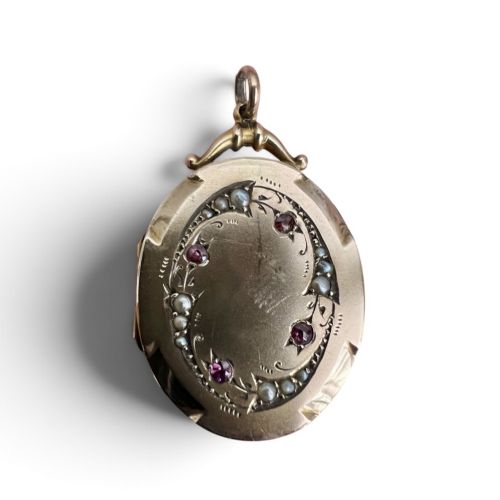
The selection ranges from simple engraved silver pendants to elaborate gold pieces set with pearls, rubies, diamonds and enamel. Some designs incorporate multiple internal sections to hold several family portraits.
How they were made
Gold and silver form the primary structural materials, utilised across various purities including nine-carat and eighteen-carat gold alongside sterling silver. Rolled gold and back-and-front constructions also appear amongst the metalwork.
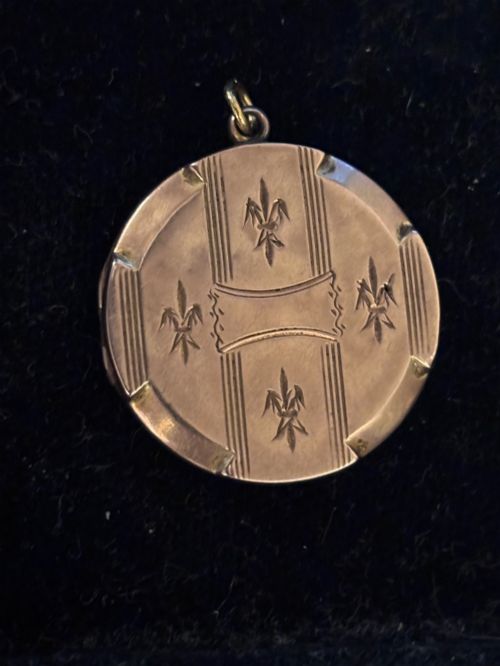
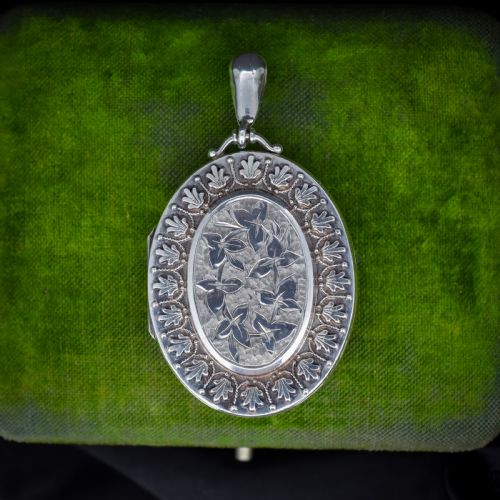
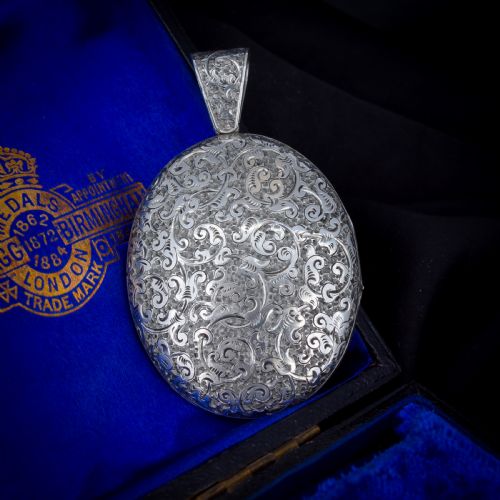
Surface decoration relies heavily on hand engraving, engine-turned detailing and filigree wirework. Gems such as garnets, pearls, turquoise, emeralds and diamonds are flush or bezel set into the metal fronts.
Specialised techniques include vitreous enamel work and the integration of faceted glass picture frames. Hinges and internal bezels require precise metalwork to ensure the compartments open and close securely.
Listings feature periods spanning from Georgian and Victorian eras through to Edwardian, 1940 and 1950 pieces.
What varies in quality
The choice of metal dictates the foundational tier, moving from rolled gold and silver up to high-carat yellow gold and platinum-topped pieces. Heavier gauge metalwork provides greater structural integrity against daily wear.
Artisanal skill distinguishes standard production from exceptional work, particularly in the crispness of hand-engraved foliate motifs, swallows and flower baskets. The inclusion of fine miniature paintings or precise diamond and pearl arrangements elevates a piece considerably.
The preservation of original internal components, such as glass frames and gold bezels, maintains the integrity of the design. Secure, original hinges and tightly closing snaps indicate superior initial manufacturing.
The Victorian Picture Locket Glossary
- Back and front
- A construction method where the exterior plates consist of solid gold while the internal frames and mechanisms utilise base metal. This technique provided the appearance and wear resistance of solid gold at a lower weight.
- Engine turned
- A geometric pattern mechanically etched into the metal surface using a rose engine lathe. This technique creates precise, repeating textures often found on nineteenth-century pieces.
- Glazed locket
- A design featuring transparent glass panels over the internal portrait spaces. This allows the photograph to remain visible and protected when the locket is opened.
- Memorial locket
- A piece created to commemorate a deceased person, frequently incorporating braided hair, seed pearls or black enamel. These items held deep sentimental value for the wearer.
- Rolled gold
- A material formed by fusing a thin sheet of gold to a base metal core under heat and pressure. It offers a durable gold layer without the cost of solid precious metal.
Victorian Picture Locket: Frequently Asked Questions
How do I open a locket?
Most pieces feature a small thumbnail notch along the side or bottom edge. Gently press or lever at this point to release the internal snap.
Take care not to force stiff hinges, which may benefit from professional cleaning if they refuse to budge.
Can I put modern photos inside?
Modern photographs can be trimmed to fit inside the internal bezels or behind the glass frames. Use a thin paper template to get the exact oval or round shape before cutting your picture.
Avoid using modern glue or tape inside antique pieces, as adhesives can damage the original metal or paper linings.
Are these lockets suitable for daily wear?
Solid gold and heavy silver examples handle regular wear well when treated with care. Lighter rolled-gold pieces and delicate filigree require more caution to avoid crushing or bending.
Remove your pendant before swimming, showering or engaging in heavy physical activity to protect the fragile hinges and glass.
How do I clean my silver locket?
Use a soft, dry microfibre cloth to gently polish away surface tarnish from silver and gold surfaces. Avoid dipping pieces with glass compartments or glued gems into liquid cleaning solutions.
Professional jewellers can safely ultrasonic clean solid metal items that do not contain vulnerable internal photographs or organic materials.