



Victorian Pepper Caster
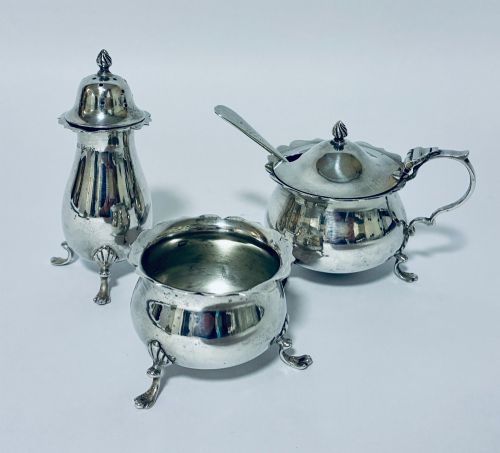
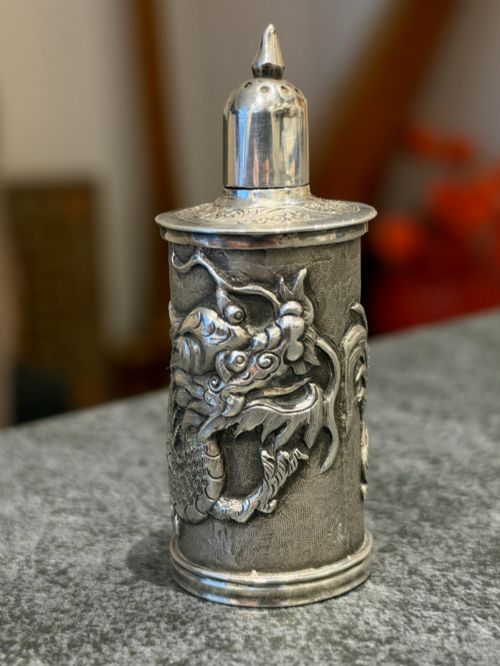
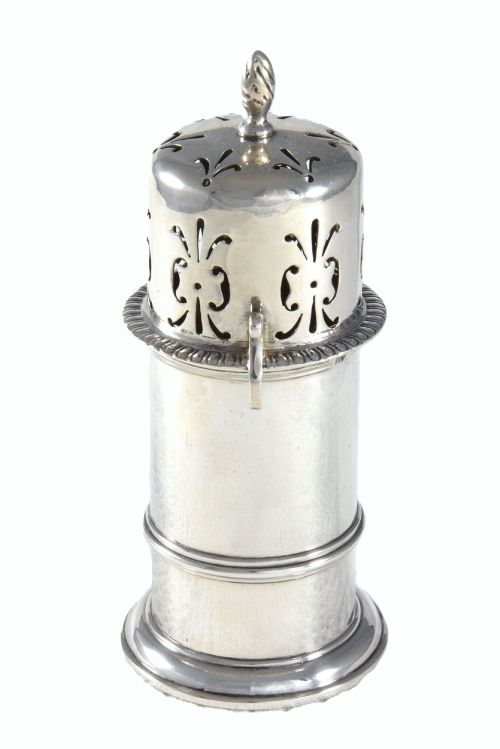
A victorian pepper caster brings period character to the table, taking the form of animals, birds and traditional vessels.
Victorian Pepper Caster
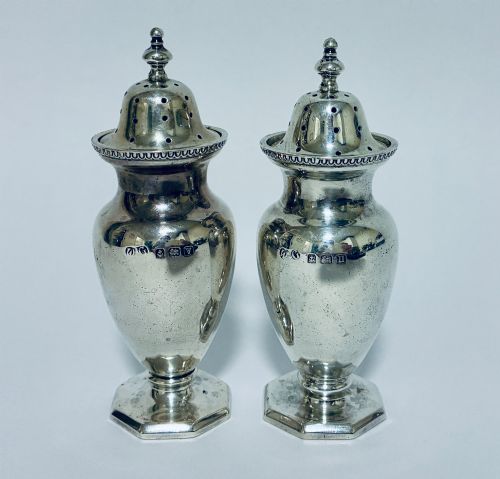
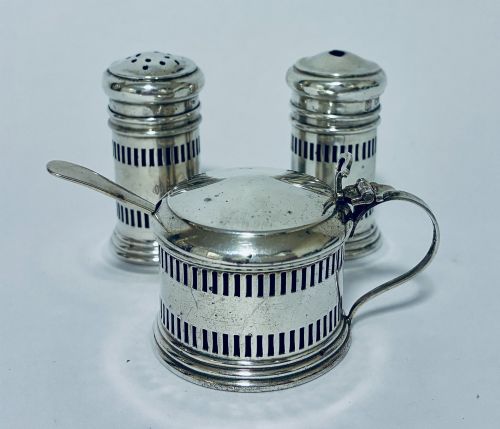
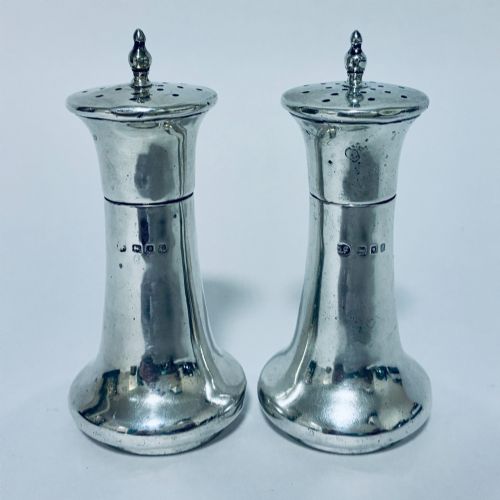
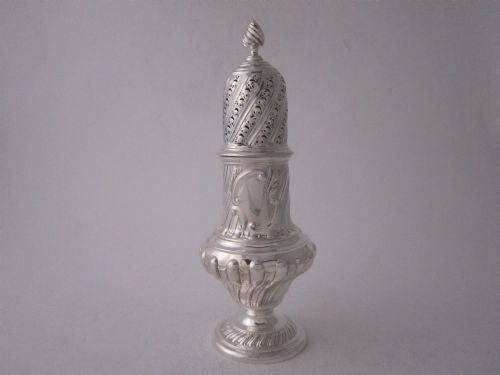
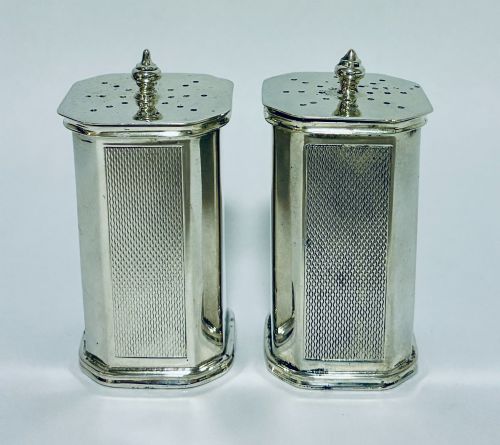
A victorian pepper caster sits on the dining table as a small condiment container designed to sprinkle ground pepper over food. These domestic pieces appear primarily as individual pots, pairs or matched sets, often forming part of larger cruet assemblies.
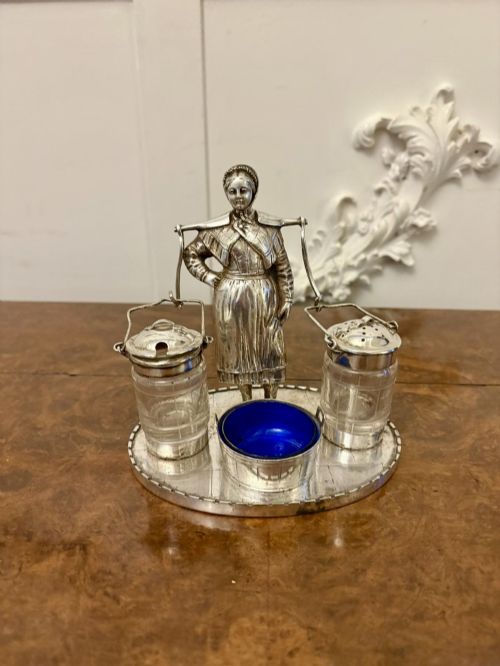
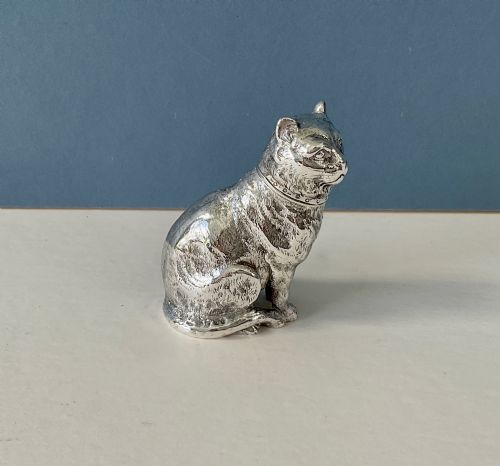
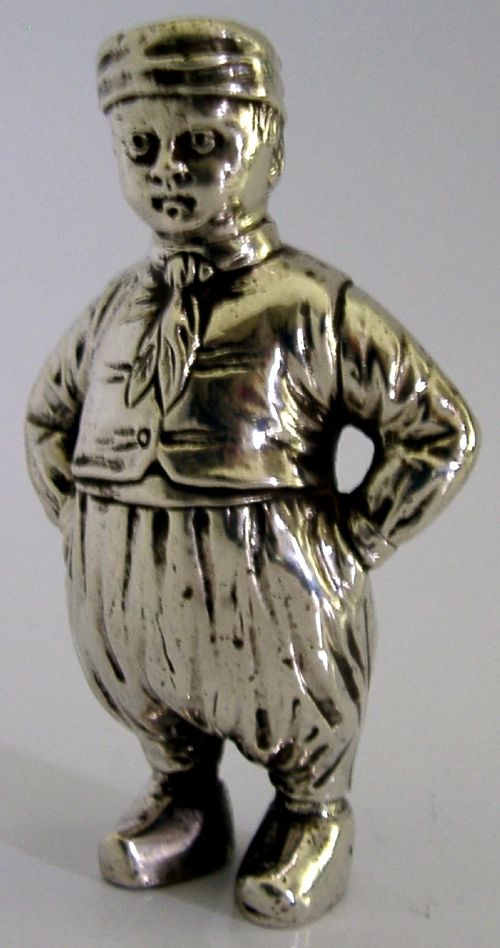
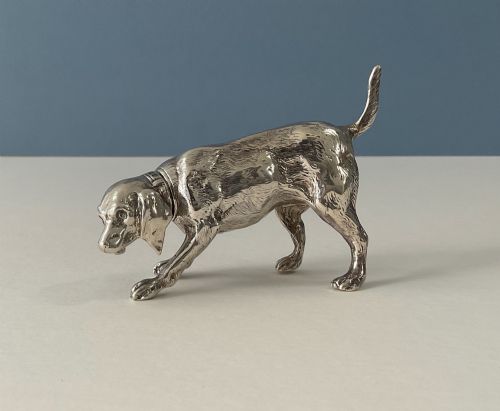
The selection here ranges from standard cylindrical shapes to elaborate figural designs. Buyers frequently encounter whimsical animal forms and novelty items alongside conventional silver and glass table vessels.
How They Were Made
Silversmiths shaped sterling silver and silver plate through casting, hammering and piercing to create rigid bodies and finely perforated lids. Glass components were cut and combined with metal mounts, while rarer examples incorporated pewter, brass and Staffordshire ceramic figures.
Novelty items demanded high craftsmanship to model complex subjects like cats, dogs, owls and human figures with distinct detail. Artisans integrated threaded collars and push-fit caps to secure the contents while allowing easy refilling.
Victorian Pepper Caster Retail Price Guide 2026
Typical asking prices for victorian pepper caster among the pieces listed under this phrase on Sellingantiques today, from the lower quarter to the upper quarter. They describe what is for sale here now, not the wider market.
Listings feature sterling silver, silver plate, cut glass, pewter, brass and ceramic across Victorian and Edwardian periods.
What Varies in Quality
Quality rests in the crispness of the casting and the proportion of the form, particularly in figural and novelty pieces where expression and stance dictate success. Superior examples display sharp feather or fur detailing and clear hallmarks without softening from wear or over-polishing.
The choice of materials also divides the range, distinguishing solid sterling silver and cut glass from silver plate or base metals. Well-matched pairs and complete sets command greater regard than single mismatched survivors.
Frederick Brasted·Mappin Brothers·Walker And Hall·Thomas Johnson·Mappin And Webb
The Victorian Pepper Caster Glossary
- Pepperette
- An alternative term for a small pepper pot or caster. This name appears frequently in period records and modern descriptions alike.
- Cruet Set
- A matched collection of condiment bottles and pots held in a stand. These assemblies typically house mustard, vinegar, oil and pepper.
- Pounce Pot
- A small container with a perforated lid used to sprinkle resin powder onto paper. This powder prepared rough parchment surfaces for ink.
- Silver Plate
- A base metal coated with a thin layer of silver. This technique offered an accessible alternative to solid sterling silver tableware.
Victorian Pepper Caster: Frequently Asked Questions
How do I clean antique silver?
Use a soft microfibre cloth and specialised silver paste to remove tarnish gently. Avoid harsh chemical dips that strip away desirable patina.
Wash the pieces in warm soapy water and dry them completely afterwards. Keep abrasive sponges away from delicate pierced lids and engraved surfaces.
What makes a novelty caster desirable?
Figural subjects depicting animals, birds or human characters drive strong interest among collectors. Naturalistic details like hinged heads or detachable bases add substantial appeal.
Pieces bearing clear silversmith marks and legible date letters command particular attention. Rarity of the subject matter elevates value across the market.
How do I identify the period?
Examine the stamped hallmarks on the metal mounts for town marks, standard marks and date letters. These official stamps record the exact year of assay.
Stylistic cues such as heavy Victorian casting or delicate Edwardian proportions offer further chronological guidance. Comparing construction methods helps confirm the era of manufacture.