

Victorian Pendant Lighting
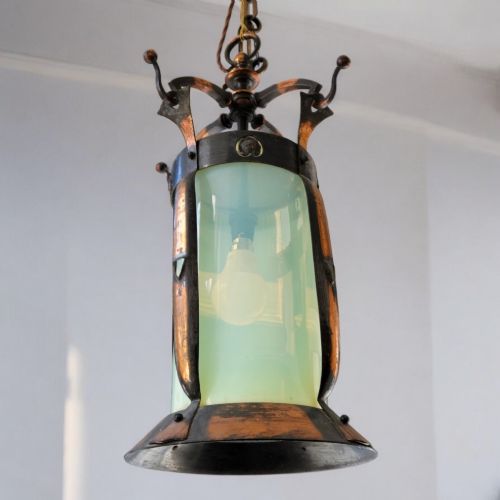
Victorian pendant lighting brings enduring architectural character to high ceilings through robust brass frames and delicate opalescent shades.
Victorian Pendant Lighting
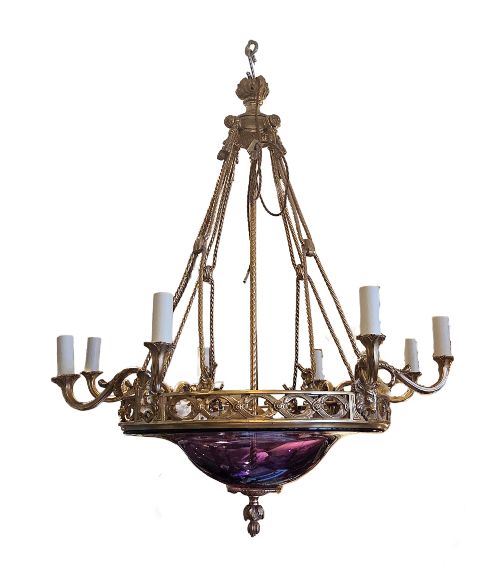
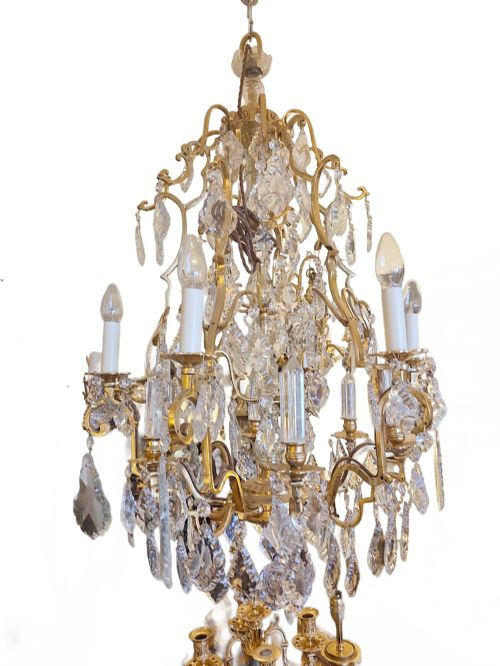
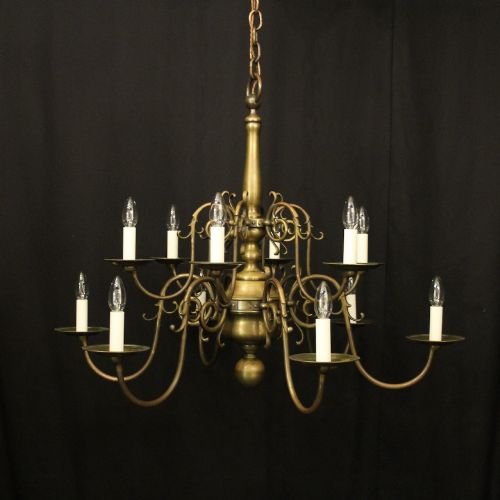
Victorian pendant lighting encompasses overhead suspension fixtures designed to illuminate domestic and institutional spaces during the nineteenth century. These pieces range from grand multi-armed chandeliers and gasoliers to utilitarian railway hanging lanterns and hallway lanterns.
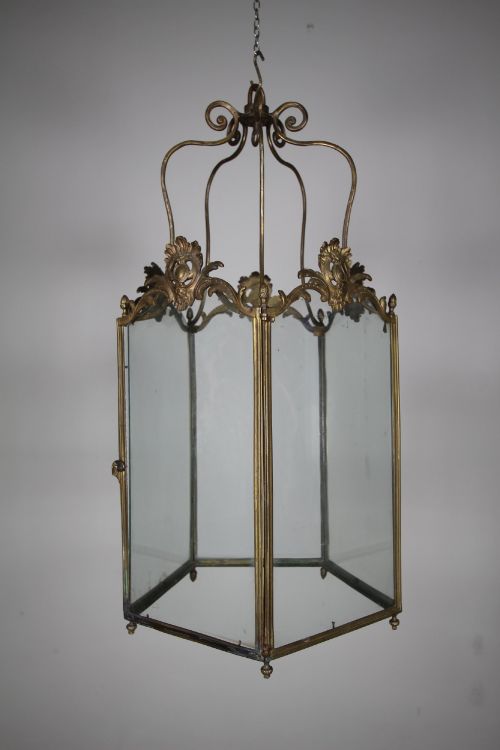
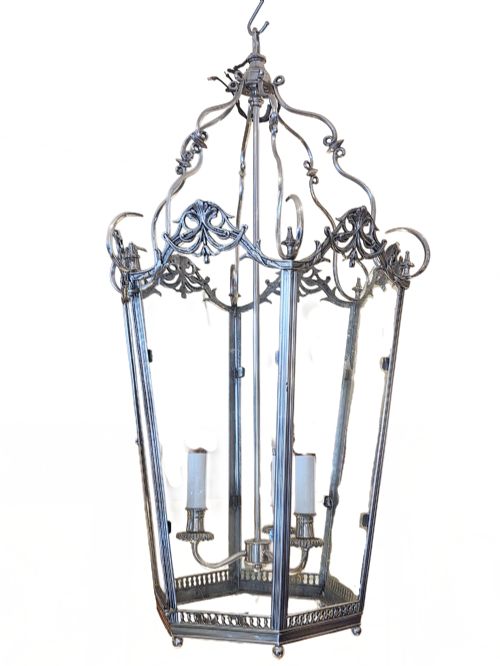
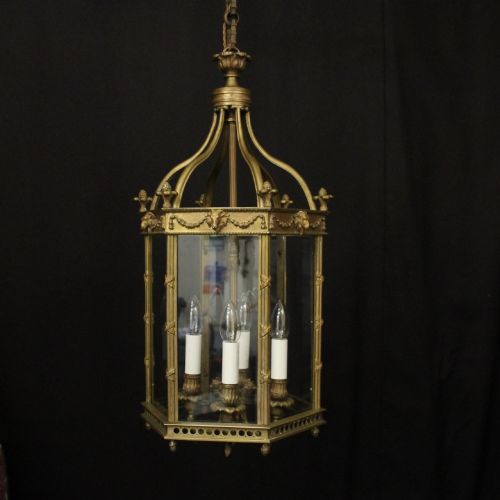
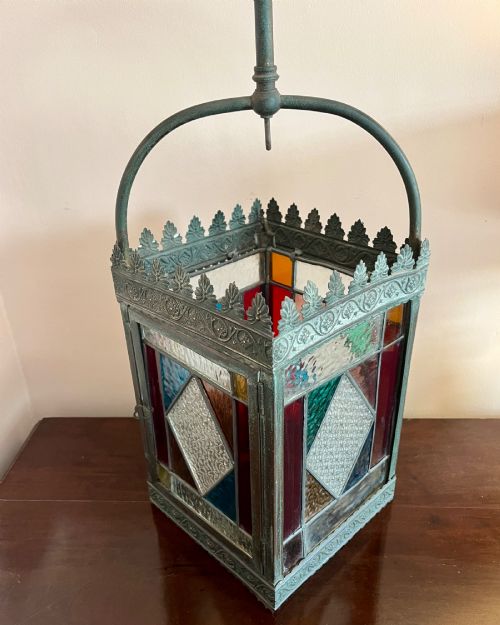
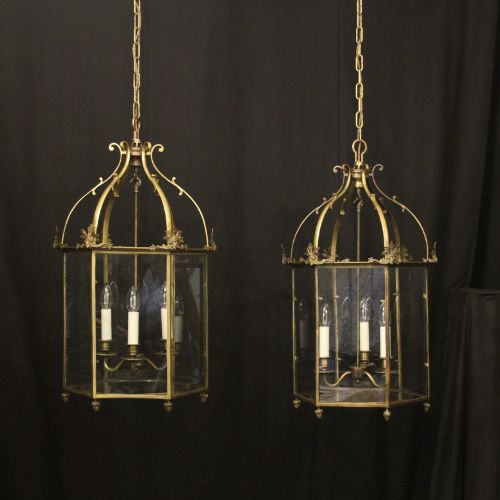
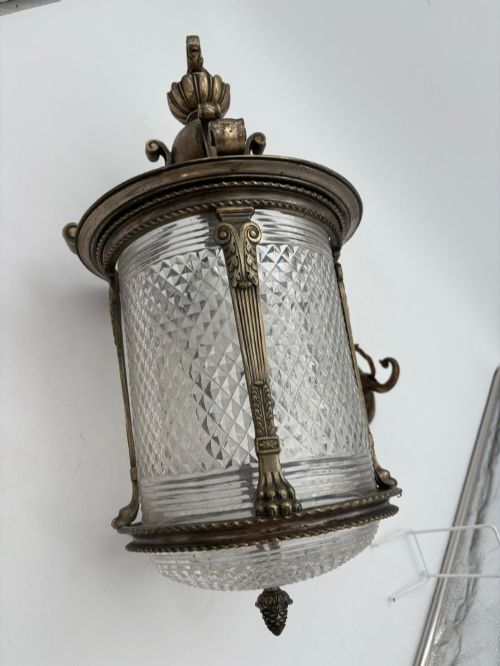
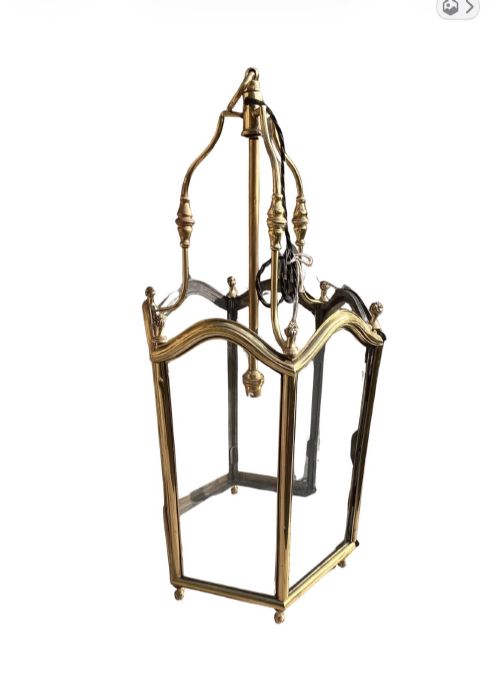
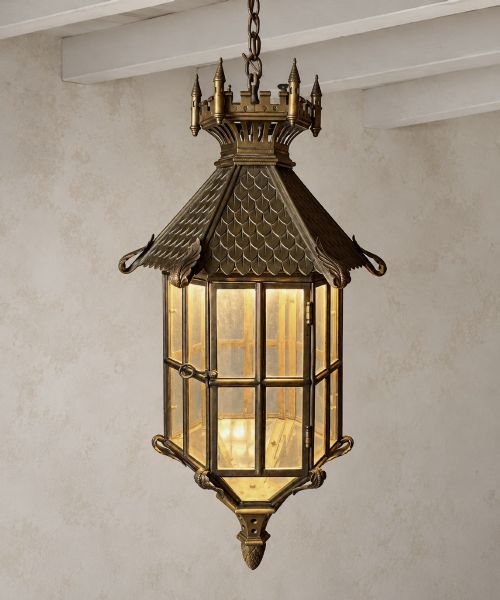
Buyers will frequently encounter heavy brass framed lanterns and glass ceiling lights originating from the Victorian period alongside related Edwardian and French styles. Many fixtures utilise durable metal structures paired with cut glass, leaded glass, or opaline painted shades.
The selection includes specialised forms such as billiard lights, paraffin lamps with burners, and rise and fall pendants designed for adjustable illumination. Each object reflects the gas and oil lighting technologies of its era, later adapted for electrical use.
Materials and Construction
Makers built these fixtures primarily from cast and spun brass, bronze, and copper, often combining them with iron frames to support heavy glass elements. Gilt bronze and gessoed giltwood appeared in more ornate French and domestic reception rooms.
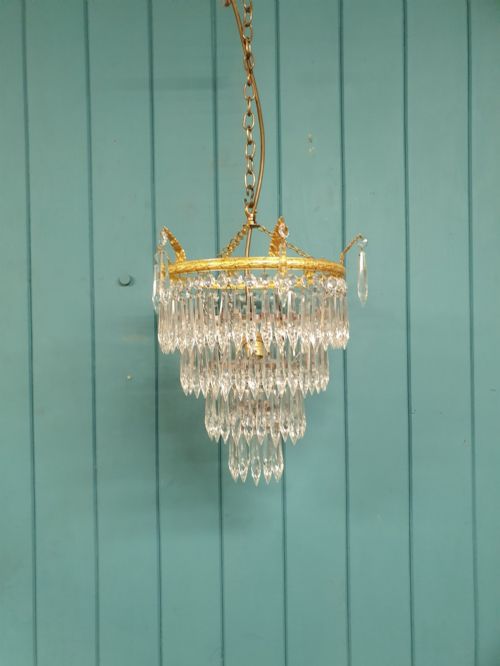
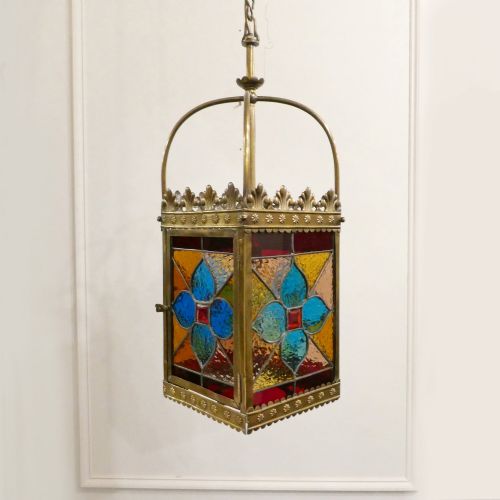
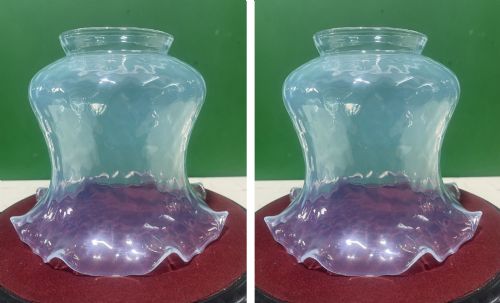
Glass components involved sophisticated techniques, producing cut crystal domes, opaline painted shades, and leaded glass panels held together with robust came work. Burners, keys, and fonts incorporated precision engineering in brass and other metals to handle fuel and gas safely.
Victorian Pendant Lighting Retail Price Guide 2026
Typical asking prices for victorian pendant lighting among the pieces listed under this phrase on Sellingantiques today, from the lower quarter to the upper quarter. They describe what is for sale here now, not the wider market.
Several lanterns retain evidence of their past lives switching from candlelight to gas and finally to electricity.
Judging Quality
Quality reveals itself in the weight and thickness of the cast metal frame, the crispness of chased details like lion masks or leaf designs, and the integrity of the soldered joints. Heavier brass castings and substantial leaded glass panels indicate a higher grade of production intended for public buildings or grand residences.
The sophistication of the glasswork distinguishes standard production from finer examples, particularly where hand-cut crystal, shaped opaline, or complex colour layering is present. Original mechanisms, such as functional rise and fall counterweights or intact burner assemblies, elevate the integrity of the piece.
Osler
The Victorian Pendant Lighting Glossary
- Gasolier
- A gas chandelier designed to burn coal gas for illumination before the widespread adoption of electric lighting. These fixtures often feature hollow brass arms to channel gas to the burners.
- Opaline
- An opaque or translucent glass popular in the nineteenth century, often tinted in soft colours to diffuse light evenly. It provides a distinct matte finish.
- Rise and fall pendant
- A suspension light equipped with a pulley or counterweight mechanism allowing the user to adjust the height of the lamp. These units often utilise internal springs or chains.
- Lead glass
- Glass manufactured with lead oxide to increase brilliance, clarity, and weight. It allows for deep, sharp facet cutting in crystals and domes.
Victorian Pendant Lighting: Frequently Asked Questions
How do I install a vintage pendant light?
Most antique ceiling fixtures require professional rewiring to meet modern electrical safety standards before mounting to a standard ceiling junction box.
Heavier brass frames and large lanterns often necessitate additional ceiling bracing to support their substantial weight safely.
Were these lights originally electric?
Almost none of these nineteenth-century pieces were electrified at the time of manufacture, as they were originally designed for candles, oil, or coal gas.
Later conversions integrated internal wiring into the original brass tubes and burner assemblies to allow modern bulb usage.
How do I clean antique glass shades?
Remove delicate glass components such as opaline shades or crystal drops and wash them gently in lukewarm water with mild soap.
Avoid soaking metal-mounted glass or using harsh chemical abrasives that can damage historic patination on the brass frames.
Can I adjust the height of a hanging lantern?
Fixtures featuring rise and fall mechanisms allow for direct height adjustment using their original pulley systems.
For fixed-chain or rod lanterns, adjustments require altering the chain links or internal wiring length during professional installation.