

Victorian Pedestal Pot Cupboard
A victorian pedestal pot cupboard is a practical bedside cylinder or box designed to hold a chamber pot while discreetly anchoring the sleeping quarters.
Victorian Pedestal Pot Cupboard
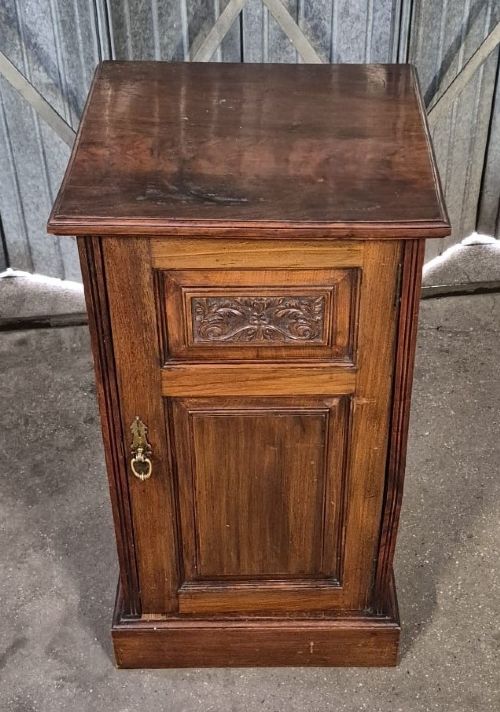
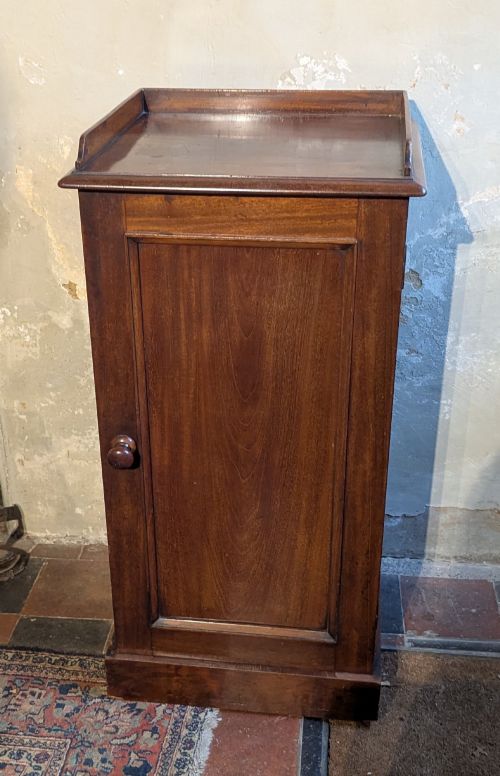
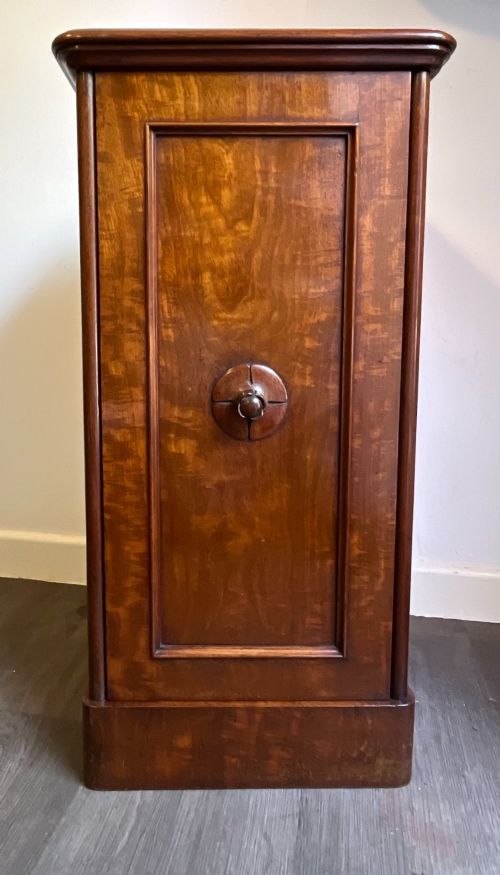
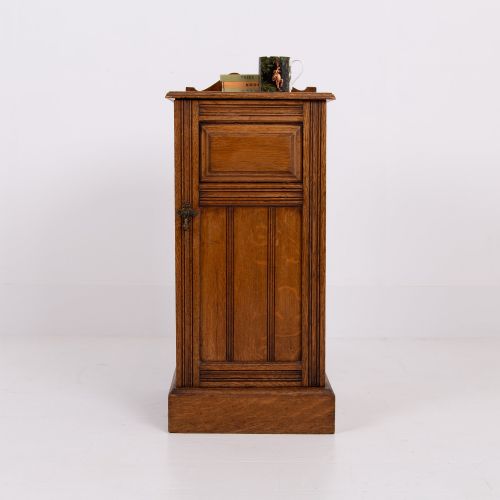
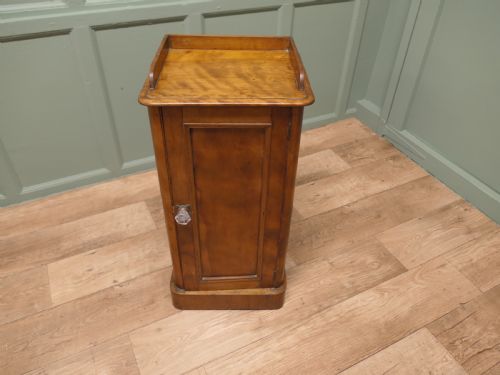
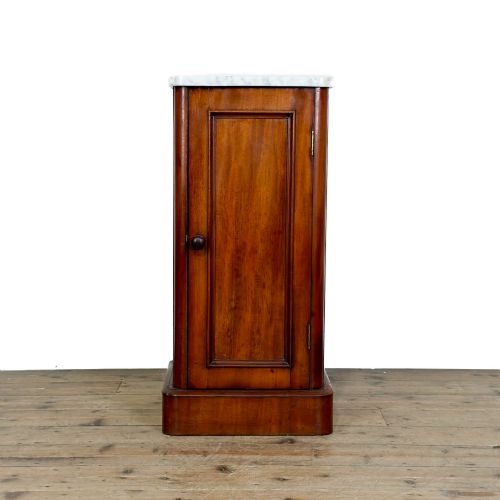
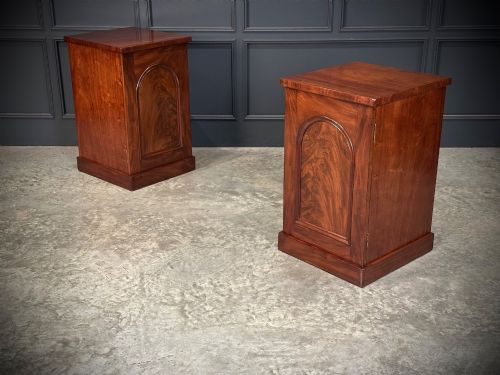
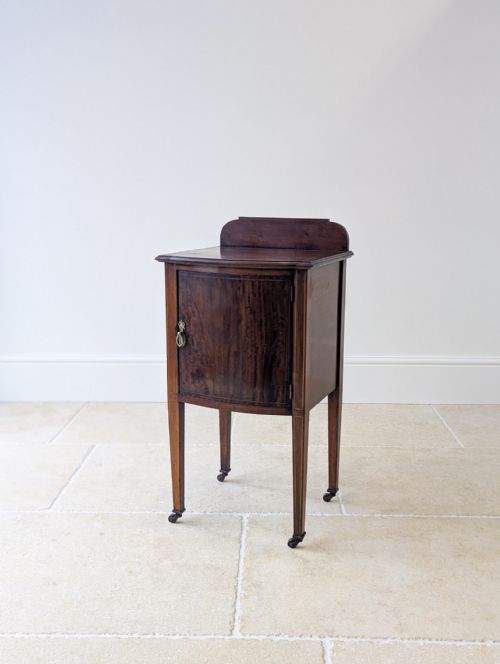
A victorian pedestal pot cupboard typically takes the form of a compact freestanding single door cabinet designed to stand beside a bed. The listings here showcase numerous examples originating across the nineteenth century, including pieces assigned to the Edwardian era.
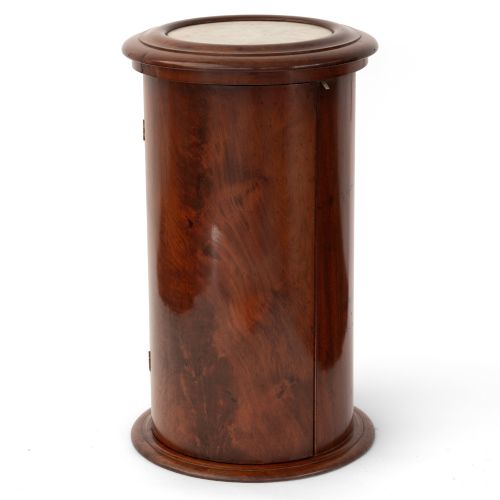
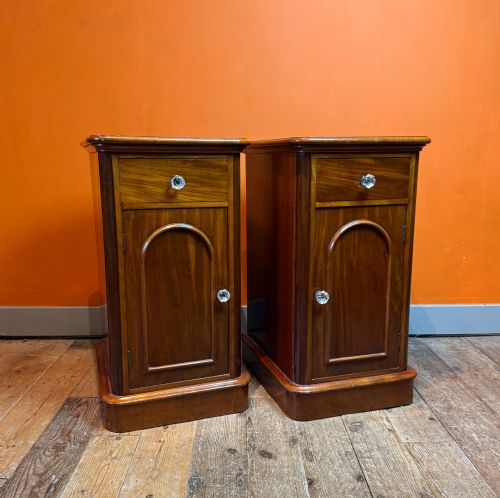
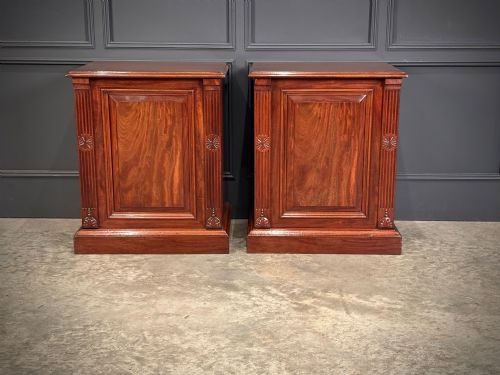
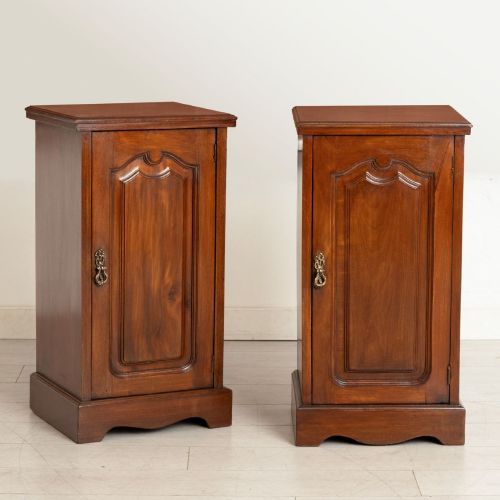
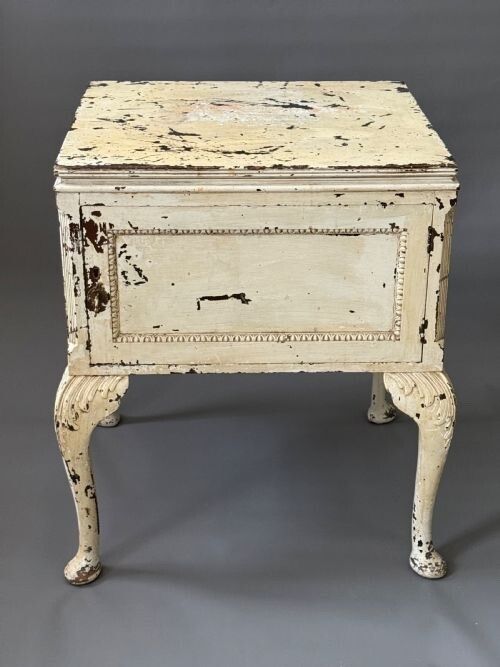
Makers and cabinetmakers produced these singular pieces in various configurations, including cylindrical bodies, circular shapes, and traditional rectangular pedestals. Buyers regularly encounter pairs as well as individual items intended to match the furnishings of a grand bedroom.
The primary function evolved from purely utilitarian chamber storage into a refined bedside stand topped with marble or polished timber. Surviving forms demonstrate a heavy reliance on mahogany and walnut timbers fashioned into bedside cupboards, night lockers, and small side cabinets.
Materials and construction methods
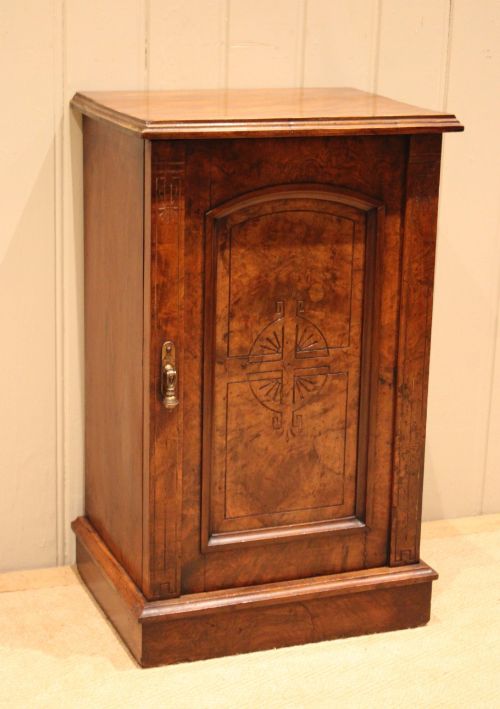
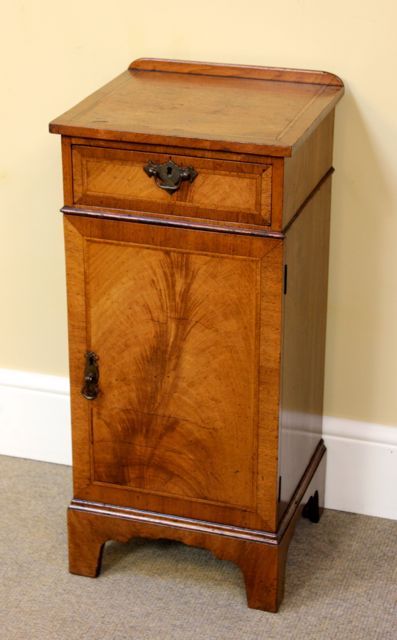
Cabinetmakers relied heavily on dense hardwoods such as mahogany and walnut, frequently selecting figured veneers, flame mahogany veneer, and burr walnut to create visually striking door panels and tops. Secondary timbers like pine provided internal structural support for these heavy pedestals.
Many high-status specimens incorporated inset marble slabs upon their upper surfaces to provide a durable, wipe-clean shelf for water jugs and washing bowls. Brass fittings, including knobs and hinges, added functional hardware details that complemented the rich tones of the polished wood.
Victorian Pedestal Pot Cupboard Retail Price Guide 2026
Typical asking prices for victorian pedestal pot cupboard among the pieces listed under this phrase on Sellingantiques today, from the lower quarter to the upper quarter. They describe what is for sale here now, not the wider market.
Some cylindrical marble-topped specimens secretly began life as bedside night lockers built to keep midnight drafts away from the chamber pot.
Judging quality and craftsmanship
The refinement of a victorian pedestal pot cupboard rests heavily on the selection of the timber grain and the crispness of the joinery. Superior examples utilise matched flame mahogany or burr walnut veneers that wrap symmetrically across the single door front.
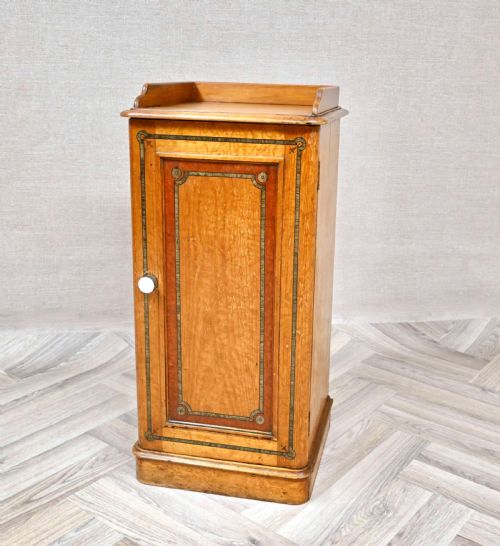
Internal arrangements and secondary woods reveal the original workshop standards, with finer pieces maintaining neatly panelled interiors and well-fitted shelves. The inclusion of heavy, unblemished marble tops or intricate carving in styles such as Gothic Revival or Aesthetic Movement elevates the standing of an individual cabinet.
Howard & Sons·Holland & Sons
The Victorian Pedestal Pot Cupboard Glossary
- Pot cupboard
- A small bedside cabinet originally constructed with an enclosed interior compartment designed to house a chamber pot. These pieces usually feature a single hinged door and a raised gallery top.
- Burr walnut
- A highly prized timber harvested from the wart-like growths on walnut trees, yielding an intricate, swirling grain pattern. Cabinetmakers sliced this wood into thin veneers for decorative furniture fronts.
- Flame mahogany
- A distinct veneer figure obtained from the branch junctions of mahogany trees, displaying a flickering flame-like pattern. It was widely utilised by nineteenth-century makers to catch the light.
- Night locker
- An alternative nineteenth-century term for a bedside cabinet or cupboard used to store personal items overnight. These sturdy units kept bedroom necessities concealed close to the bed.
- Pedestal cabinet
- A freestanding vertical storage unit built on a plinth or small footed base rather than tall legs. They often possess a cylindrical or square footprint suited to tight corners.
Victorian Pedestal Pot Cupboard: Frequently Asked Questions
What is a victorian pedestal pot cupboard used for today?
Modern interiors utilise these compact cabinets primarily as bedside tables or lamp stands where surface space is limited. The interior cupboard provides convenient hidden storage for books or charging devices.
Their sturdy timber construction and flat tops make them equally functional as small side tables in a hallway or drawing room.
How do I identify a genuine nineteenth-century piece?
Examine the construction methods inside the cabinet, looking for hand-cut dovetails on drawers and traditional timber shrinkage rather than modern metal screws. The use of dense solid mahogany or thick walnut veneers over secondary woods like pine points directly to period manufacturing.
Pay attention to the wear patterns on the interior floor and the patina of the polished finish, which develops a soft lustre over decades of use.
Did these cabinets always come in pairs?
While many workshops produced matching pairs for larger Victorian bedrooms, a vast number were made and sold as single items. Surviving pairs command distinct interest because furnishing a bed on both sides with matching pedestals became increasingly popular toward the late nineteenth century.
Single cabinets remain exceptionally common due to the varied room sizes and bed arrangements of the period.