


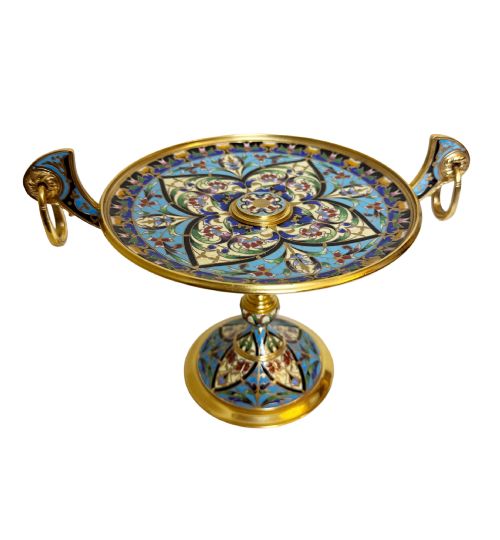
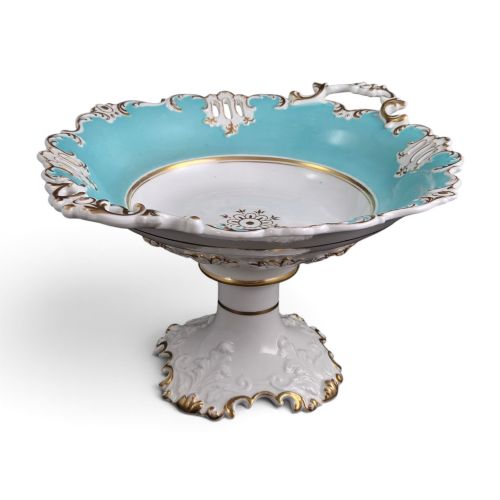
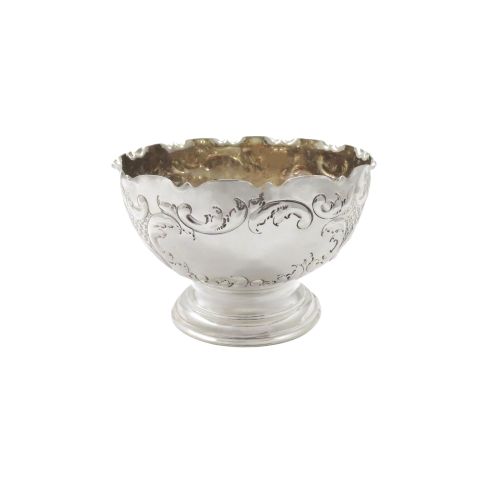
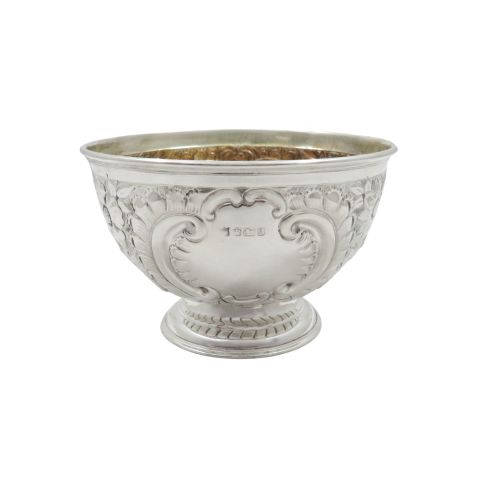

Victorian Pedestal Dish
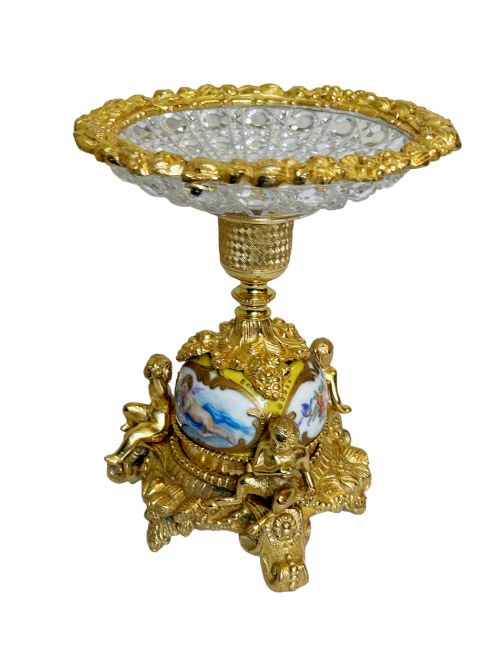
A victorian pedestal dish elevates fruit, sweets or small items upon a raised foot, bringing nineteenth-century craftsmanship directly to the table.
Victorian Pedestal Dish
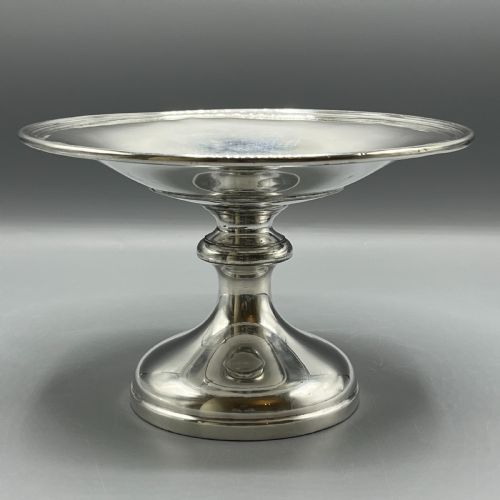
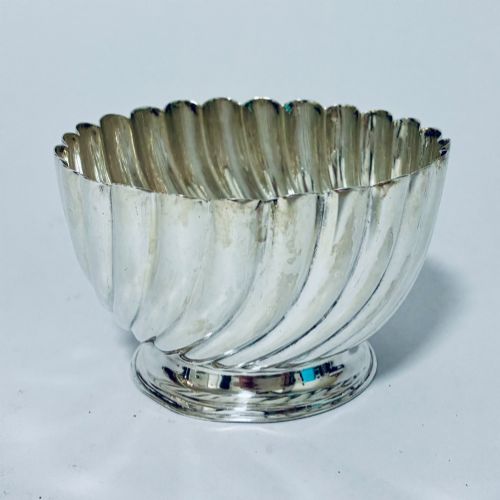
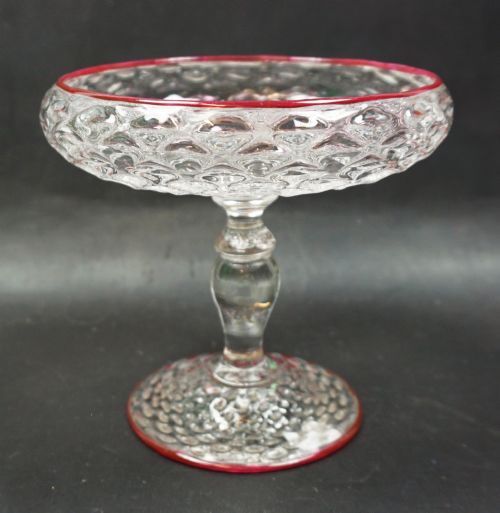
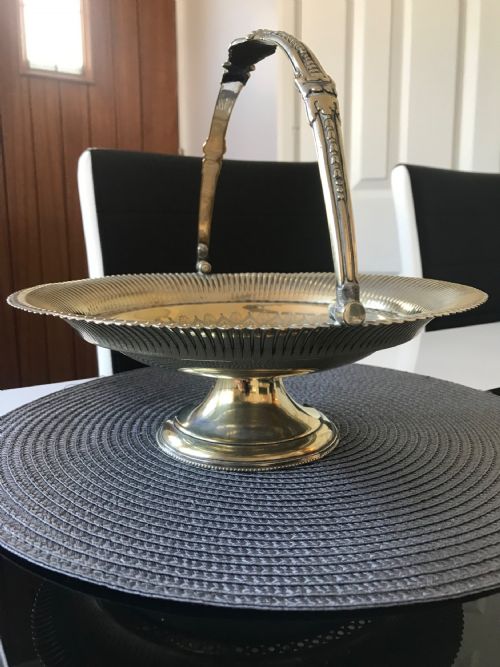
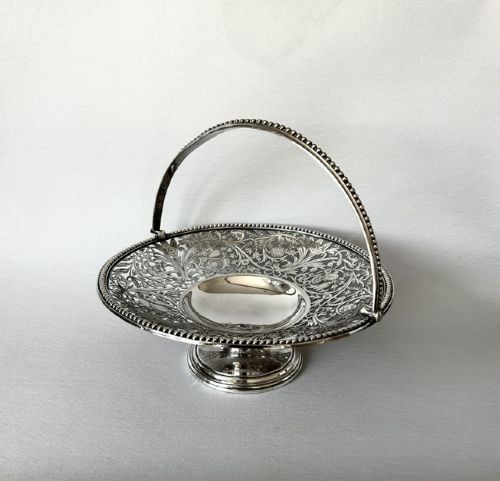
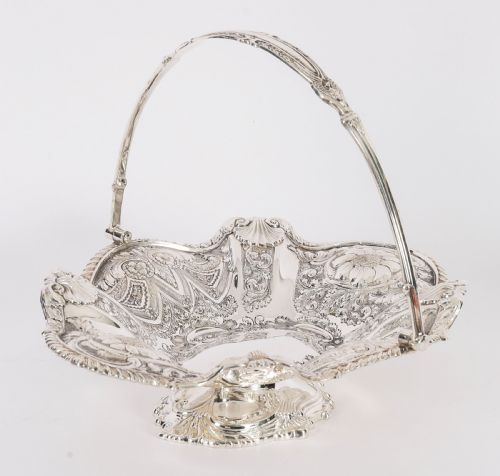
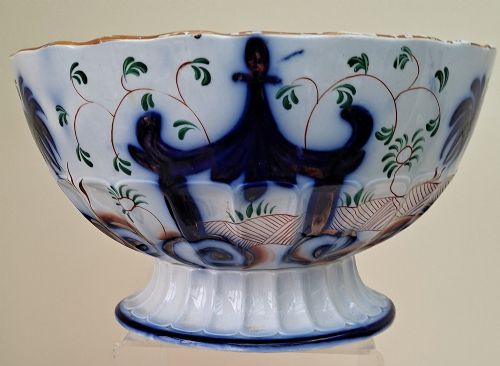
A victorian pedestal dish encompasses a varied group of raised vessels, spanning formal tazzas, open fruit baskets, comports and bonbon dishes. These pieces emerge in sterling silver, silver plate, cut glass, porcelain and earthenware, often standing upon a central foot or tripod base.
Makers across England and wider European workshops produced these raised dishes for nineteenth-century dining and display. The selection ranges from pressed and cut crystal to glazed majolica, ironstone and intricately repoussé silver.
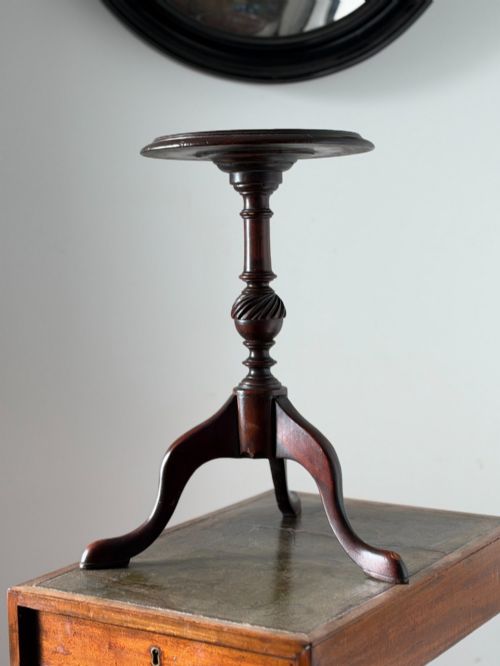
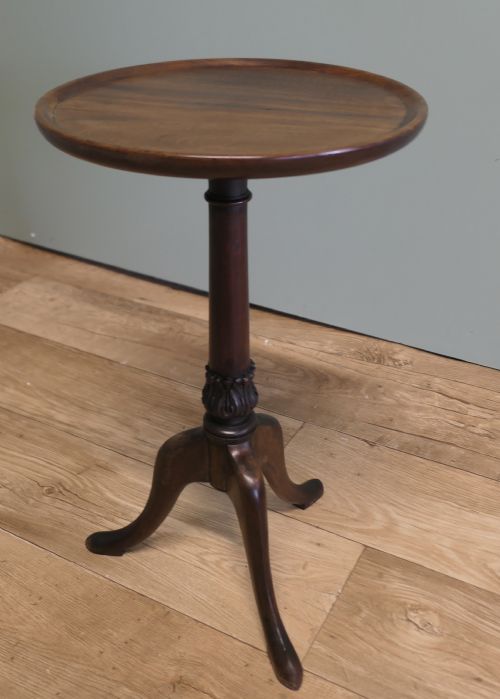
The term also extends occasionally to small occasional tables with dish tops, alongside decorative centrepieces intended to anchor a dining arrangement. Most items belong firmly to the Victorian era or closely related nineteenth-century styles.
Materials and Techniques
Silversmiths shaped sterling silver and silver plate through hammering, piercing, embossing and repoussé work, frequently adding swing handles or cast borders. Glassmakers utilised moulding, cutting, gilding and colour-layering, creating ruby, vaseline and crystal tazzas.
Potters shaped bone china, ironstone and earthenware, finishing them with hand-painted insects, floral motifs or distinct transfer patterns like the Gaudy Welsh pagoda design. Bronze, gilt metal and champlevé enamel also appear, providing rigid support structures for crystal and stone elements.
Victorian Pedestal Dish Retail Price Guide 2026
Typical asking prices for victorian pedestal dish among the pieces listed under this phrase on Sellingantiques today, from the lower quarter to the upper quarter. They describe what is for sale here now, not the wider market.
Design styles span the Victorian era alongside Rococo Revival, Neoclassical, Aesthetic Movement, Edwardian, and Georgian influences.
Assessing the Pieces
Quality rests upon the crispness of the chasing on silver, the depth of the wheel-cut facets in crystal, and the precision of hand-painted enamels on porcelain. A finer piece displays deliberate weight, secure joins between the dish and its pedestal foot, and balanced proportions.
Lesser examples rely on mass-produced press moulding with softer surface detail or heavy plating wear over base metals. The choice of unusual materials, such as Blue John stone, agate cabochons or overlaid glass, signals higher ambition in the workshop.
George W. Scott & Sons Ltd·James Deakin & Sons·Daniel and Arter·Elkington & Co·William Comyns
The Victorian Pedestal Dish Glossary
- Tazza
- A shallow bowl or saucer raised on a high foot, frequently utilised for serving fruit or sweets.
- Comport
- A large standing dish or bowl used on the dining table for desserts and fruit displays.
- Repoussé
- A metalworking technique where the artisan hammers the design from the reverse side to form raised relief patterns on the front.
- Vaseline glass
- A yellow-green transparent glass containing uranium dioxide, which produces a distinctive glow under ultraviolet light.
Victorian Pedestal Dish: Frequently Asked Questions
What is a tazza?
A tazza is an elevated dish supported by a single central pedestal or foot.
Historically placed centrally on dining tables, these vessels held fruit, sweetmeats or small pastries during formal nineteenth-century meals.
How do I clean silver plated dishes?
Clean silver plate gently using a soft cloth and a specialised non-abrasive silver polish.
Avoid harsh scrubbing or soaking, which can wear away the thin layer of silver applied over the base metal.
Are cut glass pedestals fragile?
Cut crystal and glass require careful handling due to their weight and the sharpness of their decorative facets.
Wash them by hand in lukewarm water rather than placing them inside a modern dishwasher.
What distinguishes a comport from a bowl?
A comport stands raised upon an integrated foot or pedestal base, separating it from flat-bottomed table bowls.
This elevation allowed nineteenth-century hosts to tier their table settings and improve visual access across the dining room.