


Victorian Pearl Lapel Pin
These Victorian pearl lapel pin pieces offer refined adornment for a lapel, combining period gold with lustrous pearls.
Victorian Pearl Lapel Pin
When you search for a victorian pearl lapel pin, you encounter a selection of brooches and pins spanning the 19th century and the Edwardian era. These jewels range from simple bar brooches to elaborate hearts, insects, and swallows.
The objects on this page predominantly date from the Victorian period, alongside pieces from 1890, 1900, and the Edwardian era. Many examples incorporate seed pearls or split pearls set in various purities of gold.
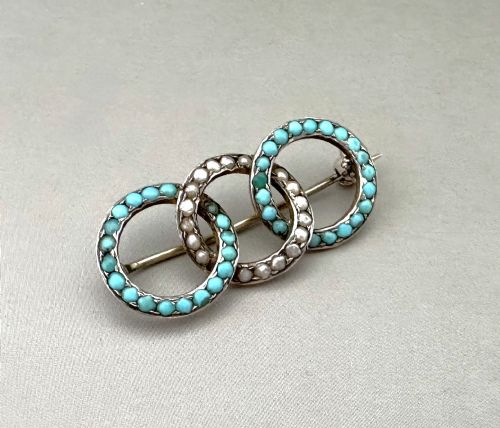
Makers and designers of the period utilised natural pearls, diamonds, turquoise, enamel, and garnets to enhance the pins. These decorative accessories served both sentimental and ornamental purposes in historical wardrobes.
How they were made
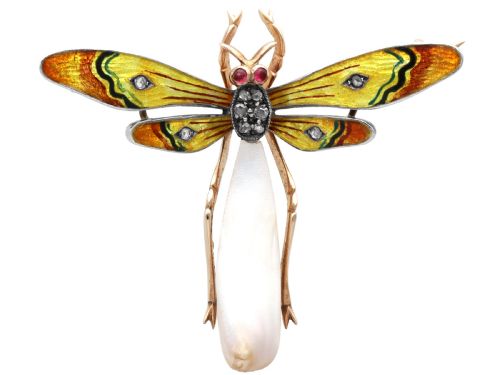
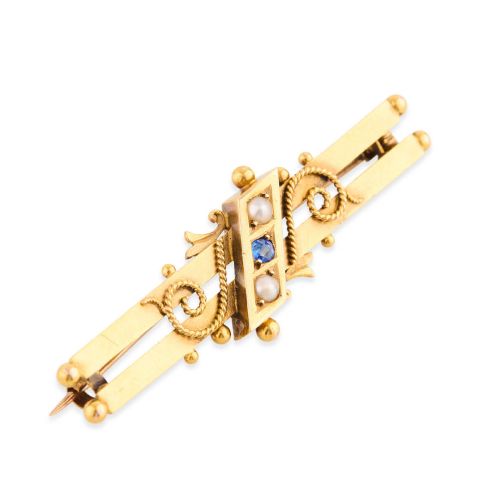
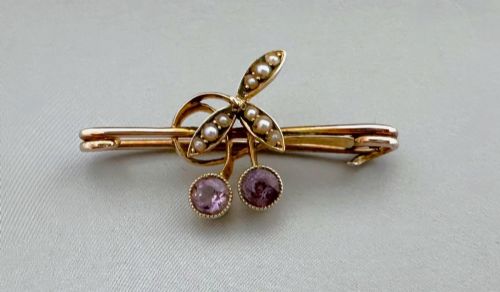
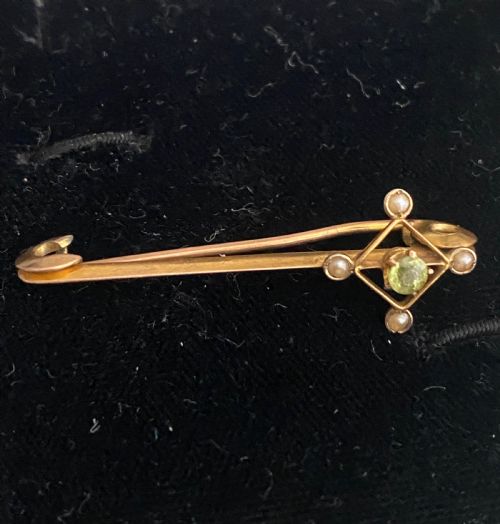
The construction of these pieces relies on yellow gold in 9ct, 15ct, and 18ct purities, frequently shaped into bar brooches or pierced heart frames. Goldsmiths secured pearls through traditional setting techniques alongside diamonds, amethysts, and enamel work such as plique-à-jour.
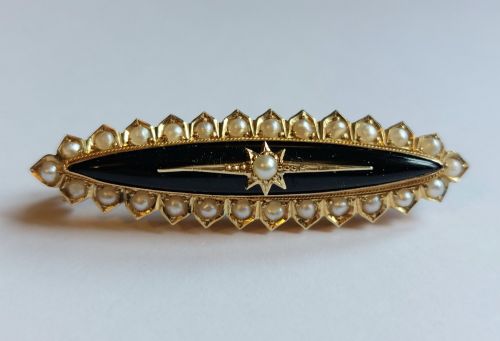
Mourning and sentimental jewellery often incorporated seed pearls and onyx, whilst other designs employed turquoise, garnets, or peridot. Silver gilt also appears as a base material alongside solid gold variations.
Several items feature winged creatures, including a dragonfly and a swallow, ready to take flight from your lapel.
What varies in quality
Quality in these jewels rests upon the selection and uniformity of the pearls, the intricacy of the goldwork, and the presence of secondary gemstones like rose-cut diamonds or sapphires. Pierced heart brooches and enamel work demand greater skill than plain bar designs.
The choice of metal purity, from 9ct up to 18ct yellow gold, distinguishes standard production from finer bespoke pieces. Preservation of original enamel, gemstones, and secure pin mechanisms further elevates an item.
The Victorian Pearl Lapel Pin Glossary
- Seed pearl
- A very small natural or cultured pearl, often half-drilled and threaded or glued onto pins during the 19th century. They form delicate clusters and floral motifs.
- Bar brooch
- A slender horizontal metal pin designed to fasten garments, frequently embellished with stones or pearls across the centre.
- Plique-à-jour
- An enamelling technique where the enamel is applied without a backing, resembling miniature stained glass that allows light to pass through.
- Rose-cut diamond
- An antique diamond cut featuring a flat base and a dome-shaped crown with triangular facets, common in Victorian and Edwardian cluster settings.
- Mourning brooch
- A commemorative jewel incorporating hair, black materials like onyx, or pearls to remember a deceased person.
Victorian Pearl Lapel Pin: Frequently Asked Questions
What is a victorian pearl lapel pin?
A victorian pearl lapel pin is a small decorative brooch worn on a lapel or collar, featuring pearls set in gold or silver gilt from the 19th century or Edwardian period.
These accessories function primarily as ornamental dress fasteners, often taking the form of bar brooches, hearts, or insects.
How do I wear a antique brooch?
Antique brooches secure easily through heavy fabrics on coat lapels, scarves, or collars using their traditional pin and catch mechanisms.
Ensure the safety catch is secure when fastening the piece to prevent loss during wear.
How do I date these pins?
Dating relies on stylistic clues such as the presence of Art Nouveau plique-à-jour enamel, Edwardian diamond motifs, or Victorian mourning elements.
Gold purity marks and construction techniques also assist in narrowing down the decade of manufacture.
What materials are used in them?
These items utilise 9ct, 15ct, and 18ct yellow gold, alongside silver gilt, combined with pearls, seed pearls, and split pearls.
Additional materials include diamonds, amethysts, turquoise, garnets, sapphires, peridot, onyx, and enamel.