


Victorian Pastoral Watercolour
A victorian pastoral watercolour captures the idyllic countryside through delicate pigments on paper, bringing quiet rural scenes into the home.
Victorian Pastoral Watercolour
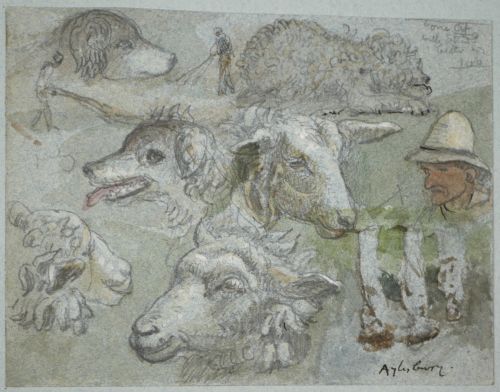
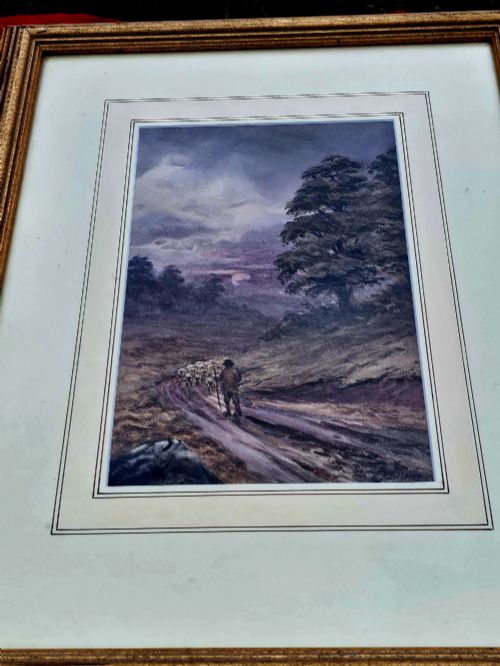
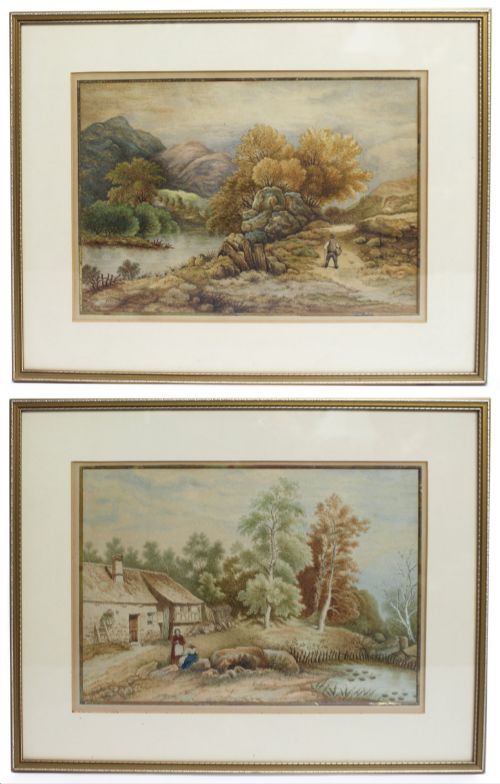
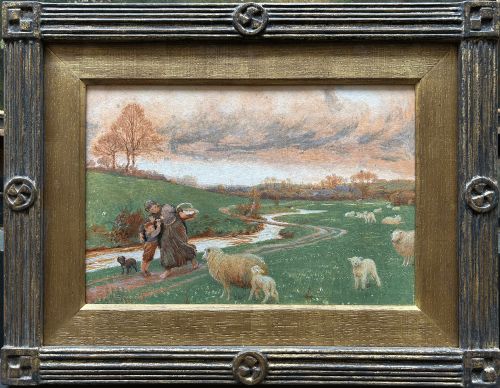
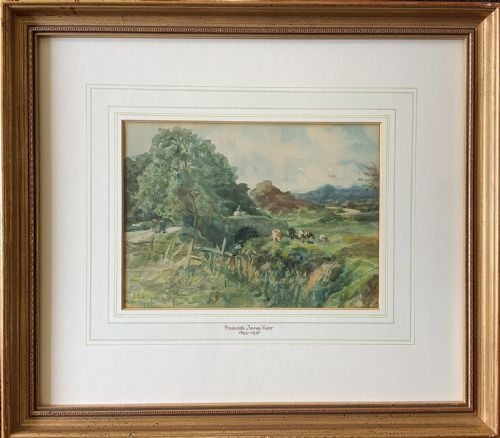
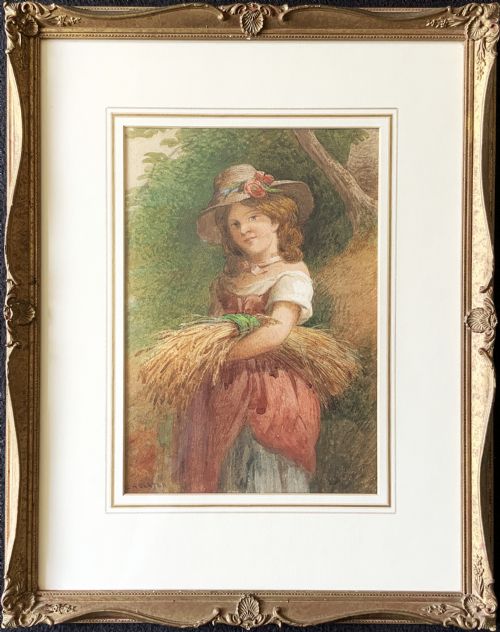
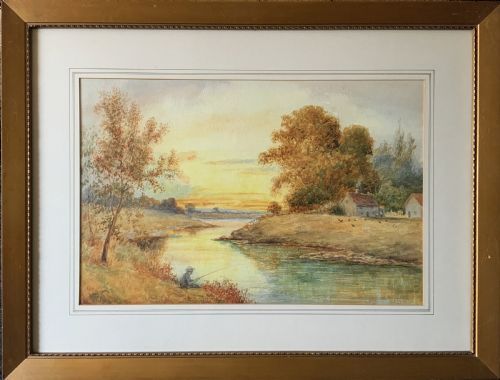
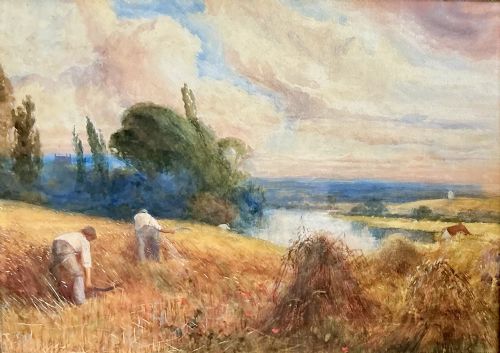
A victorian pastoral watercolour depicts rural life, agricultural labour and picturesque countryside scenes across Britain during the nineteenth and early twentieth centuries. These works typically feature cattle, sheep, riversides, thatched cottages and figures engaged in traditional country pursuits.
The selections available here range from small observational studies to large framed gallery paintings. Works by named artists sit alongside accomplished pieces by contemporaries working within the Victorian British School and Edwardian pastoral traditions.
Subjects concentrate heavily on domestic tranquility, agricultural abundance and picturesque river valleys. Scenes from Wales, southern England and the Thames corridor recur frequently among the compositions.
Materials and Technique
Artists applied water-soluble pigments onto heavy textured paper, often building up translucent washes to achieve atmospheric effects of light and weather. Gum arabic was frequently utilised to deepen tones and add a glossy finish to specific areas of the composition.
Subsequent framing involved protective glass, wooden mouldings and occasionally gilt wood or gold leaf surrounds. These period frames safeguard the delicate paper substrates from environmental damage and moisture.
Several watercolours record young foals and mischievous farm animals stealing fruit from baskets.
Judging Quality and Execution
Excellence in these watercolours rests upon the artist's handling of light, atmospheric depth and botanical accuracy. Strong compositions balance architectural elements like cottages and bridges with natural watercourses and livestock.
The sensitivity of the brushwork and the preservation of pigment vibrancy distinguish superior examples. Works showing assured draftsmanship and subtle tonal gradations represent the finest achievements of the genre.
James Smetham·EJ Letheren·Th.Thibault·Frederick Walker·Frederick James Kerr·Charles Henry Slater·Frederick Hines·Philip Richard Morris·Cornelius Pearson·Henry John Kinnaird·James William Booth·Thomas Hunn·James Orrock·James Hardy Junior·Robert Thorne Waite·Helena Maguire·Alfred Grey·Harold Lawes·Bernard Walter Evans·Edmund George Warren·William Stephen Coleman·Harry Sylvester Stannard·Henry Charles Fox·Will Anderson·Robert Hollands Walker
The Victorian Pastoral Watercolour Glossary
- Watercolour pigment
- Finely ground colour particles suspended in a water-soluble binder. This medium allows for luminous washes and delicate layering.
- Gilt wood
- Timber framing finished with a thin layer of gold leaf. It provides a traditional decorative border for nineteenth-century works on paper.
- Pre-Raphaelite
- An artistic movement focused on detailed observation of nature and bright colour harmonies. Influenced various painters of rural and idyllic scenes.
- Provenance
- The documented history of ownership of an artwork. Establishes authenticity and traces the lineage of a painting through time.
Victorian Pastoral Watercolour: Frequently Asked Questions
What subjects appear in these watercolours?
Paintings show rural landscapes, river scenes, agricultural workers, and livestock such as cattle and sheep.
Artists frequently depicted Welsh valleys, Thameside villages, and thatched cottages during daily farm labour.
How should I hang these paintings?
Keep watercolours away from direct sunlight to prevent the pigments from fading over time.
Display them on interior walls with stable humidity and gentle ambient lighting.
How do I identify the period?
Examine the framing materials, paper stock, and stylistic markers such as Pre-Raphaelite influences.
Signatures, dates, and artist exhibition records help narrow down the exact decade of creation.
Were these works made outdoors?
Artists often completed preliminary sketches and plein air watercolours directly in the countryside.
Finished exhibition pieces were typically finalized inside a studio using these field studies.