



Victorian Pastoral Sheep Artwork
Victorian pastoral sheep artwork brings the quiet of nineteenth-century countryside landscapes and rural farm life directly into a room.
Victorian Pastoral Sheep Artwork
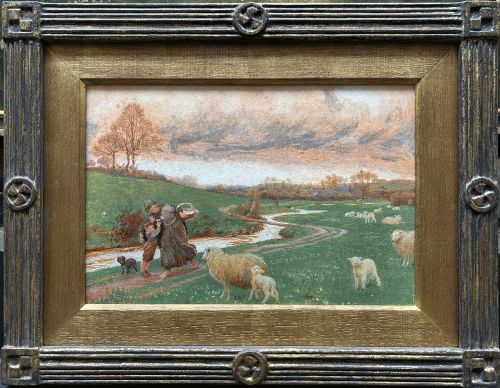
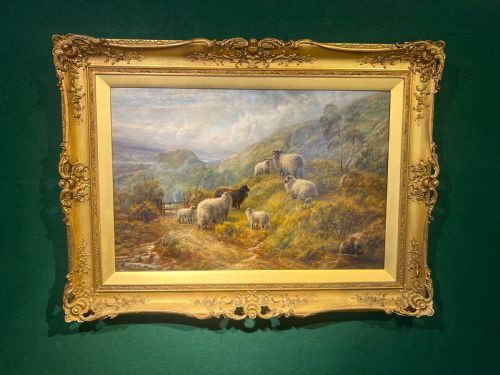
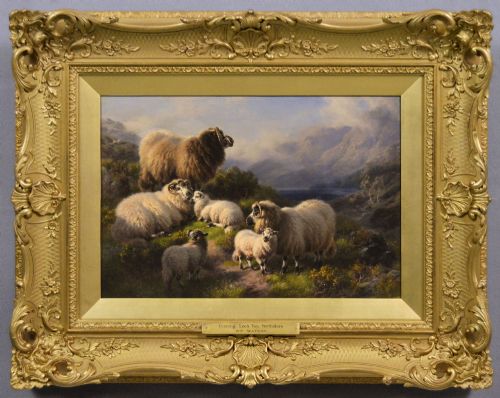
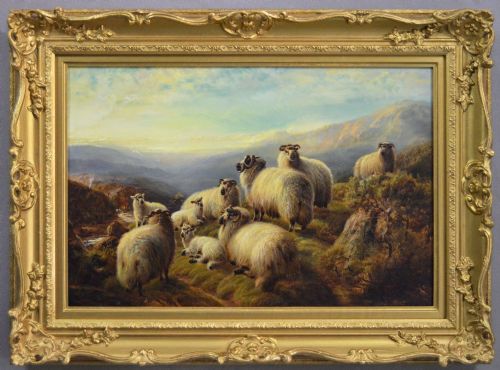
Victorian pastoral sheep artwork comprises nineteenth-century paintings and watercolours depicting rural landscapes with flocks, shepherds, and agricultural scenes. These works capture quiet rural moments, ranging from Highland hills to lowland fields in Kent, Sussex, and Wales.
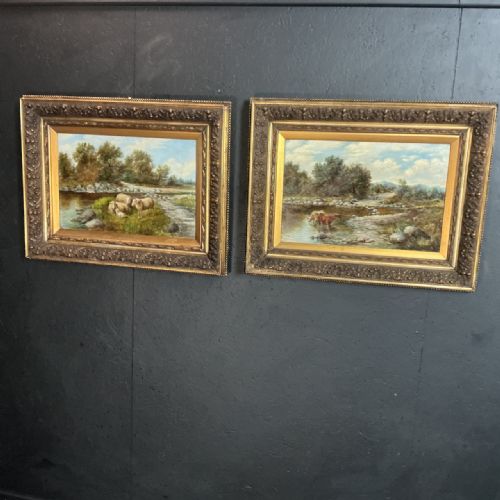
The pieces on this page appear primarily as oil paintings on canvas and watercolours on paper, often housed in period frames made of wood, gesso, and giltwood. Formats include individual oil paintings, framed watercolours, wall art, and paired works depicting domestic farm animals in native landscapes.
Makers and painters represented span the nineteenth century and early twentieth century, incorporating named British and European artists alongside followers of established animal painters. Styles stretch from nineteenth-century realism and naturalism to romantic pastoral scenes.
Materials and construction
Pigments were applied to stretched canvas or watercolour paper, capturing natural light across rural fields, hillsides, and coastal inlets. Canvases are secured within wooden stretchers and frequently mounted in decorative gesso and giltwood frames behind glass.
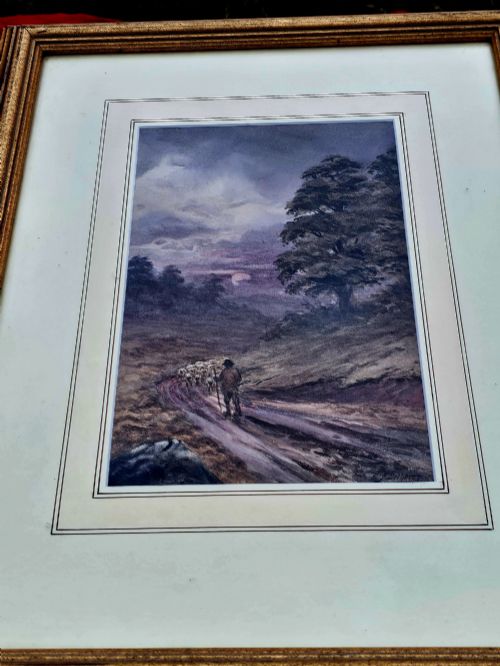
Artists utilised traditional brushwork in oil and washes in watercolour to render the texture of wool, fleece, and weather-worn landscapes. Supports consist of organic materials such as wood and paper, reflecting standard nineteenth-century studio practices.
Victorian Pastoral Sheep Artwork Retail Price Guide 2026
Typical asking prices for victorian pastoral sheep artwork among the pieces listed under this phrase on Sellingantiques today, from the lower quarter to the upper quarter. They describe what is for sale here now, not the wider market.
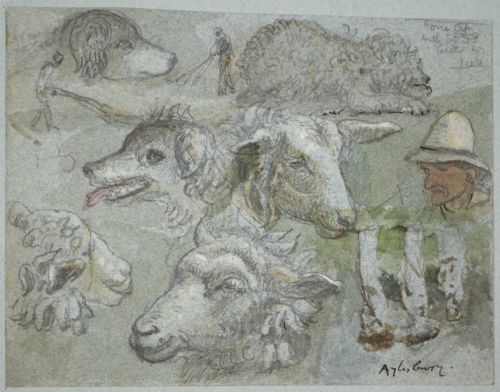
Among the flocks, occasional watchful sheep dogs and wandering goats share the pasture with the sheep.
Evaluating the work
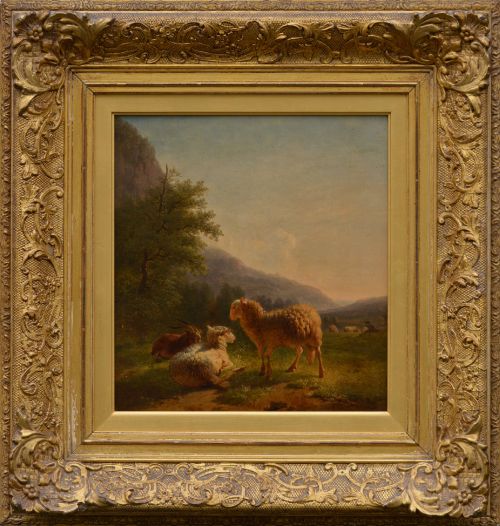
Quality rests upon the handling of light, anatomical precision in depicting animals, and the depth of the surrounding landscape. Stronger examples display careful observation of wool texture, posture, and naturalistic interaction between shepherd, flock, and terrain.
The preservation of the canvas or paper surface, alongside the integrity of the original frame, contributes to the overall standing of an artwork. Pieces demonstrating a sure hand in composition and atmospheric depth distinguish themselves within the range.
Eugène Verboeckhoven·James Smetham·EJ Letheren·Frederick Walker·Robert Watson·William Watson Jnr·Douglas Cameron·Cornelius Pearson·William Henry Mander·Thomas Sidney Cooper·Franz van Severdonck·William Sydney Cooper·Robert John Hammond·Walter J Watson·Bernard Walter Evans·Henry Charles Fox·George Turner·A. Winter Shaw·GW Horlor·Frederick Richard Lee·Henry Birtles·George Faulkner Wetherbee·Charles James Adams·William Greaves·William Luker Snr
The Victorian Pastoral Sheep Artwork Glossary
- Oil on Canvas
- Pigment suspended in drying oil applied to a woven fabric support. This medium allowed artists to build rich textures and deep colour saturation.
- Watercolour
- Pigment ground in a water-soluble binder applied to paper. It produces translucent washes of colour suited to atmospheric landscapes.
- Giltwood
- Wood carved and coated with gold leaf or gold paint. Frames finished in this manner were standard for framing nineteenth-century fine art.
- Pastoral
- A genre of art concerning the rural life of shepherds and farm animals. These scenes emphasise an idealized or picturesque view of country living.
- Gesso
- A paint mixture consisting of a binder mixed with chalk, gypsum, or pigment. It served as a smooth base for gilding on wooden frames.
Victorian Pastoral Sheep Artwork: Frequently Asked Questions
What subjects appear in victorian pastoral sheep artwork?
These works depict flocks of sheep, rams, and lambs grazing in fields, navigating mountain paths, or sheltering from weather. Shepherds, sheep dogs, and rural farmhands frequently accompany the animals in open countryside settings.
Settings range from Welsh valleys and Scottish highlands to southern English lanes and coastal meadows. The focus remains on agricultural daily life and quiet rural vistas.
How should these paintings be displayed at home?
Artwork on canvas or paper requires placement away from direct sunlight and damp environments to protect the pigments and organic supports. Wall mounting should utilise appropriate fixings suited to the weight of framed oil paintings and watercolours.
Pairing pieces together or hanging them in traditional room settings complements their nineteenth-century origins. Adequate wall space allows the giltwood or wooden frames to sit naturally within the interior.
How can I tell watercolours and oil paintings apart?
Oil paintings utilise heavy canvas supports coated with paint layers that sit on the surface with visible brush texture. They are typically displayed without glass protection.
Watercolours feature paper supports where translucent pigments soak into the fibres, requiring glass within the frame to prevent surface damage. The flat, paper texture distinguishes them immediately from oil on canvas.
What periods do these artworks cover?
The listings span the nineteenth century and early twentieth century, encompassing the Victorian era and Edwardian period. Dates range from mid-century works through to the early 1920s.
Stylistic shifts across this timeline move from mid-century realism and romanticism toward naturalistic depictions of British and European landscapes.