



Victorian Pastoral Scene Print
A victorian pastoral scene print brings the quiet rhythm of nineteenth-century rural life directly to your wall.
Victorian Pastoral Scene Print
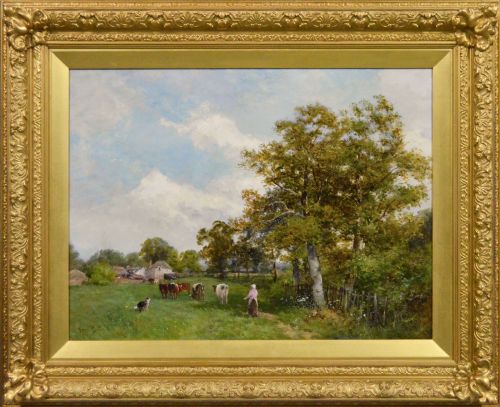
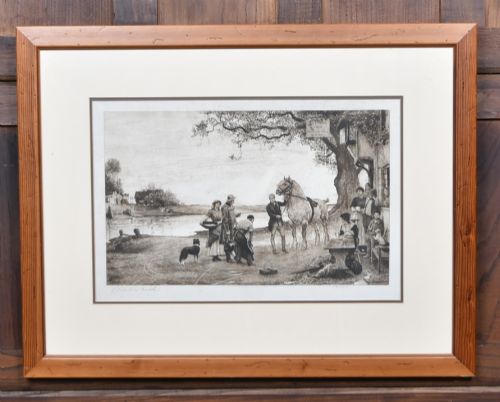
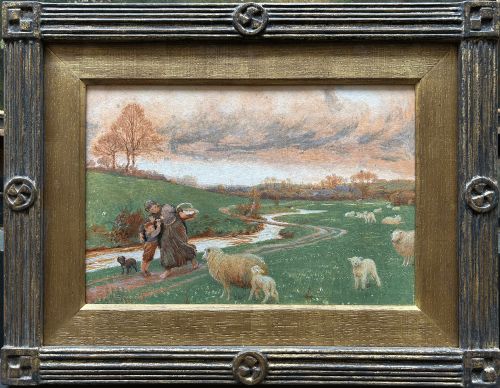
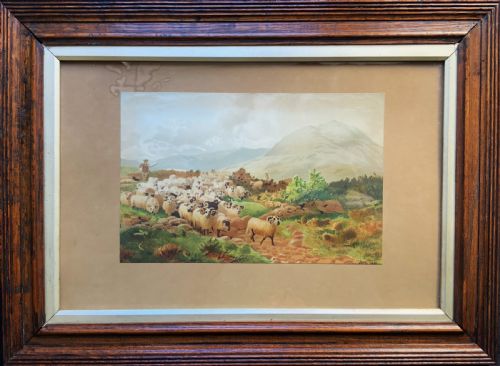
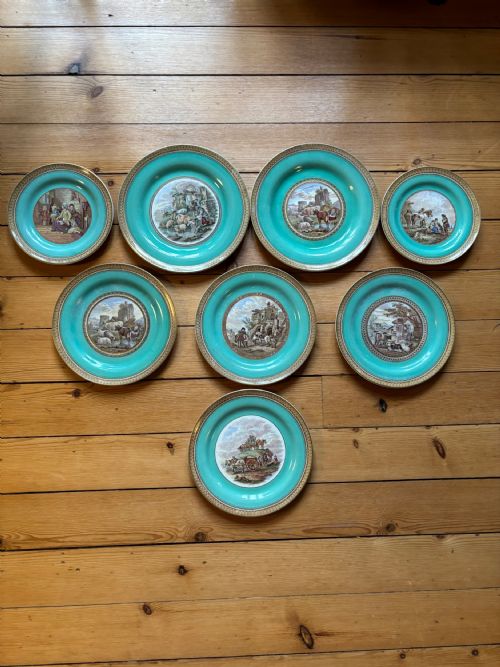
When you search for a victorian pastoral scene print, you are looking at nineteenth-century artworks and decorative items that capture rural life, agriculture, and countryside landscapes. The selection spans oil paintings, watercolours, etchings, and printed ceramic plates bearing pastoral imagery.
Most pieces date from the nineteenth century, including specific works from eighteen-ninety and nineteen-ten. Forms range from framed art on paper and canvas to earthenware plates and platters featuring blue and white printed scenes of farms, shepherds, and cattle.
Makers and artists represented include David Bates, Robert W. Macbeth, Frederick Walker, James William Booth, Joseph Kirkpatrick, and Henry Birtles alongside Staffordshire and Prattware ceramics. You will encounter both original hand-painted works and period prints within the grouping.
Materials and methods
Works on paper and canvas utilise oil paints, watercolours, and etching techniques executed upon paper, canvas, and mounted boards. Frames frequently combine wood with gold leaf or gilded wood finishes, protecting the artwork beneath glass.
Ceramic pieces take the form of earthenware plates and platters decorated with blue and white printed glaze designs. These items combine utilitarian pottery production with detailed transfer printing of rural vistas.
Materials recorded across the inventory include paper, glass, earthenware, wood, gold leaf, glaze, oil on canvas, and gilded wood.
Assessing quality
Quality separates through the precision of the draughtsmanship and the clarity of the print or brushwork. Hand-painted watercolours and oil paintings by named artists display greater depth in handling light and landscape detail compared to standard decorative productions.
In ceramics, the sharpness of the blue and white glaze transfer and the preservation of the earthenware body determine the standard of the piece. Framed works benefit from original framing materials such as gilded wood and gold leaf in sound condition.
David Bates·Robert W Macbeth·Frederick Walker·James William Booth·Joseph Kirkpatrick·Henry Birtles
The Victorian Pastoral Scene Print Glossary
- Etching
- A printmaking technique where lines are bitten into a metal plate with acid before being inked and pressed onto paper.
- Earthenware
- A type of pottery fired at lower temperatures, commonly used for nineteenth-century plates and platters.
- Glaze
- A glassy coating fused to ceramic pottery through firing to colour and protect the earthenware beneath.
- Prattware
- A style of nineteenth-century earthenware known for multi-coloured underglaze printing.
- Watercolour
- A painting method using water-soluble pigments applied to paper.
Victorian Pastoral Scene Print: Frequently Asked Questions
What is a victorian pastoral scene print?
These items encompass nineteenth-century artworks and decorative ceramics depicting countryside landscapes, farming, and rural figures.
The category includes original oil paintings, watercolours, etchings, and printed earthenware plates from the Victorian era.
How were these pastoral scenes displayed?
Framed works on paper and canvas were designed to hang in nineteenth-century domestic interiors as wall art.
Ceramic plates and platters served both functional dining purposes and decorative display on walls or dresser racks.
How do I identify period materials?
Authentic pieces utilise nineteenth-century substrates such as heavy paper, canvas, earthenware, and traditional wooden framing.
Examine the surface for period characteristics like blue and white transfer printing, gold leaf, and traditional glaze finishes.
Who created these artworks?
The selection includes works by listed Victorian artists and printmakers alongside Staffordshire and Prattware potteries.
Pieces often bear the signature of the painter or reflect the distinct output of nineteenth-century ceramic workshops.