

Victorian Painted Urn Vase
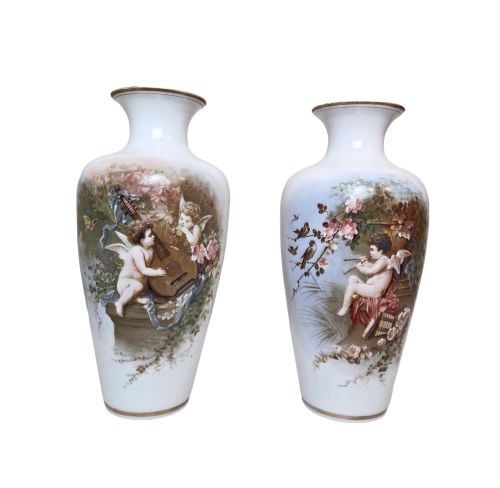
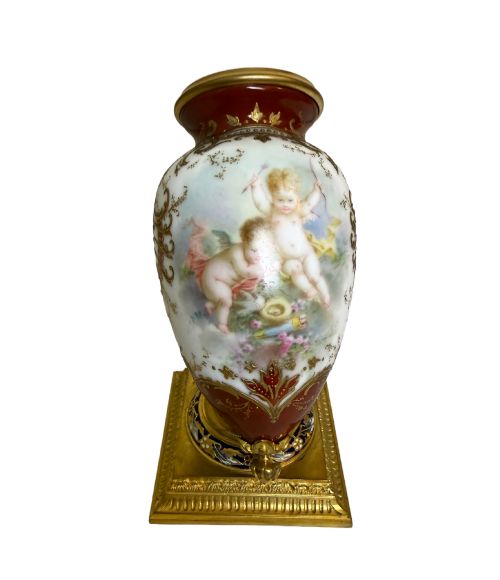
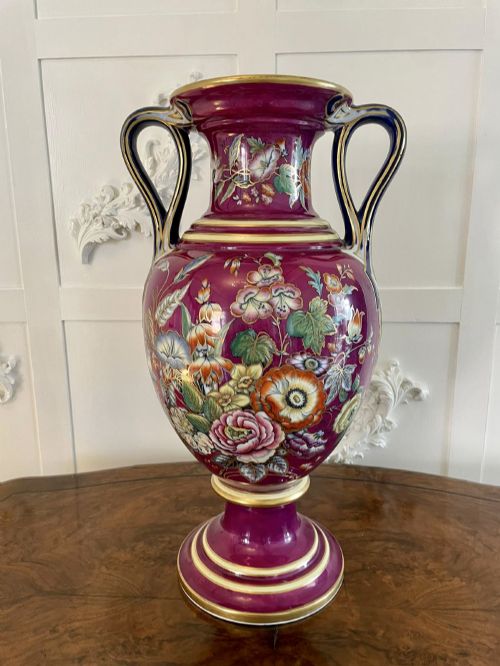
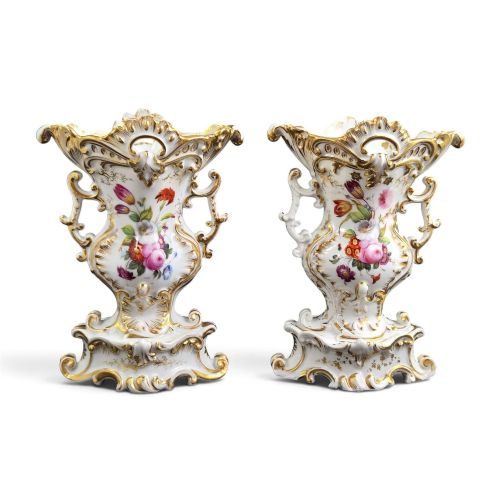
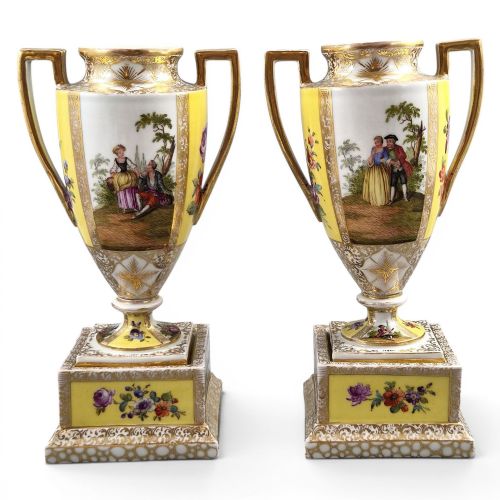
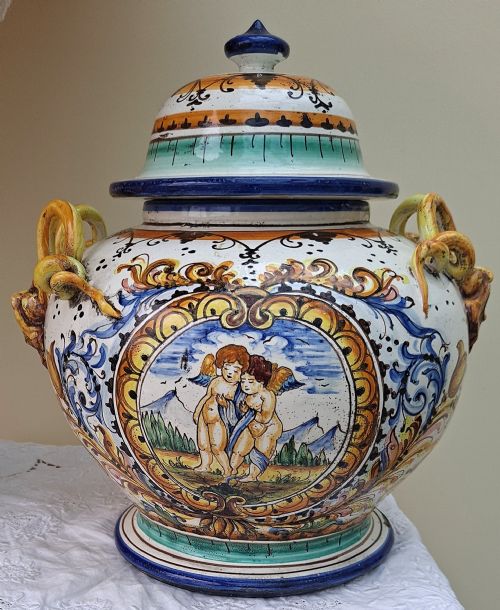
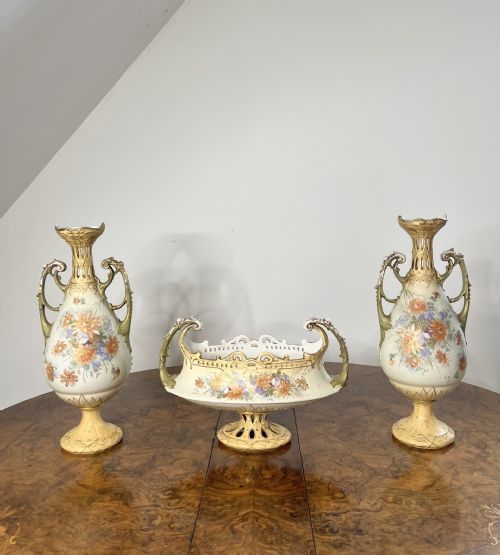
These pieces combine classical forms with intricate hand-painted surfaces, offering a striking focal point for any room when you seek a victorian painted urn vase.
Victorian Painted Urn Vase
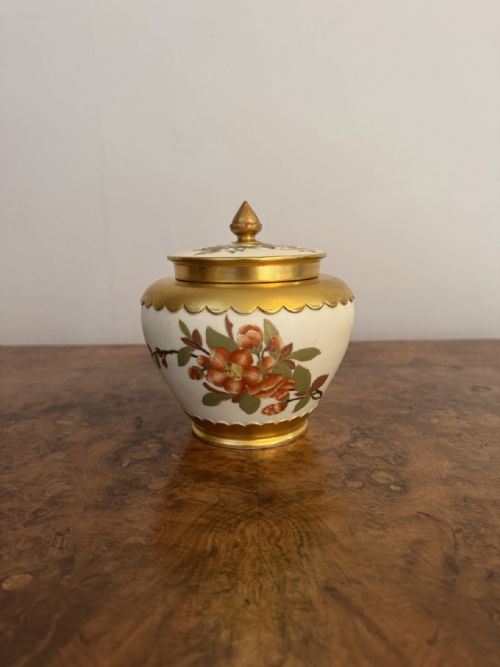
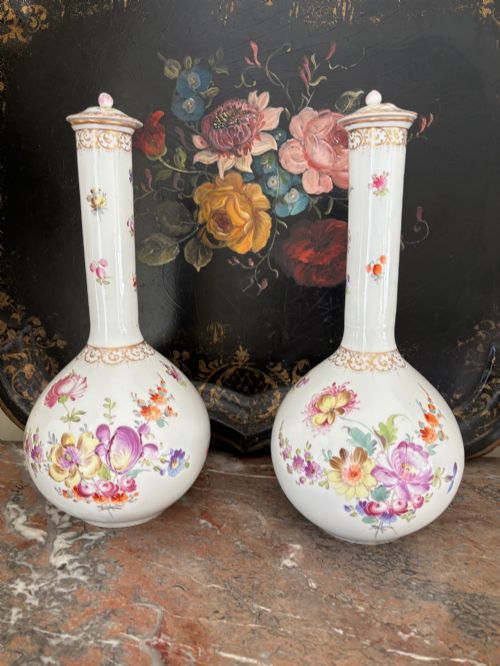
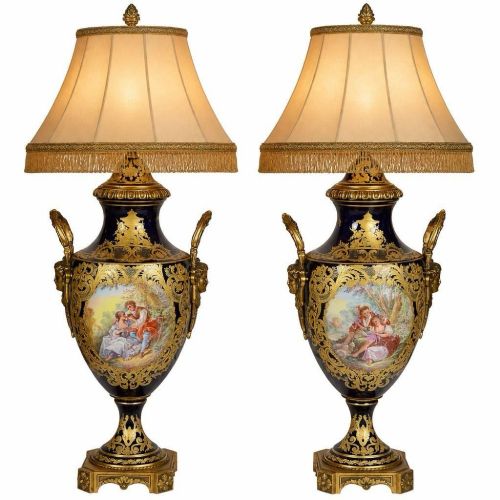
A victorian painted urn vase encompasses a variety of ceramic, porcelain, and glass vessels shaped in classical or revivalist silhouettes. These objects range from lidded potpourri pots and twin-handled decorative vessels to substantial garden urns and table lamps.
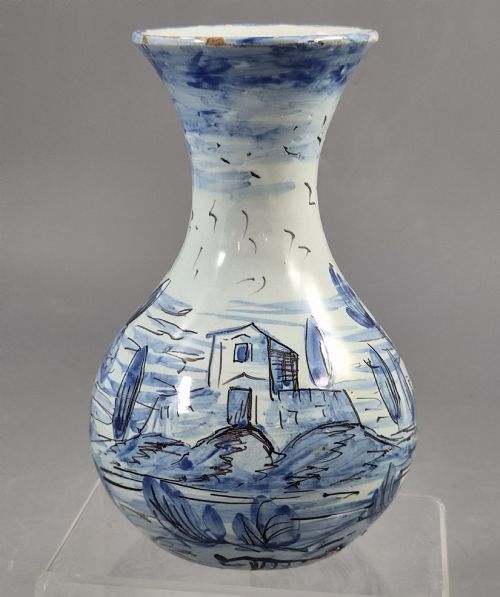
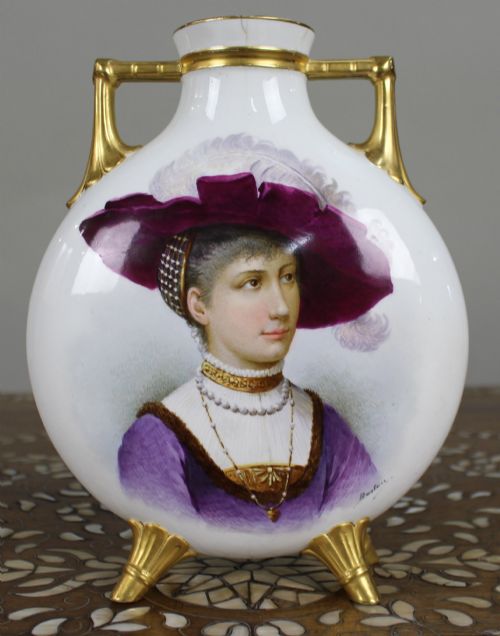
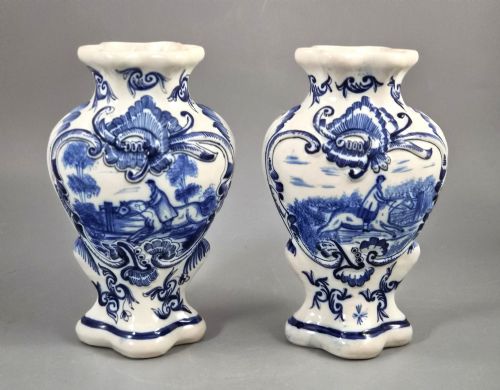
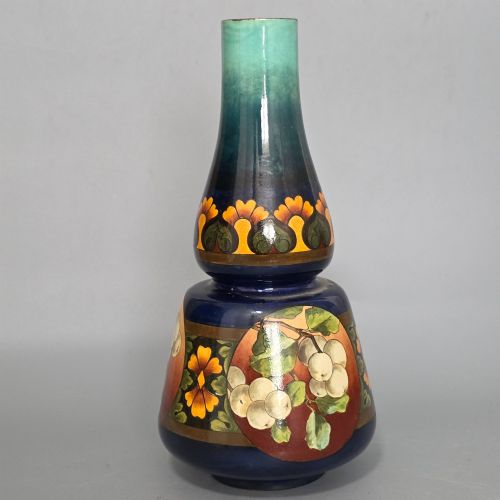
The selections on this page lean heavily towards nineteenth-century porcelain and earthenware, alongside occasional glass and cast iron examples. Pieces frequently display painted floral motifs, landscapes, or figural scenes rooted in Victorian, Rococo, and Renaissance revival styles.
Buyers encounter everything from petite cabinet vases to large pairs intended for prominent display on mantelpieces or pedestals. The overarching character remains decorative, balancing ornamental hand-painted details with sculptural potting.
Materials and construction
Makers utilised fine porcelain, earthenware, and faience as the primary canvases for intricate hand-painted decoration. Artisans applied mineral pigments directly onto the ceramic body or over glazes before secondary firing to fix the colours.
Gilding and gold leaf often accent the painted panels, outlining handles, rims, and footed bases to catch the light. Cast iron and glass alternatives also appear, demonstrating moulding and enamel painting techniques specific to their mediums.
Some nineteenth-century artisans hid tiny painted beetles inside floral bouquets just to see if anyone was paying close attention.
Assessing craftsmanship
The distinction between standard production and top-tier examples lies in the precision and depth of the hand-painted artistry. Superior pieces feature finely detailed brushwork, delicate shading, and balanced compositions rather than stencilled or transfer-printed outlines.
The integration of the decorative elements with the underlying form dictates overall success. High-grade items display careful gilding, well-modelled handles or covers, and crisp potting that remains true to historical revival styles without feeling clumsy.
Royal Worcester·Doulton Lambeth·Sevres·Royal Vienna·Sitzendorf
The Victorian Painted Urn Vase Glossary
- Maiolica
- Tin-glazed earthenware produced in Italy and other European centres, known for colourful painted surfaces. It gained popularity during various nineteenth-century revival periods.
- Faience
- A term generally applied to tin-glazed earthenware and pottery. French and English potteries produced extensive lines using this technique.
- Gilding
- The application of gold leaf or powdered gold to the surface of ceramics or bronze mounts. This technique highlights rims, handles, and painted borders.
- Potpourri
- A mixture of dried petals and spices kept in a lidded jar to perfume a room. Vessels made for this purpose feature pierced or perforated covers.
- Imari
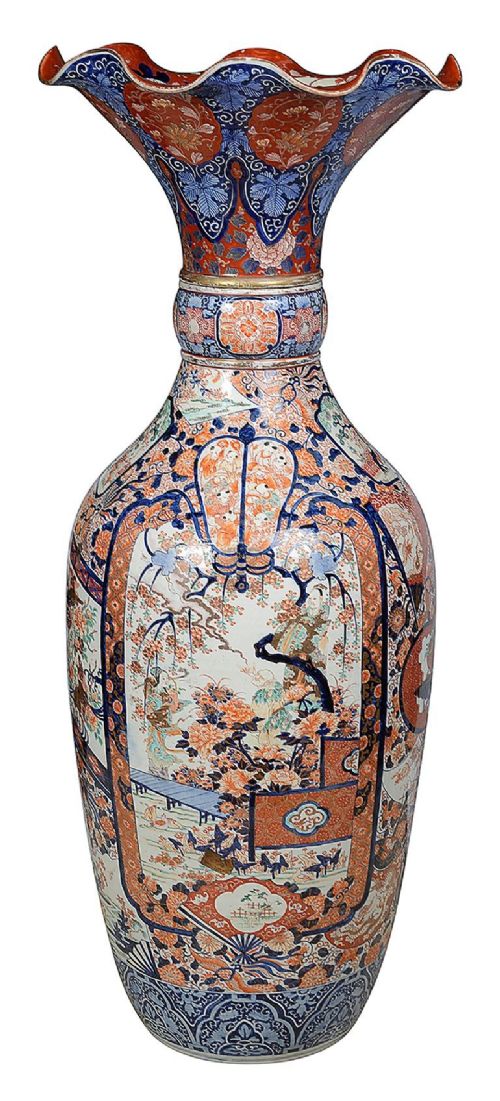
- A style of Japanese porcelain featuring a distinct palette of underglaze blue, iron red, and gold. European makers frequently copied these aesthetic patterns.
Victorian Painted Urn Vase: Frequently Asked Questions
How were these urns originally displayed?
These decorative vessels stood predominantly upon drawing room mantelpieces, side tables, or dedicated pedestals within nineteenth-century interiors. Their primary function was purely aesthetic rather than utilitarian, serving as a display of household refinement.
Pairs were often arranged symmetrically alongside clocks or candelabra to create a balanced focal point on furniture. Larger examples sat directly on the floor or on structural stands in hallways and reception rooms.
Are these pieces suitable for holding water?
Most of these decorative vessels are intended for dry display rather than practical use as flower vases. The interior glazes and construction methods vary significantly across different nineteenth-century potteries.
Using them with water risks damaging porous earthenware bodies or delicate interior surfaces over time. It is safest to keep them empty or utilise dry floral arrangements if display styling requires plant matter.
How do I distinguish regional ceramic styles?
Identifying regional origins relies heavily on observing the specific clay body, glaze texture, and painting palette. English potteries often utilised bone china or refined earthenware with naturalistic floral motifs.
Continental factories frequently favoured bolder neoclassical colour schemes, heavier gilding, or tin-glazed faience techniques. Examining the base for impressed marks or painter signatures provides definitive clues regarding geographic origin.
How should I care for painted ceramic surfaces?
Maintenance requires gentle, dry dusting with a soft brush to protect delicate overglaze enamel work and gold leaf. Moisture and harsh cleaning agents can strip away historical pigments or degrade fragile gilding.
Placement should avoid direct sunlight to prevent the hand-painted colours from fading over the years. Stable indoor temperatures prevent thermal shock in older ceramic and glass bodies.