


Victorian Painted Pine Commode
These robust pieces of functional furniture bring character and practical storage to a room through original painted surfaces.
Victorian Painted Pine Commode
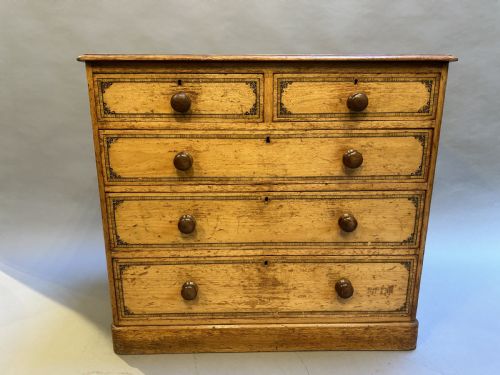
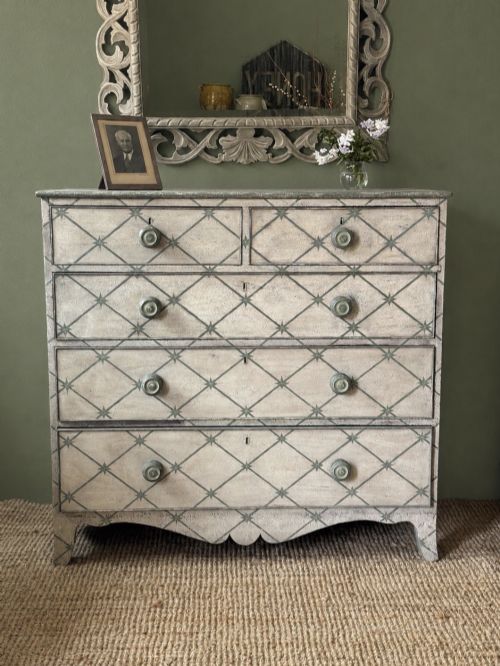
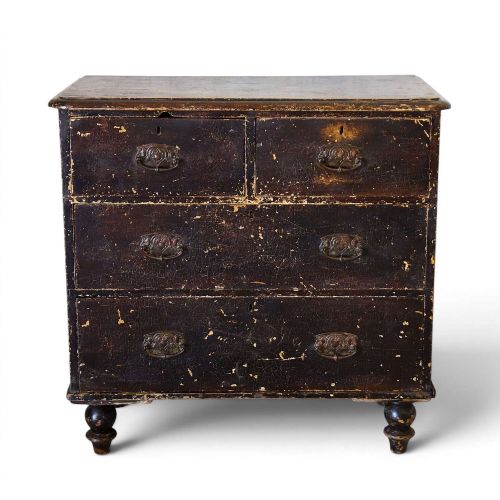
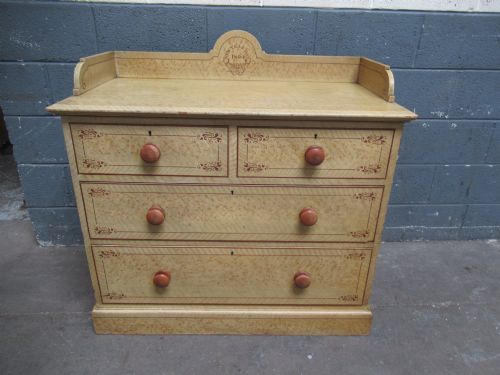
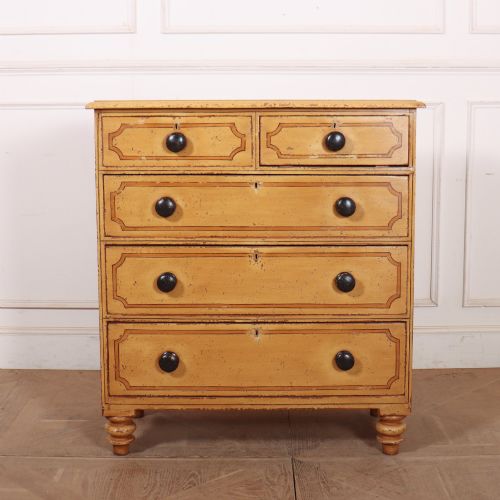
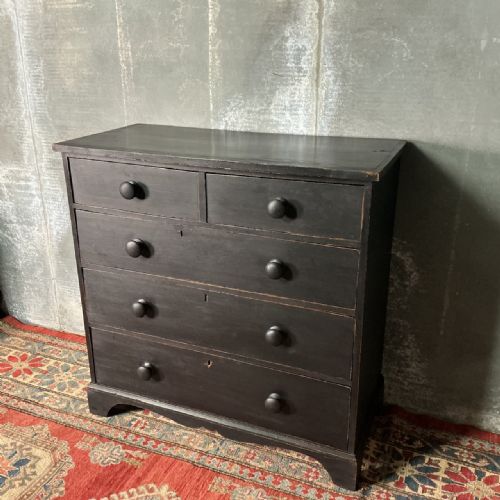
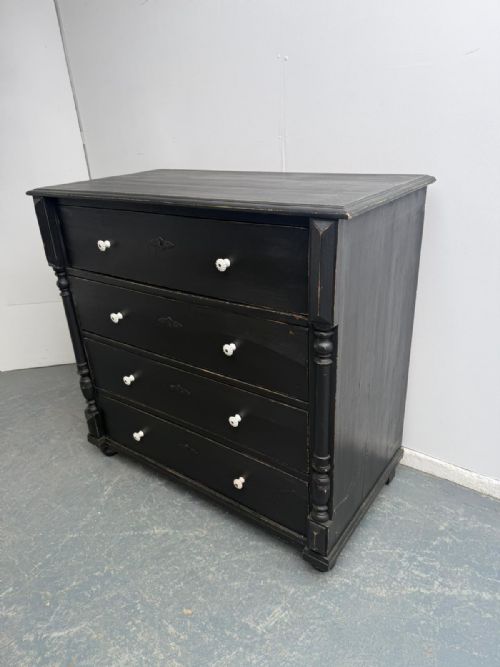
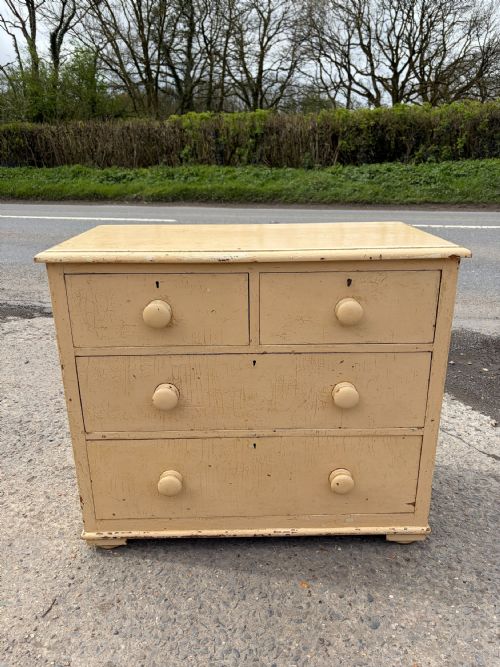
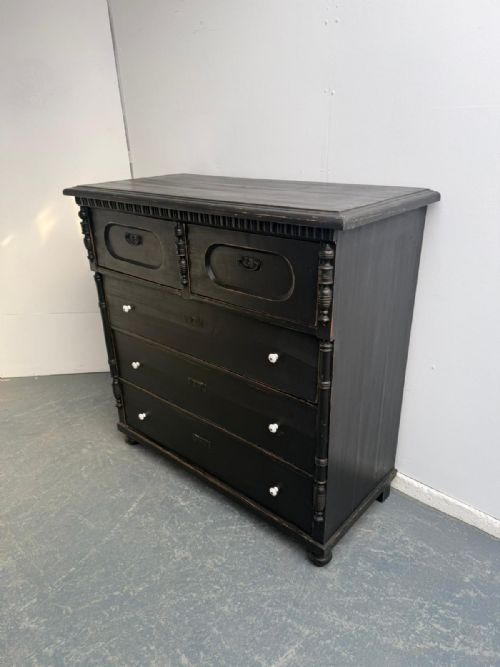
The versions most commonly found here feature varying drawer arrangements, such as traditional two-over-three layouts or taller five-drawer configurations. These items originate from British workshops as well as continental sources like Hungary, reflecting diverse regional tastes in domestic storage.
Stylistic influences range from austere English country interpretations to decorative folk art and subtle Art Nouveau touches. Such variety ensures that each survivor carries distinct proportions and individual visual traits rather than standardised factory perfection.
Materials and construction methods
Carpenters built these carcases from solid pine, selecting a timber that was readily available, easy to work, and durable enough for daily household demands. Drawers often incorporated careful joinery to withstand heavy usage, while backs and drawer linings remained strictly utilitarian.
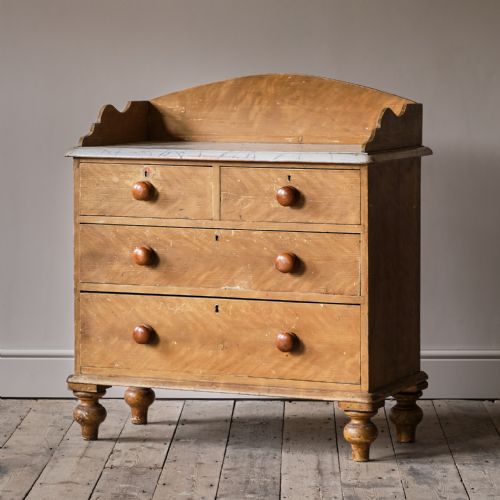
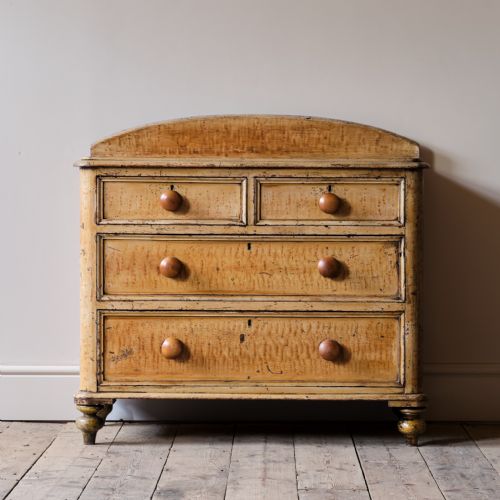
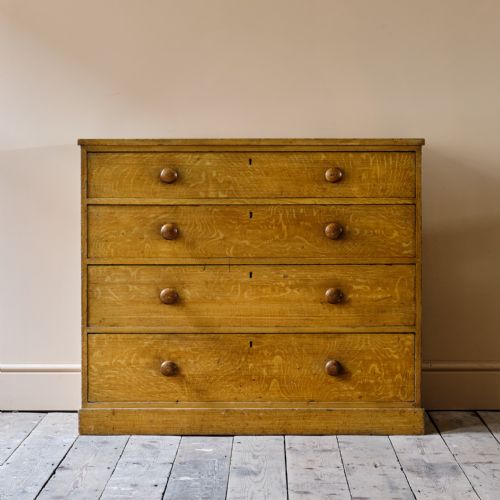
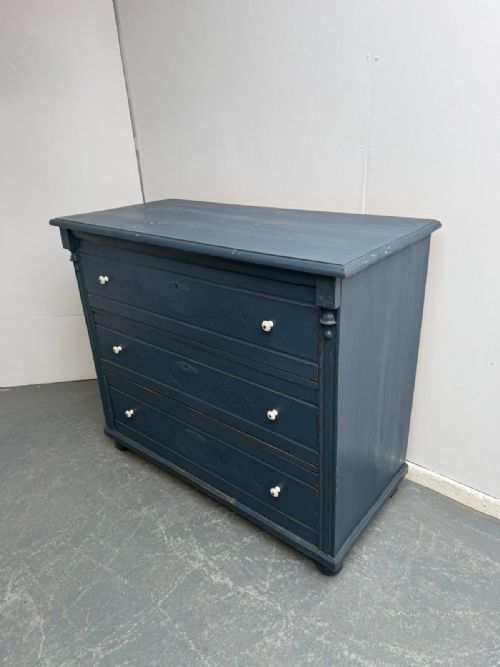
Surface treatment defines the character of each piece, utilising traditional paints, scumble glazes, or stencilling applied directly over the wood. Painters used scumble techniques to simulate richer timbers or laid down solid coats of black, grey, blue, and green pigment that aged gracefully over time.
Judging quality and character
The distinction between ordinary examples and superior pieces rests largely on the survival and integrity of the original paint surface. Retaining authentic layers of scumble or pigment without heavy modern intervention preserves the historical honesty that collectors value above all else.
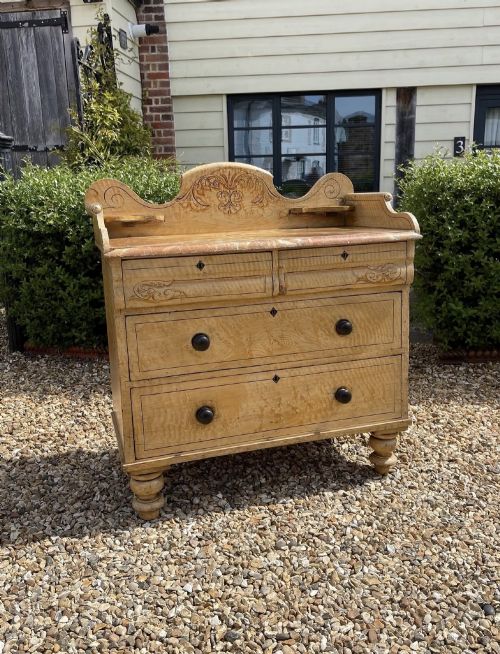
Proportion and structural balance also dictate the standing of a commode, separating straightforward utility chests from more ambitious decorative items with carved details or well-balanced drawer tiers. Good proportion ensures the piece sits comfortably in a modern interior while maintaining its historical presence.
The Victorian Painted Pine Commode Glossary
- Scumble paint
- A translucent glaze manipulated with combs, brushes, or rags over a lighter base coat to imitate the grain of expensive hardwoods like oak or mahogany.
- Commode
- A term historically applied to low chests of drawers designed for bedroom storage rather than the French plumbing furniture of later decades.
- Softwood
- Timber derived from conifers, predominantly pine in these instances, which served as the standard material for everyday Victorian domestic furniture.
- Washstand
- A specialised variation of the chest designed to hold basin equipment, often sharing similar painted pine construction and compact proportions.
Victorian Painted Pine Commode: Frequently Asked Questions
Are these drawers suitable for daily use?
Solid pine construction makes these chests remarkably durable for contemporary clothing storage. The internal wooden runners generally operate smoothly when properly aligned.
Care should be taken not to overload deep drawers to preserve the antique joints. Regular usage actually helps keep the timber conditioned.
What is scumble paint?
Scumble paint is a decorative glaze technique popular in the nineteenth century to give humble pine the appearance of costlier figured woods. Artisans dragged combs or cloths through wet darker glazes over a pale ground.
This created swirling, faux-grain patterns that have aged into a distinct aesthetic of their own. Collectors prize authentic scumble for its artistic depth.
How do I date a painted chest?
Dating relies on examining construction clues such as hand-cut dovetails, backboard thickness, and fastener types alongside stylistic markers. Nineteenth-century pieces often display subtle irregularities unique to hand tool production.
Original painted surfaces, inscriptions, and hardware styles help narrow the decade of manufacture. Comparing proportions with documented regional pieces provides further clarity.