
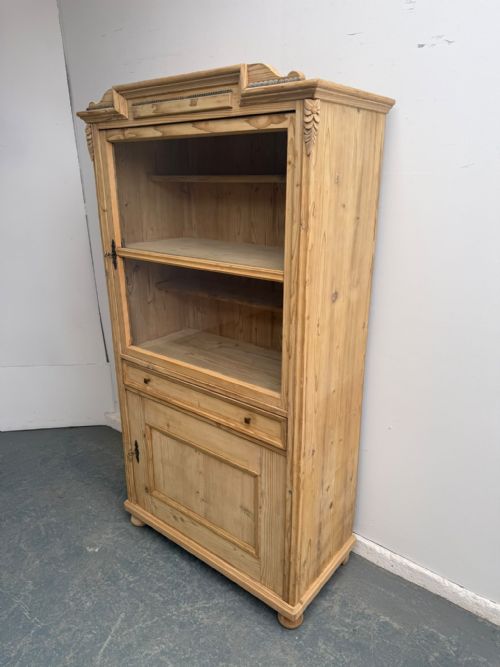
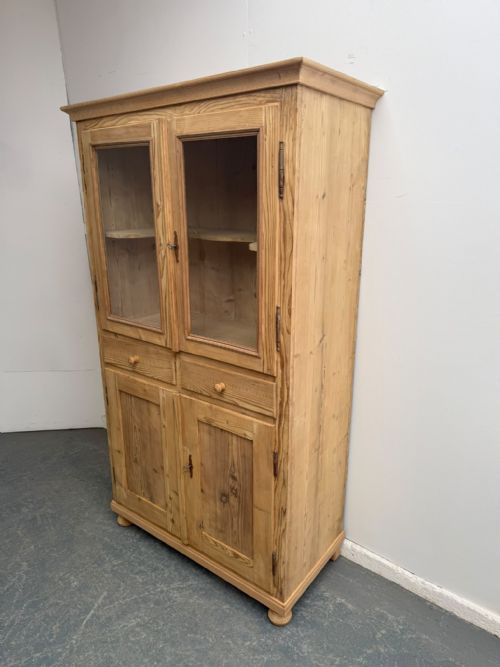
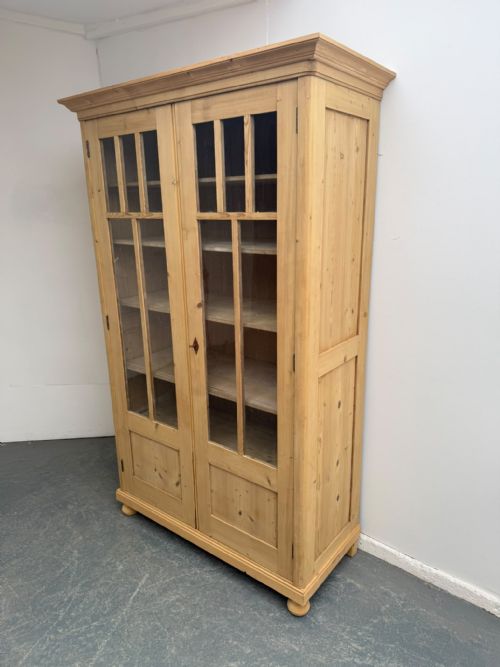
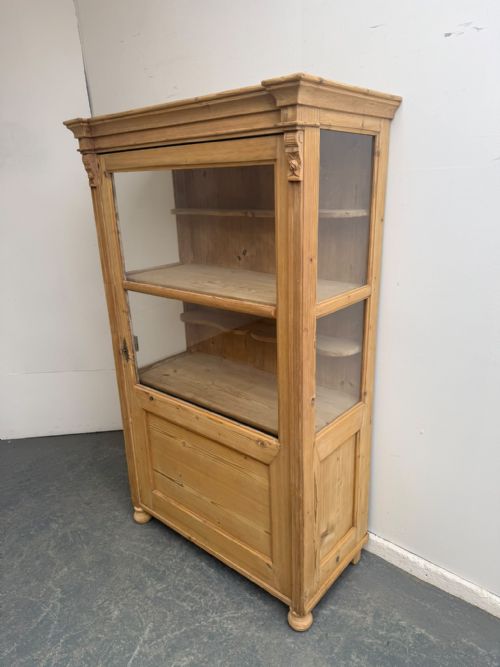
Victorian Painted Dresser Cabinet
A victorian painted dresser cabinet brings domestic utility and surface character into a room through honest pine construction and time-softened colour.
Victorian Painted Dresser Cabinet
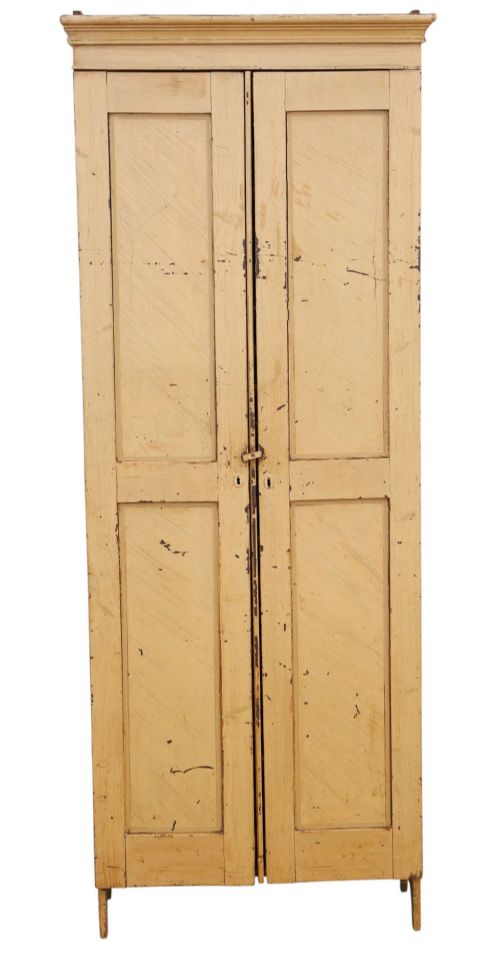
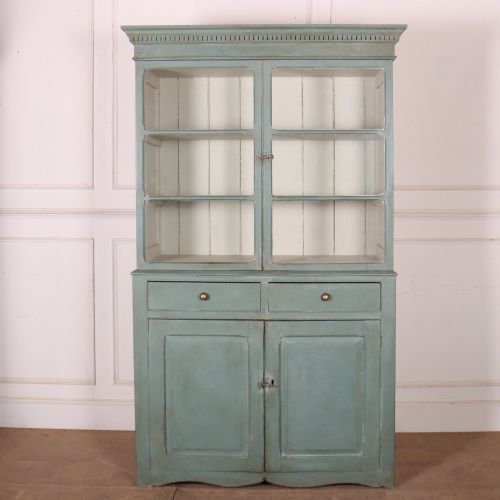
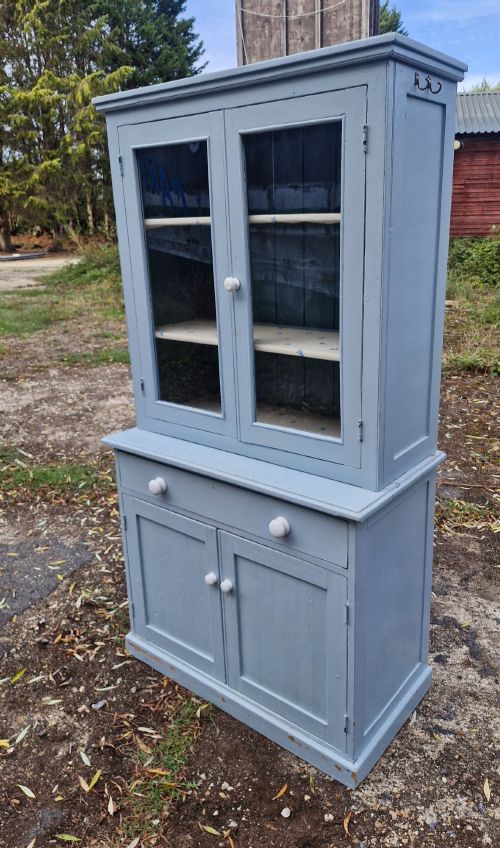
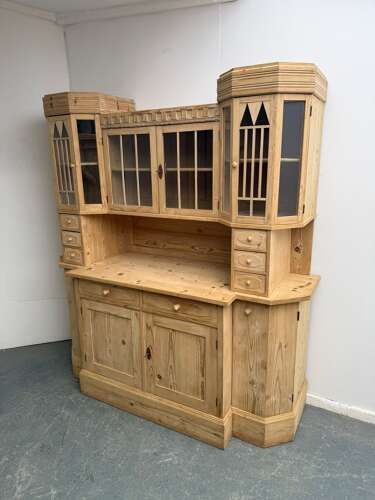
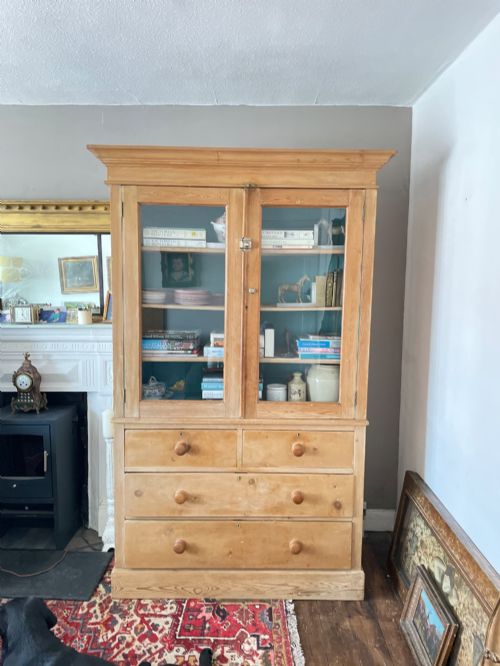
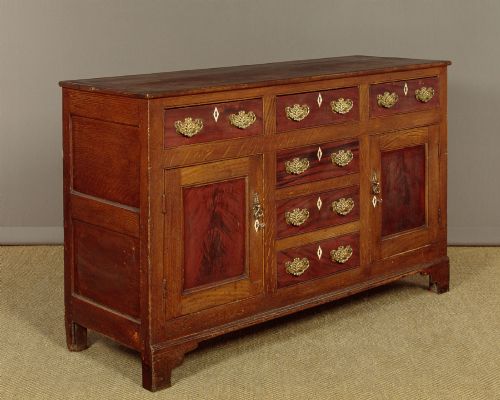
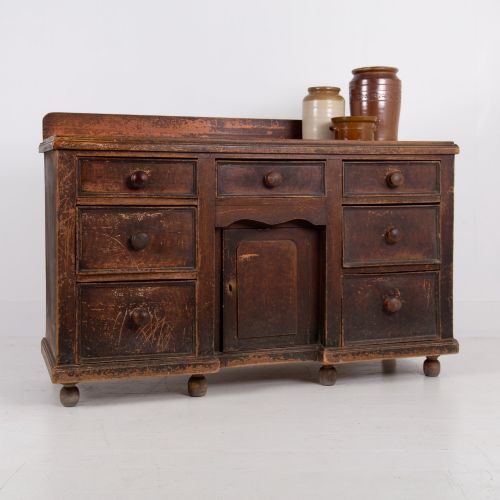
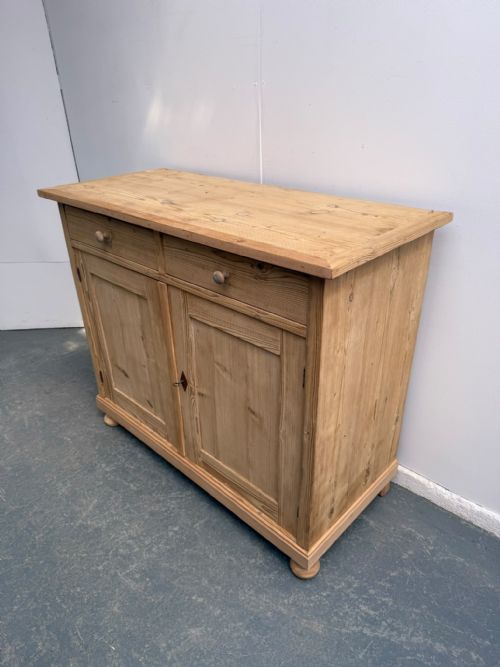
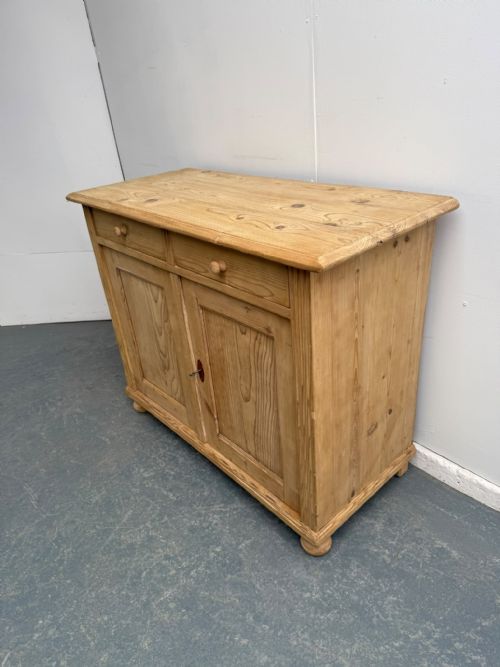
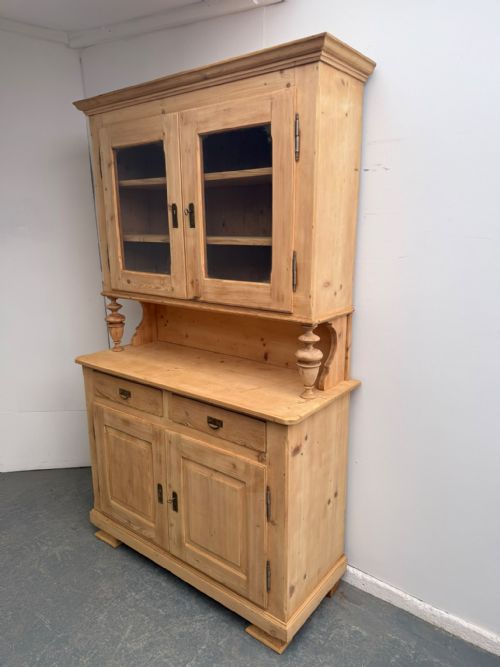
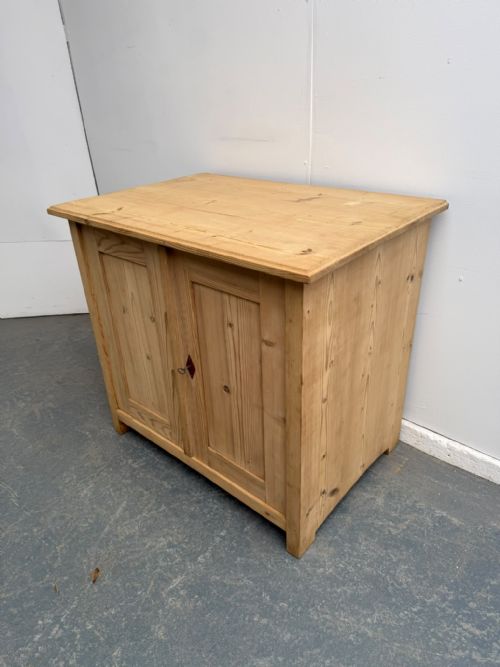
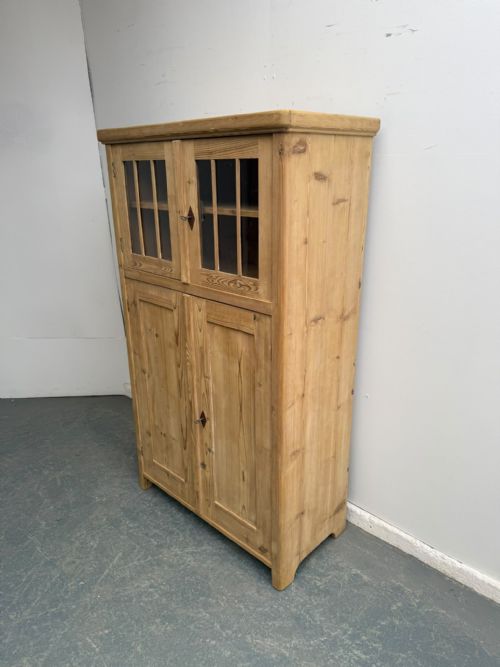
A victorian painted dresser cabinet combines utilitarian kitchen storage with decorative presence, taking the form of glazed display units, base cupboards, and tall housekeeper's cupboards. These pieces originate primarily from English, Scottish, Irish, and West Country traditions, reflecting regional domestic habits of the nineteenth century.
The most common formats on this page are two-part kitchen dressers and storage bases constructed from pine. Many retain original paint finishes, while others show later painted surfaces or bare wood ready for treatment.
How they were made
Makers relied on solid pine for the primary carcass, incorporating glass for upper display doors and brass or iron for hinges, handles, and escutcheons. Construction methods prioritised sturdy utility, joining boards with simple framing and panel techniques suited to daily farmhouse or kitchen use.
Surfaces were finished with paint, often applied in multiple layers that now weather into distinctive patinas, or left as bare timber subject to waxing.
Some nineteenth-century chests conceal secret drawers for hiding family currency.
What varies in quality
The distinction between ordinary and exceptional pieces lies in the survival of original paint surfaces and the integrity of proportions. Cabinets retaining untouched historic colour command greater interest than those stripped down or repeatedly repainted.
Proportion and scale also separate standard utility items from finer examples, particularly in taller glazed bookcases and housekeeper's cupboards where balanced drawer and door arrangements matter.
The Victorian Painted Dresser Cabinet Glossary
- Dresser base
- The lower section of a kitchen dresser, usually fitted with a combination of drawers and cupboards beneath a solid top. This form served as a primary food preparation and storage surface in nineteenth-century homes.
- Housekeeper's cupboard
- A large, tall storage cabinet designed for linens, dry goods, and domestic provisions. These pieces often feature multiple doors enclosing deep shelving.
- Glazed cabinet
- A storage unit with glass-paned upper doors intended for displaying china and glassware. The framing bars dividing the glass are known as glazing bars or muntins.
- Bread slide
- A pull-out wooden board integrated into a dresser base or cupboard. Historically used for cooling freshly baked loaves.
- Original paint
- Pigment applied during the period of manufacture that has survived without later overpainting. This surface layer exhibits natural crazing and wear over time.
Victorian Painted Dresser Cabinet: Frequently Asked Questions
How do I clean a painted cabinet?
Dust gently with a dry, soft cloth to prevent surface abrasion. Avoid chemical solvents that might lift original nineteenth-century pigment.
Nourish bare pine elements with appropriate wax where specified by the finish. Keep the cabinet away from direct heat sources to prevent wood splitting.
Were these always painted?
Many utility pieces received protective coats of lead-based or oil paint from the outset. Kitchen furniture often saw repeated repainting by successive generations.
Some examples were left as bare pine or stripped later in their working lives. Original finishes show distinct signs of age beneath subsequent wear.
What rooms suit a housekeeper's cupboard?
These tall cupboards provide substantial storage for contemporary kitchens, hallways, and living spaces. Their generous proportions anchor a room and conceal household clutter effectively.
Ensure adequate ceiling height before placing tall units, as nineteenth-century dimensions often exceed standard modern clearances.
How do regional styles differ?
West Country and Scottish pieces often display distinct construction traits and timber selections unique to local joinery traditions. Regional vernacular design influences moulding profiles and foot styles.
Comparing door panels and drawer configurations helps identify these geographic variations. Each area utilised local pine stocks and prevailing workshop methods.