
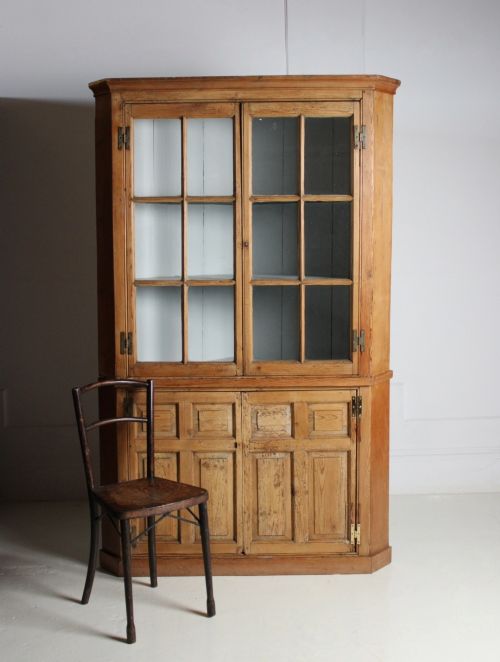
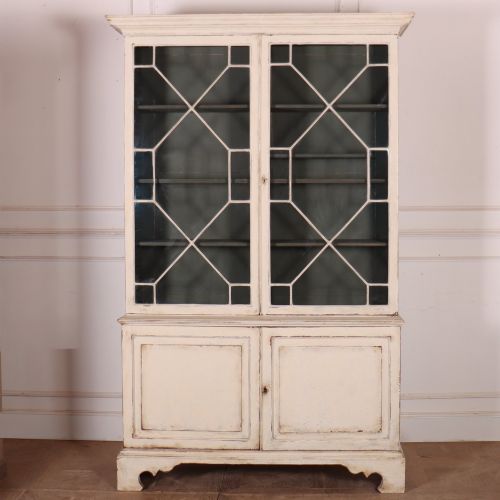
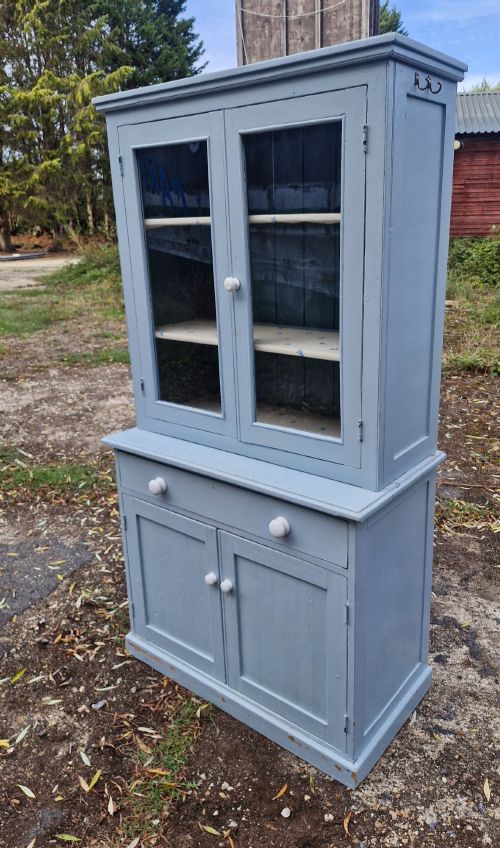
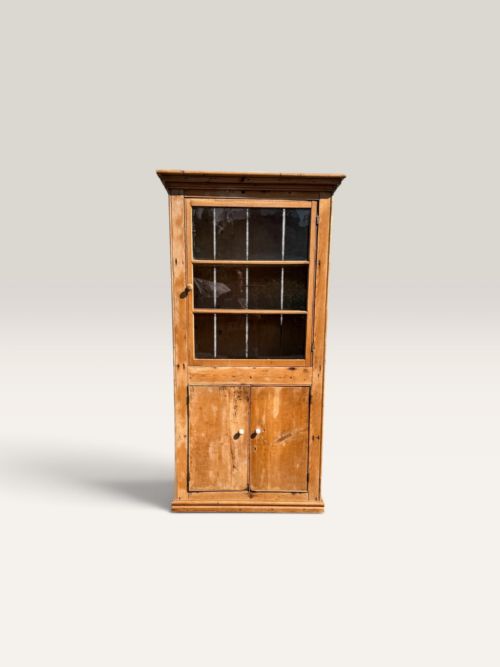
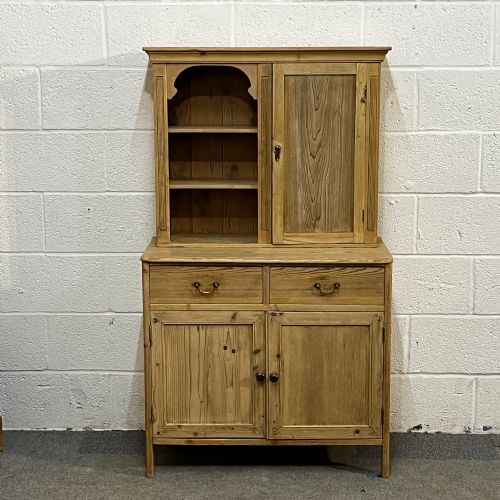
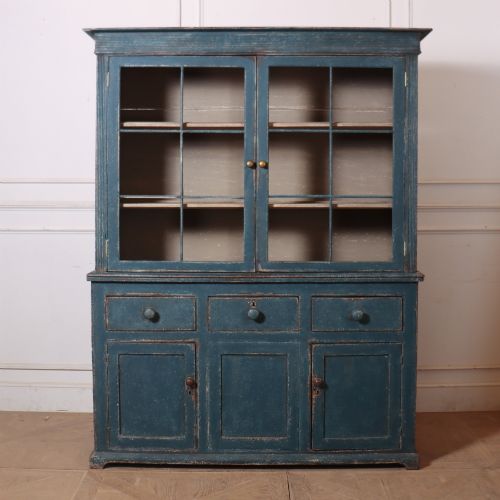
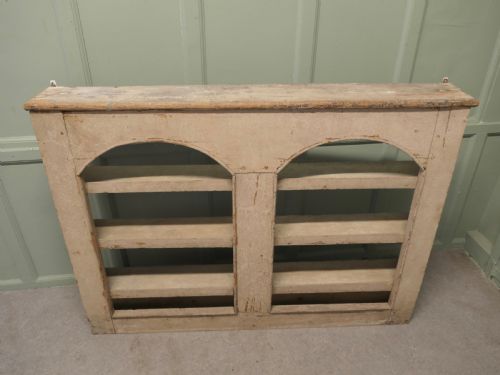
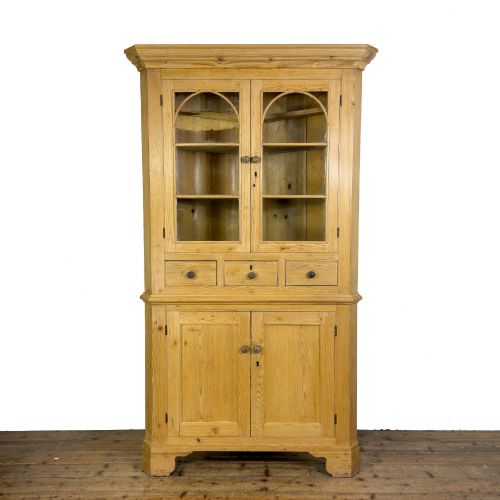
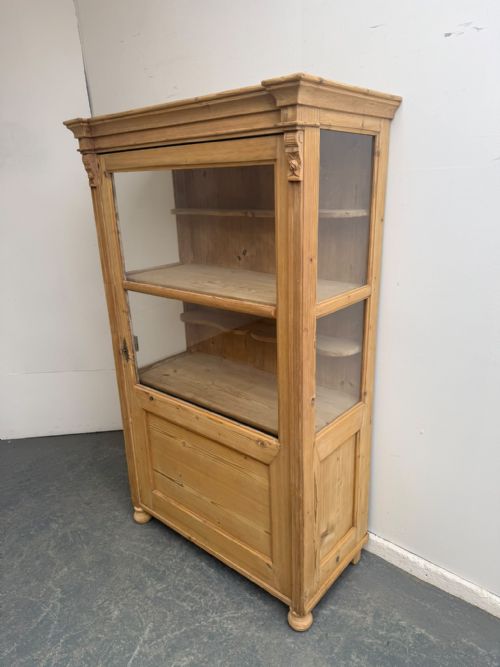


Rustic Country Bookcase Cupboard
These rustic country bookcase cupboard pieces bring honest utility and character to an interior.
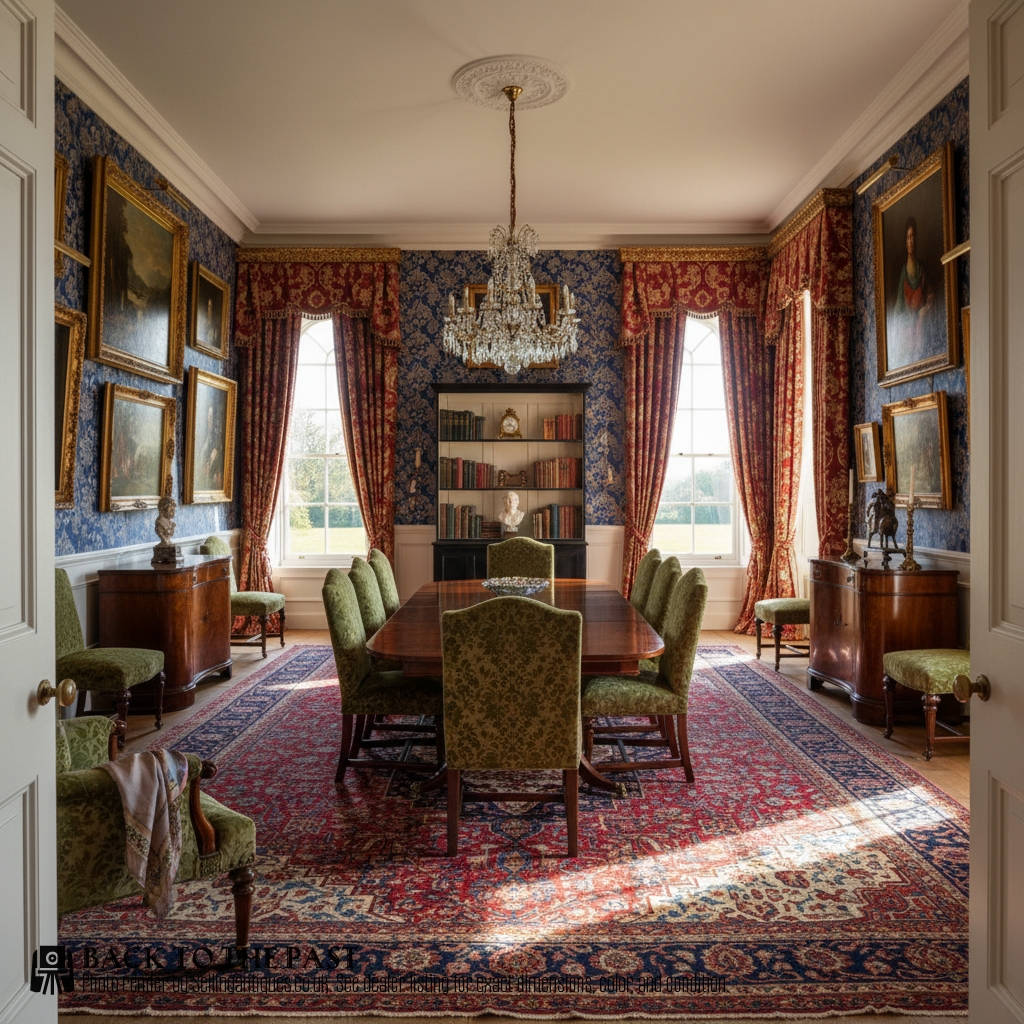
Rustic Country Bookcase Cupboard
A rustic country bookcase cupboard combines open shelving for display with enclosed lower storage, built for functional utility in domestic interiors. These versatile storage items serve kitchens, living spaces and libraries with practical shelving and cabinet space.
The selections available here span several centuries and regional traditions, featuring English, French and Italian examples. Buyers frequently encounter pine dressers, glazed display cabinets and two-part cupboards originating from the eighteenth and nineteenth centuries.
Makers constructed these sturdy pieces to meet the everyday demands of rural households, resulting in straightforward proportions and honest construction. Their enduring appeal lies in this practical utility combined with the warm patina of aged timber.
Materials and construction methods
Timbers such as pine, pitch pine, oak and walnut form the primary structure of these items, selected for local availability and durability. Carpenters joined boards using traditional techniques suitable for utilitarian furniture, occasionally applying painted finishes or retaining natural wood surfaces.
Glazing bars hold glass panes within upper cabinet doors, while brass or iron hardware secures lower cupboards and drawers. Surfaces often display layers of historic paint or wax finishes accumulated through generations of domestic use.
Recorded forms include kitchen dressers, glazed display cabinets, alcove shelving and housekeeper larder cupboards.
Factors determining quality
Proportions and timber selection distinguish standard utilitarian storage from finer examples produced by regional workshops. Original surfaces, whether historic paint or aged wood grain, hold greater interest than modern stripped finishes.
The integrity of original glazed doors, backboards and hardware indicates how well a piece has survived centuries of domestic service. Proportionate scaling and balanced arrangement of upper shelves to lower cupboards also separate standard items from superior forms.
The Rustic Country Bookcase Cupboard Glossary
- Pine
- A softwood commonly utilised in country furniture for its workability and availability. Carpenters frequently painted or waxed these surfaces for protection.
- Glazed
- Fitted with glass panes, typically in upper cabinet doors to display books or crockery while keeping dust away. This technique appears across eighteenth and nineteenth century examples.
- Dressers
- Combination furniture pieces featuring open or enclosed shelving above a base of drawers and cupboards. They originated as practical storage for kitchenware.
- Alcove
- A recessed section of a room designed to house fitted shelving or specialised cupboards. These units maximise awkward spaces efficiently.
Rustic Country Bookcase Cupboard: Frequently Asked Questions
How are these cupboards cleaned?
Maintain painted or waxed timber surfaces by dusting gently with a soft dry cloth. Avoid modern chemical sprays that can strip historic finishes.
Nourish dry wood occasionally with a traditional beeswax, applied sparingly and buffed to a soft sheen to preserve the patina.
Where should I place a dresser?
Position these versatile storage items in kitchens, dining rooms or hallways where their combination of display and enclosed storage functions best. Ensure adequate wall clearance for taller two-part units.
Keep timber furniture away from direct heat sources and strong sunlight to prevent wood splitting or excessive fading of painted surfaces.
Are the shelves adjustable?
Many older pieces feature fixed shelving built into the original frame to maintain structural stability. Altering these historic interiors is generally discouraged.
Verify internal dimensions before purchase if you plan to store items of a specific height, such as oversized books or large ceramic platters.
How do I identify pine varieties?
Examine the grain pattern, weight and colour of the timber to distinguish standard pine from denser pitch pine. Pitch pine often displays a heavier, more resinous grain structure.
Surface wear and tool marks visible beneath layers of old paint or wax provide clues regarding the age and origin of the wood.