

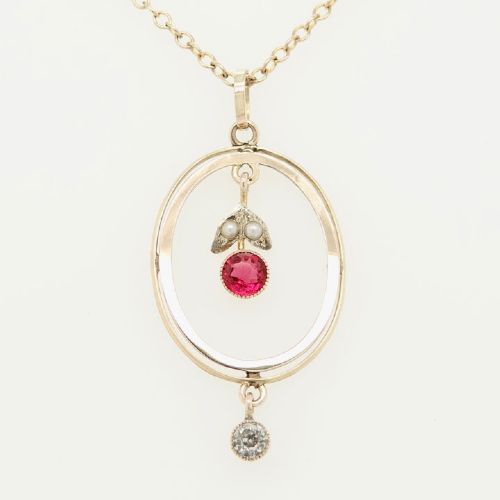
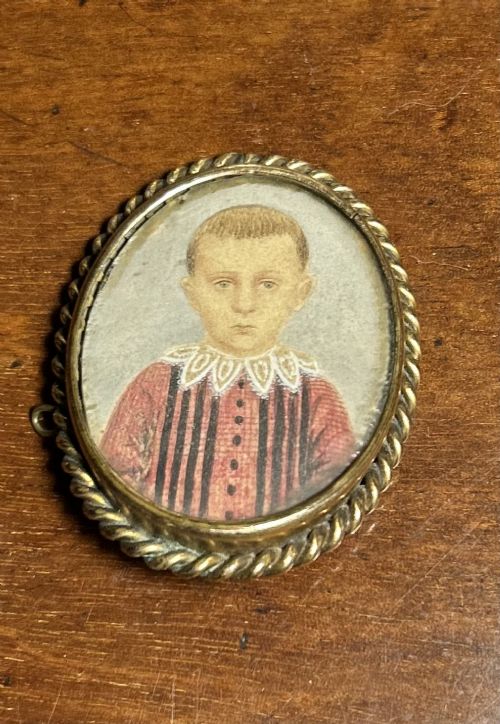


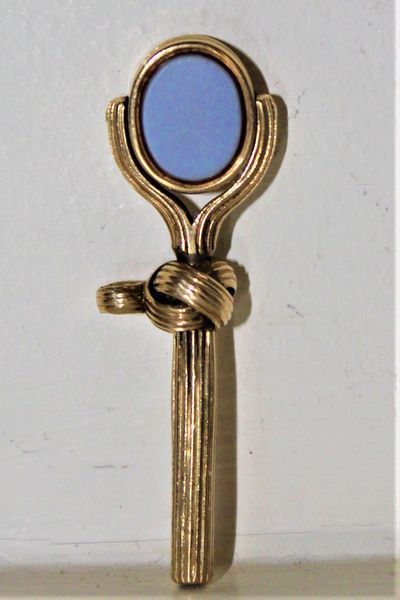

Victorian Oval Gold Pendant
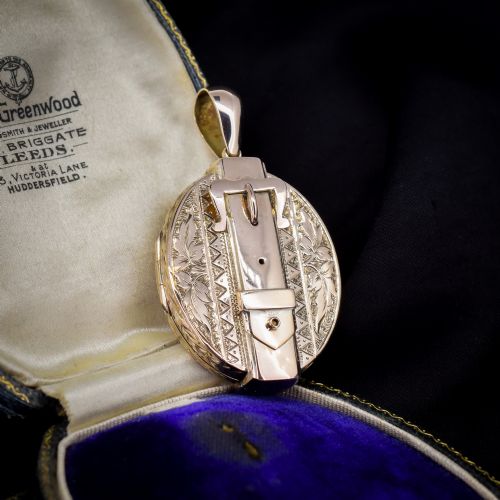
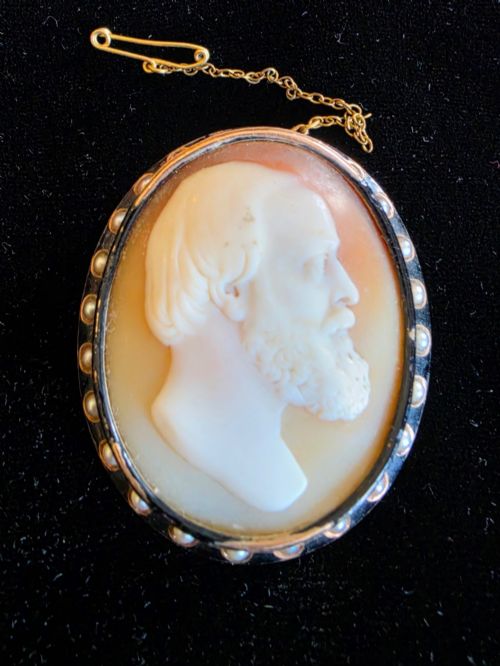
A victorian oval gold pendant brings miniature portraiture, gemstones and hair work together in a wearable form.
Victorian Oval Gold Pendant
A victorian oval gold pendant brings together nineteenth-century lockets, brooches and portrait miniatures shaped in curved oval forms. These pieces span from the mid-nineteenth century into the early twentieth century, showing influences from Georgian, Edwardian and Etruscan Revival styles.
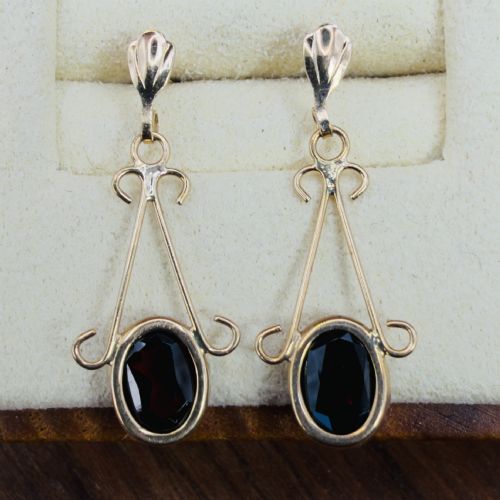
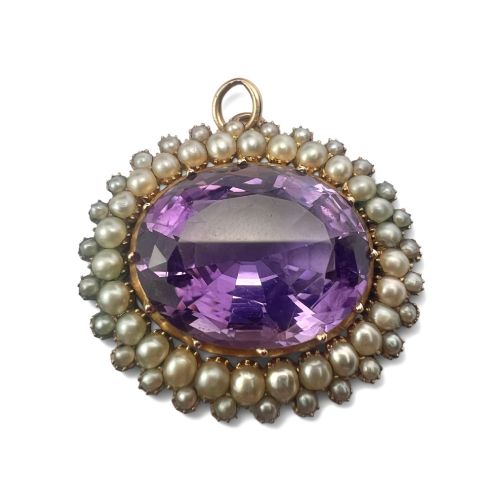
The objects take several forms, functioning primarily as photo lockets, picture frames with glass, or gemstone-set pendants and brooches. Many combine 9ct or 18ct yellow gold with materials like citrine, garnet, seed pearl, paste and diamond.
Buyers seeking this specific search phrase will find that many items double as brooches with pin fittings or incorporate chains. The core of what is available centres on gold housings designed to hold personal mementos or miniature paintings.
Materials and construction
Makers shaped these pieces predominantly from yellow gold, utilising both 9ct and 18ct standards, alongside rolled gold or back and front constructions. Metals were often stamped, chased or engraved with floral motifs to create textured frames.
Gemstones such as citrine, garnet, sapphire and diamond were set alongside paste and seed pearls to accent the central oval design. Glass frequently protected miniature paintings, photographs or woven hair work housed within the inner compartments.
Victorian Oval Gold Pendant Retail Price Guide 2026
Typical asking prices for victorian oval gold pendant among the pieces listed under this phrase on Sellingantiques today, from the lower quarter to the upper quarter. They describe what is for sale here now, not the wider market.
Some Victorian lockets hide secret compartments originally meant for locks of a loved one's hair.
Distinctions in quality
Quality rests on the crispness of the gold work and the depth of hand engraving on the outer case. Pieces featuring substantial gold weight and well-preserved internal bezels sit higher in the hierarchy than thinner back and front variants.
The refinement of the contents inside drives distinction, whether through a finely painted portrait miniature or natural gemstones with strong colour saturation. Secure hinges, working glass compartments and intact original pins or bails complete the upper tier of examples.
The Victorian Oval Gold Pendant Glossary
- Back and front
- A method of construction where the exterior plates are made of gold fused to a base metal core while the rims remain solid gold. This technique provided the appearance and wear resistance of solid gold at a lower weight.
- Paste
- Hand-cut lead glass used as a gemstone substitute in antique jewellery. High quality paste stones were individually foiled and set to catch the light.
- Etruscan Revival
- A nineteenth-century design style inspired by archaeological discoveries in Italy. It is characterised by fine granulation, wirework and classical motifs applied to gold surfaces.
- Portrait miniature
- A small, detailed painting executed on ivory, vellum or card, often depicting a specific person. These were frequently housed behind glass inside gold lockets or worn as brooches.
- Pinchbeck
- An alloy of copper and zinc invented in the eighteenth century to imitate gold. It maintains a warm, lasting colour without the high cost of precious metal.
Victorian Oval Gold Pendant: Frequently Asked Questions
How do I open a locket?
Many Victorian lockets feature a small thumbnail notch on the outer rim to help separate the snap-fit covers. Others rely on a tiny hinge or push-button mechanism.
Take care not to force stuck cases, as old internal springs can weaken or snap after decades of closure.
Can I wear these on a chain?
Most of these pieces include an integrated bail or ring suitable for suspension from a neck chain. Examples that were originally made strictly as brooches may require a conversion loop.
Check the size of the existing loop against your preferred chain thickness before purchase.
What goes inside a photo locket?
Original contents often included albumen photographic prints, hand-painted miniatures or intricate arrangements of human hair. These mementos reflect the sentimental traditions of the period.
Modern owners frequently insert small printed photographs cut carefully to match the oval interior.
How do I date these pieces?
Dating relies on a combination of hallmarks, metal standards, fastening types and stylistic motifs. Pieces marked with specific carat values alongside maker stamps offer the clearest paper trail.
Stylistic cues, such as Etruscan Revival granulation or Edwardian lightness, narrow the window further when hallmarks are absent.