


Victorian Oval Extending Table
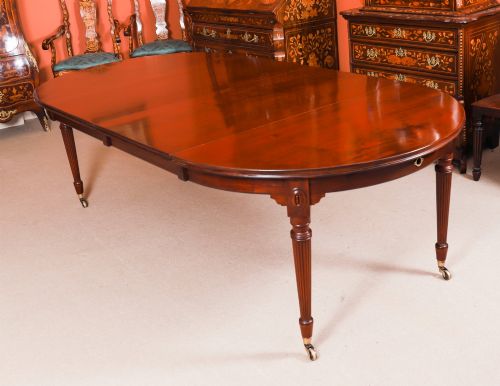
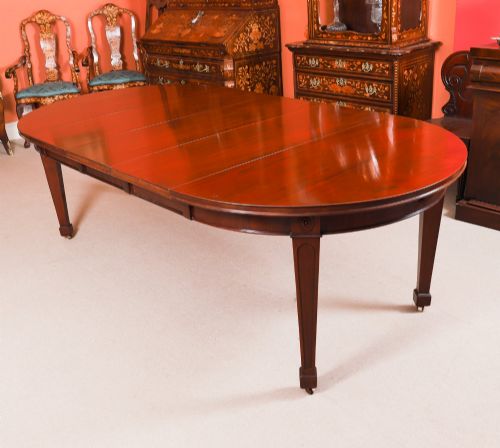
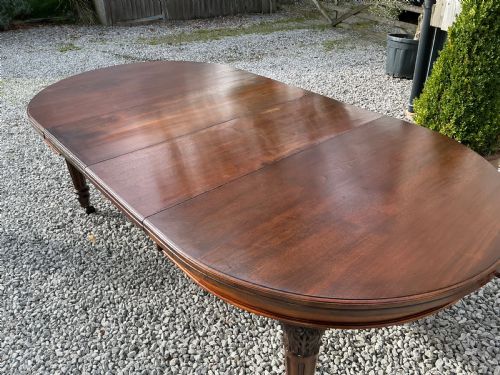
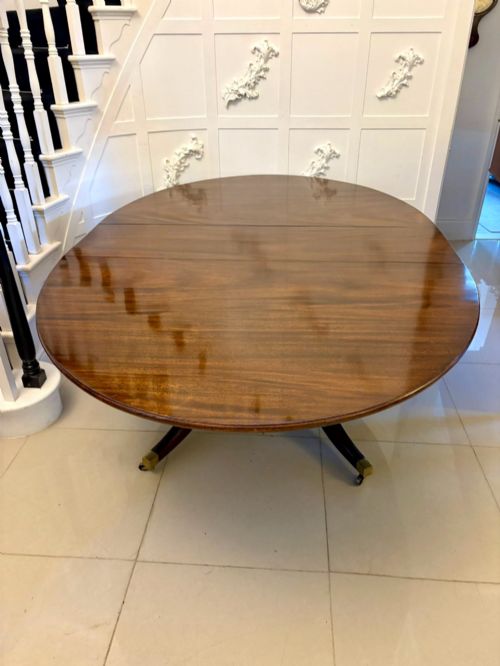
A victorian oval extending table is a dining room centrepiece designed to accommodate large gatherings through clever mechanical expansion.
Victorian Oval Extending Table
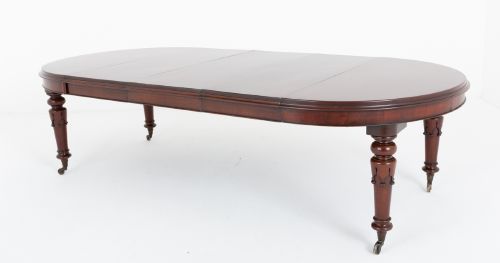
The victorian oval extending table serves as a flexible dining solution originating from the nineteenth century. These pieces typically utilise internal mechanisms to separate and accept additional leaves for expanded seating capacity.
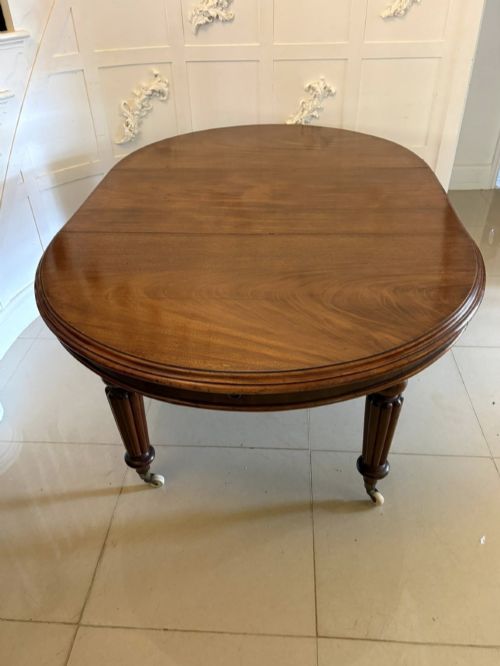
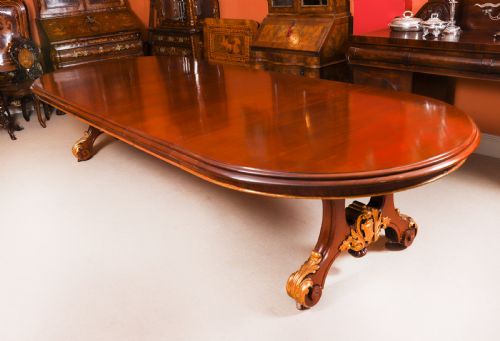
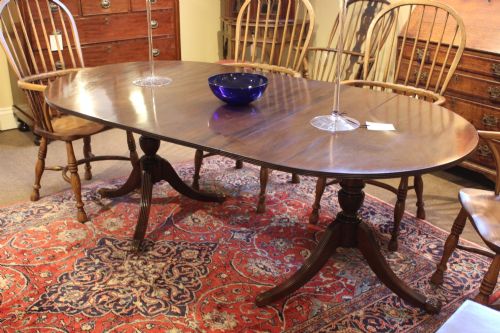
Examples range from mid nineteenth century productions to later iterations showing influences from earlier Regency designs. The oval silhouette softens large dining spaces while maintaining substantial utility for formal meals.
Materials and construction methods
Cabinet makers relied heavily on solid mahogany, Cuban mahogany, and occasionally golden oak for the primary framework and leaves. Flame mahogany veneers were frequently selected for table tops to create striking visual patterns.
Internal extension actions commonly incorporated brass winding mechanisms operated by a removable handle. Support legs and central pedestals were frequently fitted with ceramic castors to ease movement across flooring.
Distinctions in craftsmanship
Superior examples display seamless grain matching across multiple inserted leaves and robust internal wooden framing. The precision of the brass winding mechanism dictates how smoothly the table expands under load.
Carved details on pedestals and bases indicate higher workshop standards compared to simpler turned legs. The weight and thickness of the primary timber significantly influence the structural longevity of the extending action.
Gillows·Wylie and Lochead
The Victorian Oval Extending Table Glossary
- Wind out
- A mechanical system utilising a screw thread and handle to draw table sections apart or together.
- Leaf
- A removable section of timber inserted into the centre of the table to increase its overall length.
- Pedestal
- A central vertical support column, often branching into multiple carved feet, used instead of standard corner legs.
- Castor
- A small wheel attached to the base of table legs to facilitate movement across floor surfaces.
- Cuban mahogany
- A dense, dark timber harvested in the Caribbean, prized for deep colour and durability in nineteenth century furniture.
Victorian Oval Extending Table: Frequently Asked Questions
How do winding mechanisms work?
A dedicated handle inserts into the table skirt to turn an internal metal screw mechanism. This action smoothly separates the halves to accept extra leaves.
Regular maintenance ensures the brass components remain properly aligned and functional over years of use.
How many leaves can be added?
Surviving examples typically accommodate between one and three additional leaves depending on the original design. Larger tables stretch to seat ten or twelve guests comfortably.
Storage for unused leaves requires dry conditions to prevent warping of the timber.
Are castors original to these tables?
Most nineteenth century examples feature brass and ceramic castors mounted beneath pedestals or legs. They were fitted originally to help move heavy mahogany furniture.
Checking the mountings reveals whether the wheels have been replaced during past maintenance.
How do I care for mahogany tops?
Polishing with traditional beeswax maintains the lustre of the timber without building up synthetic residues. Direct sunlight and excessive heat should be avoided to prevent surface cracking.
Using protective mats during dining preserves the original finish against moisture and scratches.