


Victorian Open Standing Shelves
Victorian open standing shelves bring practical surface space and display height to a room, ranging from mahogany bookcases to tiered walnut whatnots.
Victorian Open Standing Shelves
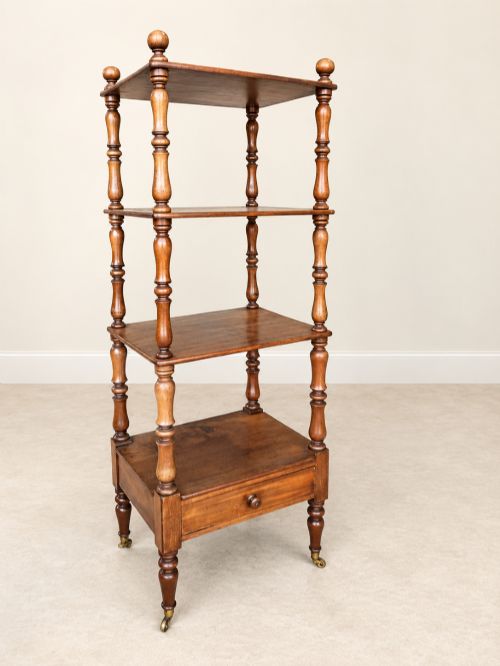
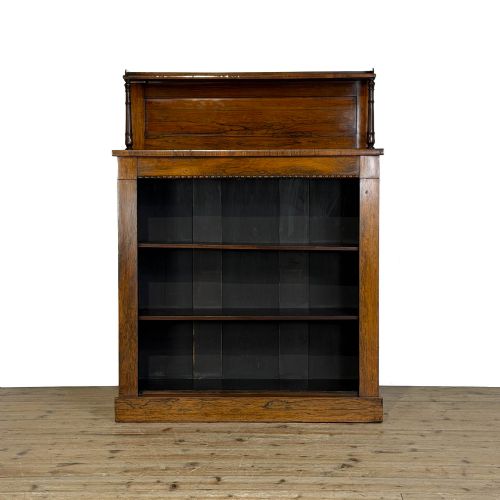
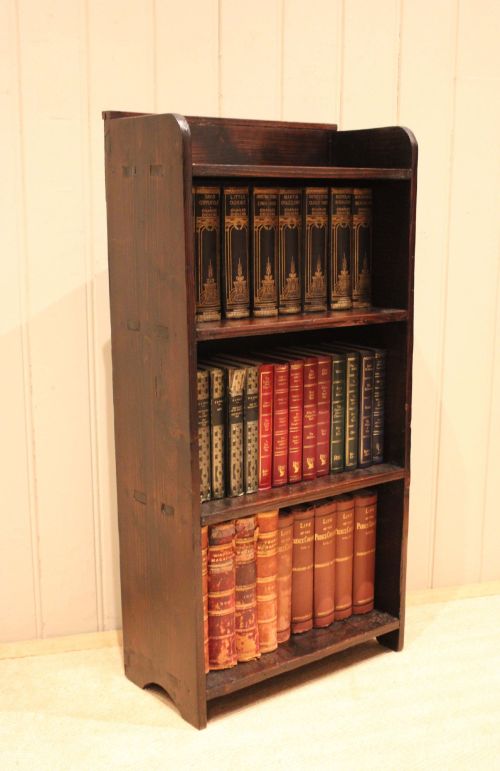
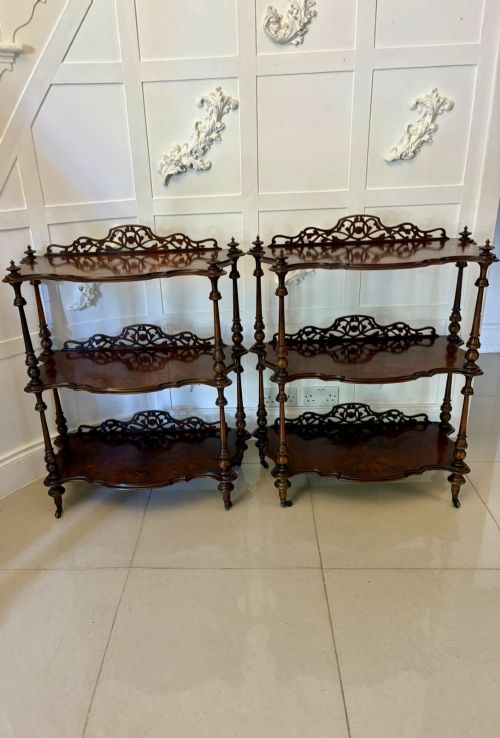
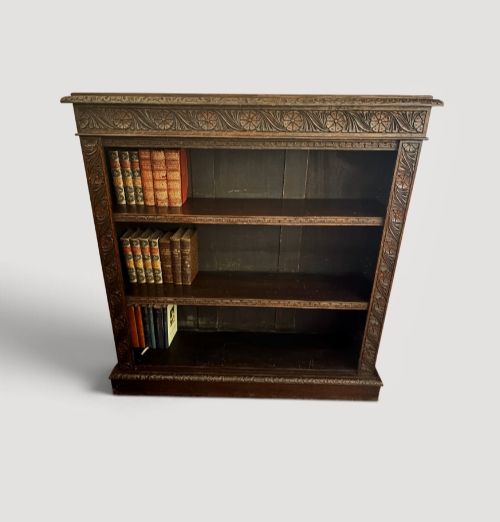
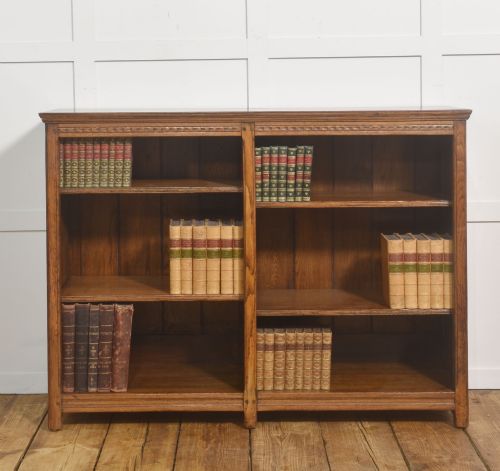
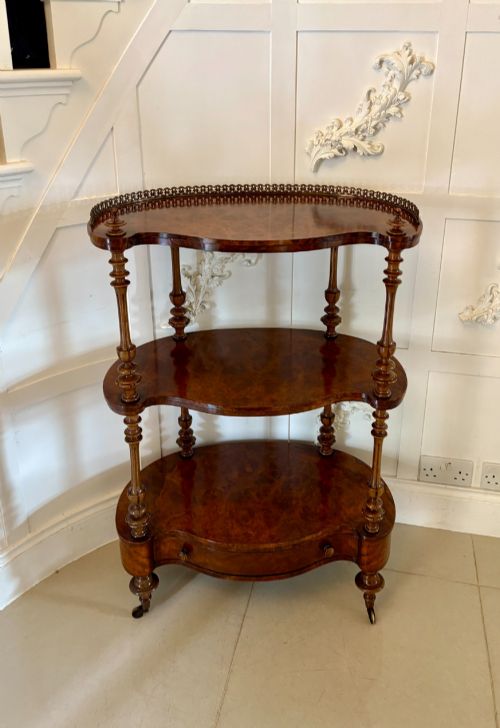
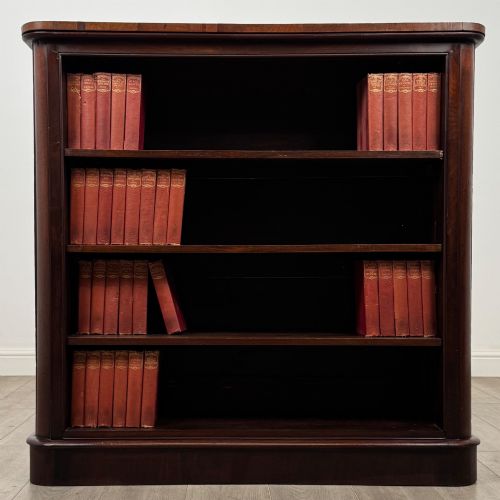
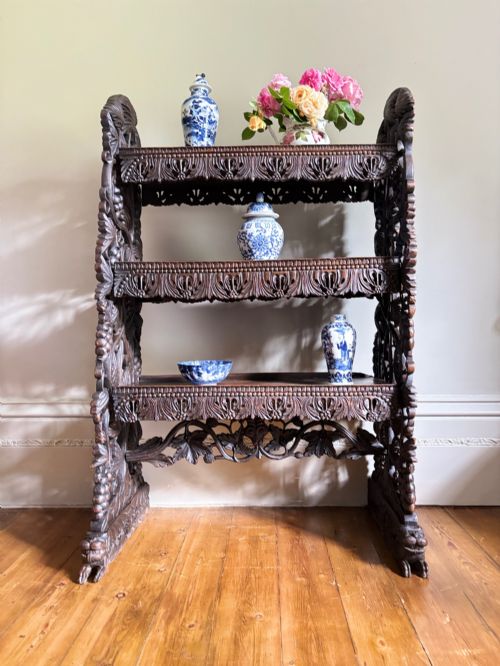
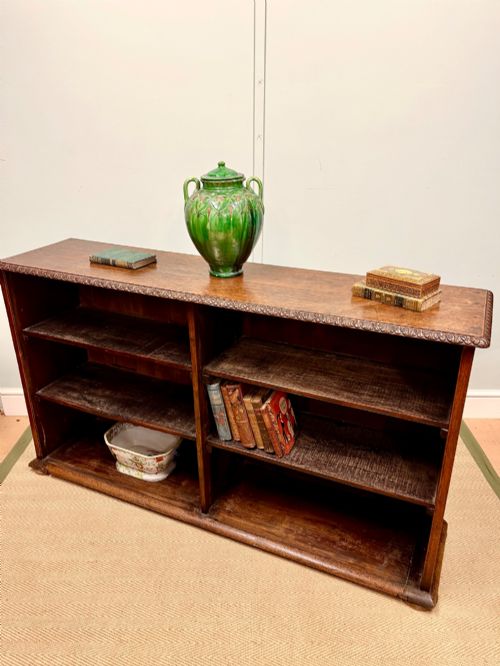
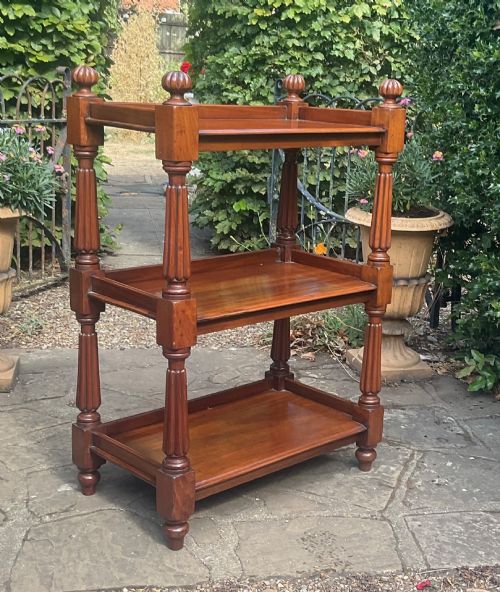
Victorian open standing shelves encompass a variety of freestanding display furniture, including open bookcases, tiered whatnots, and etageres. You will frequently encounter mahogany and walnut variants alongside rosewood and oak forms dating across the nineteenth century.
The form typically serves to display books, porcelain, or decorative objects without enclosed cabinet doors. Pieces range from low dwarf bookcases to tall multi-tiered display stands fitted with brass castors or slender upright supports.
Materials and construction methods
Cabinet makers utilised dense hardwoods such as mahogany, walnut, and rosewood, frequently selecting burr walnut veneers for figured surface interest. Pine and oak often appear in internal or secondary framing members.
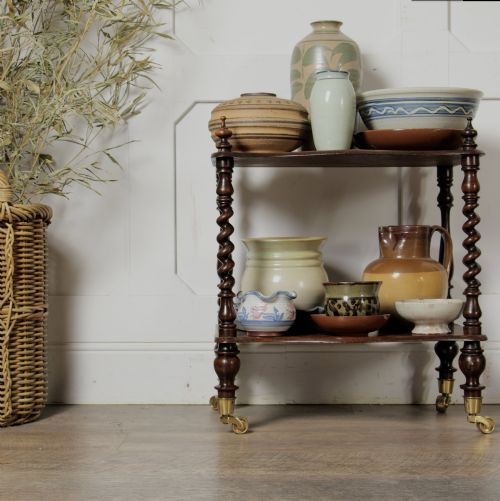
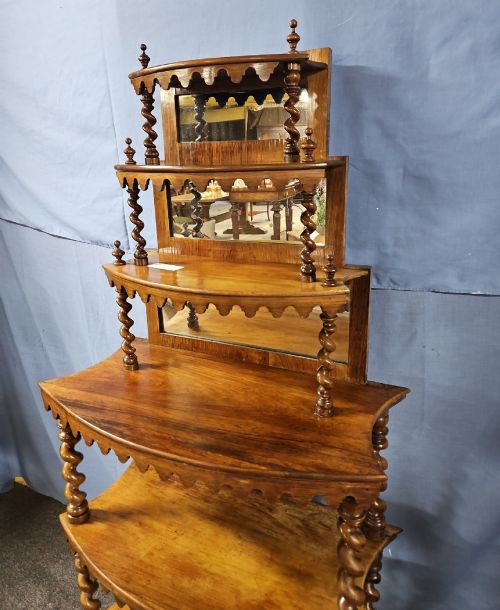
Joinery methods combined traditional mortise and tenon framing with turned supports, barley twist columns, and carved detailing. Brass mounts, castors, and gilt metal details frequently finish pieces executed in mahogany and walnut.
Listings feature woods spanning mahogany, walnut, burr walnut, rosewood, oak, pine, padauk, teak, birdseye maple, and bamboo.
Determinants of quality
The distinction between standard production pieces and finer examples rests on timber selection and decorative nuance. Highly figured burr walnut veneers, intricate boxwood inlay, and carved ornamentation elevate individual items above plain utility furniture.
Proportion and structural integrity define the higher tiers of the range, where balanced serpentine shapes, well-turned columns, and original brass castors remain intact. Refinement in the shaping of shelves and uprights separates workshop pieces from mass production.
Gabriel Viardot·Liberty & Co.·Edwards & Roberts
The Victorian Open Standing Shelves Glossary
- Whatnot
- A freestanding piece of furniture comprising multiple open shelves supported by pillars or columns, designed for displaying ornaments or books.
- Etagere
- A set of open tiered shelves used for display, originating in France and frequently constructed in rosewood, mahogany, or ebonised wood.
- Waterfall bookcase
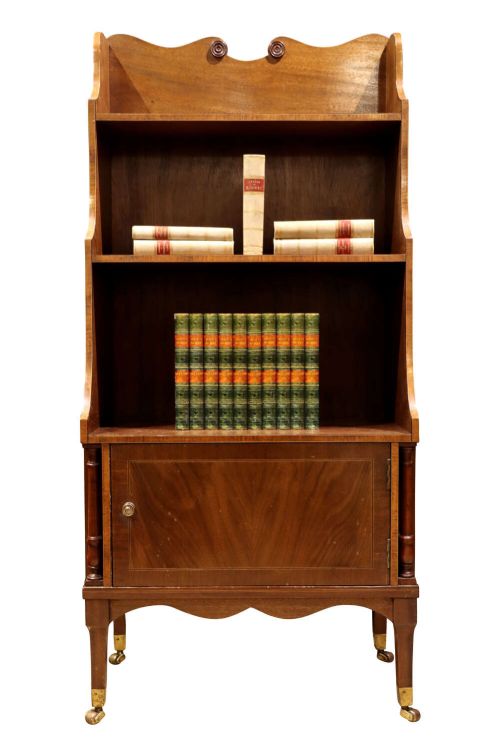
- A stepped open bookcase where each successive shelf is shallower than the one below, creating a cascading profile.
- Dwarf bookcase
- A low freestanding open bookshelf designed to sit below window height while providing accessible surface and storage space.
- Barley twist
- A decorative turning technique resembling a spiralling rope, commonly found on the upright supports of Victorian whatnots and stands.
Victorian Open Standing Shelves: Frequently Asked Questions
What rooms suit standing shelves?
These freestanding units fit comfortably in living rooms, studies, and bedrooms where accessible open display is required. Their slender profiles allow them to utilise wall space without dominating the room.
Low dwarf bookcases and corner units work particularly well in tighter spaces, while multi-tiered whatnots provide vertical display areas for collections.
How do I clean mahogany shelves?
Maintain polished hardwood surfaces using a soft, lint-free cloth and traditional beeswax rather than modern aerosol polishes. This preserves the patina built up over the nineteenth century.
Avoid placing timber furniture in direct sunlight or near heat sources to prevent the wood and burr walnut veneers from drying out or cracking.
Were these shelves adjustable?
Many open bookcases from the period incorporated adjustable shelving systems using wooden ratchets or brass strip supports. This allowed owners to alter shelf heights for varying book sizes.
Tiered whatnots and etageres generally featured fixed shelves supported by turned pillars, columns, or structural uprights.
How do I date these pieces?
Dating relies on timber choices, stylistic markers, and construction details such as screw types and secondary woods like pine. Mid-nineteenth-century pieces often feature rosewood and solid mahogany, while later items incorporate ebonised finishes or bamboo.
Stylistic shifts from early Victorian mahogany forms to late Victorian inlaid waterfall designs and Edwardian interpretations provide further chronological clues.