
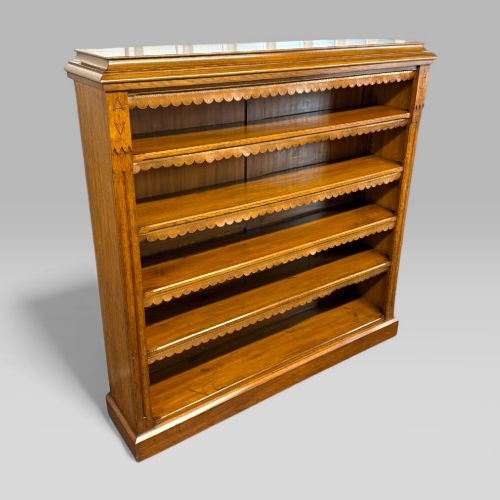
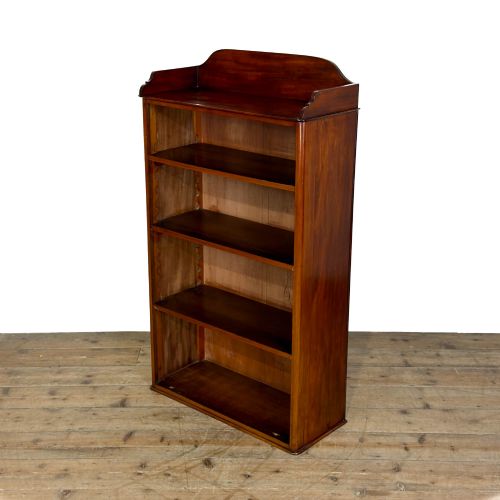
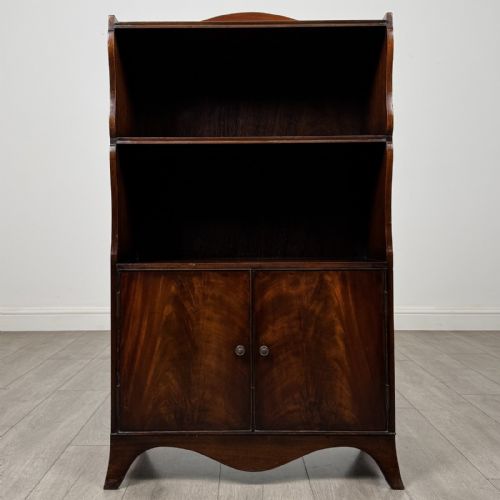
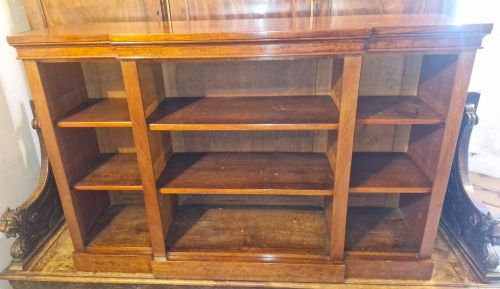
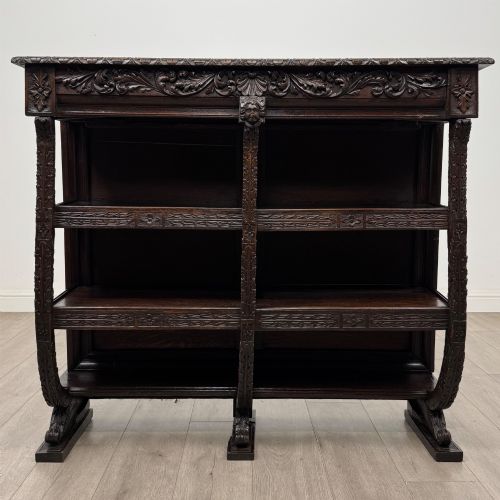
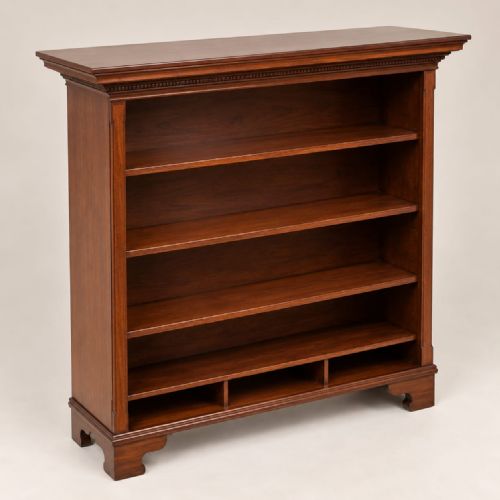
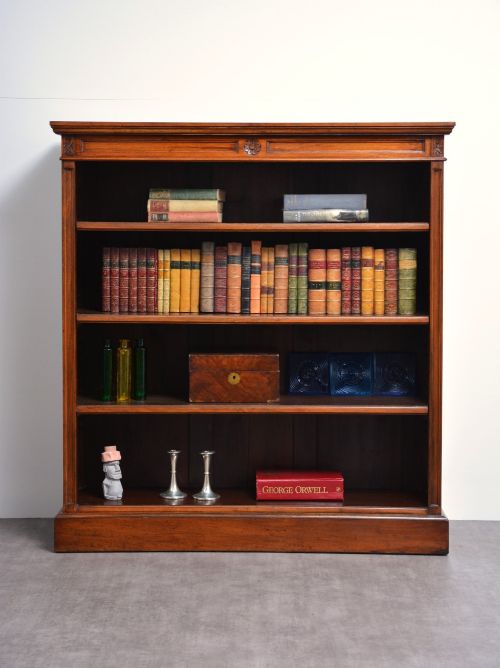
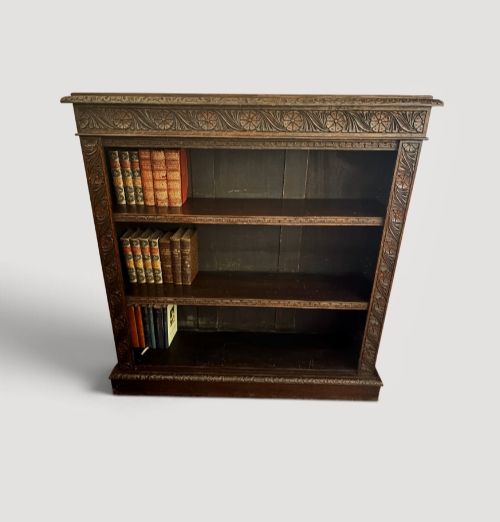
Victorian Open Display Unit
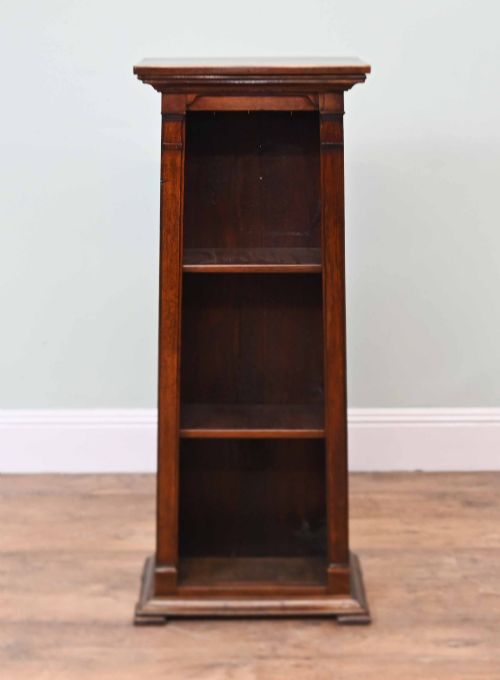
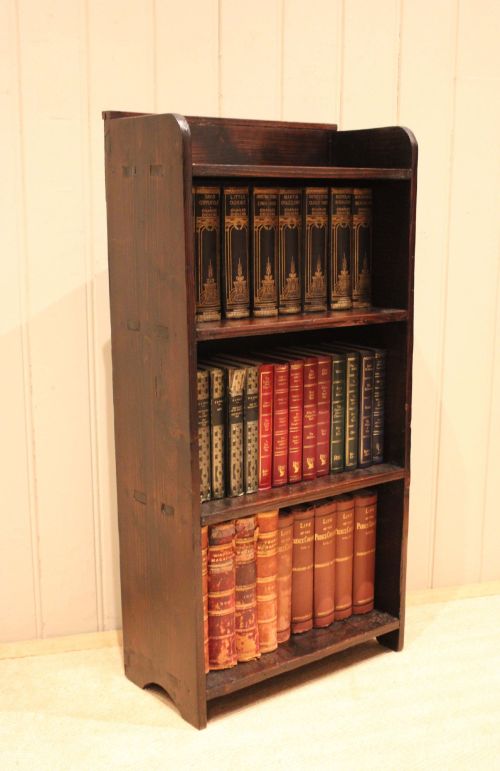
A victorian open display unit offers accessible shelving for books and ornaments, combining practical storage with period craftsmanship.
Victorian Open Display Unit
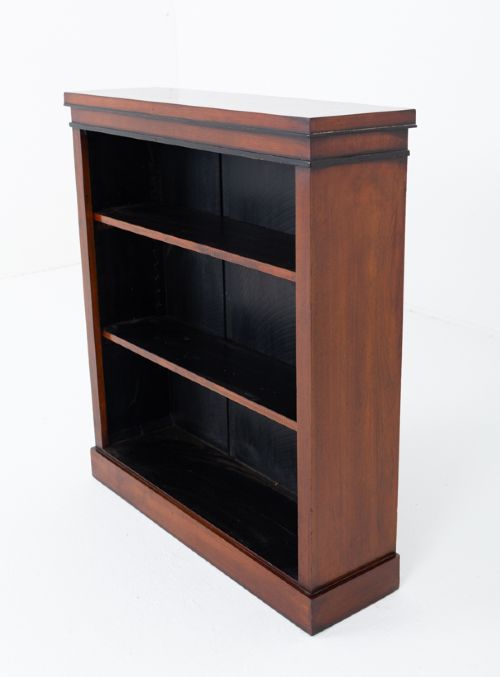
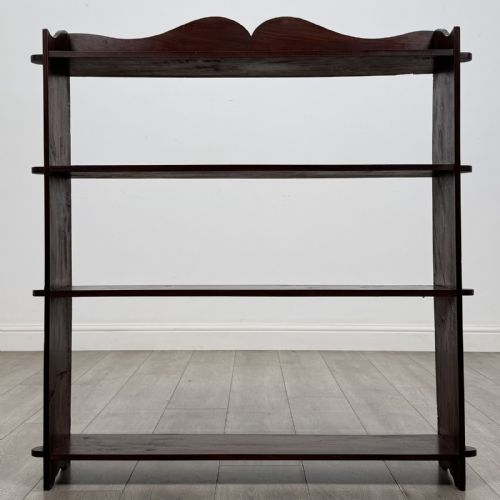
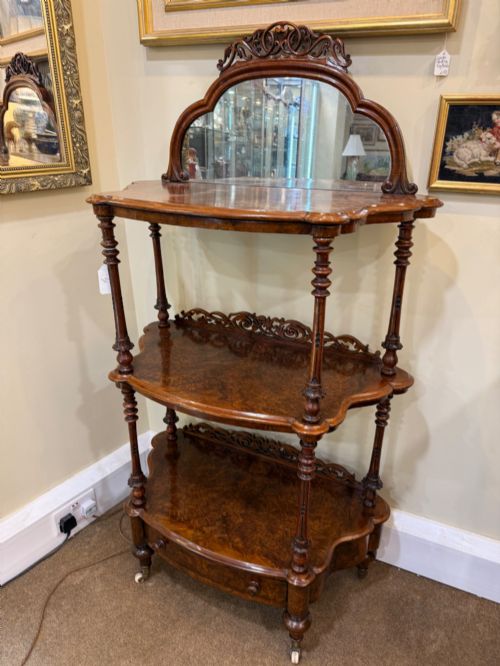
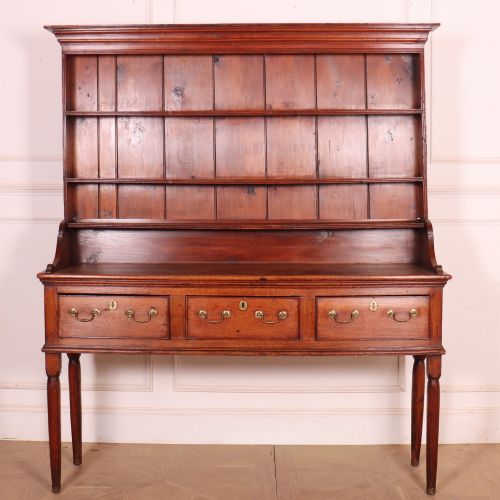
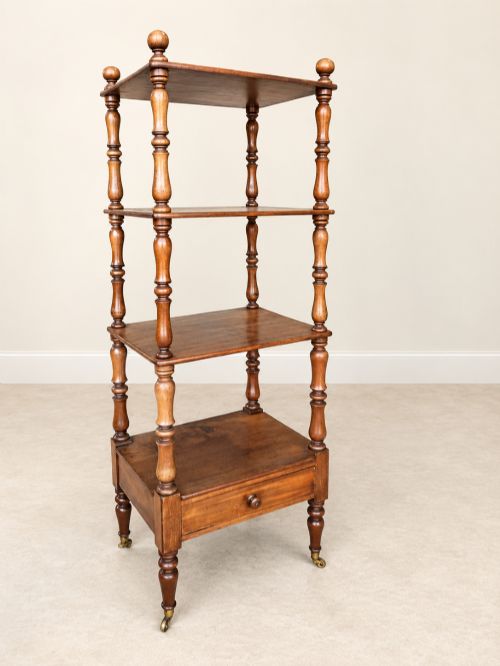
A victorian open display unit encompasses open bookcases, multi-tiered étagères, whatnots and wall shelves designed for domestic display and storage.
The pieces span the nineteenth century and extend into the early twentieth century, appearing in forms from low floor-standing bookcases to tall shelved cabinets.
Makers utilised various regional woods and stylistic influences ranging from Gothic and Aesthetic Movement to Anglo-Indian designs.
Materials and construction
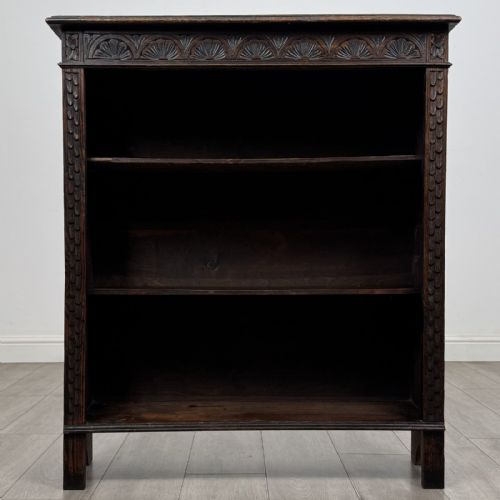
Carpenters constructed these units in solid timbers such as mahogany, oak, walnut, rosewood, pine and teak, often applying burr walnut veneers for decorative grain patterns.
Details include adjustable wooden shelving systems, carved ornamentation, inlaid marquetry, painted finishes and brass castors fitted to support mobility.
Joints and structures reflect period cabinet-making techniques suited to supporting heavy volumes and decorative objects.
Listings feature nineteen-century periods including Victorian, Edwardian and William IV, alongside styles from Gothic to Aesthetic Movement.
Distinctions in quality
Superior examples distinguish themselves through choice timber selection, such as figured burr walnut or dense rosewood, paired with refined carving and crisp inlay work.
The presence of functional mechanisms, including smoothly operating adjustable shelf brackets and original brass castors, marks higher grade manufacturing.
Proportion and architectural balance separate standard utilitarian shelving from exhibition-grade pieces designed by notable workshops.
Edwards & Roberts
The Victorian Open Display Unit Glossary
- Étagère
- A piece of furniture consisting of a set of open shelves for displaying small objects or ornaments. These tiered structures often stand in corners or serve as slim side units.
- Whatnot
- An open multi-shelved piece of furniture used for holding books, ornaments or bric-a-brac. The form evolved during the nineteenth century into tiered display stands.
- Veneer
- A thin layer of finely figured wood applied to a secondary timber base to create decorative surfaces. Burr walnut veneer provides characteristic swirling grain patterns.
- Breakfront
- A piece of furniture where the central section projects forward from the flanking sections. This architectural arrangement adds depth and visual interest to larger bookcases.
- Adjustable shelves
- Shelving supported on movable pegs or ratchets allowing variable vertical spacing. This practical inclusion accommodates books of differing heights.
Victorian Open Display Unit: Frequently Asked Questions
What is a victorian open display unit?
A victorian open display unit is a piece of nineteenth-century furniture designed with exposed shelving for books and decorative objects. These items include open bookcases, whatnots and étagères.
They reflect the period preference for displaying literature and collected items within domestic interiors. Construction typically relies on hardwoods such as mahogany, walnut and oak.
How do I use an open bookcase?
These units function primarily for storing and exhibiting books, ceramics and decorative objects within living spaces or libraries. The open format allows immediate visibility of the contents.
Adjustable shelf variants accommodate volumes of varying heights. Corner and wall-mounted versions help maximise floor space in smaller rooms.
How do I date a nineteenth-century bookcase?
Dating relies on timber choices, structural hardware and stylistic markers recorded across the nineteenth and early twentieth centuries. Specific periods bring distinct decorative traits such as Aesthetic Movement inlay or Gothic carving.
Secondary woods, joining methods and the presence of makers' stamps or brass castors provide further chronological indicators.
What woods were used for these units?
Cabinet-makers utilised a range of domestic and exotic timbers including mahogany, walnut, oak, pine, rosewood and teak. Burr walnut veneer frequently appears on high-status decorative pieces.
Lighter pine served for simpler utilitarian bookshelves, while dense hardwoods provided structural integrity for larger library bookcases.