





Victorian Officer Art
Victorian officer art comprises formal oil paintings, watercolours and portrait miniatures depicting military figures from the nineteenth century.
Victorian Officer Art
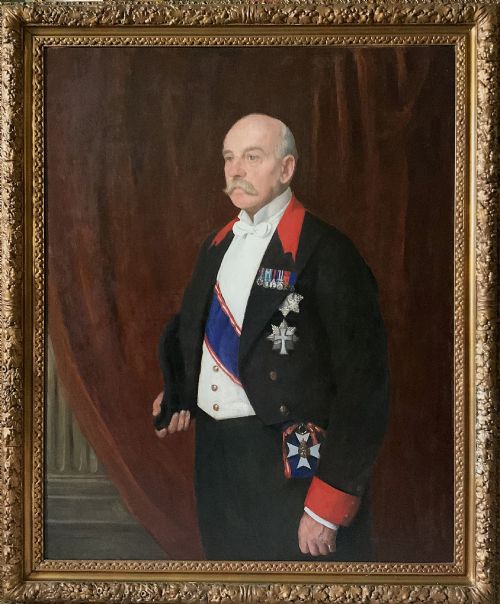
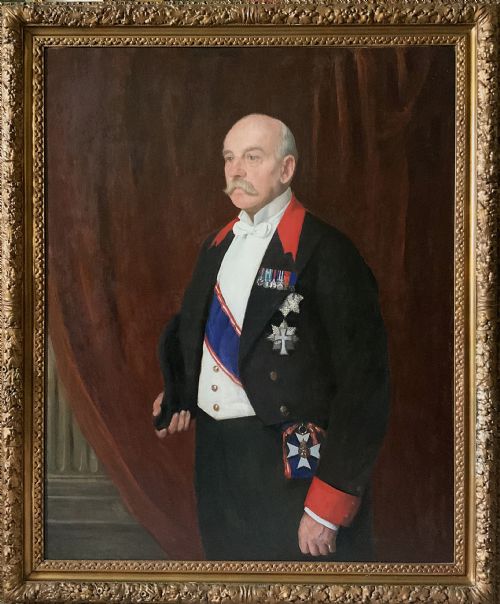
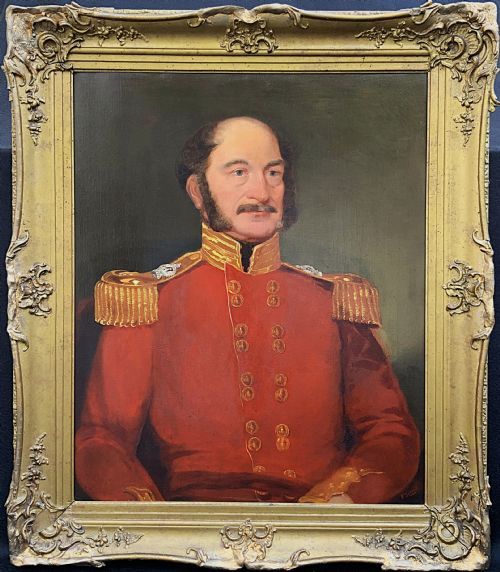
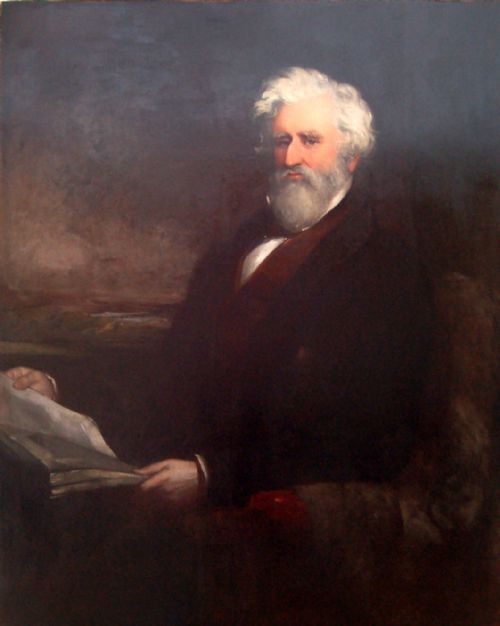
When you examine victorian officer art, you encounter oil on canvas paintings and framed watercolours that portray military personnel. The subjects range from major-generals and lieutenant-colonels to dragoons, hussars and naval officers.
Most pieces date from the nineteenth century, including specific periods like the Victorian era, the Regency and the early Edwardian years. You see both large monumental canvases and intimate portrait miniatures.
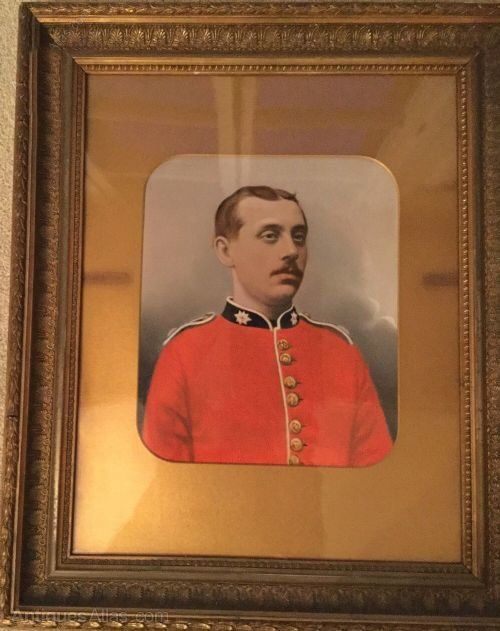
Subjects often wear ceremonial red tunics, red coats or naval jackets, occasionally accompanied by detailed notes on their regiments, such as the Coldstream Guards or the 5th Royal Lancashire Militia.
Materials and construction
The primary medium across these works is oil paint applied to canvas, alongside watercolours executed on paper. Frames are constructed from wood, frequently featuring giltwood finishes.
Portraits utilise traditional academic techniques of the period, capturing likenesses through layered oil paint or delicate watercolour washes. Support materials include stretched canvas and heavy paper, housed behind glass in framed formats.
Listings feature oil on canvas, watercolours, and paper, spanning the nineteenth century with styles from Regency to Edwardian.
Assessing quality
Quality rests in the precision of the brushwork and the psychological depth of the portraiture. Works by recorded artists or specific English schools display superior anatomical accuracy in the sitter and rendered uniform details.
The preservation of the canvas, the clarity of the oil paint, and the integrity of the original wood and giltwood frames also dictate the standing of a piece within this category.
George Frederic Watts·George Frederick Clarke·John Irvine·William Edward Millner·George Duncan Beechey·William Salter·Sir Richard Westmacott·Arthur Foley And Son
The Victorian Officer Art Glossary
- Oil on Canvas
- Pigment mixed with drying oil applied to a woven fabric stretched across a wooden frame. This medium defines the bulk of the larger military portraits.
- Portrait Miniature
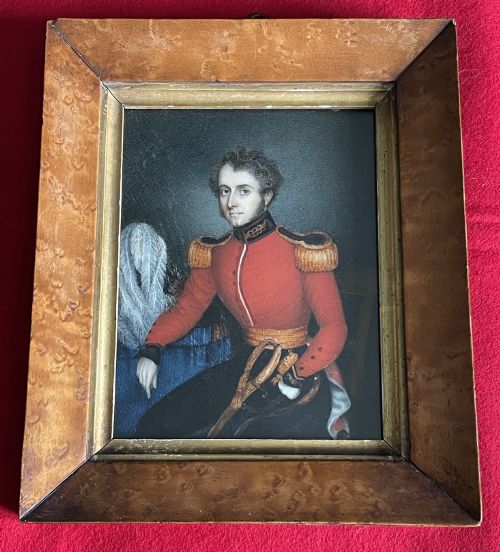
- A small, highly detailed painting designed for intimate viewing. These works capture individual officers on a small scale.
- Giltwood
- Wood carved and coated with a thin layer of gold leaf or gilt paint. Frames finished in this manner accompany many of the oil paintings.
- Watercolour
- Paint consisting of colour suspended in a water-soluble vehicle, used here on paper. Several listed works employ this technique for military subjects.
- Ceremonial Red Tunic
- The traditional scarlet military coat worn by British infantry and staff officers during parades and formal duties.
Victorian Officer Art: Frequently Asked Questions
What periods do these paintings cover?
The works span the nineteenth century, drawing heavily on the Victorian era alongside Regency and Edwardian pieces.
Dating ranges from around eighteen hundred through to nineteen hundred and ten, capturing changing military uniforms and portrait styles.
How were these military portraits displayed?
Paintings were typically hung in officers' messes, regimental headquarters or family drawing rooms to record military service and rank.
Larger canvases commanded prominent wall space in country houses, while smaller watercolours and miniatures sat on desks or hung in intimate spaces.
What subjects appear most frequently?
Sitters include generals, colonels, captains and lieutenants from regiments such as the Dragoons, Hussars and the Royal Lancashire Militia.
Artists frequently recorded the specific regiment, campaign service or civilian occupations of the officers alongside their names.
Are the artists recorded on the pieces?
Several works are attributed to specific nineteenth-century artists and English schools, while others remain unsigned.
Signatures or contemporary inscriptions on the reverse of the canvas often provide the identity of the sitter and the date of execution.